




A dual interview with Michel Hofman (Defence) and Catherine De Bolle (Europol)
Text Björn CrulImage Boris Vermeersch
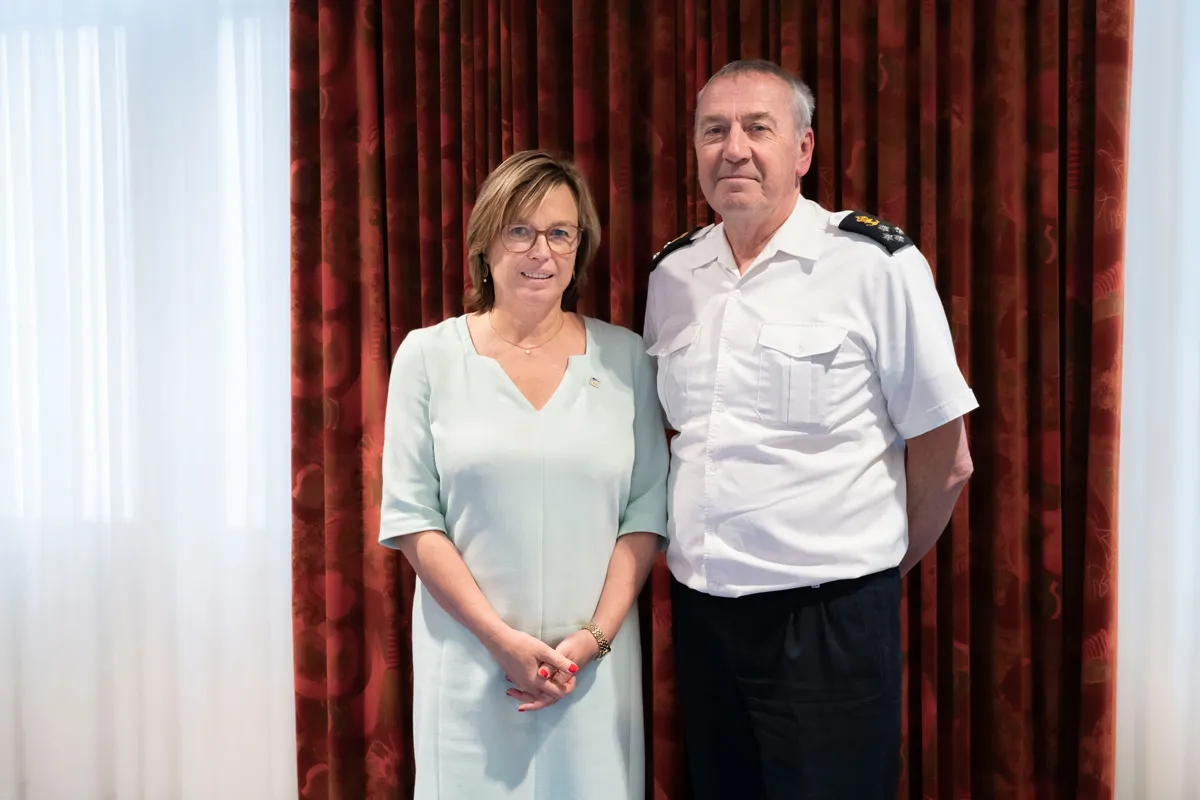
“More international cooperation is essential if we are to guarantee our security”
The security situation on the European continent has changed significantly over the past decade. The attacks in Paris (2015) and Brussels (2016), whose perpetrators had links to Belgium, marked a turning point. Rising geopolitical tensions and the conflicts in Ukraine and Gaza have also put security high on the agenda. For both the police and Defence, this brings new challenges. Business Vlaanderen brought together Catherine De Bolle, head of Europol, and Michel Hofman, the outgoing chief of defence, for a dual interview.
The attacks in Paris and Brussels came as a surprise at the time. How significantly did these incidents affect the work of the police and Defence?
Michel Hofman: One of the most important and visible aspects was that military personnel patrolled the streets for six years, helping to ensure security. This had a major impact on how we operated, but was also a good example of how we fulfil our role in society. Since then, there has also been much greater coordination between intelligence and security services at home and abroad. Internal and external security are, after all, closely intertwined.
This led to the creation of international information-sharing centres, where military and civilian intelligence services meet and share information that is useful in the fight against terrorism.
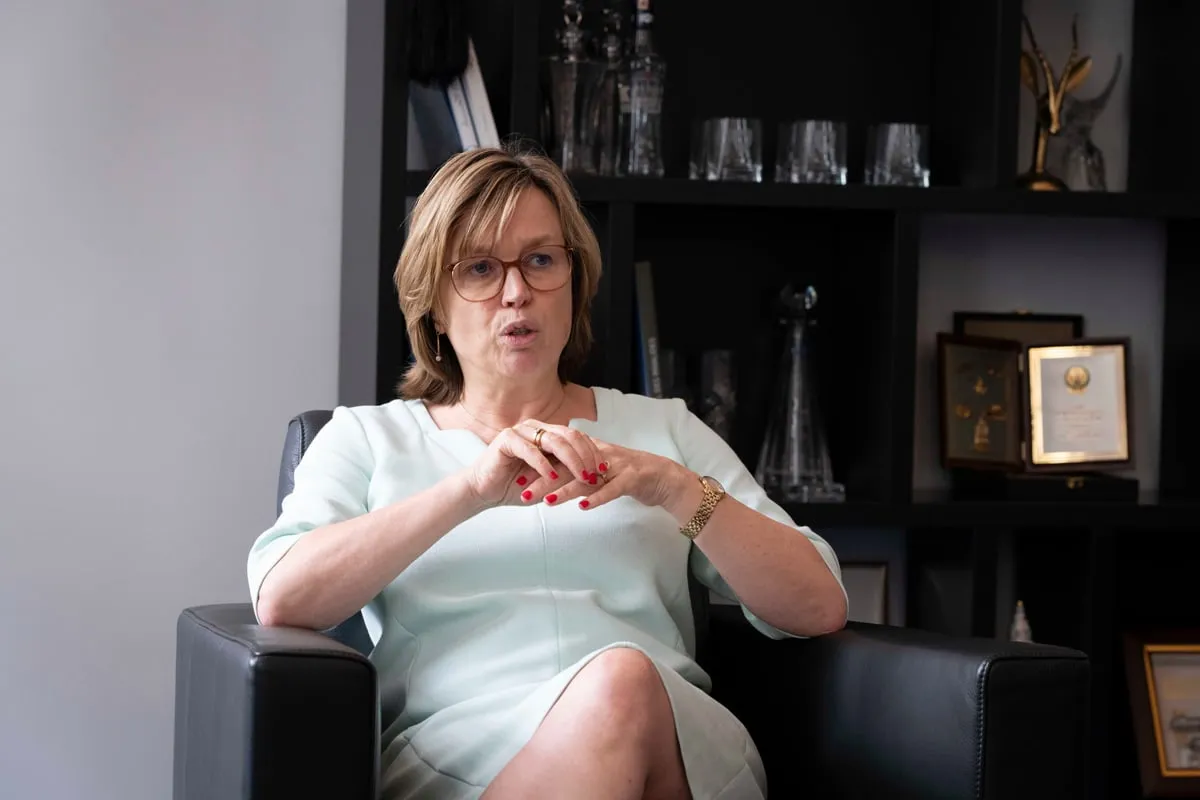
Catherine De Bolle: The attacks were indeed a game-changer in that respect. European police forces were already sharing information, but the attacks showed that much closer cooperation was needed. At the time, I was Commissioner General of the Belgian Federal Police. We asked Europol for support to gain greater insight and conduct our investigation in depth. That support enabled us to carry out analyses and make links with other countries, which also strengthened our cases in court.
Ms De Bolle, you are now head of Europol. What role does your organisation play in European security policy?
Catherine De Bolle: As part of the fight against organised crime and terrorism, police forces want to work together across borders. Europol provides a platform for EU Member States and third countries wishing to share information. The aim is to cross-check and analyse that information, as well as to share useful intelligence immediately in ongoing investigations. The Sky ECC investigation is a good example. It allowed us to build up a picture of the criminal activities of an international organised crime network through its mobile communications.
We received investment funding from the European Commission, giving Europol technological capabilities that individual Member States do not have, for example to decrypt information. In total, we employ more than 1,200 experts and work with our partners to deliver excellent policing in criminal investigations. The aim, of course, is to anticipate as much as possible and try to prevent crime.
Various geopolitical conflicts are affecting Europe today, including the war in Ukraine, the US-China trade war and Israel’s incursion into Gaza. Does this mean security services need to be more alert than before?
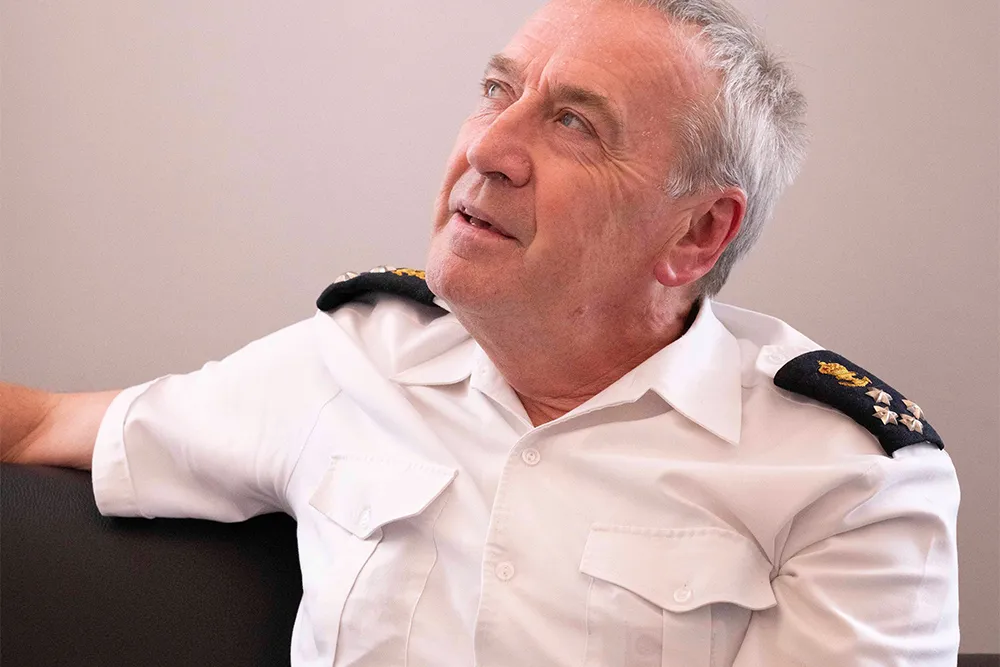
Michel Hofman: Absolutely. The complexity and number of indicators we need to take into account have increased exponentially. One of the challenges is technological change, including influence operations and disinformation on social media platforms, the rise of cybercrime and the use of AI. Defence keeps a close eye on critical infrastructure: communications networks, wind farms, undersea cables and pipelines, ports … In aviation, we need to watch out for suspicious movements by aircraft as well as drones. There are many new threats, and we need to devote significant personnel and resources to them. It also requires ongoing training for our 26,000 military personnel and civilian staff.
Catherine De Bolle: As an agile organisation, we try to prepare Europe as much as possible for the unexpected. During the pandemic, for example, we saw fraudsters follow the peaks of the virus: first in Italy, then in Spain and subsequently in other countries. Based on that observation, we sent early warnings to the Member States. When the war in Ukraine broke out, we immediately spoke to the Ukrainian liaison officers at Europol to assess what action we needed to take. We temporarily shut down our communications network to safeguard the integrity of our communications. We also advised the government in Kyiv on setting up a database to register small arms.
The war in Ukraine has been going on for more than 2 years. In Europe, it has led to a realisation that peace cannot be taken for granted. Has this accelerated investment in security?
Michel Hofman: Internationally, we are indeed seeing the war provide a major impetus for investment. In our country, Defence was underfunded for 30 years. The STAR plan now gives us a major investment programme, worth 10.3 billion euros up to 2030. But further efforts will be needed to meet Belgium’s commitments within the EU and NATO. I do think the war in Ukraine has awakened a certain “sense of urgency” in our country: we need to prepare in time, maintain our stocks, acquire new equipment and train our military personnel to use it. This will probably be an important topic in the next coalition agreement.
Catherine De Bolle: Europol is on a growth trajectory spanning several years. These conflicts outside the EU have increased awareness of their significant impact on our internal security, and we have reoriented our organisation accordingly. I was fortunate to have European Commissioner for Home Affairs Johansson, who made the internal security portfolio a personal priority. That really put our work on the map among the ministers of the interior and justice. It also paved the way for investment.
Cybercrime has grown particularly sharply over the past 10 years and is one of the business community’s main concerns. How can Europol and Defence combat these criminals?
Catherine De Bolle: Unfortunately, cybercriminals often succeed because many organisations still do not have adequate security in place. And it is true that every investigation we conduct now has a cyber element. For every major investigation, a task force of specialist cyber experts is formed within the Cyber Crime Center. This is gradually producing results. We have already managed to expose the criminal networks behind several forms of ransomware. But the world of cybercrime is highly organised and evolving at lightning speed. There is still plenty to do: our legislation needs to be better aligned with the digital world, our officers need better training, we need greater cooperation from technology companies, and so on. Action on all these fronts is needed if we are to keep pace with the criminals.
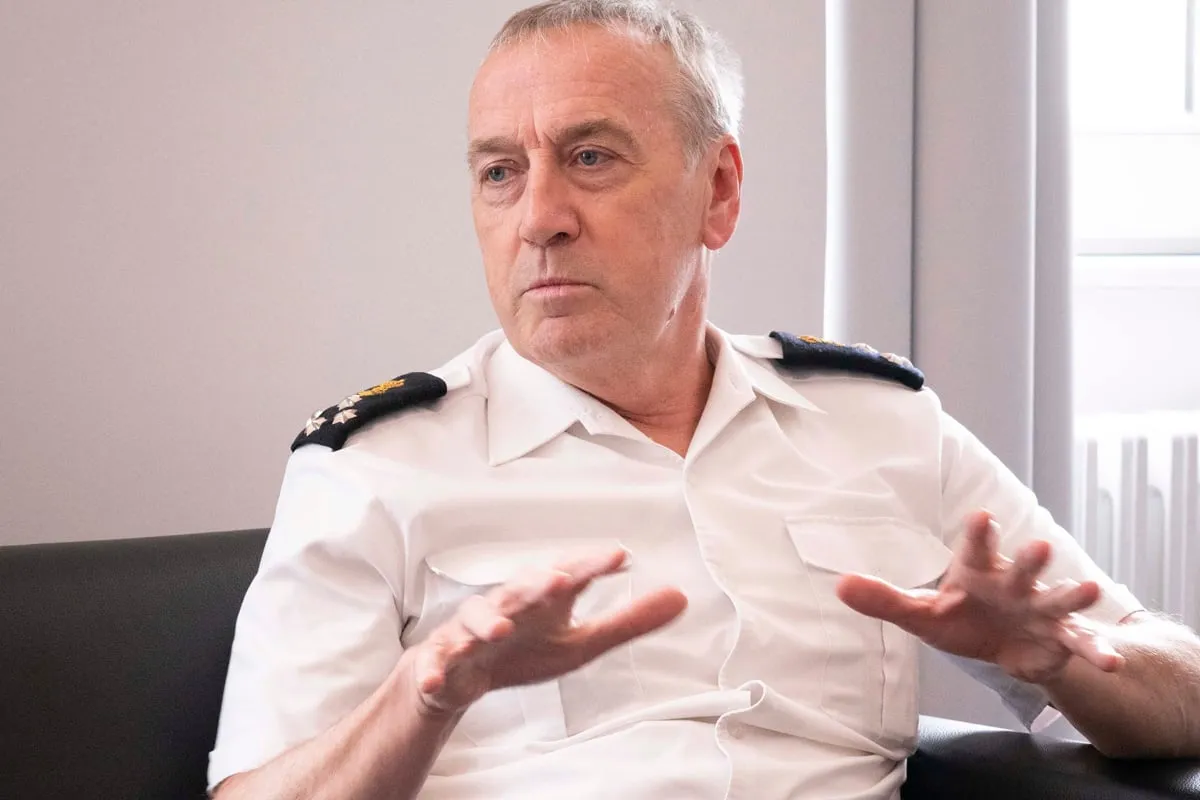
Michel Hofman: State-sponsored crime is one of the biggest challenges, in my view. We see, for example, attempts from Russia to undermine European cohesion. We need to be alert to this. The threats include influence operations on social media, radicalisation, sabotage, subversion and cyber-attacks … all of these can affect a country’s internal security. That is precisely why we need to share as much information as possible with other countries. In October 2022, Defence also established a new Cyber Command. Its aim is to strengthen cyber protection and defence for the army’s own activities. We are increasingly reliant on digital and data-driven systems. At the same time, we want to strengthen Belgium’s cybersecurity as a whole, a responsibility we share with the Federal Police and the Center for Cybersecurity Belgium. Initially, our focus is on defence, but an offensive strategy may also be an option in future.
To carry out all their duties, both the police and Defence are looking for new talent. What strengths can you draw on in a tight labour market?
Michel Hofman: Since the attacks, when we were visible on the streets, and the support we provided during the COVID period and the floods in Wallonia, we have received a lot of applications. Contributing to security in society gives military work a strong sense of purpose. Defence also offers a huge variety of roles and opportunities for career progression. And those who want to can take part in operations abroad. All of this, alongside good pay and job security, plays to our strengths.
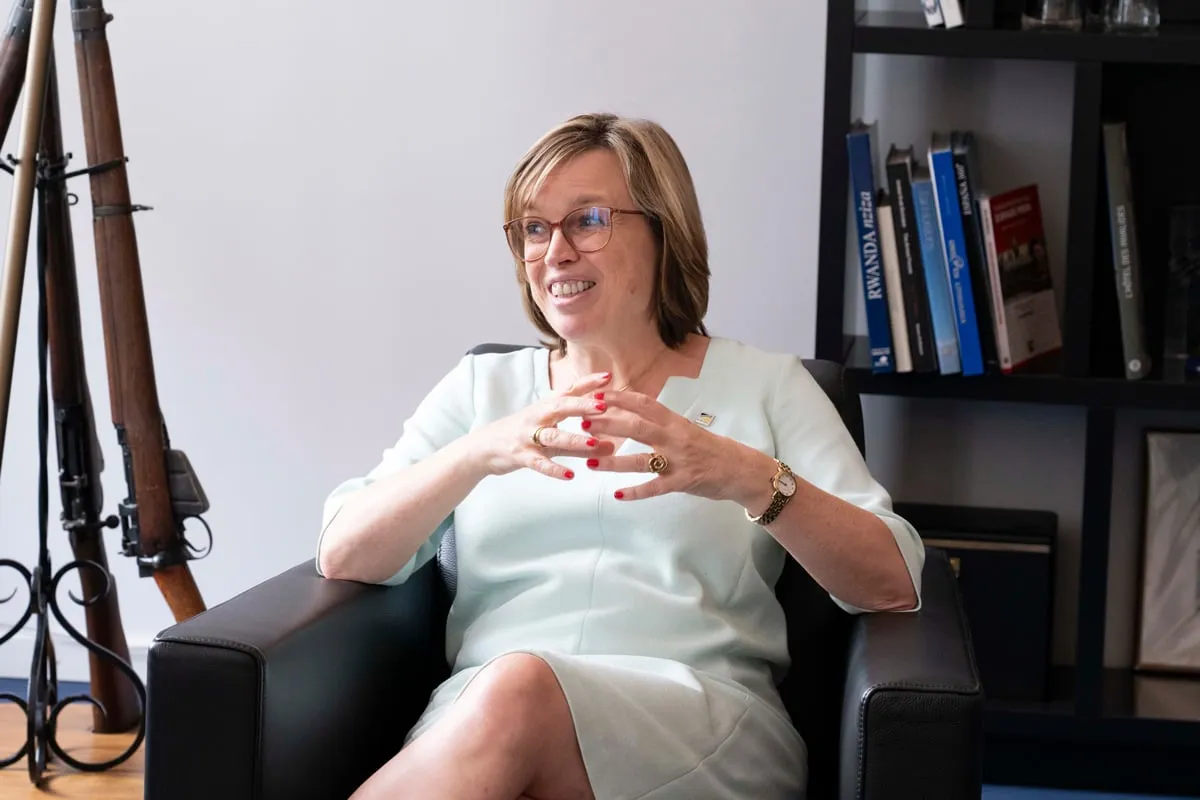
Catherine De Bolle: I find that young people care a great deal about the purpose of their work, sustainability, diversity and how we treat LGBTQ+ people. A good culture is therefore crucial. At Europol, police officers can also take part in some of the most interesting large-scale investigations at international level. Experts can put their skills to use within a legal framework and with state-of-the-art tools. These are opportunities you do not get at national level. Our rule is that you can stay for a maximum of 10 years, after which you return to your Member State. This ensures a steady influx of new people and ideas, while also strengthening police forces in every country with European experience.
Catherine De Bolle (54) was born in Aalst. She studied law at UGent and then trained as an officer at the then Rijkswacht Academie. She was chief of the Ninove police zone when she was appointed Commissioner General of the Belgian Federal Police in 2012. From 2015 to 2018, she was a member of Interpol’s Executive Committee. In May 2018, she took up the post of director at Europol, a term that runs until 2026.
Admiral Michel Hofman (63) was born in Ostend and grew up in Brussels. After studying at the Royal Military Academy, he held various positions in the navy. Among other things, he took part in operations during the Gulf War in the 1990s. After holding several posts on the Defence Staff, he was appointed Vice Chief of Defence in July 2017. On 10 July 2020, he became head of the Belgian armed forces. His term of office ends on 4 July this year.
Question about this story? Ask your question
Keep following this
Get an email when a new story is published. No account needed.
- SubjectGeneral







