Developer Hexagon takes a constructive approach to construction waste
Text Niels De BoysereImage Hexagon
The ever-growing focus on sustainability is prompting the construction sector to step up its waste management and recycling efforts. West Flanders-based Hexagon has embraced this mindset since its inception. “Our team has the expertise to assess waste processing effectively and make full use of existing materials,” says Hexagon director Jelle Vandendriessche.
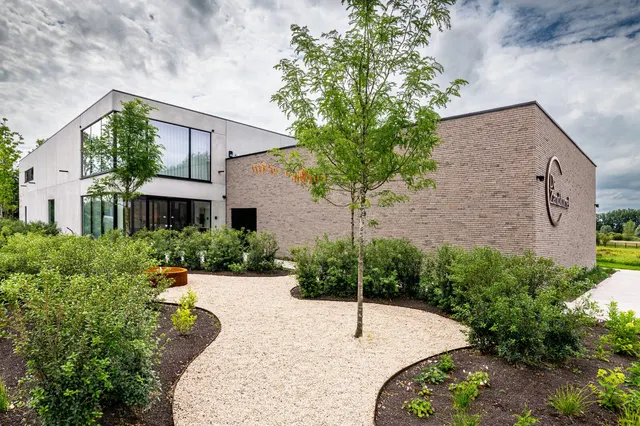
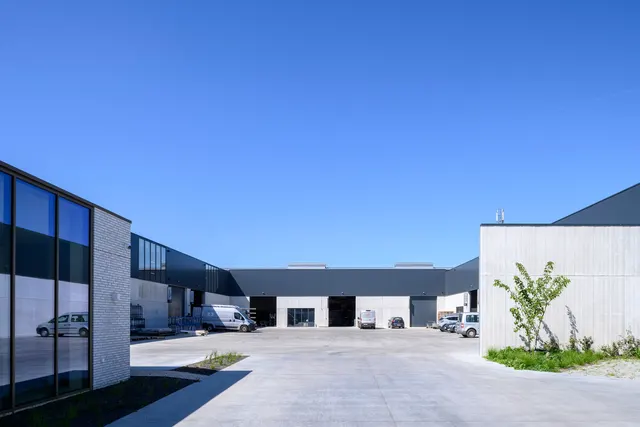
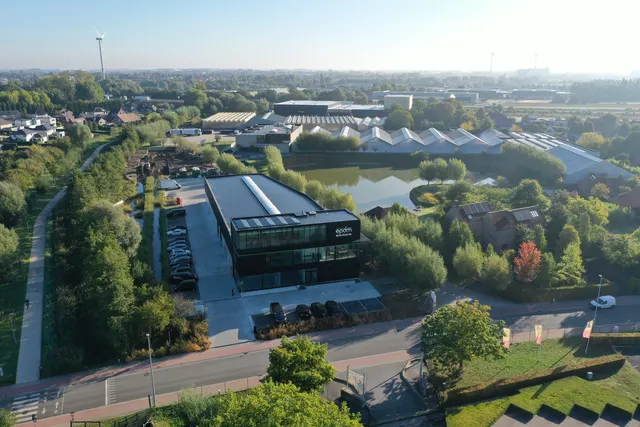
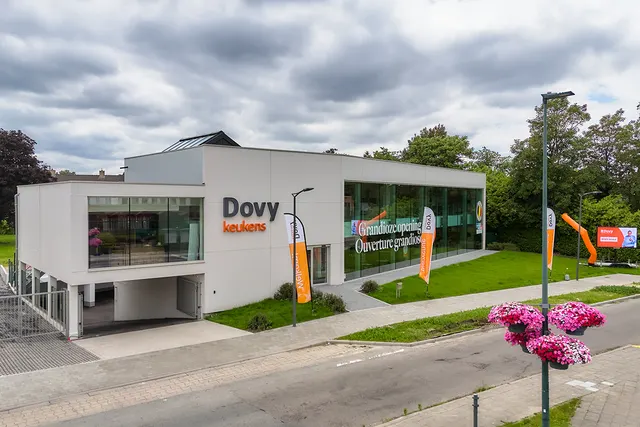
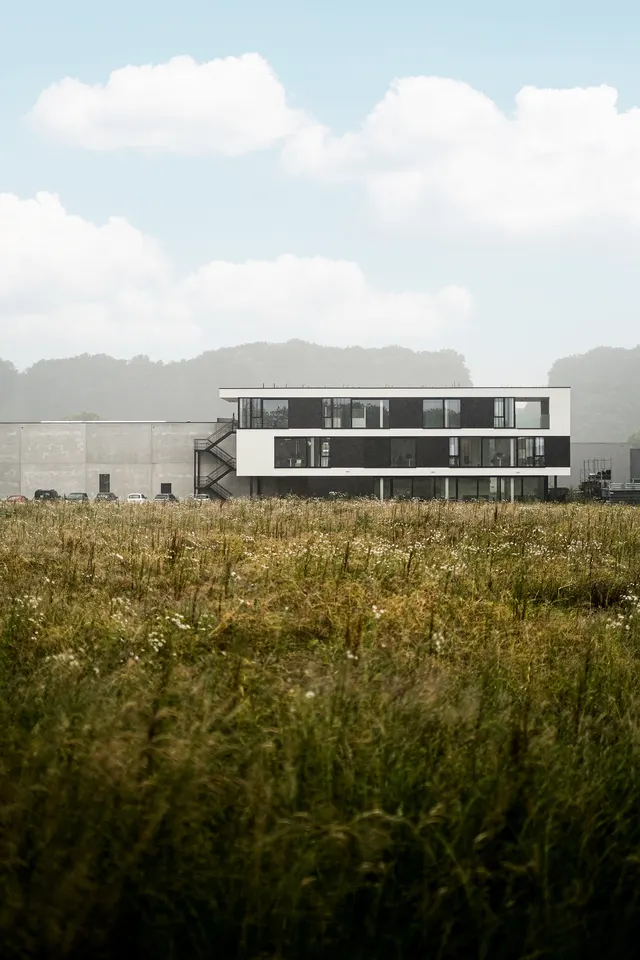
Since 2017, Hexagon has been bringing former business parks in Flanders back to life by developing high-quality commercial property and sustainable, tailor-made projects. From its office in Roeselare, the team of complementary specialists, led by Jelle Vandendriessche and Stijn Eyckmans, aims to be at the forefront of successful sustainable property projects. It does so by combining redevelopment and area development projects in attractive, strategic locations with a mix of complementary functions.
From investigation to remediation
Hexagon takes a wide range of factors into account from the outset of a project. The possible presence of soil contamination is one of them. In recent years, contaminated land has often been in the news, notably amid concerns about asbestos, PFAS and PFOS. Depending on a site’s past and current activities, a soil survey by a recognised soil expert may be required.
“When Hexagon acquires a site and assumes responsibility for its remediation, we immediately tackle the source of the contamination and minimise its negative effects,” says Hexagon director Jelle Vandendriessche. “There are three main types of pollution: air, soil and groundwater pollution. We regularly deal with the latter two. In the case of groundwater pollution, the water is pumped out and treated. For soil pollution, contaminated soil is excavated and taken to a treatment centre, where it is cleaned biologically, physicochemically or thermally.”
As a sustainable property developer, Hexagon has extensive experience in redeveloping contaminated sites: “We have the expertise to assess contamination effectively and incorporate it into a balanced development plan. We work cost-effectively, take on the risk and communicate transparently. This guarantees a win-win situation for both the seller and the surrounding area.”
Urban mining sets the tone
In Flanders, 35 per cent of waste comes from construction and demolition activities. Urban mining enables Hexagon to recover demolition waste and set the right tone from the very start of a project: “To build circularly, and thus create economic, social and environmental added value, we must take account of the existing legacy and the future opportunities presented by construction projects,” says Jelle Vandendriessche.
“We recover reusable materials from old buildings and infrastructure, then reuse them in new buildings. This conserves natural resources and makes full use of existing materials.” Urban mining clearly offers many benefits. These include lower demand for new raw materials, longer preservation of natural resources, a lower environmental impact from construction projects, less waste sent to landfill, greater energy savings and more cost-effective budgeting thanks to reclaimed materials.
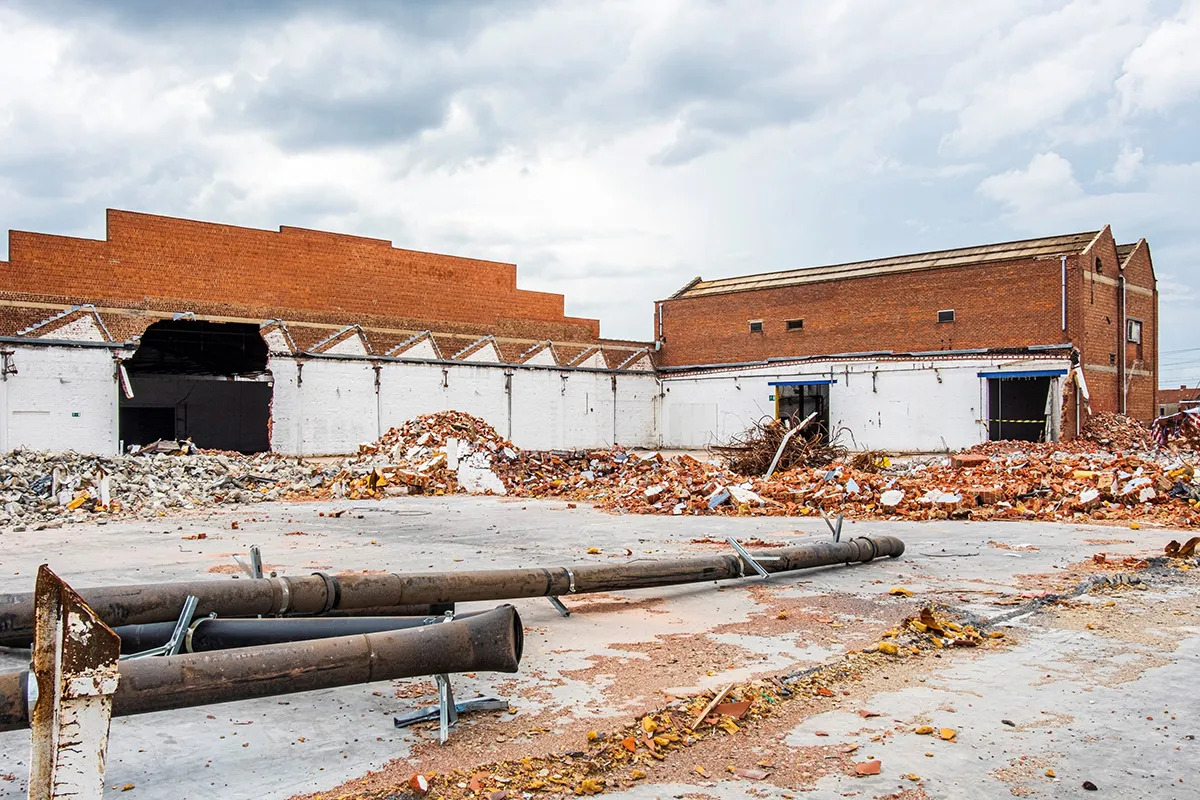
A prime example of urban mining can be found in Meulebeke. The site, where building materials specialist Intermat was based until 2023, will soon be home to Hexagon’s Bedrijvenpark Ursus. “Through our demolition contractor, BMV from Ingelmunster, the construction team found an opportunity to recover some of the demolition materials in Meulebeke. The specified Ytong panels are being carefully dismantled and cut to size on site, before being used in a new project. In this way, Hexagon is literally doing its bit for the circular economy.”
Een zakelijke vraag aan Hexagon Vastgoedontwikkeling? Get in touch
Companies in this story
Keep following this
Get an email when a new story is published. No account needed.
- ThemeEnergy security and the circular economy
- SubjectConstruction
- CompanyHexagon Vastgoedontwikkeling