Marketing and communications in times of crisis: to do or not to do?

We are being caught on the back foot. One crisis after another is leading to sky-high bills. Energy bills and wage indexation are forcing many businesses to take emergency measures, often a sign of sound business sense. “But you do need to target the right cost items,” stresses Mark Caelenberghe.
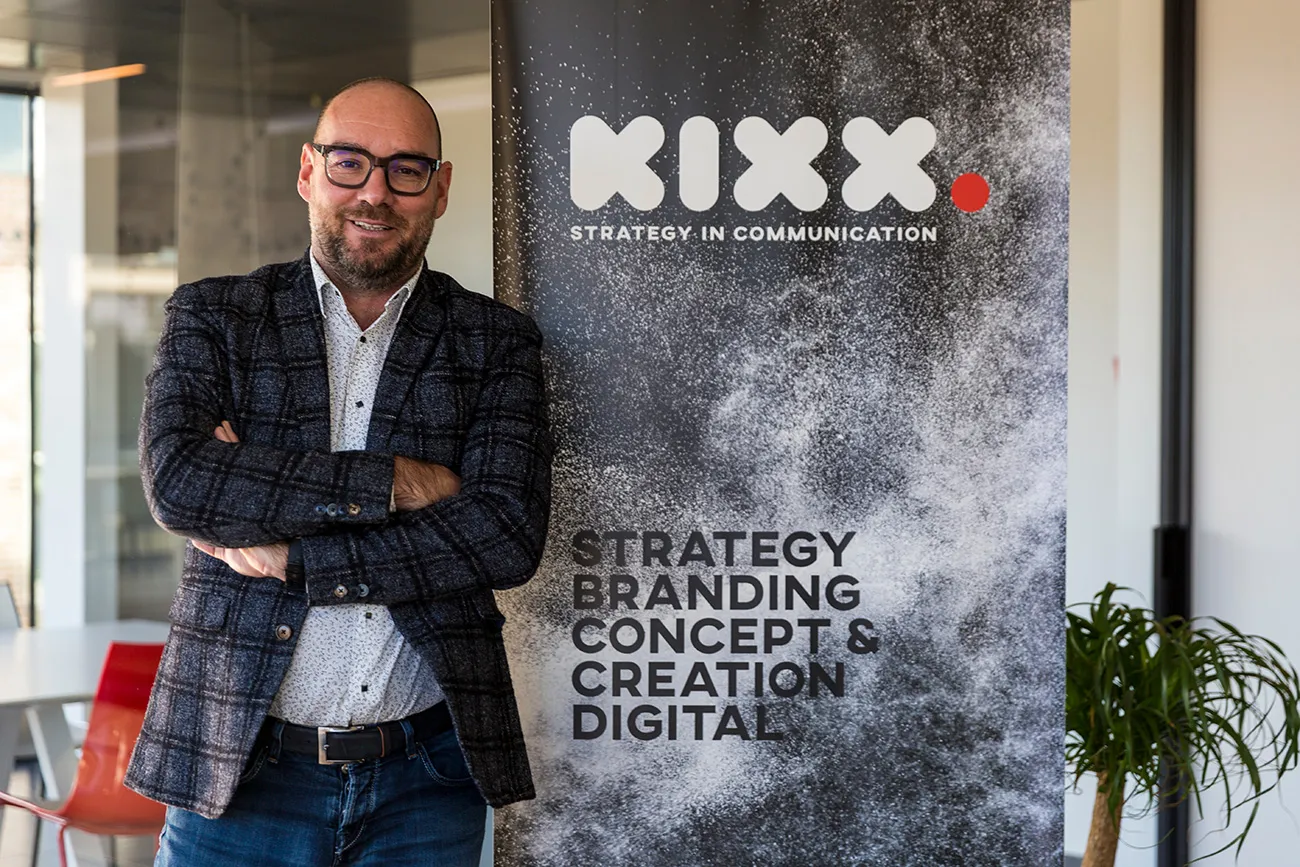
“Marketing and communications are definitely not among them. That idea has been outdated for some time, and you can usually tell when business owners start talking about ‘advertising’ instead of ‘marketing and communications’,” explains KIXX CEO Mark Caelenberghe. “Suddenly, ‘the budget for investing in potential customers’ becomes ‘those costs’. In effect, you are deciding that your business will have to start from scratch again. No crisis lasts forever. Yet you put communications and marketing on hold, literally bringing things to a standstill.”
Mindset matters
“A change in language is usually a symptom of a change in mindset: the medium term no longer seems relevant, and the business turns in on itself. That way of thinking trickles down to teams on the shop floor. And just when everyone, employees and existing customers alike, should become ambassadors, they start looking around for the nearest exit from a sinking ship. Of course, that is detrimental. Now is the time to get everyone involved in thinking things through and to rouse the marketer in every employee and customer. The future of the business is in their hands. And that is true not only in times of crisis.”
So, according to Mark Caelenberghe, the instinct to slash marketing and communications budgets across the board is misguided. “Stopping communications can never be the answer. Quite the opposite. What makes sense in times of crisis is to identify what will deliver maximum returns here and now. I’m not talking about sweeping changes. Tools such as Dux Soup, which partially automates your prospecting strategy on LinkedIn, or scheduling a series of social media posts, free up time that you can put to good use elsewhere. Focus on quick wins that drive conversions. A button in the right colour or revised copy can often make all the difference, and a CRO (Conversion Rate Optimization) report shows how relatively simple changes can quickly improve your website’s performance.”
The breathing space this creates gives you a chance to look a little further ahead again. “As a business, one of the best ways to do that is to focus on ‘evergreen content’. This timeless, valuable content is often used for Search Engine Optimization (SEO), but it is just as worthwhile to share it through other channels. It helps potential customers get to know a business, discover its website and often become returning visitors. The relationship that develops is an excellent foundation to build on.”
Unusual times
“It is a tired cliché that every crisis brings new opportunities, but as always, there is some truth to it. Be willing to take another look at things and, where appropriate, optimise them. The possibilities are endless and differ from one sector to another. Move away from what is ‘normal’: these are unusual times. Advertisers are indeed dropping out, which is driving down prices on some digital platforms, for example, giving those who launch a campaign more return. One thing is certain: when you stop communicating, and marketing is communication, you give up control of a lot and miss out on a wealth of opportunities,” concludes Mark Caelenberghe.
Een zakelijke vraag aan KIXX? Get in touch
Companies in this story
Keep following this
Get an email when a new story is published. No account needed.
- ThemeReaching and connecting with customers
- SubjectServices
- CompanyKIXX