Two new EVs you’ll soon be able to buy: Ford Capri and Skoda Elroq
Text Dieter QuartierImage Ford
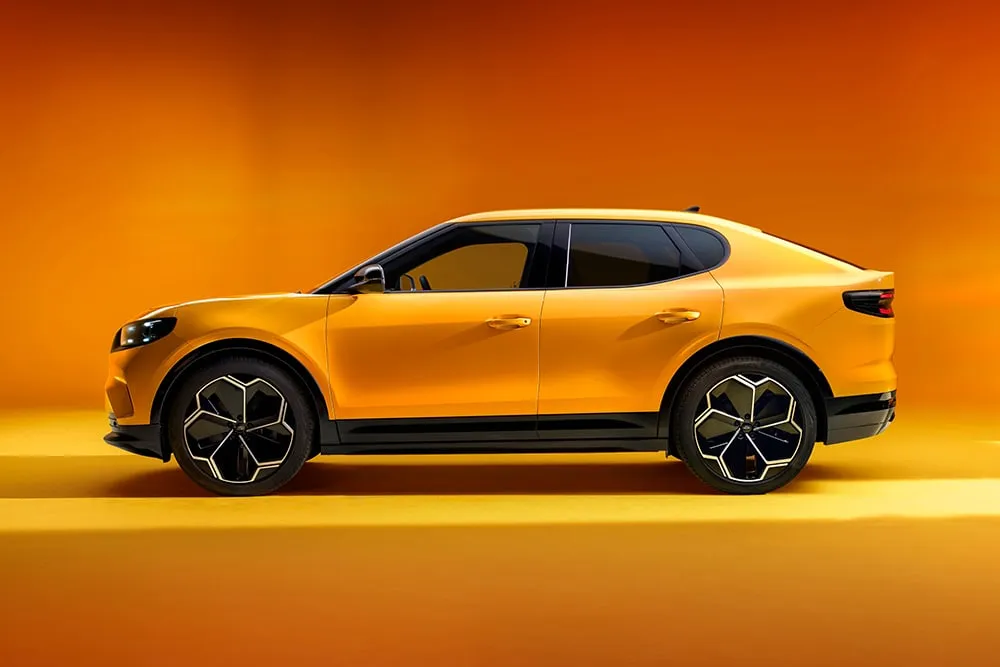
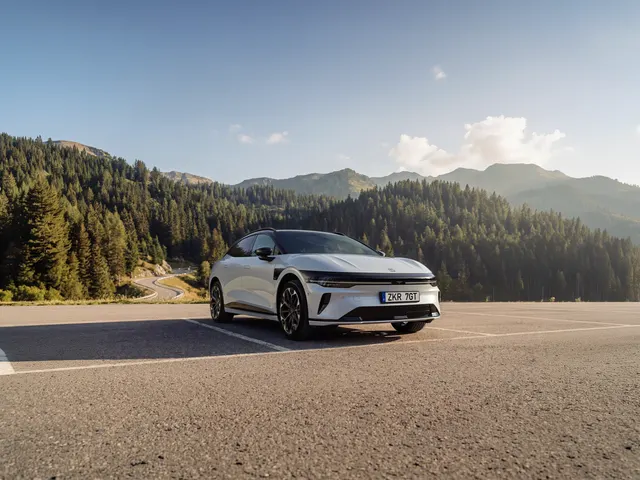
Ford’s latest creation goes by the name Capri, but this electric crossover has little in common with the glorious coupé of the 1970s. Under the skin, it is even a Volkswagen.
In the automotive world, the Capri name is inseparable from the legendary coupé launched in 1969. This much-loved ‘GT for the people’ offered affordable driving pleasure in a sleek yet practical package. Almost two million were sold across three generations. The car also enjoyed considerable success on the track, including at the Nürburgring 24 Hours.
What is the link with the electric crossover Ford has brought us? The brand is trying to convince us that it is a natural successor to the original model, which would undoubtedly have ‘naturally’ evolved into a sporty crossover had production not ended in the mid-1980s.
A copy of the Explorer
If the link is tenuous at best on the outside, there is little Capri character inside either. The interior has been lifted wholesale from the Explorer, which is based on the same VW platform. The only distinctive feature is the steering wheel, which is somehow meant to reference the original Capri.
The Capri’s powertrain line-up is no different from that of the Ford Explorer and its VW cousins that use the same platform: the ID.4 and ID.5. The range starts with the Standard Range RWD (rear-wheel drive), with a modest 52 kWh battery and 125 kW of power. Officially, it should cover 400 kilometres on a charge. The most popular version is sure to be the Extended Range RWD, with a 210 kW electric motor on the rear axle powered by a 77 kWh net battery. That gives it a WLTP range of 592 kilometres on a full charge.
Those with a taste for the finer things can opt for the Extended Range AWD, which adds a motor on the front axle to deliver a total of 250 kW to all four wheels. In this version, the battery has a capacity of 79 kWh, giving it a range of 627 kilometres. The Extended Range RWD sprints from 0 to 100 km/h in 6.4 seconds, while the Extended Range AWD shaves 1.1 seconds off that time.
Skoda Elroq: a promising addition below the Enyaq
The Elroq pitches itself as the “electric Karoq” and previews a whole host of new electric models from Skoda. It slots in below the Enyaq, with which it shares more than you might expect.
In a few months, Skoda’s electric line-up will finally expand. The Elroq (a blend of electric and Karoq) is positioned as a rival to the Kia EV3, Renault Scenic E-Tech Electric and even the Volvo EX30, although the latter actually belongs to a lower segment.
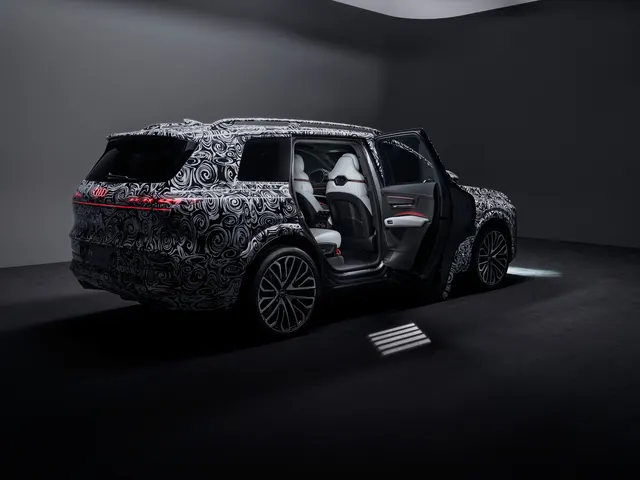
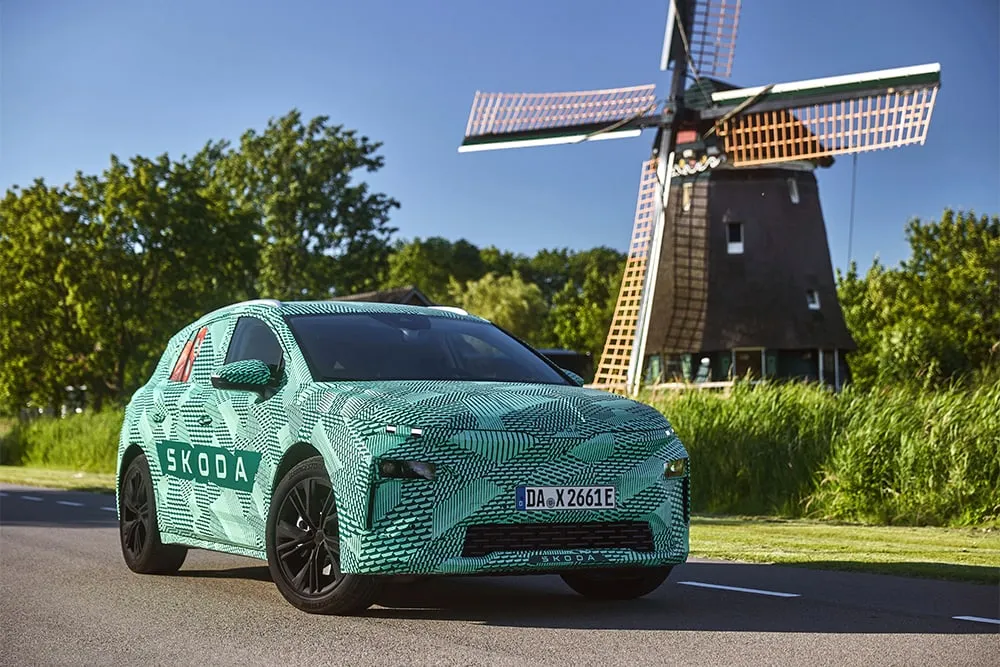
The Elroq also aims to show that Skoda stands for more than innovation and solidity: it has design flair and refinement too. We can’t show you photos of the final version just yet, but we have already seen it behind the scenes at Move, the mobility-focused exhibition and events venue next to Amsterdam’s Olympic Stadium.
A new design language
The Elroq is the first Skoda model to adopt the brand’s new Modern Solid design language. One striking feature is the so-called Tech-Deck Face, a slim, horizontal high-gloss black panel concealing the radar and front camera. The familiar radiator grille with vertical slats is gone. So is the round Skoda logo featuring the bird: it has been replaced by the brand’s five letters, applied to the bonnet in the style of Land Rover.
You might not expect it, but the Elroq and Enyaq use the same MEB platform, including the same wheelbase (2,766 mm). As a result, the Elroq offers surprisingly generous interior space for a car in this segment. The main difference is the rear overhang. At 4,488 mm, the Elroq is 16 centimetres shorter than the Enyaq (4,649 mm), yet still offers 470 litres of luggage capacity.
The driving position is naturally almost identical to that of the Enyaq. The seats also appear to have been carried over directly, which is a very good thing. The Elroq also uses more recycled materials in its interior than the Enyaq, without any apparent impact on perceived quality.
Question about this story? Ask your question
Keep following this
Get an email when a new story is published. No account needed.
- SubjectMobility