This time, Smart really hits the nail on the head
Text Dieter QuartierImage Smart
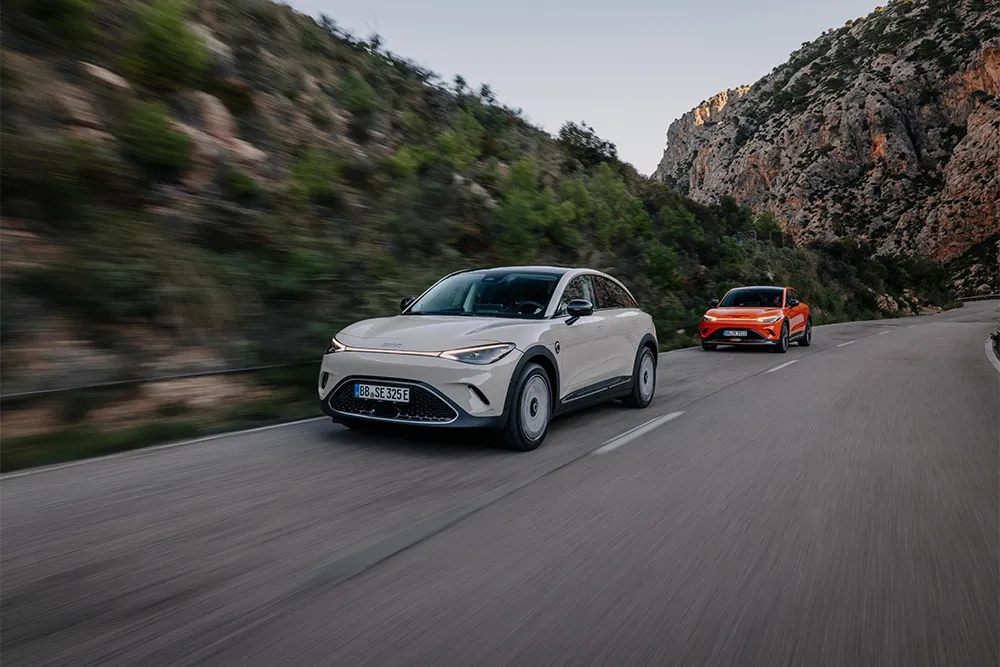
Smart returns as a German-Chinese electric car brand
Forget the quirky but not particularly successful two-seater city cars. Smart is now a joint venture between Mercedes-Benz and Chinese giant Geely, giving it the wings to become a maker of competitively priced, technically accomplished electric crossovers. Our editor puts the all-new #3 through its paces.
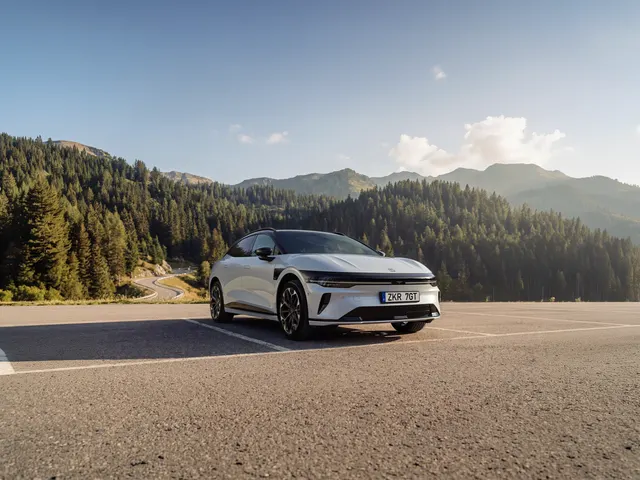
At first glance, the new “Hashtag Three” looks like it belongs to parent brand Mercedes-Benz. It is reminiscent of a futuristic coupé interpretation of the EQA, and looks set to give its Smart cousin some serious competition. After all, it is considerably cheaper. Moving production to China and sharing development costs with other Geely subsidiaries, including Volvo, helped keep costs down.
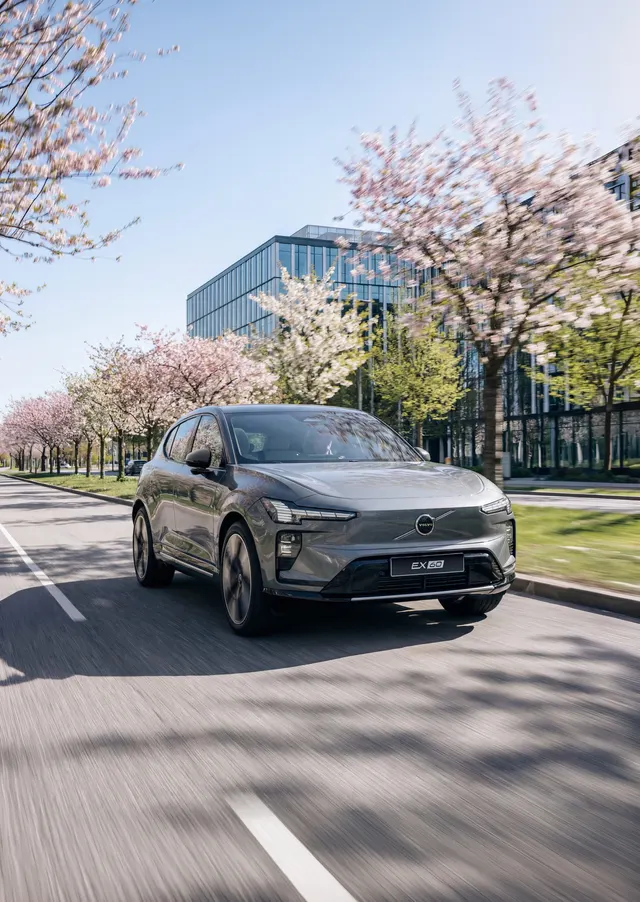
The Smart #3 shares much of its architecture with the Volvo EX30, but sits half a segment higher. It offers more interior space and a larger boot. At the same time, it has a wider stance and is aimed at drivers who enjoy a dynamic drive. To that end, it also benefits from a fairly sporty suspension set-up, while retaining enough damping travel to cope with uneven surfaces.
Attractive with fresh-looking trim
One foot of Smart is in Germany, the other in China. As well as the benefits of scale and lower costs, this brings another major advantage. Smart was able to start with a clean slate, meaning it was not tied to a deeply entrenched European supply chain and could let loose with the interior and infotainment, too. No MBUX or all-round austerity here, but a bespoke software platform and a touch of playfulness.
The dashboard’s horizontal lines create a sense of space, and both the materials and build quality are impressive. Smart doesn’t need to be told how to put cars together without rattles or squeaks. The whole thing feels very solid, Mercedes-solid. The brand’s trademark playfulness is most evident in the infotainment system, which excels in speed, functionality, ease of use and graphics.
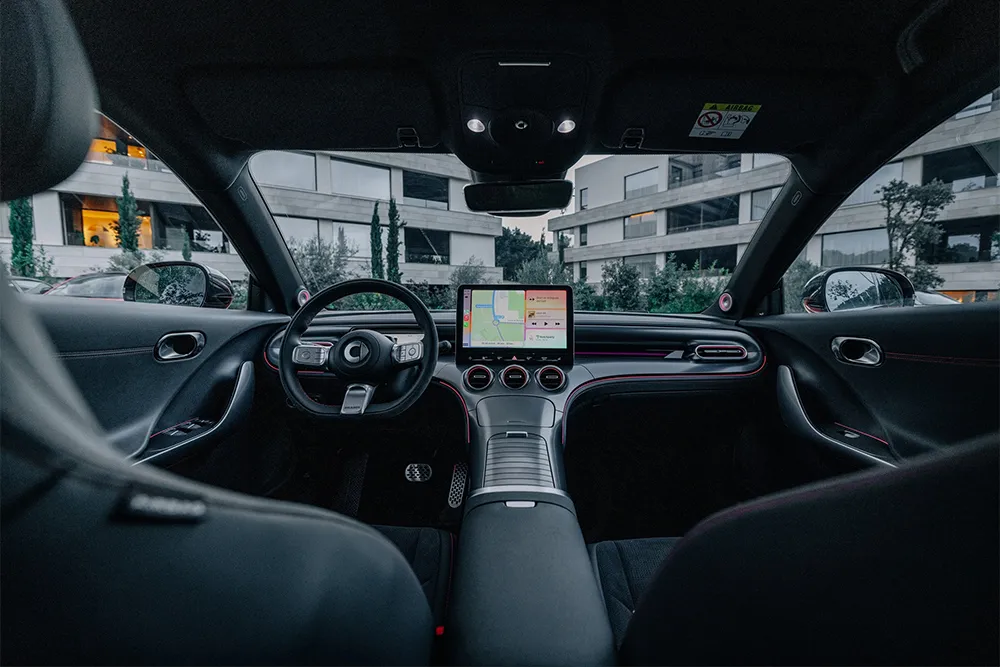
Impressive but distracting infotainment
We can only praise the human-machine interface, but there is no denying that the large screen often distracts you. Almost all the functions are controlled through it, so you regularly have to shift your attention from the road to the centre console. The attention monitor was therefore all too often telling us off, like a stern schoolteacher into the bargain.
The same goes for the many driver assistance systems, which are set very conservatively and can therefore be frustrating. If you want to switch them off, you have to do so one by one via the display. Another point of criticism is the voice assistant. It is supposed to let you operate the car more safely, but the virtual lady is all too often left completely baffled.
Quick and efficient
The most popular version in the #3 range is bound to be the Pro+, which combines the standard motor with a larger battery. It offers the best balance of price, equipment and range. With 200 kW of instant power, it reaches 100 km/h in just 5.8 seconds. Too much of a good thing? Unfortunately, there is no less powerful version made in China.
Our average consumption of 16.8 kWh/100 km was spot on the official figure. Combine that with a net battery capacity of 62 kWh and you get a WLTP range of 435 kilometres. A major advantage is that this #3 comes with 22 kW AC charging as standard, provided the charging point can supply that much power, of course. It can fast-charge at 150 kW, an above-average figure.
Above average is also an apt conclusion for this test, except when it comes to the price, which is very competitive.
Question about this story? Ask your question
In this story
- PowertrainElektrisch
- System output200 kW (272 pk)
- TransmissionAchterwielen
- Electric range435 km (WLTP)
- Test consumption16,8 kWh/100 km
- Charging (AC/DC)22 kW/150 kW
- Starting price€ 43.495
Keep following this
Get an email when a new story is published. No account needed.
- SubjectMobility