New car tax rules: those who act quickly will win

Tax benefits for company cars with internal combustion engines will be gradually phased out from 1 July 2023. In 2026, they will be gone for good. It is high time for companies to take a critical look at their fleets. Those who start going green today may avoid a long queue later.
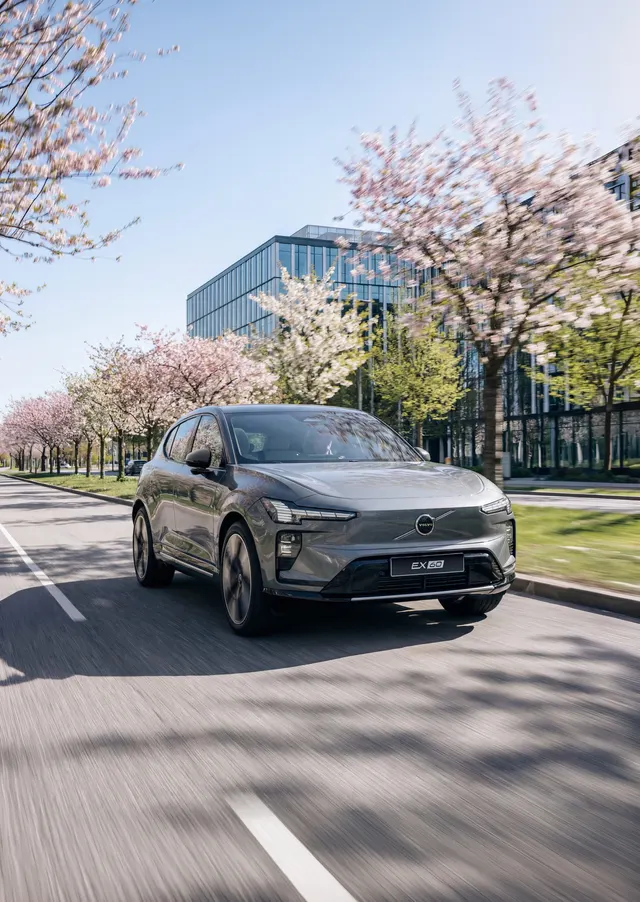
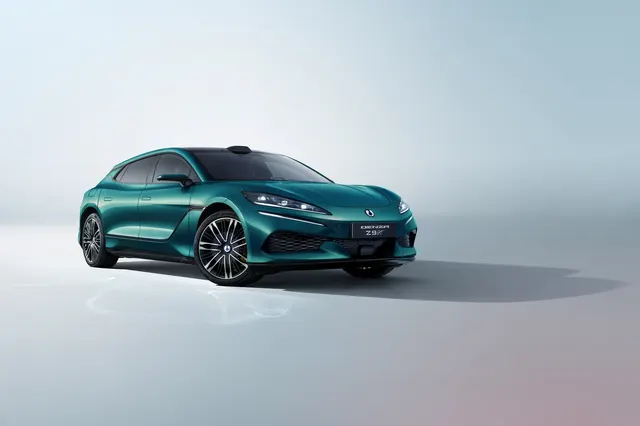
The federal government aims to make Belgium’s entire company car fleet significantly greener. That is why tax benefits for conventional company cars will be gradually cut back from 1 July 2023. Hybrid cars are included. From 2026, only vehicles with zero CO2 emissions will qualify for tax relief. If you want to make a smooth transition to an electric fleet, you would be wise to get started today.
Vehicle shortages
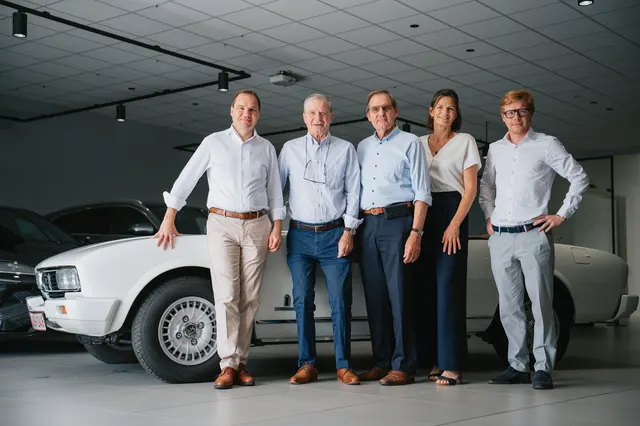
“First of all, production of electric cars remains limited compared with conventional company cars,” says Kristof De Backer, managing director at leasing company MHC Mobility Belgium. “At the same time, there is a serious shortage of semiconductors. The war in Ukraine is also creating further uncertainty. Many carmakers have production sites there that are now idle. Waiting times will soon start to increase as a result.”
What about before 2023?
Anyone who orders a conventional company car before 1 July 2023 will continue to benefit from the current tax rules. But is that still a sensible choice? “For those who cover a lot of kilometres, a company car with an internal combustion engine can still be an interesting option. But first, you need to analyse the fleet and driving habits,” De Backer says. Even so, he agrees that gradually going green is the only way forward.
Making a smart transition
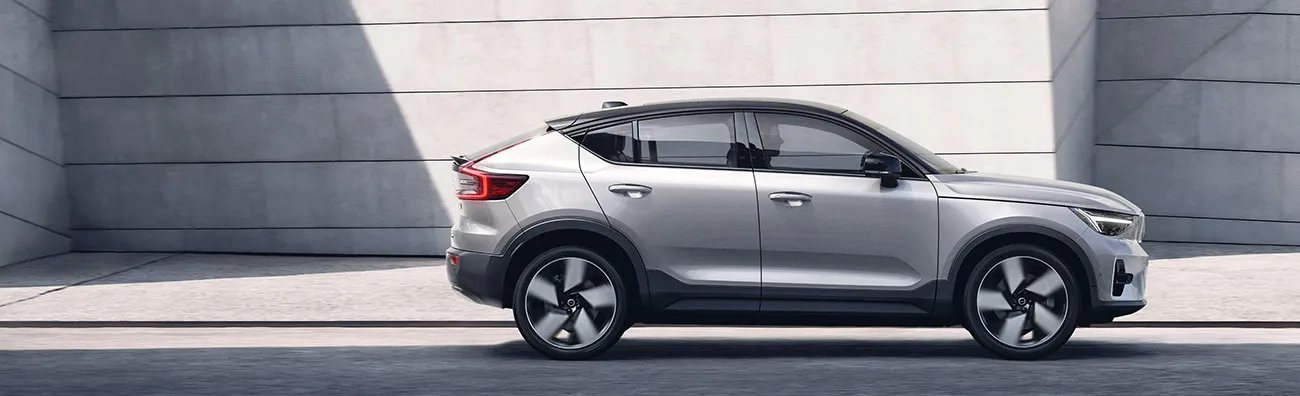
“Together with our customers, we look at how to make the transition to a fully electric fleet as quickly, smoothly and efficiently as possible,” says De Backer. “At the same time, we try to remove every obstacle. We install the charging stations ourselves and set up a system to reimburse electricity costs … Customers who want to go on a motoring holiday can even temporarily swap their electric vehicle for a car with an internal combustion engine.”
The need for flexible mobility
Alongside electrifying their fleets, companies also face other mobility challenges. “Flexible mobility has increasingly become the norm. That is why we are focusing on developing alternative transport solutions and ‘mobility as a service’. Think of an eco-friendly leased car combined with a mobility budget, or a Last Mile Solution such as a (electric) bicycle, e-step or e-scooter,” says De Backer.
A European success story
MHC Mobility has been going from strength to strength since 2016. At the time, it was the small leasing player Mobilease, which kept growing and partnered with Japan’s MHC Mobility in 2019. Since then, it has also been making inroads into the European market. At the same time, the company has retained its local character and dynamism. “With a transparent approach and flexible solutions, we are already giving our partners a taste of the mobility of tomorrow,” De Backer concludes.
Question about this story? Ask your question
Companies in this story
Keep following this
Get an email when a new story is published. No account needed.
- ThemeFinancial and legal decisions
- SubjectMobility
- CompanyMHC Mobility