More and more companies are choosing electric cars
“Sustainability is no empty concept, and our customers feel that”
Family business Volvo Automobilia, with roots in West Flanders, is seeing its business customers switch to electric vehicles at an increasingly rapid pace. Tax benefits are not the only important factor: the overall cost also works out lower. “Over the past three years, the purchase price of an electric car has risen more slowly than that of cars with combustion engines. It really is an investment in the future,” say the management team at Automobilia.
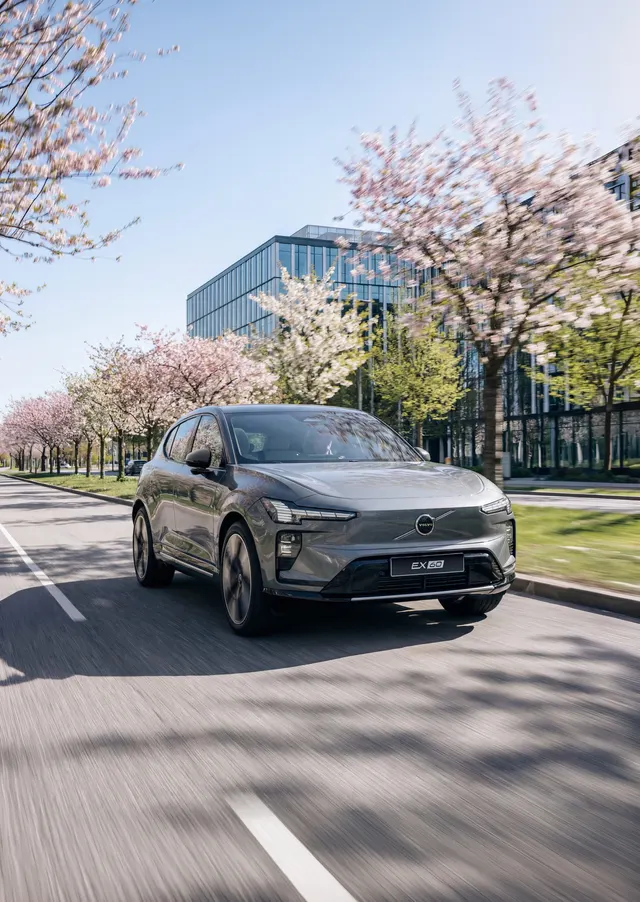
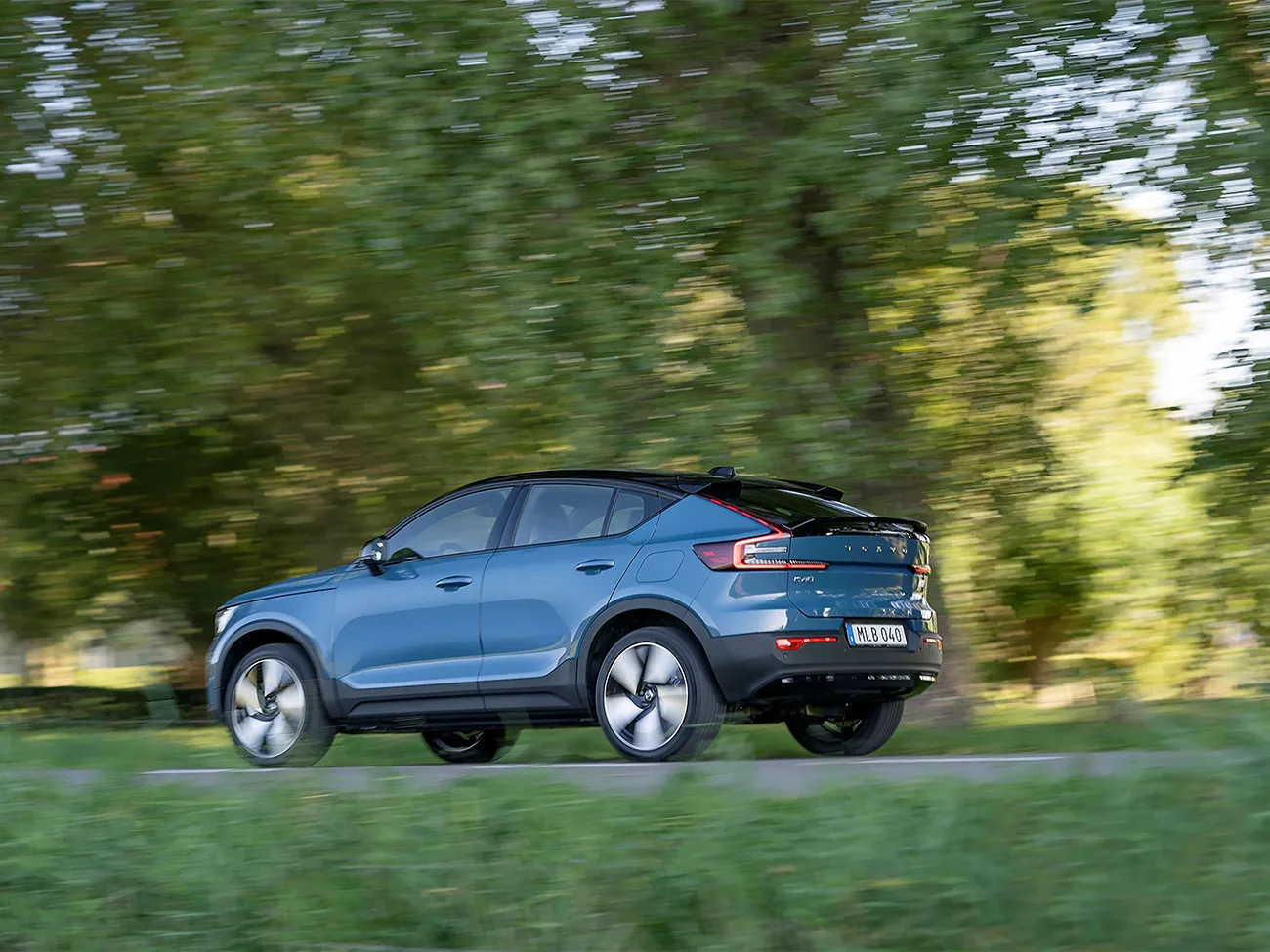
For more than sixty years, Automobilia has been a privileged partner and dealer of Volvo. The car brand has a clear vision of a climate-neutral future, and this is reflected in its range. “Volvo is the brand that leads the way on sustainability. By 2030, it will produce only fully electric cars. What’s more, we are one of the few brands to offer all our models as plug-in hybrids. Our flagship, the XC40, is a big hit in both hybrid and fully electric form,” says Maria Mortier, who runs the Automobilia group alongside her husband Christ Soete, their 4 children and their partners.
A few years ago, companies were still tentatively switching to plug-in hybrids. Now they are increasingly opting for electric vehicles. “More than 80% of our new company cars sold are hybrid or fully electric, and a quarter of those are 100% electric. So it seems the initial reluctance has disappeared. What’s more, many organisations have revised their fleet policies to favour electric vehicles.”
More driving comfort, lower costs
This trend is not only good for the planet, electric driving also brings other benefits. “Many drivers have now discovered how comfortable electric driving can be. They are often convinced after just one test drive. Drivers are, for example, surprised by how quiet the motor is, making for a unique musical experience in the car and smoother phone conversations.”
The overall cost of an electric company car is also becoming more attractive. “Research shows that the average list price of an electric company car is 15,000 euros higher than that of its counterpart with a conventional combustion engine. But many companies are now also looking at the total cost over the entire period of use (‘total cost of ownership’). They take into account running costs, taxes and tax deductibility. Simulations clearly show that an electric vehicle can hold its own against a car with a combustion engine, and more than that.”
There are two important points to bear in mind: the CO2 contribution for cars with combustion engines will continue to rise in the coming years, and the second-hand value of an electric car has increased considerably. “The latter has a positive effect on the lease price. As a result, electric driving always works out cheaper thanks to low running costs, even with electricity prices having risen,” Maria Mortier continues.
Charging points bring additional tax benefits
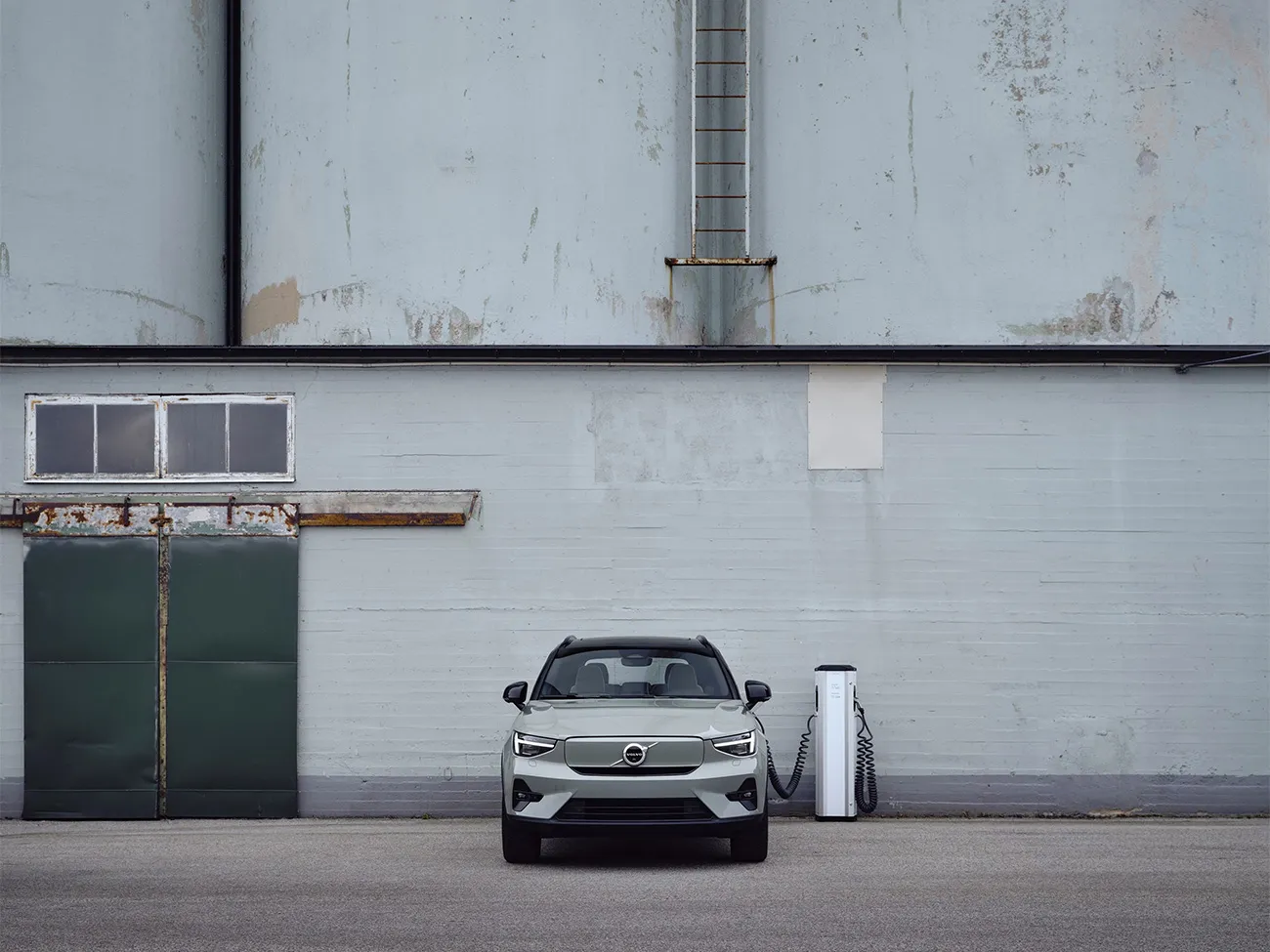
The government is also taking steps to encourage electric driving, by removing the last remaining obstacle: the need for additional charging infrastructure. “Although more charging points are urgently needed, this should not stop companies from making the switch now. There are also tax benefits for installing publicly accessible charging points on your own premises. For example, all costs are 200% tax-deductible until the end of 2022. We will lead by example by installing additional charging points at our own sites, powered by electricity from our own solar panels. The Bruges site will be the first,” concludes Maria Mortier.
Question about this story? Ask your question
Keep following this
Get an email when a new story is published. No account needed.
- SubjectMobility