“If you fail to think about mobility, you put yourself out of the running”
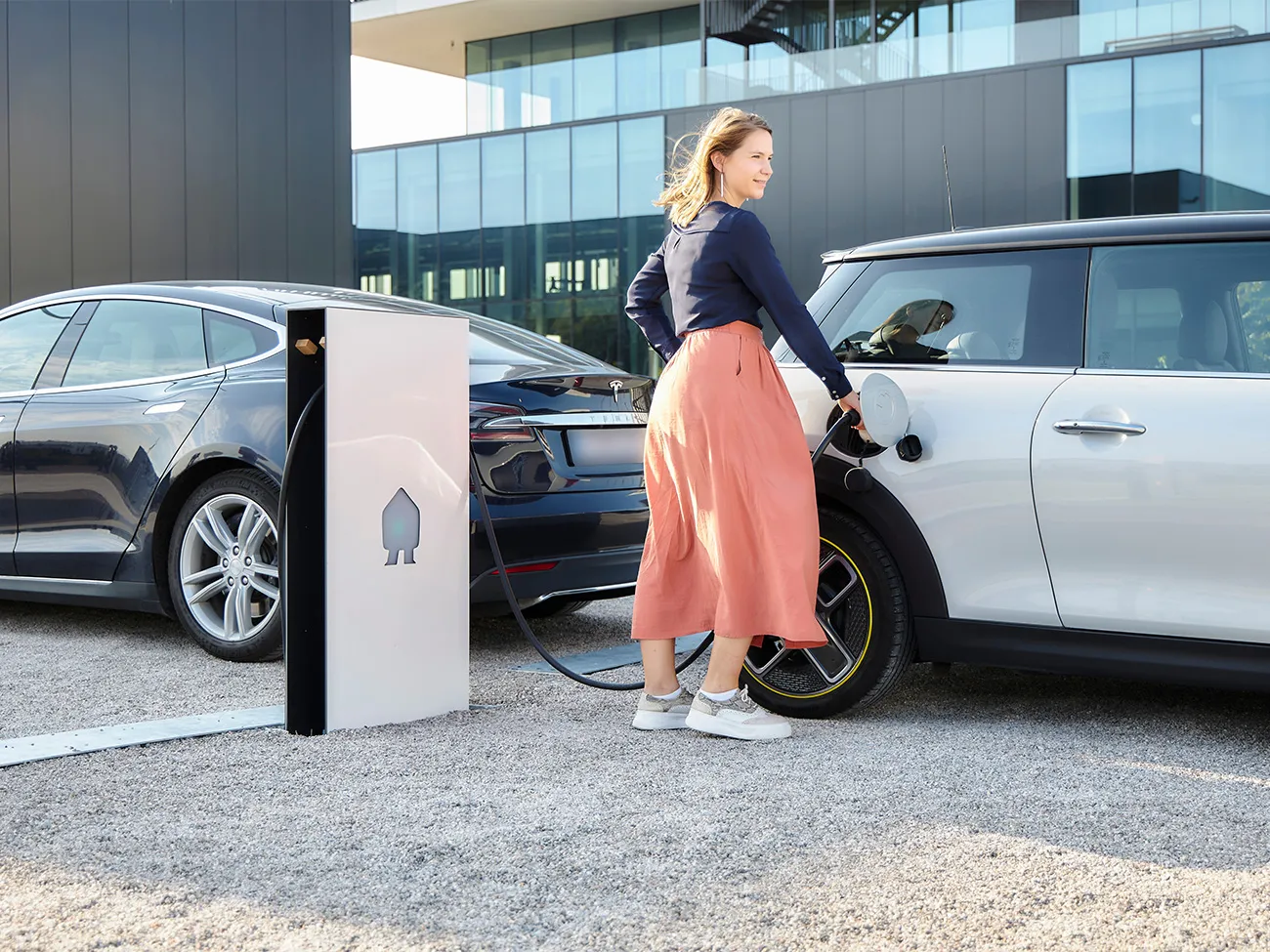
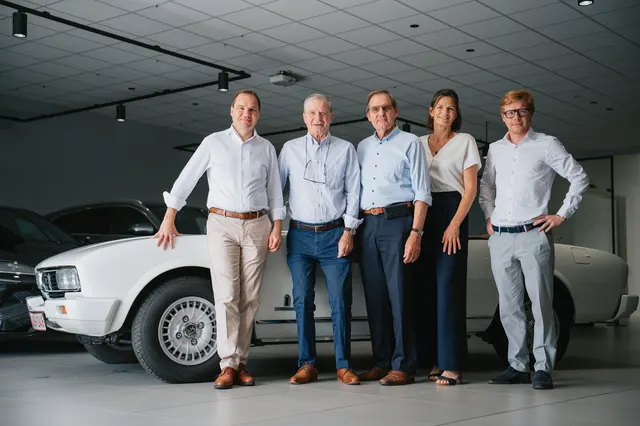
Our mobility will undergo major changes in the years ahead. From 2029, Flanders will allow only new electric cars. Earlier, taxation of company cars was also overhauled to encourage the greening of the vehicle fleet. Greener commuting is a top priority for many companies. We asked three experts from the sector how they see corporate mobility evolving: Vincent Meerschaert of consultancy Traject, Guy Hannosette of Vancia Car Lease and Stefan Grosjean of Smappee, which develops smart charging stations.
Experts round the table on sustainable corporate mobility
Consultancy Traject was founded in 1992 and specialises in mobility advice for companies and public authorities. “We’re seeing mobility become a hot topic for companies. There has been a real acceleration over the past five years,” says general manager Vincent Meerschaert. “10 years ago, only large organisations such as Colruyt or Fluvius, or companies with a consciously green image such as Ecover, had a well-developed mobility policy.”
Today, companies can no longer afford to be without a mobility strategy. “It’s a must-have, because mobility is closely linked to your appeal as an employer. A new generation is entering the labour market, and they are much less inclined to commute. Companies therefore need to take a strategic view of mobility: where should we locate to ensure we are easily accessible to (potential) employees? How will we remunerate our employees, and what role will mobility solutions play in that package? What impact will electric company cars have on finance and facilities, and so on?”

The company car is here to stay
Company cars have long been a way to attract talent in the war for talent. But needs are changing, partly because of the country’s chronic traffic congestion. More and more employees want the flexibility to organise their commute, sometimes by car, sometimes by public transport or electric bike. The legislator has tried to address this by introducing the mobility budget or cafeteria plan.
“We’re seeing our clients take a broader view,” says Guy Hannosette of leasing company Vancia Car Lease. “They no longer want just a company car, but also electric bikes or even charging stations included in a lease contract. But let’s call a spade a spade: the car will remain an important part of remuneration policy in the future, because employees need it for personal journeys and leisure too.”
The continued importance of the company car is also reflected in Vancia Car Lease’s growth over the past two years. “Despite the coronavirus pandemic, with more homeworking and a temporary slowdown in recruitment, we continued to grow. Our clients have therefore kept investing in vehicles for their employees. We’re even expecting double-digit growth in 2021.”
No other country applies the company car system as extensively as Belgium. The reason, of course, is the high tax burden on labour. Vincent Meerschaert: “For both employers and employees, a company car is more advantageous than an equivalent pay rise. That makes it a no-brainer for most people when they’re offered a company car. But we’re seeing some trends: candidates now look at what comes on top of the car and how flexibly they can organise their journeys. In addition, especially in urban areas, more applicants are looking for ‘something else’ instead of a company car. Companies will therefore need to be more creative and develop a broad range of mobility options. Those that fail to do so will put themselves out of the running.”

Tax incentives are hitting their target
Another dynamic is also at play: climate targets. To reduce CO2 emissions from the vehicle fleet, governments are aiming to accelerate the electrification of company cars. “The changes to taxation are indeed prompting companies to choose hybrid or electric cars,” confirms Guy Hannosette. “It’s also the first time we’ve had a longer-term tax outlook for company cars. Regulations used to change all the time, but for the past year and a half we’ve had a clear framework setting out what will change in 2023, 2025 and 2026. This allows our clients to green their fleets in a structured, gradual way.”
The results speak for themselves: around a third of company cars in Belgium are now electric or hybrid. “That’s thanks to the tax incentives, but also to the much wider choice of electric cars available now compared with two years ago. Clients are quite willing to switch to greener cars, but if a car costs an extra 500 euros a year, they hesitate again. That’s why we’re paying much more attention to the total cost over the term of the lease. The calculations are complex, and I sometimes feel like a real apostle on this subject,” says Hannosette.
At Traject, Vincent Meerschaert has also noticed companies embracing electric cars: “We get a lot of questions about them. We advocate looking in detail at the total cost of mobility. That means not just the TCO of electric company cars, but also the costs of parking spaces, charging stations and a larger mobility budget … Understanding the full cost picture and the return on investment over time helps companies make better decisions for a sustainable mobility policy.”
Smart mobility calls for smart charging stations
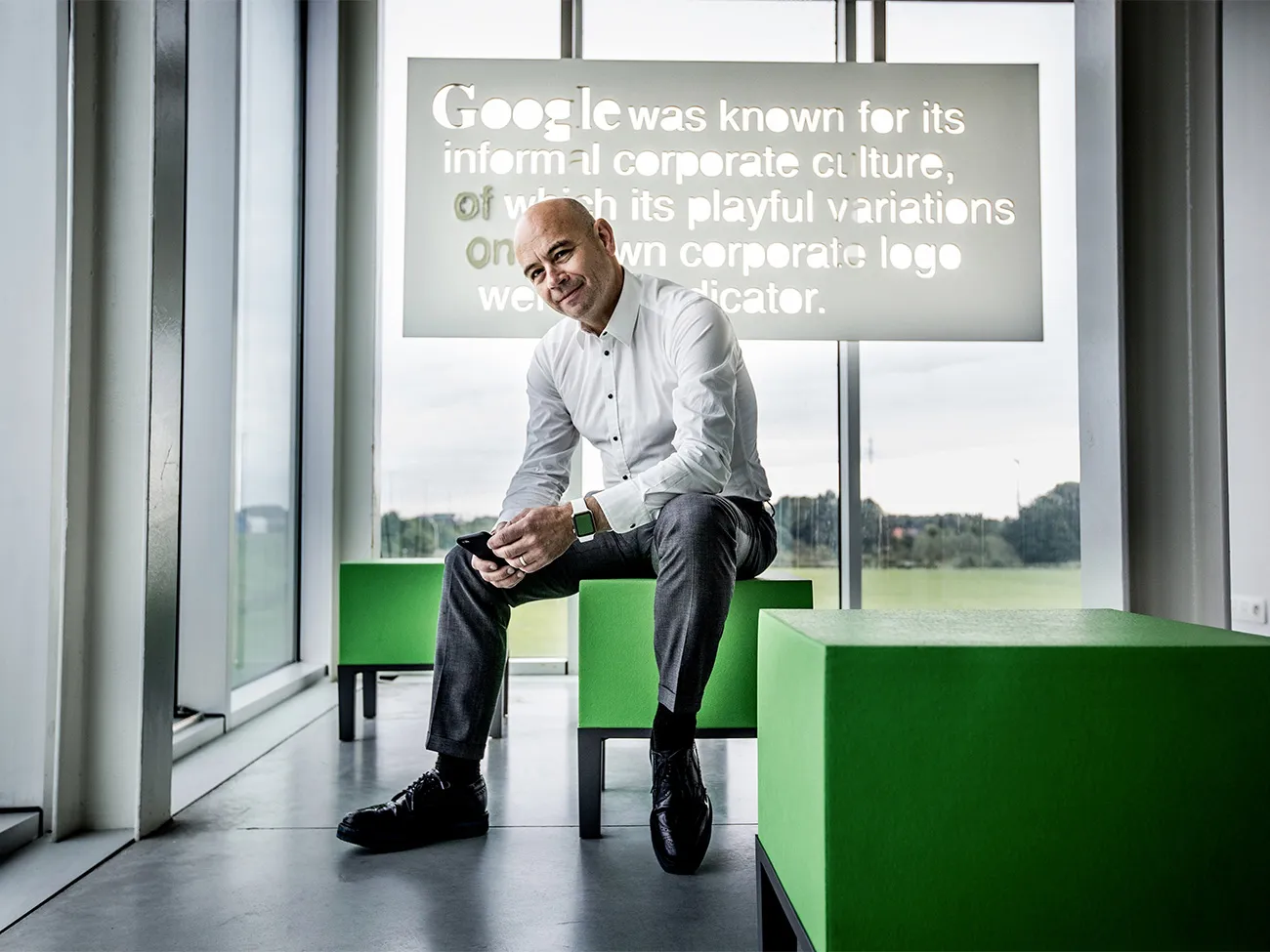
Switching to electric driving is one thing, but making sure cars are charged when needed is just as important. “We need to make a major effort to introduce intelligent charging for electric cars,” says Stefan Grosjean of Smappee. His company developed energy-monitoring technology and has also been supplying smart charging stations since last year. “We mustn’t forget that the surge in electric driving will put our energy system under pressure if everyone plugs in their car at the same time. We need to optimise charging and make use of the right moments to charge the battery.”
Smart technology offers ways to do this, but we will have to learn to travel differently. “Today, an average electric car can easily cover 250 to 300 kilometres. So you’ll drive for a while and then stop briefly for a rapid charge,” says Grosjean. “If you’re charging at home and clouds pass over, charging can be a little slower than when the sun is shining, so you make maximum use of the available green electricity. Data-driven systems using artificial intelligence are ideally suited to this.”
Guy Hannosette: “Electric driving must go hand in hand with widely available charging infrastructure, both at work and at home. Otherwise, the whole picture doesn’t add up and we’ll literally and figuratively get stuck. There’s still work to be done in this area. There are too few public charging stations, and there are also around thirty providers, each with their own charging card. A unified system would be a major step forward.”
Belgium is indeed lagging behind when it comes to charging infrastructure. The Flemish government is supporting a number of projects, but Stefan Grosjean sees the greatest potential in making charging stations installed on company premises available to others: “Companies with solar panels and the right electrical installation can develop a charging park. They’ll receive much more for the electricity they supply to electric cars than if they feed it into the grid. It could even become a new business model.”
Vincent Meerschaert sees other advantages too: “Companies that invest in sustainable mobility, solar panels or wind energy and try to make a difference in this way become even more attractive, not only to potential employees but also to their customers.”
Question about this story? Ask your question
Keep following this
Get an email when a new story is published. No account needed.
- ThemeFinancial and legal decisions
- SubjectMobility