Electrification is the norm
Four new models, in showrooms tomorrow
From city car to large SUV, almost every car launched today features an electric motor, either on its own or in combination with a petrol engine. These newcomers are set to become a common sight on our roads, particularly as tax-efficient company cars.
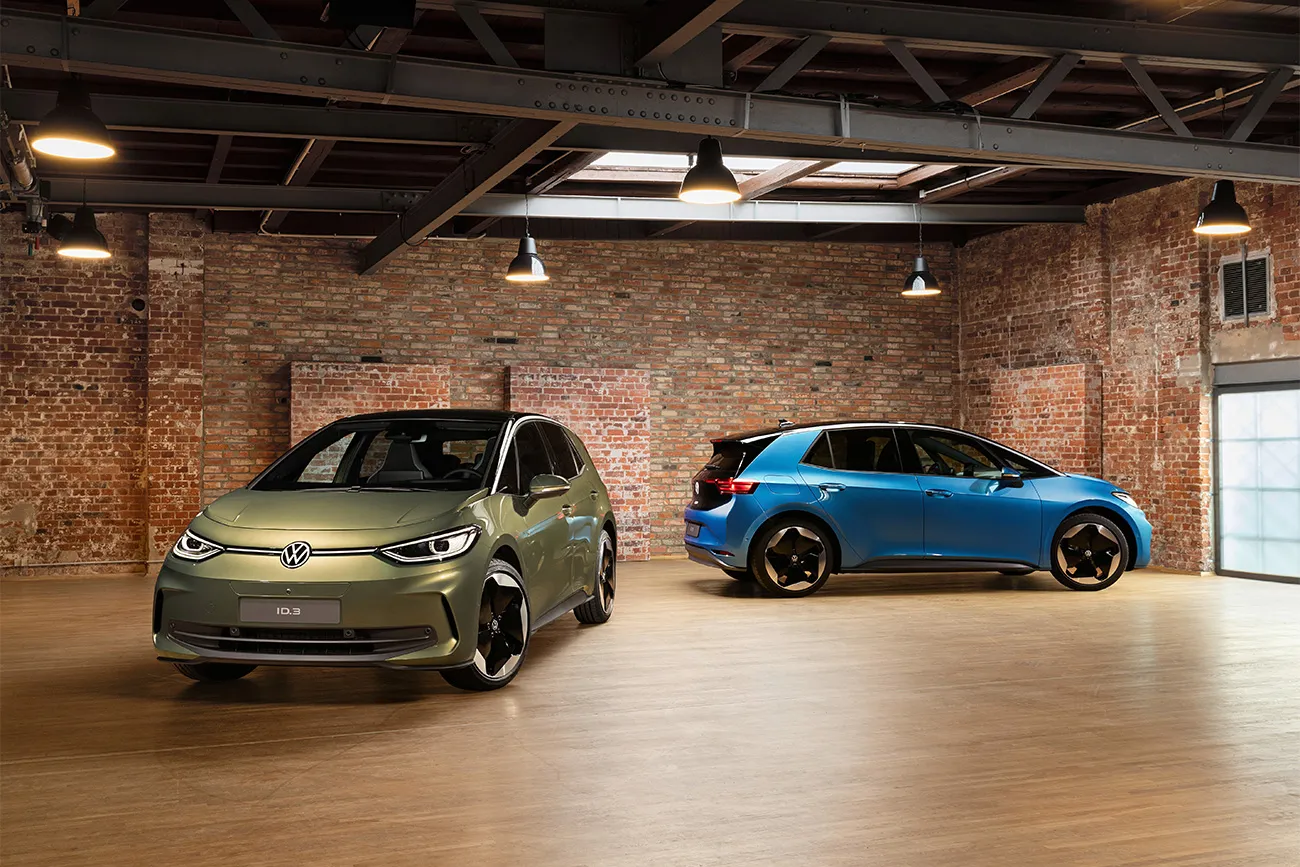
VW ID.3: improved interior and new features
Volkswagen has taken feedback from the press and the public on board. The subtly redesigned ID.3 now features higher-quality plastics inside, most of which are also made from recycled materials. Plug&Charge is also making its debut. The car can now communicate automatically with the charging station as soon as the cable is plugged in, so charging starts by itself.
VW is also introducing an intelligent Electric Vehicle Route Planner. On longer journeys, it takes potential charging stops into account to get you to your destination as quickly as possible. It uses live traffic information and forecasts, as well as the battery’s state of charge. The updated ID.3’s motors, batteries and charging options remain unchanged. A few new colours are being added, however. Volkswagen’s updated electric hatchback can be ordered from April.
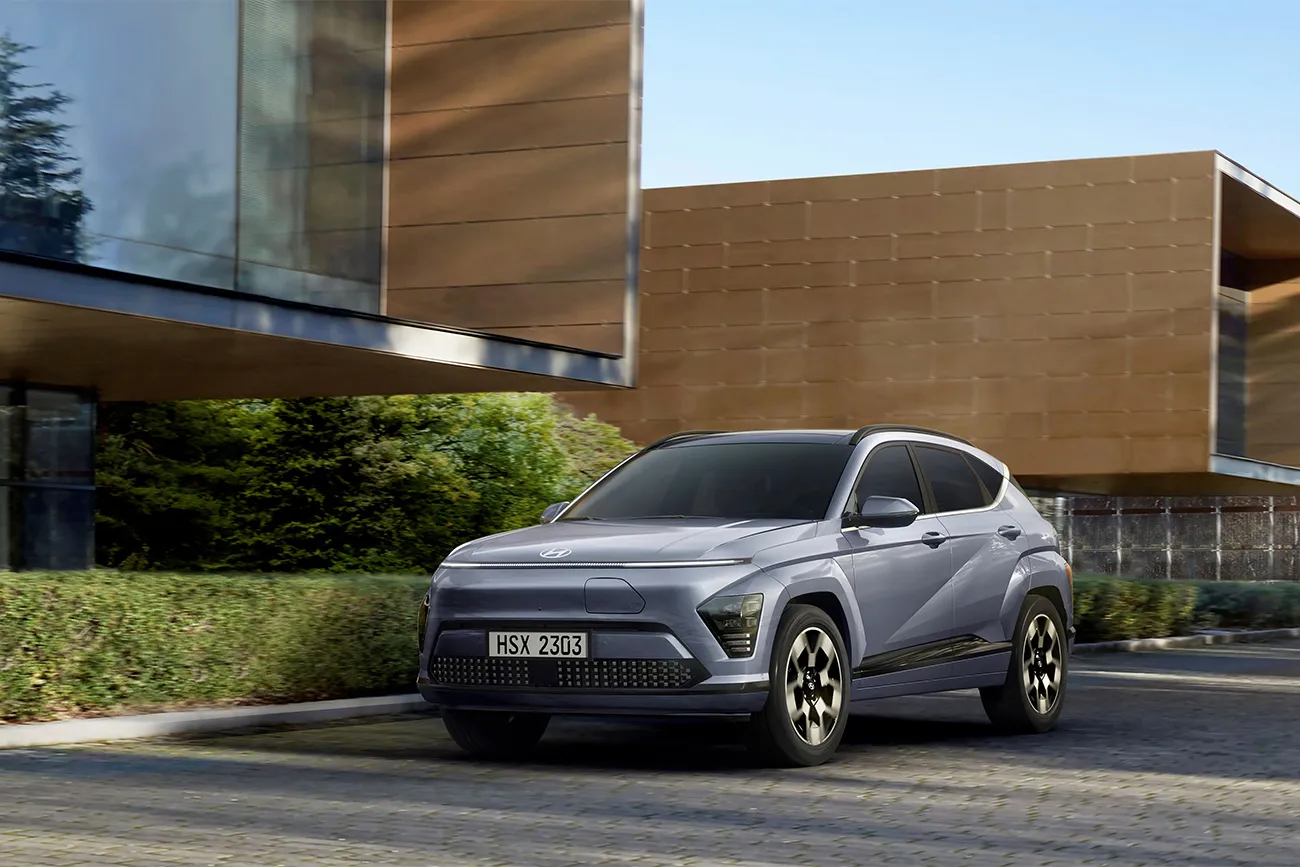
Hyundai Kona Electric: range record-holder in its segment
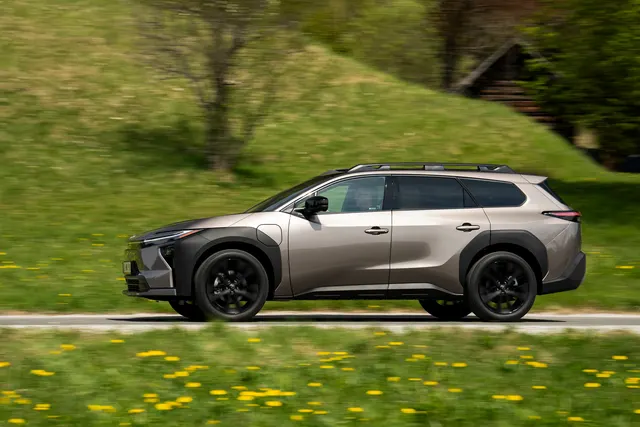
The new electric Hyundai Kona combines intelligent energy recuperation with a drag coefficient of 0.27 to deliver the best range in its category: it can travel 490 kilometres on a full battery. This compact crossover has plenty more to keep EV drivers happy. Its battery preconditioning enables faster charging and helps maintain optimum range in winter.
The genuinely unique V2L (Vehicle-to-Load) function lets the Kona power or charge any device. For example, while driving you can plug your laptop or tablet into the standard socket at the back of the centre console. You can also use the Kona as a power source when it is parked. An open-air cinema in a remote meadow? A picnic with air-fried snacks at the edge of the forest? The possibilities are endless.
Peugeot 508: a new nose and an entry-level hybrid
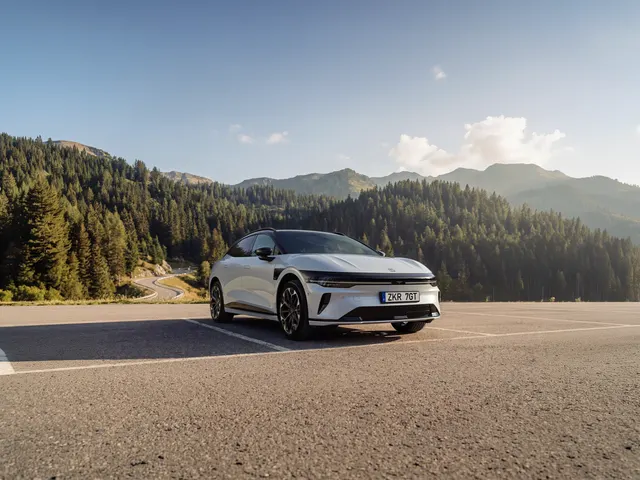
Peugeot is giving its flagship, now five years old, a facelift. The 508 gets a new grille, and the brand’s signature ‘fangs’ are now made up of two sets of three LED strips extending from the matrix LED headlights. Interior updates are more discreet. The 10-inch infotainment screen runs new software, and the automatic gear selector has been replaced by a small switch.
The Peugeot 508 plug-in hybrid range is being expanded with an entry-level 180 hp version. It is technically identical to the existing 225 hp version. At the other end of the spectrum is the Peugeot Sport Engineered variant. It retains its plug-in hybrid powertrain with all-wheel drive and a total output of 360 hp. The new 508 goes on sale in June.
Range Rover Velar: more electric range, refined interior
Range Rover’s mid-sized SUV is also due for a mid-life refresh. It takes a keen eye to spot the exterior changes: beyond new lighting technology and a bulkier rear bumper, the facelift has little to offer. The evolution is much more striking inside. The dashboard is now dominated by a single 11.4-inch freestanding screen with curved glass, replacing two separate integrated displays.
The technical changes are focused mainly on the plug-in hybrid Velar P400e. It retains its 300 hp 2.0-litre four-cylinder engine and 105 kW (143 hp) electric motor, but gets a significantly larger battery. The battery now has an energy capacity of 19.2 kWh, up from 13.6 kWh, increasing the zero-emission range from 53 to 64 kilometres and bringing standard emissions down to 38 g/km.
Question about this story? Ask your question
Keep following this
Get an email when a new story is published. No account needed.
- SubjectMobility