“Digital prospecting still ends with a purchase in our showroom”
Text Anse KeisseImage de Schaetzen
Why car dealers remain indispensable in the age of e-commerce
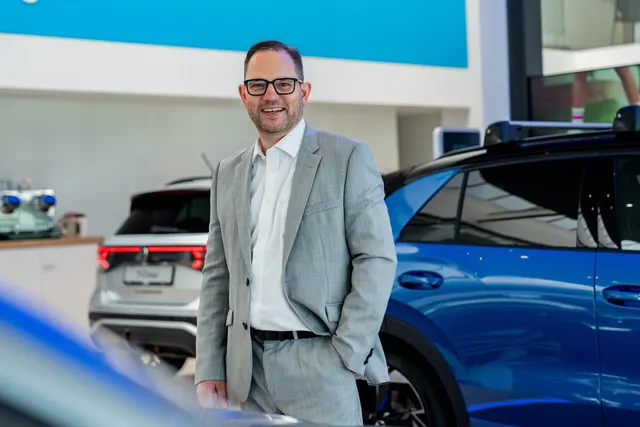
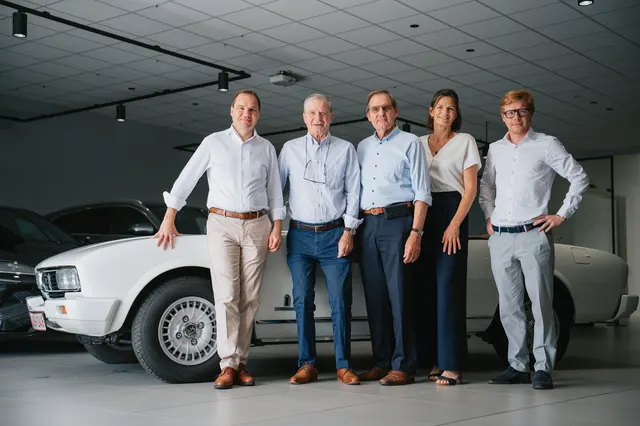
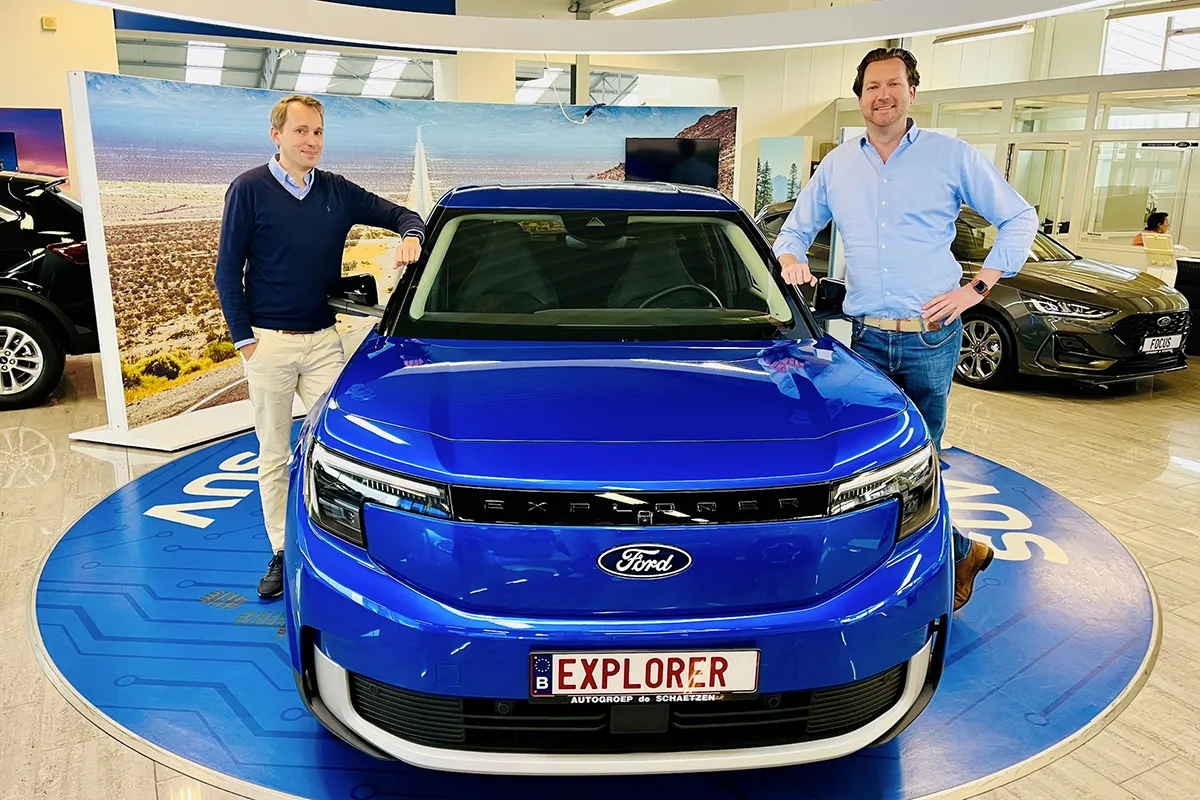
Autogroep de Schaetzen has been a trusted name in Limburg for more than seven decades. What began as a modest Ford garage in Hasselt in 1953 has grown into a versatile automotive group with seven branches and more than a hundred employees. Despite this growth, the family character of the business remains central. “Our values are still the same as they were 75 years ago,” says Christophe de Schaetzen, who now leads the group alongside his father Patrick.
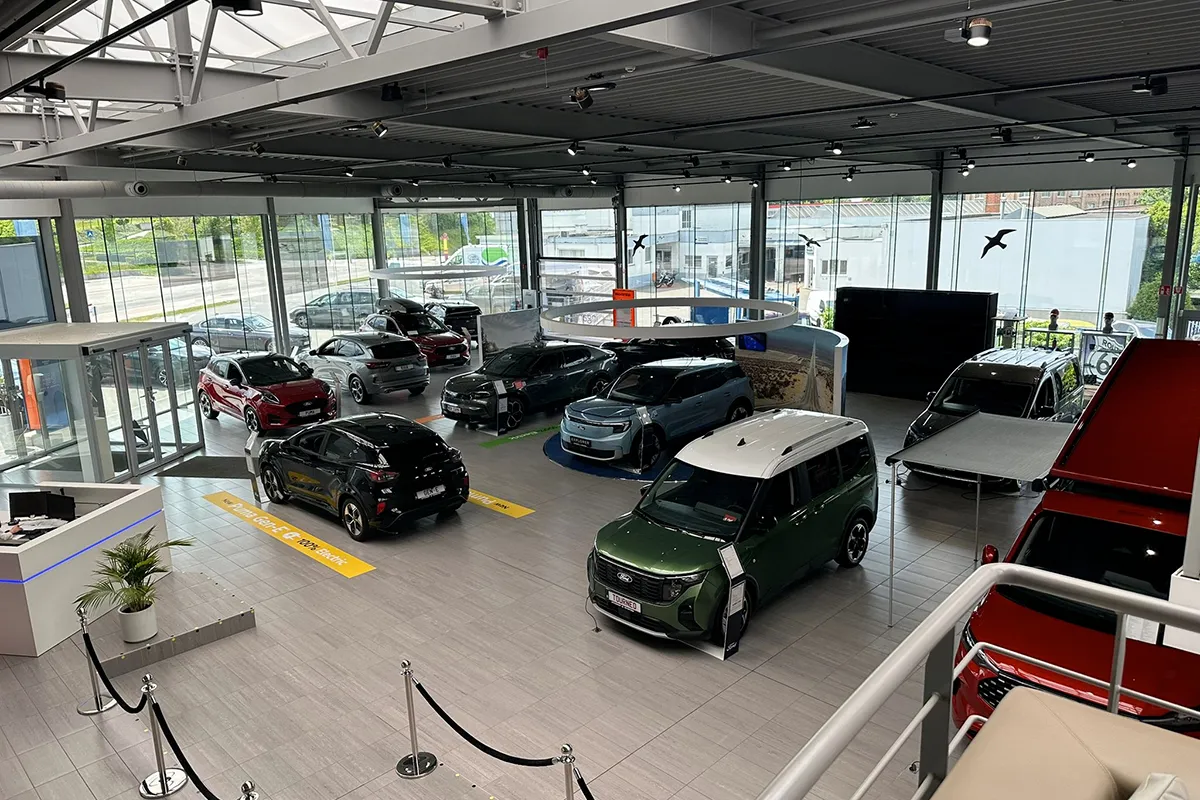
Autogroep de Schaetzen has grown both organically and through targeted acquisitions. Across its seven branches, the group sells around 3,000 new and used vehicles a year and carries out more than 18,000 servicing appointments. “Ford, Mazda, Hyundai and KGM are the core of our offering, serving both private and business customers. As well as selling cars, we also hire out cars and minibuses, and have two approved bodyshops in Alken and Dilsen-Stokkem,” says Christophe de Schaetzen, the third generation of the family business.
The workforce has now grown to 104, creating a need for a more professional organisational structure. “We recently appointed an HR manager to promote our company culture across the business and provide focused support for new employees. We’re really looking forward to bringing all our employees together at the next staff party. They are spread across the region every day, from Dilsen to Lommel.”
A broad offering with a personal touch
What customers value most is the family business’s personal approach. Buying a car remains a major investment for many, and although online sales are becoming increasingly important, the physical showroom is still indispensable. “People want to get a feel for the car, take it for a test drive and, above all, be well informed, particularly when it comes to electric vehicles. Personal advice on financing or leasing often also plays a decisive role,” adds Wouter Doucet, Sales & Marketing director at Autogroep de Schaetzen.
At a time when change is the only constant, Autogroep de Schaetzen is deliberately choosing continuity in its values and service. “That may well be our greatest strength. For many buyers, prompt, accessible after-sales service is the main reason for choosing a local dealer.”
Technological innovation
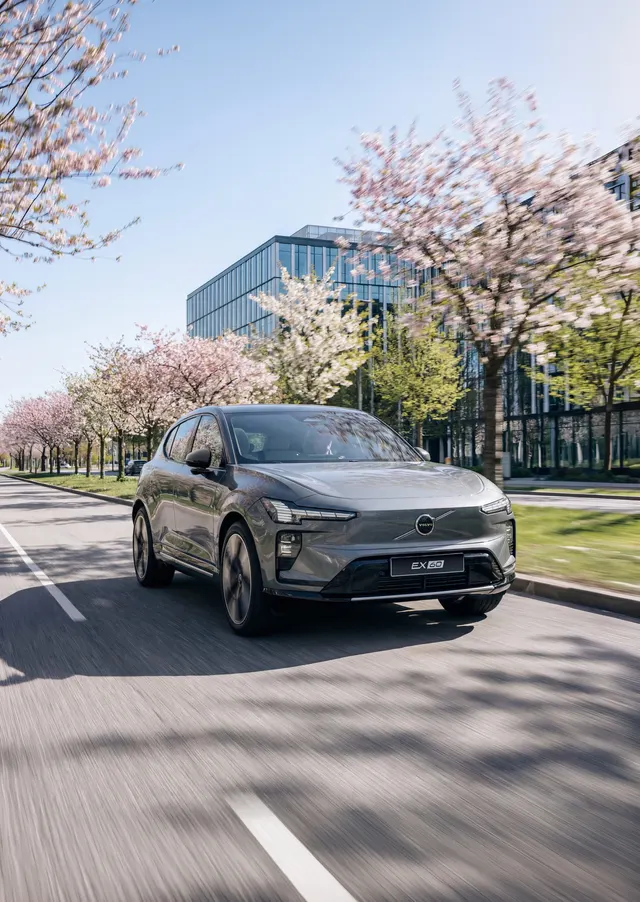
One unmistakable trend is the electrification of the vehicle fleet. Driven by European regulation and changing consumer behaviour, Autogroep de Schaetzen’s offering is evolving with the market. The group is also seeing the private market gradually catch up. “Small, low-cost petrol cars are gradually disappearing from the range, making way for an affordable electric alternative,” Wouter Doucet continues.
However, charging infrastructure remains a barrier for many people. To help overcome it, Ford is currently offering customers a free home charging point when they buy an electric car (installation not included). “The ultimate luxury is coming home, plugging in the car and setting off the next morning with a full battery. We’re also seeing that installing solar panels makes the switch to electric driving both logical and achievable,” explains Christophe de Schaetzen.
Maintaining autonomy
The automotive group is training its own people in the technical team to adapt to this new reality. “We’re constantly looking for new staff, but experienced technicians are in short supply. That’s why we’re retraining our conventional technicians as EV specialists. This requires not only technical training, but also a different way of thinking.” Further technologies are on the horizon, such as autonomous driving in the distant future and bidirectional charging in the relatively near term. In this case, the car acts as a home battery. “This makes people less dependent on energy suppliers.”
However, ownership and mobility remain sensitive issues in Belgium. “We all thought car use would shift towards subscription models, but in practice we see that Belgians remain attached to their own cars. They want to be able to set off at any time, without having to plan,” concludes Christophe de Schaetzen. “And that is precisely why car dealers remain an indispensable link in the mobility of tomorrow.”
Question about this story? Ask your question
Keep following this
Get an email when a new story is published. No account needed.
- SubjectMobility