Car brands opt for new distribution models
Text and images Dieter Quartier
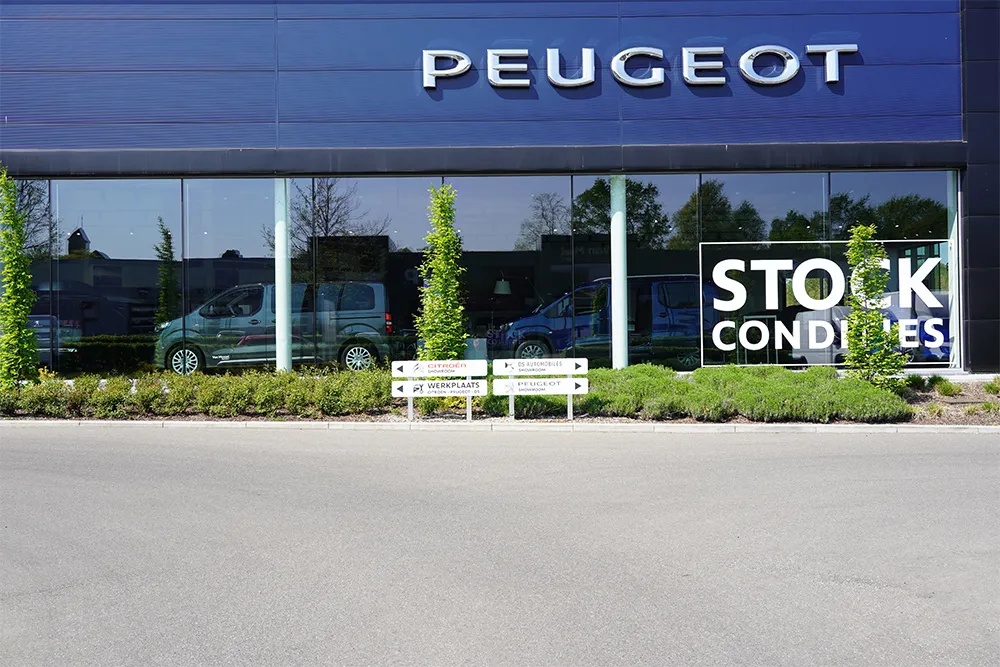
To protect their margins and gain greater control over the distribution chain, many manufacturers will soon start selling directly to end customers. The dealer’s role is being reduced to that of an agent. Whether (fleet) customers stand to benefit remains to be seen.
Stellantis, the group behind Alfa Romeo, Citroën, Fiat, Opel and Peugeot, BMW Group, Mercedes-Benz, VW Group, which includes Audi, Skoda and Volkswagen, and Volvo have all announced plans to switch to the so-called agency model. Under this model, today’s dealer becomes a sales agent: an entity that brokers sales on the brand’s behalf, demonstrates the cars and hands them over in return for a commission.
In other words, the agent remains the customer’s point of contact, and customers can still turn to their trusted outlets for servicing and repairs. In short, in principle, not much needs to change in practice … at first glance. For the ‘dealer’, however, the changes are fundamental, particularly as direct sales will often take place online. The agent will have little say in the matter.
Centralised stock management
Under the current distribution model, the car dealer buys vehicles from the importer or the brand’s national headquarters, then resells them to the end customer at a margin. The dealer can have some say in the selling price. The downside is that the dealer has to finance its own vehicle stock and invest in local marketing, infrastructure and so on.
As an agent, the dealer no longer has to bear these costs. The brand takes care of promotion, showroom design and more. The brand also centrally manages and finances the cars, giving agents immediate access to a much larger stock of vehicles available for prompt delivery. This can benefit customers too, as they may currently have to visit several dealers to find the car they want.
The downside is that dealers have less influence under the agency model. They no longer sell their own vehicles and therefore have no say in the selling price. Their earnings on each car will undoubtedly be lower than under the traditional sales model. For customers, this also means an end to haggling. The price will be the same at every retail outlet, so there will no longer be any competition between dealers of the same brand.
Greater control
This is precisely one of the main reasons why manufacturers are turning their dealers into agents. They want greater control over the entire sales process and supply chain to protect their margins. This is particularly relevant for electric cars, whose sales volumes have so far been limited and whose development and production costs are relatively high.
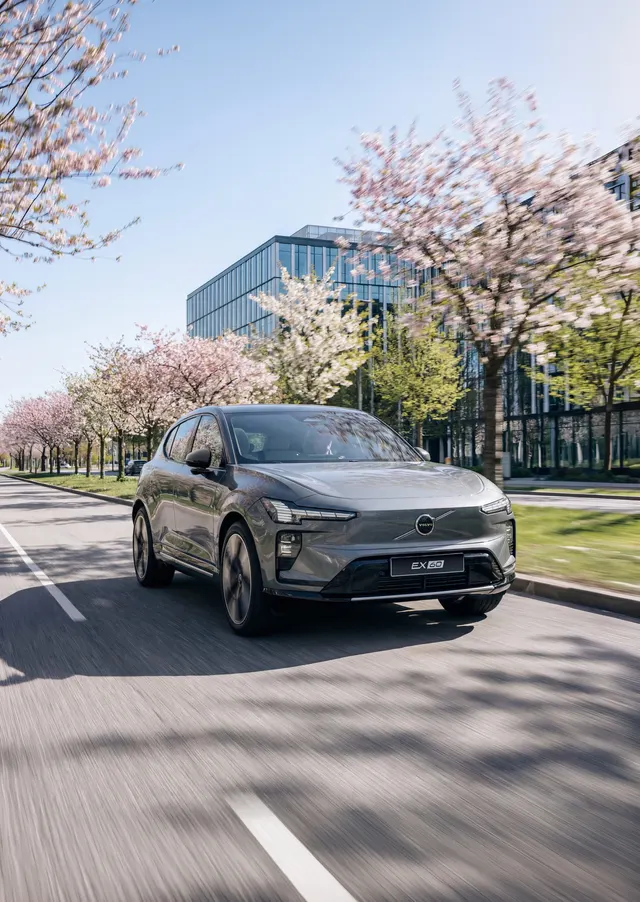
It is no coincidence, then, that you can already buy EVs directly from various brands under this new agency model. Volvo is one example. You configure your car on the brand’s website, order it online and choose an outlet for delivery. Some electric-only brands, such as Tesla and Polestar, have never known any other model than direct sales. Their retail outlets exist solely to let customers see and test-drive the cars, not to negotiate.
An online welcome and sales process seem to be taking the place of a human, offline customer journey. A leaner network and sales teams are inevitable. Smaller dealerships will disappear one way or another, or be swallowed up by large retail groups. Will fleet owners feel the effects, apart from the fact that sales invoices will now come from the brand rather than the dealer? Time will tell …
Question about this story? Ask your question
Keep following this
Get an email when a new story is published. No account needed.
- SubjectMobility