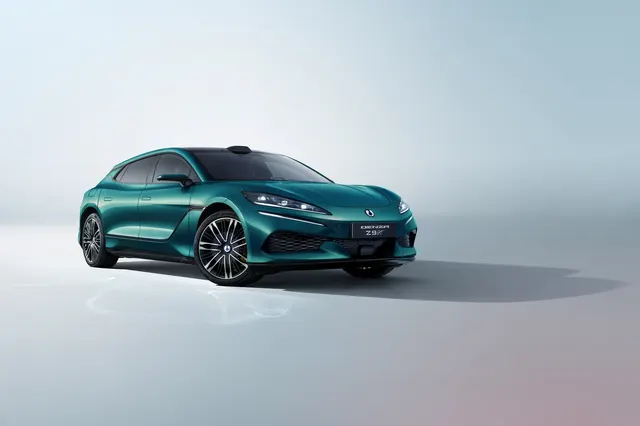
“Anyone looking to expand their fleet today would be wise to seek expert guidance”
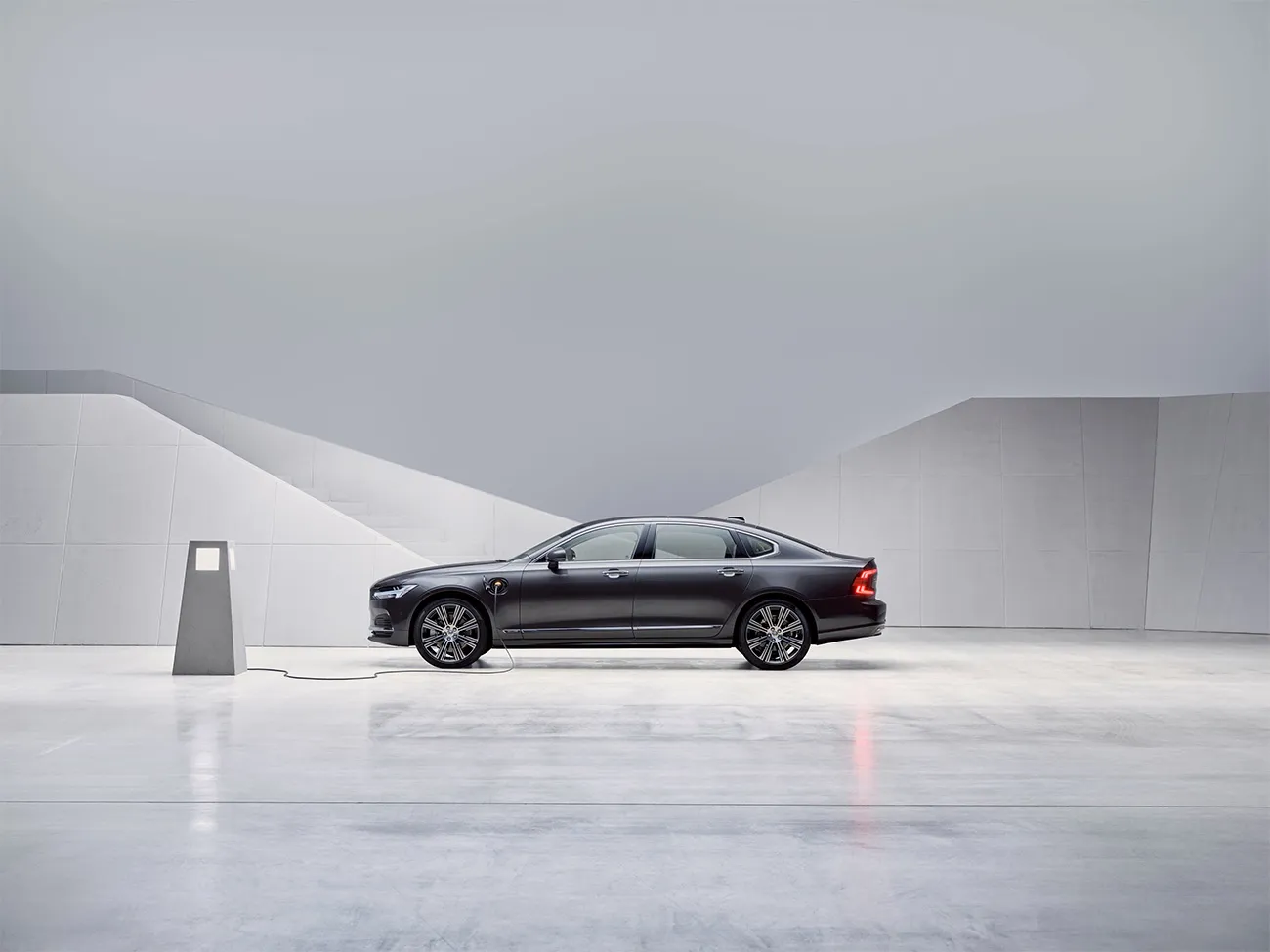
New tax rules for company cars from 1 January 2023
The move towards greener company car fleets is boosting electric car sales and reducing CO2 emissions. More and more businesses are therefore switching to electric vehicles. There are tax advantages, too. “But anyone wanting to benefit from the maximum tax deduction for hybrid cars would be wise to order their vehicle before the end of the year. An additional restriction on tax deductibility will apply from 1 January,” says Maria Mortier, managing director of Automobilia.
At the end of 2021, the federal government set out a clear ambition: all new company cars must be zero-emission from 2026. A range of tax measures and incentives are intended to speed up the transition and make the switch easier for employers. But many businesses still have questions about the tax deductibility of electric vehicles and are concerned about changes to tax legislation.
Maria Mortier: “The new legislation stipulates that only fully zero-emission vehicles will be 100% tax-deductible. Plug-in hybrid cars will therefore be subject to different rules. They will still be tax-deductible, but only half of their fuel costs will be deductible. In addition, their batteries must have a capacity of at least 0.5 kWh per 100 kilograms of vehicle weight, and the car must emit no more than 50 grams of CO2 per kilometre.”
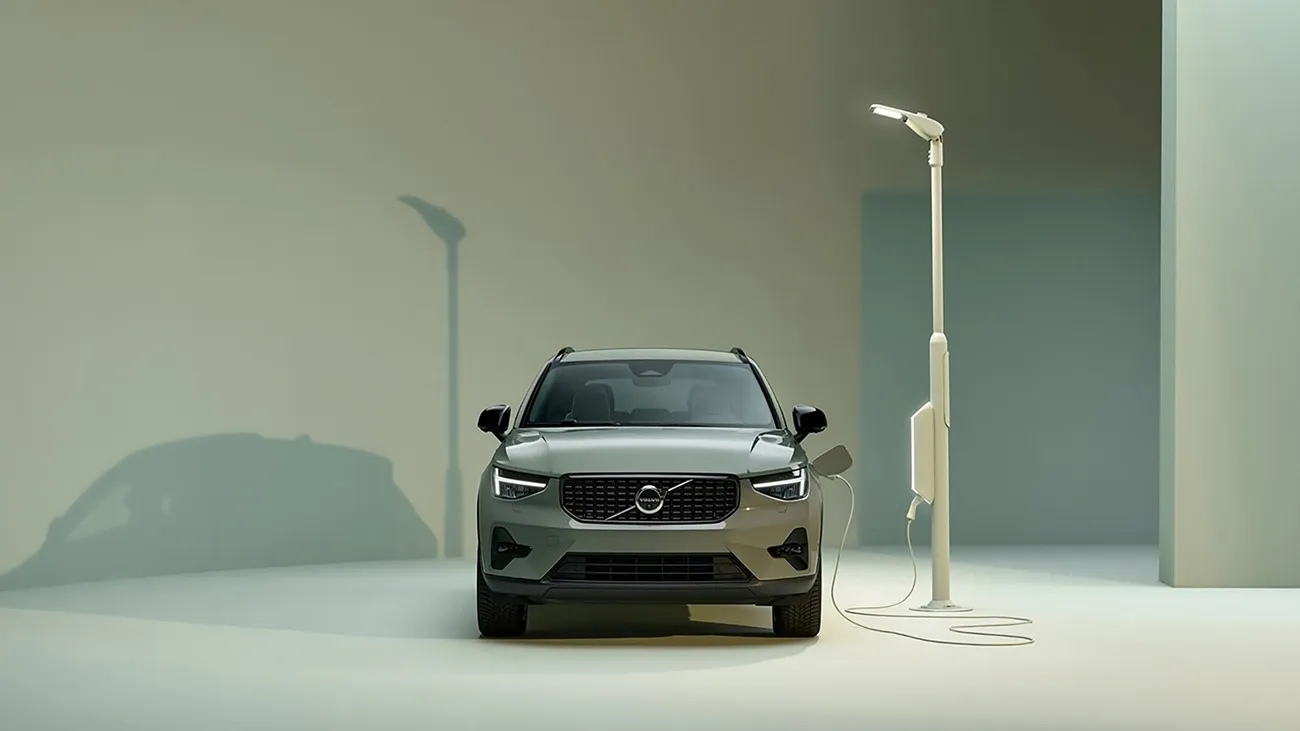
The order date is decisive
The deadline for ordering a car with an electric motor is now drawing closer. “An important point to note is that from 1 January the government will look at the order date, not the delivery or registration date. For electric vehicles, the order form for the purchase or lease agreement must therefore be signed by 30 June 2023 at the latest. For plug-in hybrids, the deadline is effectively 31 December, as from then the tax deductibility of fuel costs will be capped at 50%.”
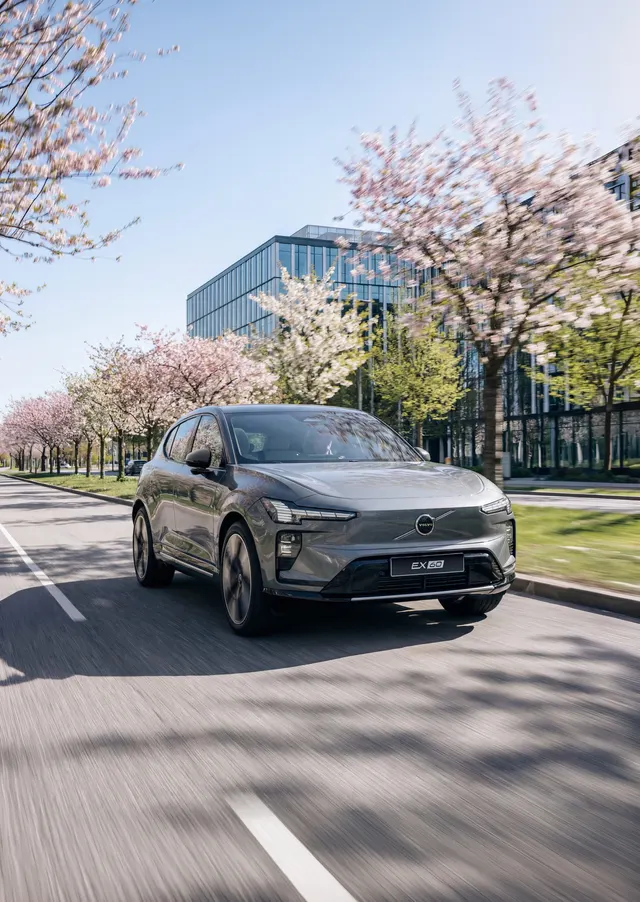
To better support customers with questions about these changes, Automobilia has arranged additional training for its sales staff. “That means we can explain the tax rules to our customers accurately. Volvo also remains the car brand par excellence when it comes to a clear vision for a climate-neutral future. You can see that in our range. We are one of the few brands to offer all our models as plug-in hybrids. The XC40, made in Belgium, is particularly popular, both as a full electric and a hybrid model,” Maria Mortier continues.
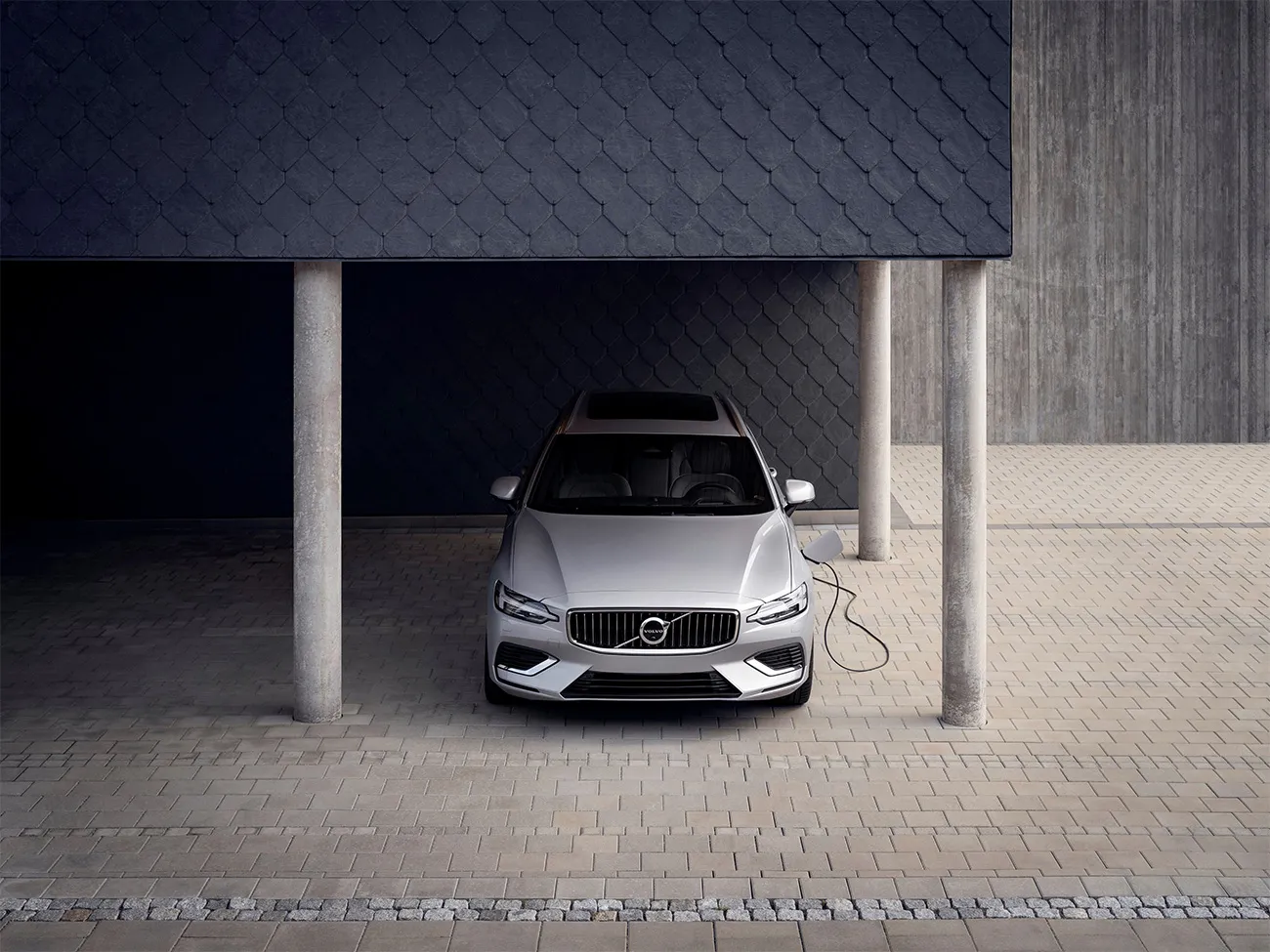
Broad expertise and tailored advice
Automobilia’s recent sales figures also show that employers’ former reluctance to switch to electric vehicles has completely disappeared. More than 80% of the company cars purchased are hybrid or fully electric.
“But employers are also asking more questions about the tax treatment of these cars. And it has to be said, it is a complex subject. All the more reason, then, for employers to seek guidance and advice from experts who can give them an overview of the total cost, including running costs, taxes and tax deductibility.”
Automobilia has all the necessary expertise in-house. “We make sure our customers are never caught off guard, now or in the future, and go a step further than our competitors. For example, we also take the additional investment cost of charging points into account. Personal contact remains central to our approach. For us, that is the key to our success. It is the only way to build a relationship of trust and help customers make the right choice with the right advice,” concludes Maria Mortier.
Question about this story? Ask your question
Keep following this
Get an email when a new story is published. No account needed.
- ThemeFinancial and legal decisions
- SubjectMobility