“Working with businesses is the key”
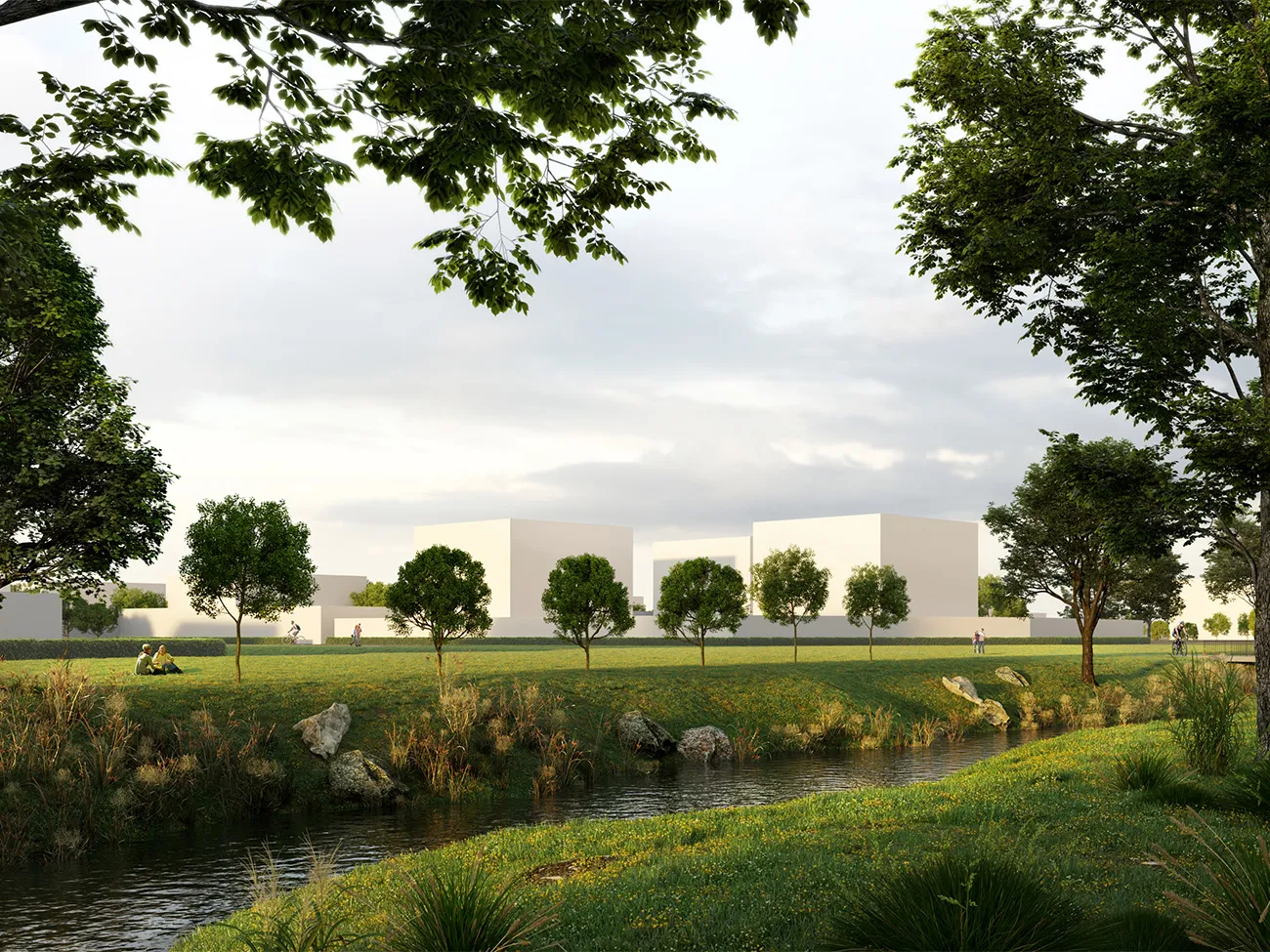
For most readers, Aalst will immediately bring ‘carnival’ to mind. But Oilsjt is much more than that: with nearly 90,000 residents, it is the second-largest city in East Flanders and even the fifth-largest regional city in Flanders. Centrally located on the Ghent-Brussels axis, it is also an economic stronghold. Alongside industry, the city council is targeting further growth in the care economy over the coming years. Mayor Christoph D’Haese (N-VA) is ambitious: “We want to become Flanders’ Health & Care Valley.”
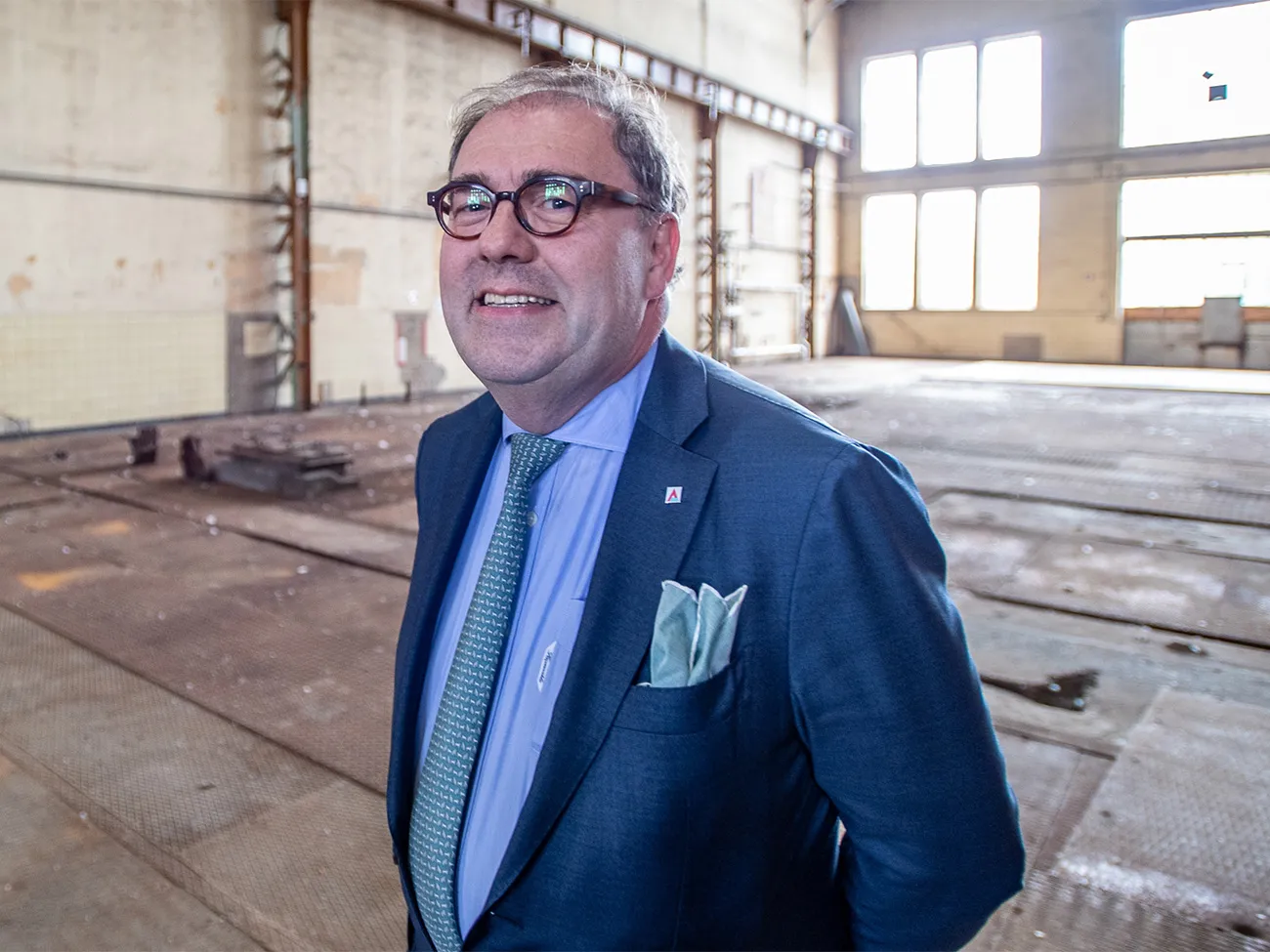
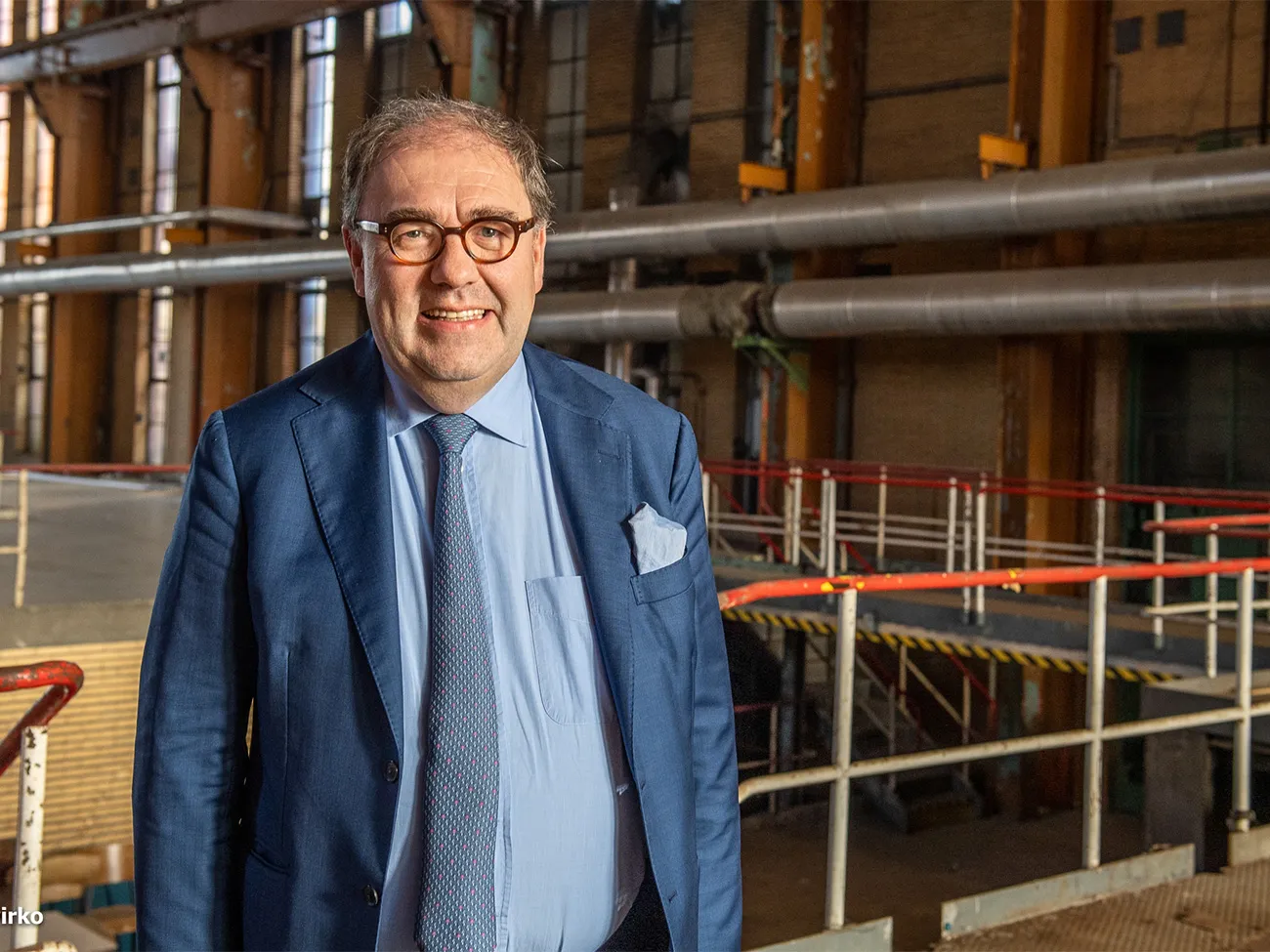
Mayor Christoph D’Haese speaks
What are Aalst’s economic strengths?
Christoph D’Haese: From my conversations with businesses, I understand that three things are their priorities when choosing to set up here: accessibility, the services provided by the city and the availability of well-equipped, sustainable sites. When it comes to accessibility, Aalst is of course in a prime location in the Flemish Diamond. To improve our services, we have brought all the city departments together in one place. Our service desk provides first-line information, and our experts are available both online and offline to answer more complex questions.
Creating top-quality sites for businesses has been a priority for more than 10 years. We ensure a balanced mix of sites, with facilities for start-ups, SMEs and larger industrial businesses. With support from Vlaio, we are also working to upgrade our business parks, which were developed in the 1960s and 1970s. As we are located on the Dender, we are looking to make the most of the waterway for all sectors.
Which sectors are strongly represented here? What are you particularly good at?
Christoph D’Haese: Aalst has a particularly well-balanced economic fabric. We have a number of global players, such as Jan De Nul Group, Honda and Tupperware, as well as a large group of established SMEs that have remained in the same family hands for several generations. This provides stability in employment. What makes us unique is our strong position in care and health, which accounts for no less than 1 in 5 jobs in Aalst. We owe this to our two renowned hospitals, which generate both direct and indirect employment. We also have leading private-sector players such as Becton Dickinson, Ontex and Medec.
In East Flanders, Ghent is known for its strong start-up culture. What does Aalst have to offer entrepreneurs starting out?
Christoph D’Haese: Together with the university colleges HoGent and Odisee, we have been running the Broeikas project for more than 10 years. It encourages 18- to 24-year-olds to take their first steps towards entrepreneurship. We also offer start-up grants worth 3,500 euros. Entrepreneurs looking to start up here can apply for one. They can use the funding for accountancy advice, ICT or communications support, or even small-scale investment.
A ‘makers’ district’ called Walstroom is also planned for the Tragel-Zuid industrial zone. We will temporarily make 10 to 15 workspaces available in a number of old industrial warehouses for young craftspeople, such as a carpenter, a creative entrepreneur or a chocolatier.
How does the city shape its own economic policy?
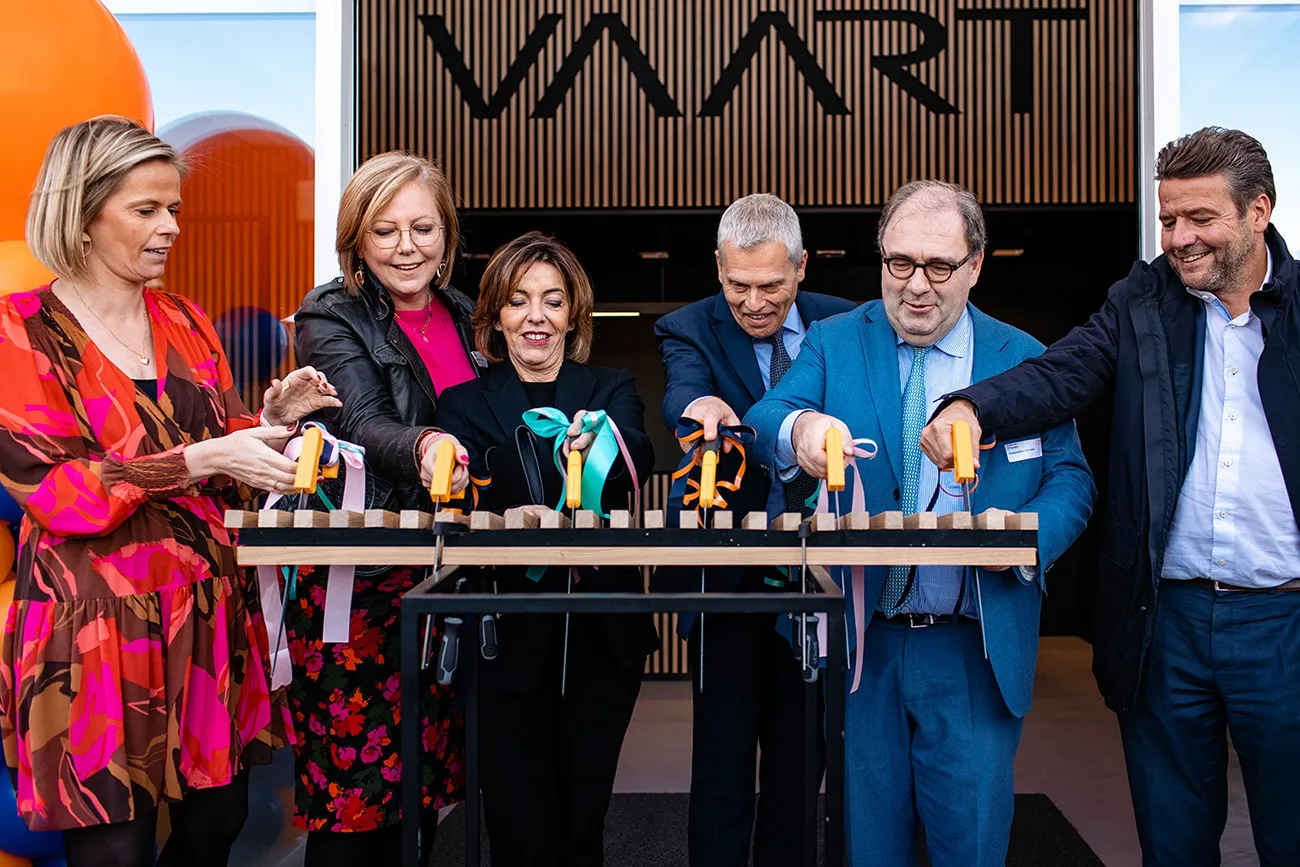
Christoph D’Haese: We have recognised advisory councils, which we involve actively in our policymaking. This is part of our commitment to an integrated approach: we want to tackle climate and mobility challenges together with businesses. Unizo and Voka are also regular visitors. The new ‘Voka Vaart’ hub is even right next to the administrative centre. Collaboration is the key: as a local authority, we do not need to impose ourselves or take over the role of employers’ organisations.
Given the importance we attach to the care economy, we have introduced innovation contracts for businesses active in care. With European funding, we help start-ups develop their projects. One of the start-ups awarded a contract this year works in digital health: Digile, founded by An Crepel and Karel Deloof, uses open data to provide doctors and pharmacists with all the available information on medicines.
What does the future hold for Aalst?
Christoph D’Haese: We are developing a new 52-hectare business park reserved exclusively for companies active in health and care. The Siesegem zone, close to the E40, is set to become Flanders’ Health & Care Valley of the future. It is a high-quality, well-substantiated project that also includes education and research. Together with HoGent, Odisee and KU Leuven, we are working to establish an innovation hub that will become the central hub of Siesegem.
We aim to attract innovative companies to the zone in fields such as medical equipment, vaccines and digital health, creating as many jobs as possible for people with lower, technical and higher qualifications. Everyone is pulling in the same direction, and our ambitions are international. We are in close contact with Flanders Investment & Trade about the project, and there is real momentum behind it.
Which project of importance to Aalst businesses would you like to deliver in 2022?
Christoph D’Haese: Next year, I want to take the first steps towards developing the activities of the Health & Care Valley in Siesegem. Knowledge and experience will initially be shared at a temporary location, while we wait to move into the permanent innovation hub. The city has already hired a care economist to steer the project. Their task is to bring all the stakeholders together in a new innovation cluster, which needs to be up and running quickly.
We also need to keep improving accessibility. In recent years, substantial investment has gone into the tunnels under Siesegemlaan and Boudewijnlaan, as well as work on our viaduct. But mobility on Brusselsesteenweg still needs to be addressed. Hopefully, we can make progress on that front too.
Question about this story? Ask your question
Keep following this
Get an email when a new story is published. No account needed.
- SubjectIndustry