Why Belgium is attracting more and more data centres
Text Bavo BoutsenImage LCL, Google
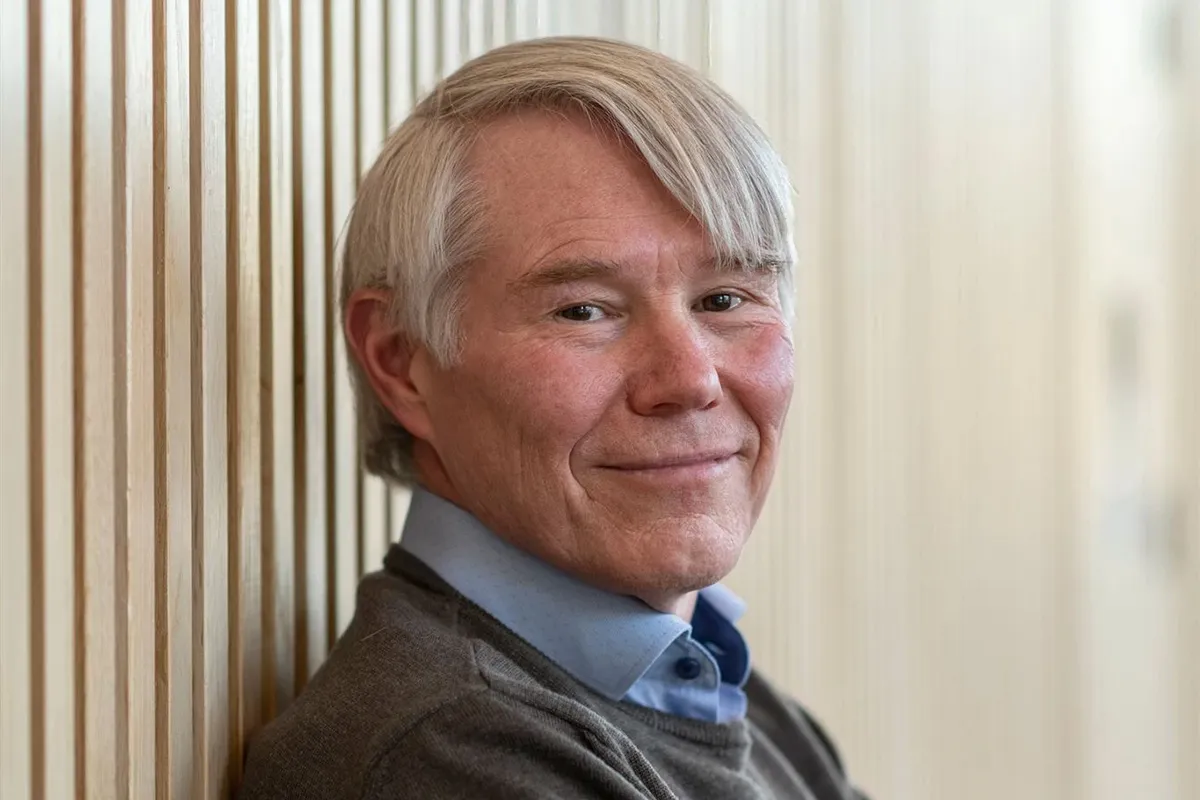
“We are not blind to public concerns”
The exponential growth of AI is also changing our physical surroundings, with more and more data centres being built in Belgium. These large-scale IT infrastructure facilities are needed to keep up with growing demand for data storage. At the same time, they require a great deal of energy. The sector is therefore investing in sustainability. “The main challenge for our sector is to become more transparent.”
The sharp rise in demand for data centres in Belgium is a direct result of the explosive growth of AI and cloud applications. Belgium’s central location in Europe is also attracting growing interest from abroad. Google, for example, is building a new data centre in Farciennes, Wallonia, while Microsoft is planning to expand three centres on the outskirts of Brussels. “In 2024, the combined IT power of all Belgian data centres grew by 10 per cent. For 2025, we expect storage capacity to grow by as much as 50 per cent,” explains Carole Santens, Managing Director of the Belgian Digital Infrastructure Association (BDIA).
Energy demand is rising
Our country’s appeal for these large-scale investments is mainly down to its available energy capacity. In traditional data centre hotspots such as Dublin, London, Amsterdam and Frankfurt, they have led to grid congestion. Amsterdam recently decided, for example, that no new data centre permit applications may be submitted until 2035. “As demand for new capacity continues to rise sharply, we are receiving more and more enquiries about the Belgian market as an association,” says Santens.
In any case, this trend will have a major impact on energy demand in our country in the years ahead. According to a recent report by Boston Consulting Group (BCG), Belgian data centres will consume up to 5 times more electricity by 2035. As well as energy, data centres also use a great deal of water to cool their equipment. The International Energy Agency estimates global data centre water consumption at around 560 billion litres a year. As the tech giants race to develop AI, consumption is even expected to double by 2030.

A sector in flux
Concerns about the climate impact of data centre growth are mounting around the world. The sector itself points out that major investments are being made in sustainability, and that the results are already clear, particularly in Europe and Belgium. “New projects are designed to meet the strictest applicable standards,” says Carole Santens. This means operating as efficiently, and therefore as energy-efficiently, as possible, including in terms of water use, and reusing the waste heat produced.
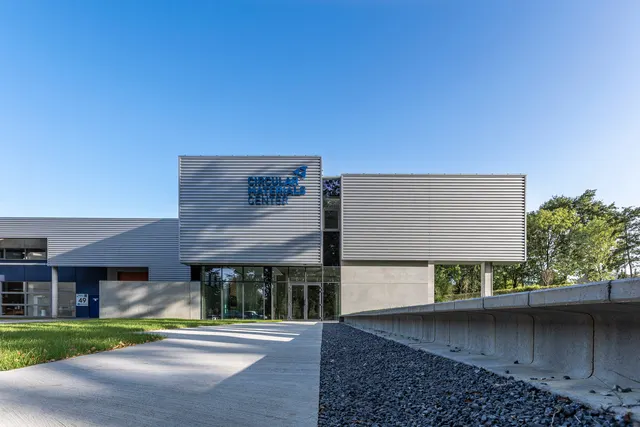
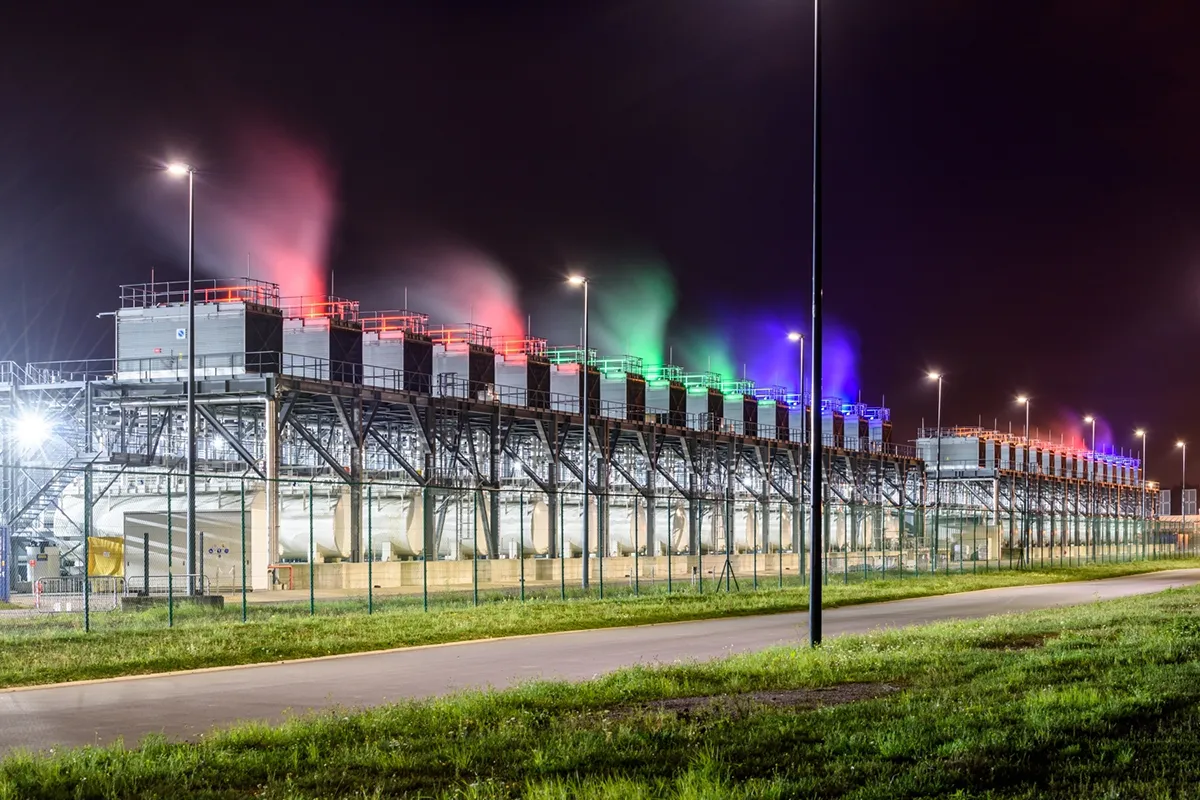
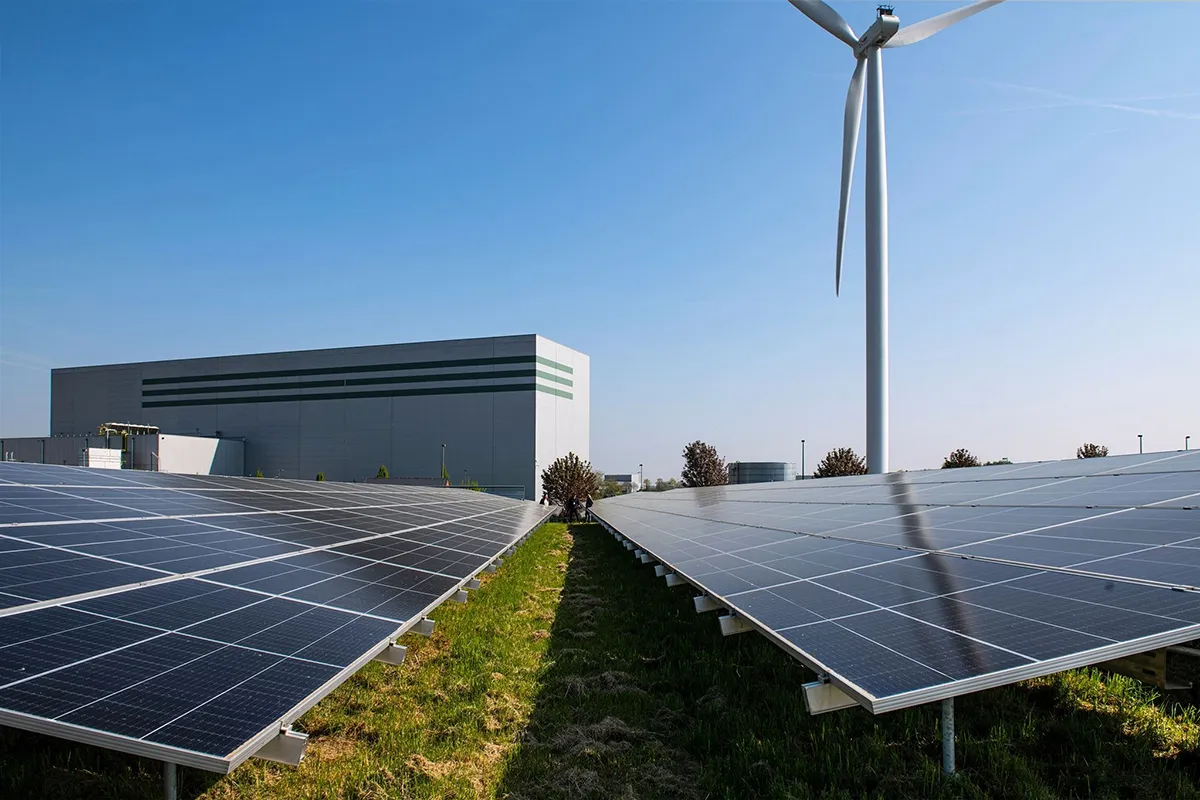
“Sustainability is fully integrated into our strategy,” confirms Laurens van Reijen, CEO of Belgian data centre group LCL. “For example, we have invested in three of our own wind turbines and 9,300 solar panels. We are not limiting ourselves to on-site solar panels. Four of our five data centres do not use water from the surrounding area because we use air cooling and closed-loop water systems. In time, our fifth site will also be adapted in this way. Making sustainability a priority is a very important reason for our customers to choose us.”
Google tells a similar story. “In 2024, Google’s data centres delivered more than six times as much computing power per unit of electricity as they did five years ago,” says spokesperson Michiel Sallaets. “Despite rising energy demand, Google’s total energy emissions worldwide fell by 12 per cent in 2024.” He also points to the ambition to become an integral part of the local community. “That is the case, for example, with the data centre in Farciennes, which is being built to be ready for heat recovery. Capturing heat from data centres can therefore help save energy and contribute locally to the energy transition.”
Seizing the momentum
The key question remains: will sustainability efforts be enough to offset the climate cost of this sector’s explosive growth? Critics point in particular to the fact that sharply rising energy demand is making the global energy transition more difficult. At the same time, experts highlight the significant efficiency gains that technology could still deliver. Carole Santens of BDIA says: “As a sector, we are not blind to public concerns and are doing our best to embrace them. The main challenge for us is to become more transparent.” To communicate more proactively, LCL set up an independent platform, Data Center University. “Our main aim is to make knowledge and expertise available to society at large,” says Laurens van Reijen, who also points to Europe’s role. “Driven by European climate legislation, all players in the industry have signed the Climate Neutral Data Centre Pact, which requires cloud infrastructure and data centre providers in Europe to be climate-neutral by 2030.”
In short, while concerns about the climate impact of data centres around the world are justified, demand for additional infrastructure offers Belgian operators plenty of opportunities to become greener. “We can position ourselves as leaders in sustainable data centres and, in doing so, help further strengthen European sovereignty. This is a shared responsibility for users, investors, companies, policymakers and grid operators. On the ground, we can see that everyone is pulling in the same direction, so we firmly believe in this vision for the future,” concludes Carole Santens.
Question about this story? Ask your question
Keep following this
Get an email when a new story is published. No account needed.
- ThemeDigital business and automation
- SubjectIndustry