Recycling as a priority!
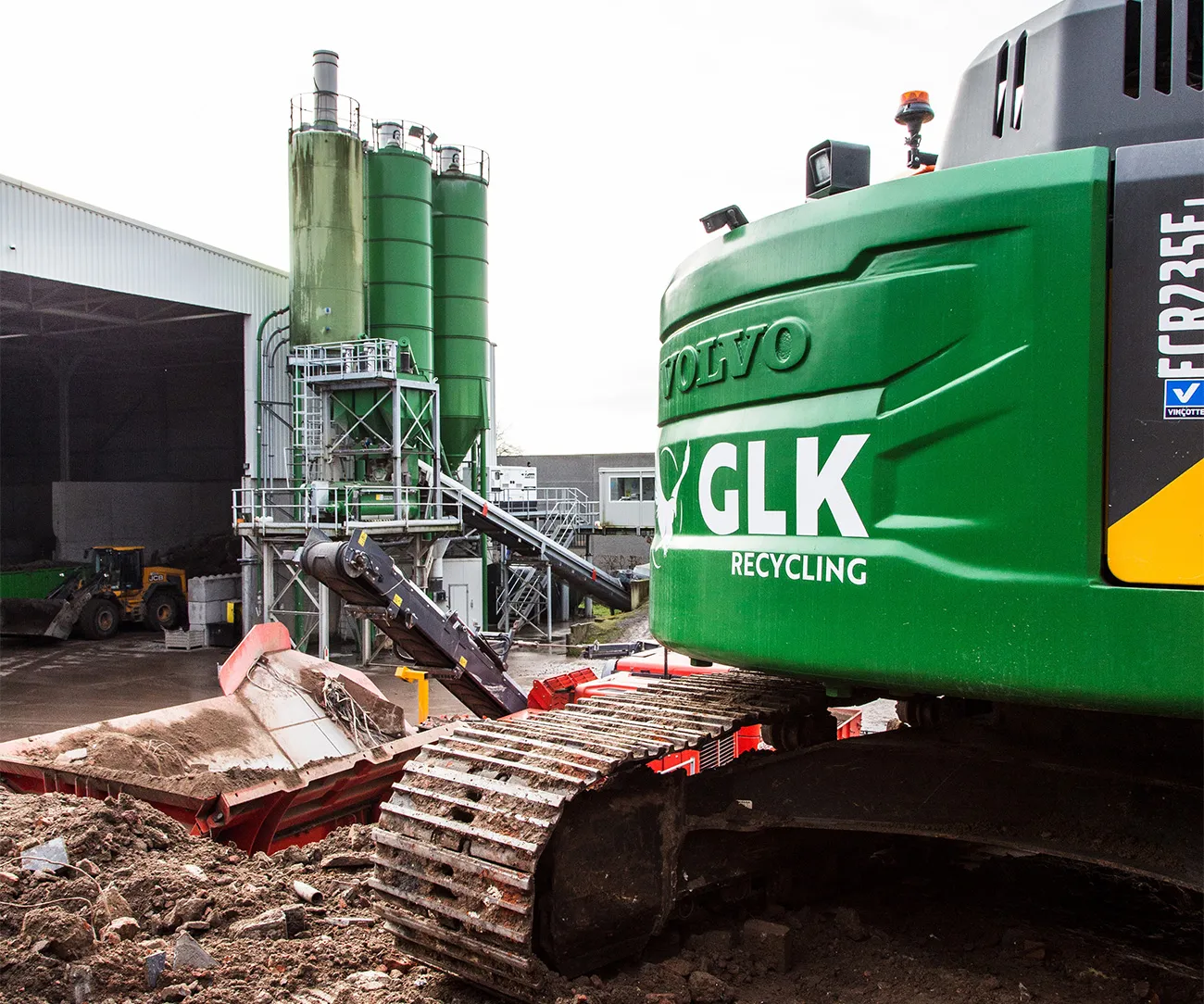
GLK, founded in 1997, has been a respected name in the construction sector for many years. It comprises 3 divisions: GLK Grondwerken, specialising in general earthworks and demolition; GLK Recycling (until recently trading as GV&T Kruishoutem), specialising in the recycling of soil and construction waste; and GLK Consulting, specialising in consultancy during the preparation of construction projects.
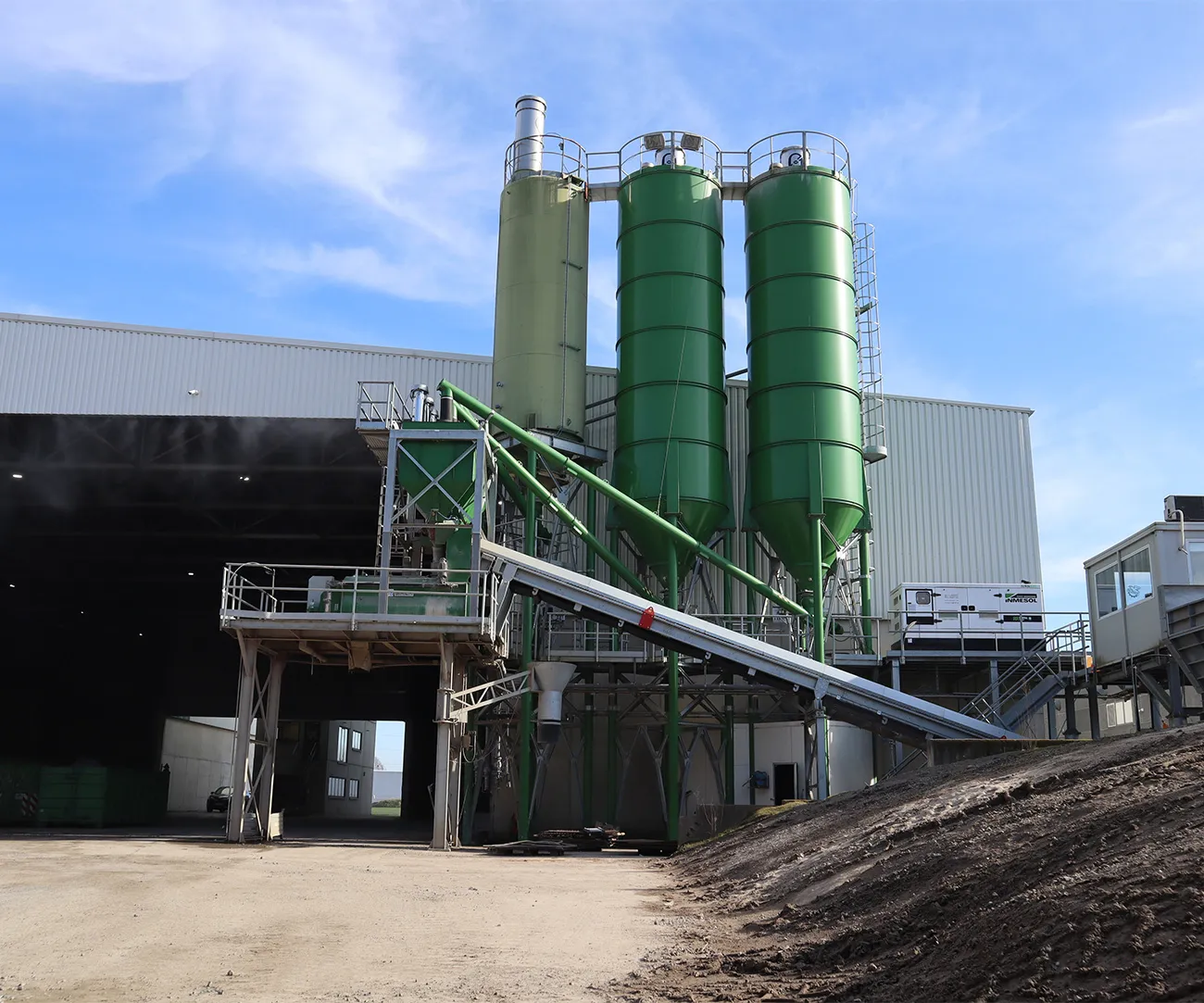
With the launch of its recycling division, GLK Recycling was a pioneer in the truest sense of the word. “In 2004, environmental management was not yet on the construction sector’s radar,” says plant manager Peter Decanniere. “GLK’s directors were a major exception. New legislation on soil movement was being drafted at the time, which prompted them to invest and establish their own site, recognised by Grondbank. The original name, GV&T, stands for Grond Verbetering en Tussentijdse opslagplaats. From the outset, the aim was to find a use for surplus soil from construction sites. We were among the first to have a soil stabilisation machine. It adds cement and/or lime to screened soil to produce Bekasol (stabilised soil). This is the ideal product for backfilling beneath floor slabs, in cellars, and for filling sewer and cable trenches…”
Deliveries and takeovers
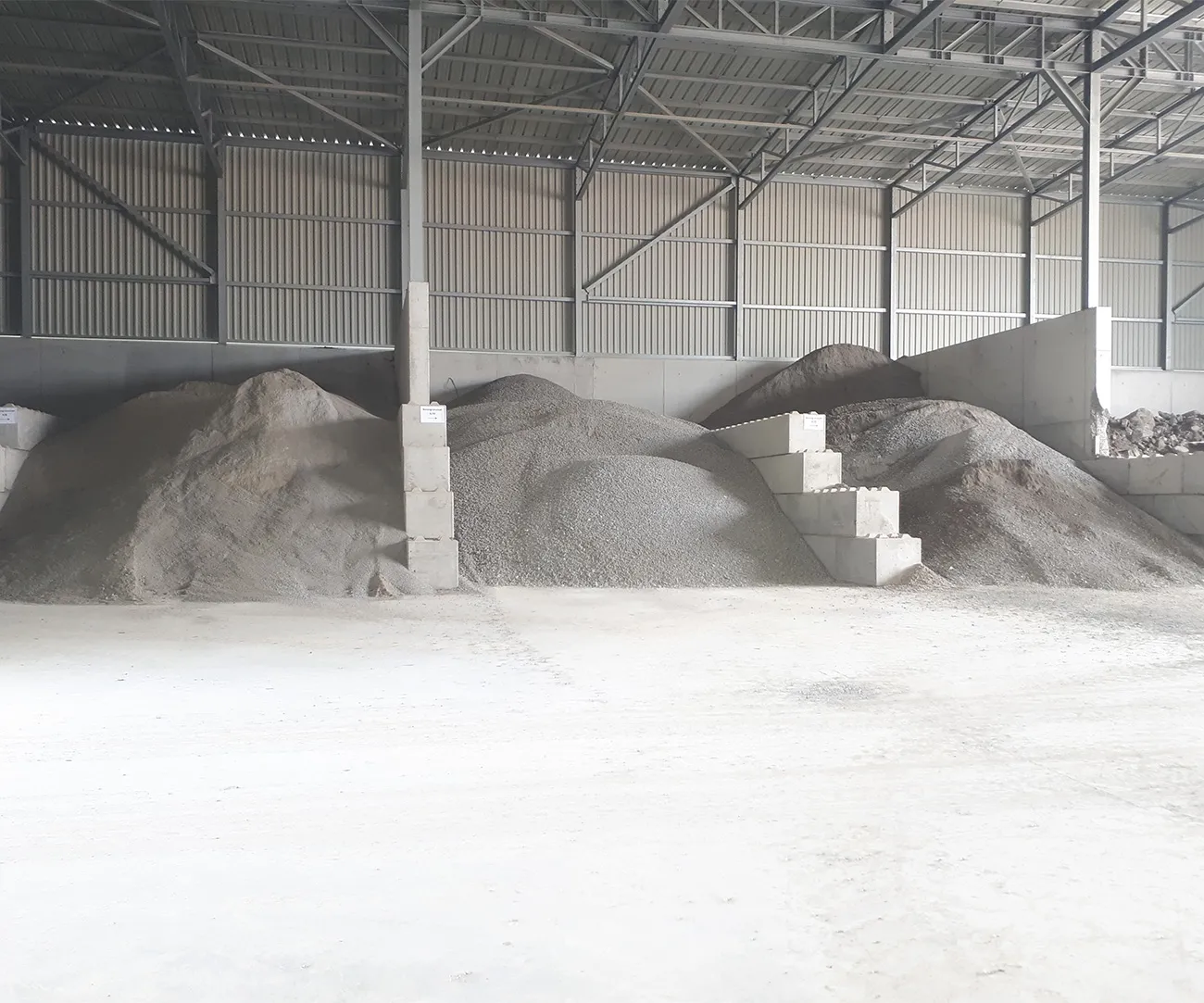
The site is recognised by the non-profit organisation Grondbank as a temporary storage site for excavated soil. Anyone can bring surplus soil there. In addition, the various streams of construction and demolition waste are inspected on arrival and stored separately for subsequent recycling. Other waste streams, such as mixed construction waste, green waste and prunings, wood and Ytong, are sorted and stored by type.
Recycling too
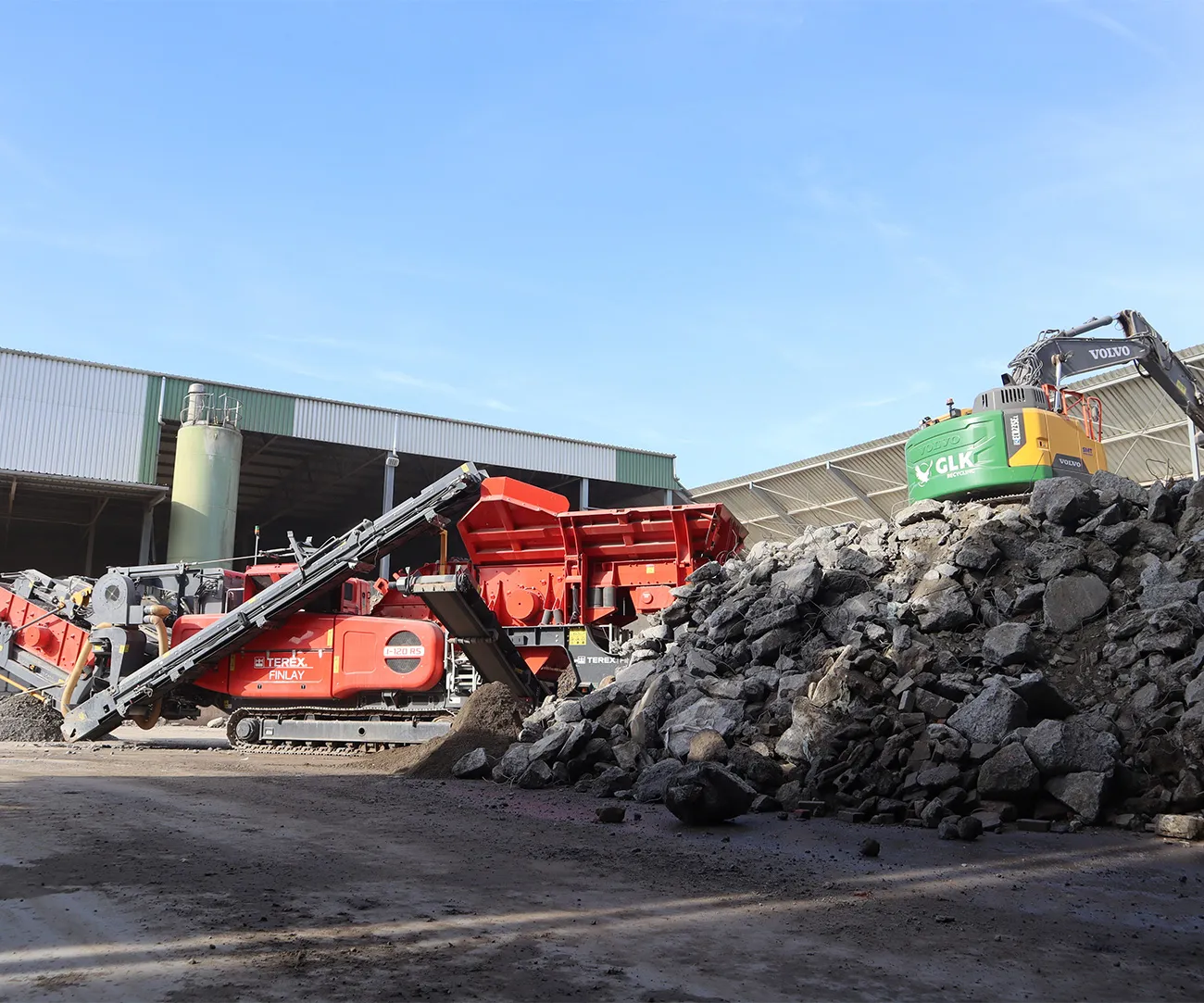
GLK Recycling focuses entirely on recycling soil, mixed rubble and concrete rubble. The process starts by sorting the materials into clean waste streams. The remaining rubble is crushed in line with legal standards to produce new raw materials: mixed, concrete or asphalt aggregate. Peter Decanniere: “Here too, we mix certain quantities with cement, for example to produce stabilised sand or lean concrete at our own concrete plant, which has recently been expanded. This recycled material is hugely popular for the sub-base of paving blocks and kerbstones, as well as for car parks and roadworks…”
Several advantages
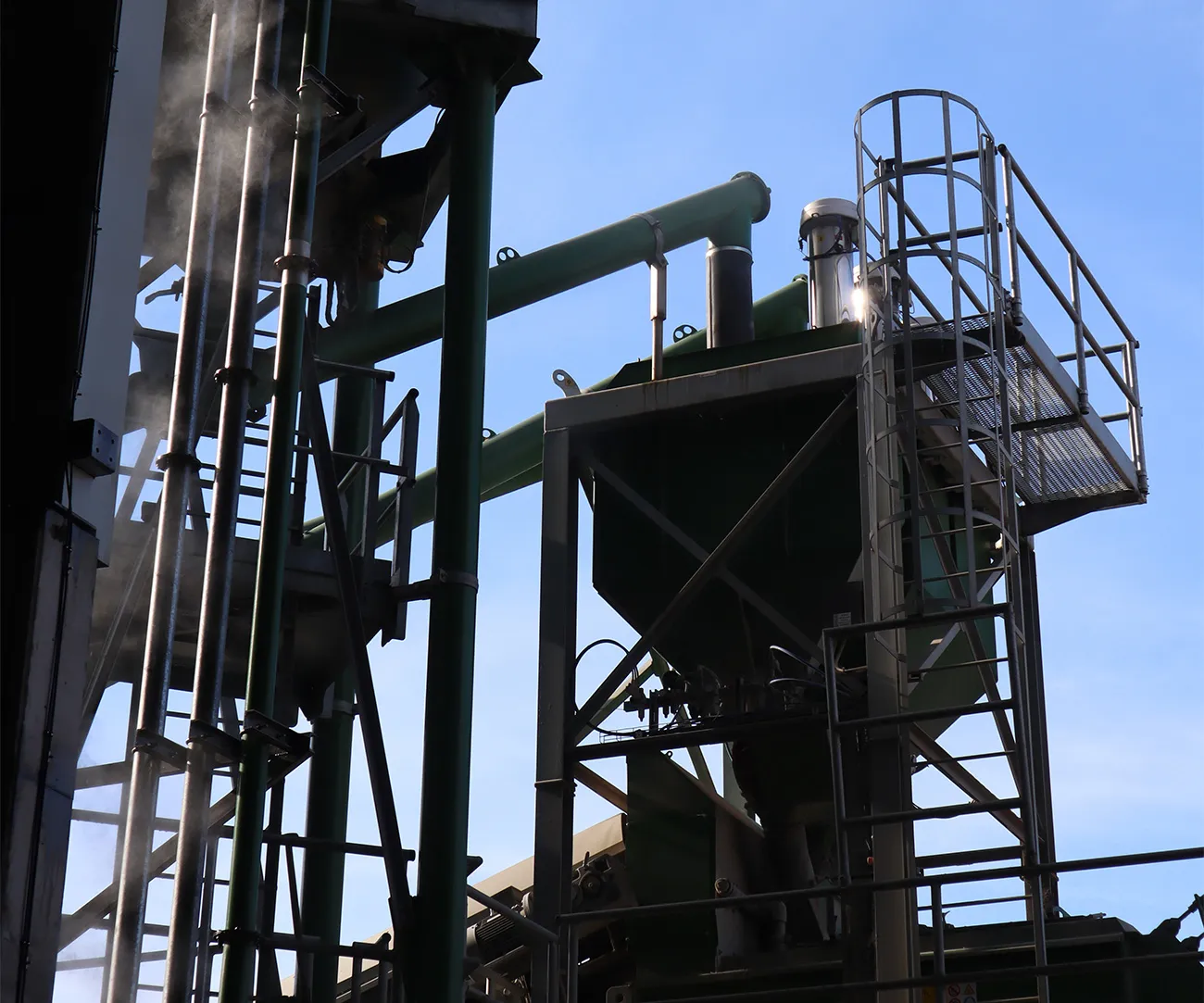
“The great thing is that practically nothing goes to waste,” explains site manager Simon Bothuyne. “After the recycling process, just 1% of all waste streams consists of impurities, which are sent to authorised processing centres. Our broad environmental vision is reflected in a number of measures that we see as our strengths. On dry days, we use water misting at the mixing plant to prevent dust from reaching neighbouring sites. We have also invested in a low-noise crushing plant to minimise disruption. 80% of our site is covered, helping to maintain the quality of our recycled and enhanced products. It also allows us to collect rainwater for use in our misting system. Finally, we have 2 weighbridges, keeping waiting times for deliveries and/or collections to a minimum. In short, GLK Recycling stands for quality in three areas: products, service and the environment.”
Question about this story? Ask your question
Companies in this story
Keep following this
Get an email when a new story is published. No account needed.
- ThemeEnergy security and the circular economy
- SubjectIndustry
- CompanyGLK Grondwerken