Community building makes coworking spaces future-proof
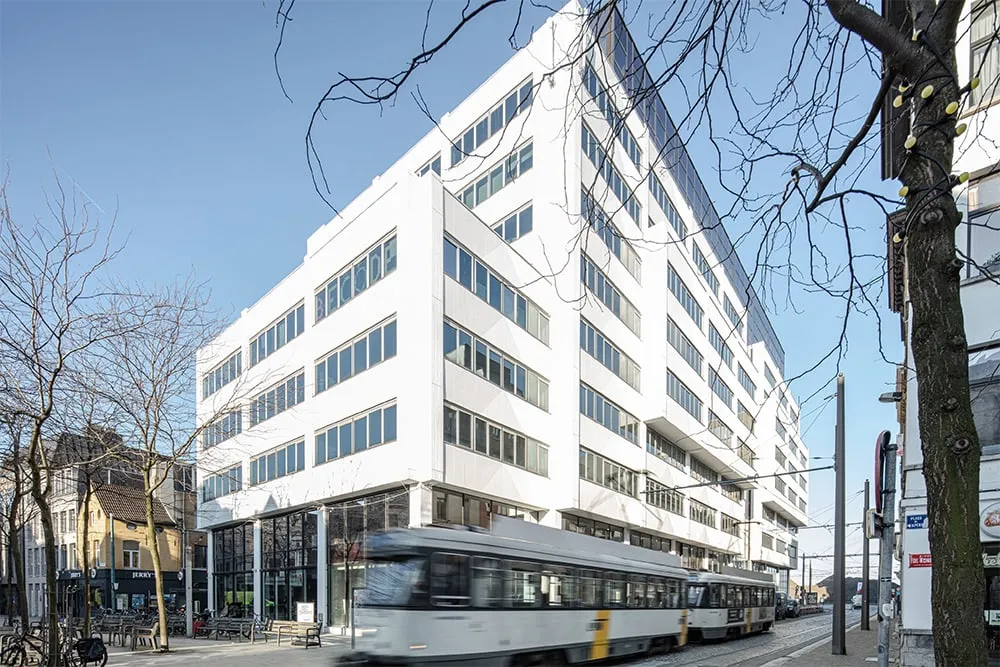
Text Bavo BoutsenImage The Beacon, MeetDistrict
“Many collaborative projects grow out of chance encounters”
The pandemic changed the way we work for good. Although traditional coworking spaces came under considerable pressure as a result, the model still has a future. By specialising in a particular sector and developing more services, such as matchmaking, they can offer greater value to the companies based there. “Community building is more central than ever.”
It is well known that coworking spaces are navigating choppy economic waters. The initial shock of the pandemic and the shift in attitudes towards working from home put considerable strain on the business model. The figures clearly bear this out. MeetDistrict, the coworking arm of property group Ghelamco, with locations in Diegem, Ghent, Antwerp and Brussels, recorded a net loss of more than €5 million in 2022. Silversquare, part of property company Befimmo, posted a net loss of more than €7 million that year.
Yet operators still see a future for coworking in Belgium. The new culture of working, including from home, has changed how people think about office layouts. This has also changed the types of companies using coworking spaces. Once almost exclusively a playground for start-ups and young businesses, they are now increasingly used by large, established companies seeking a base in a particular city.
Deliberate specialisation
Another emerging trend is specialisation. Coworking providers are deliberately targeting a particular sector or type of company, seeking to grow into ecosystems in their own right. A recent example is Ghent’s Wintercircus, which has been transformed into a brand-new hub for tech start-ups working intensively on AI developments. It opened in early September. A specialist jury, formed for each subsector, selected the companies and was tasked above all with ensuring the broadest possible spread of expertise.
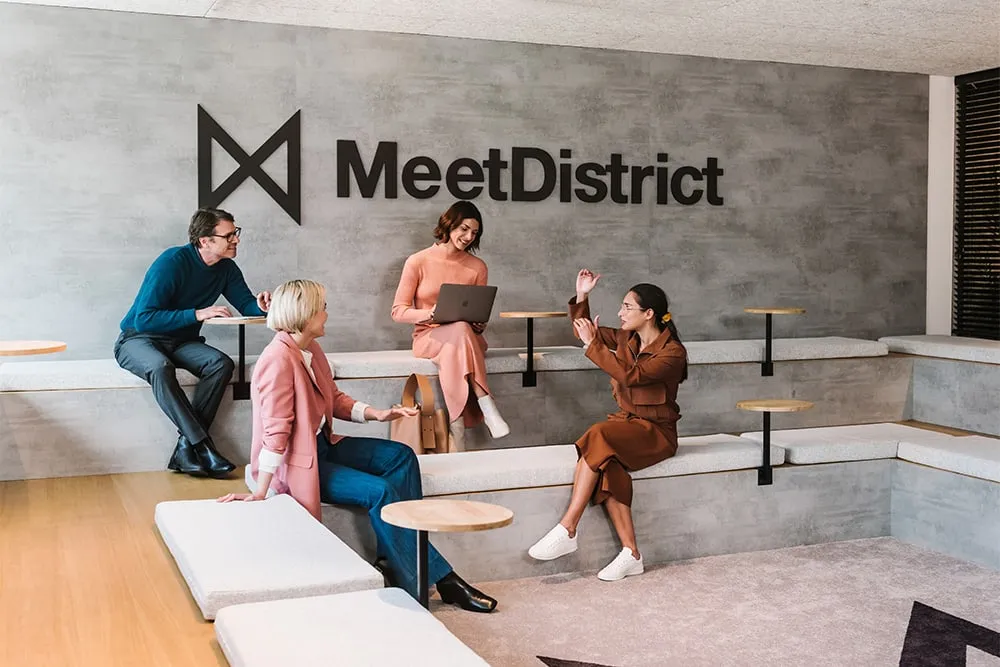
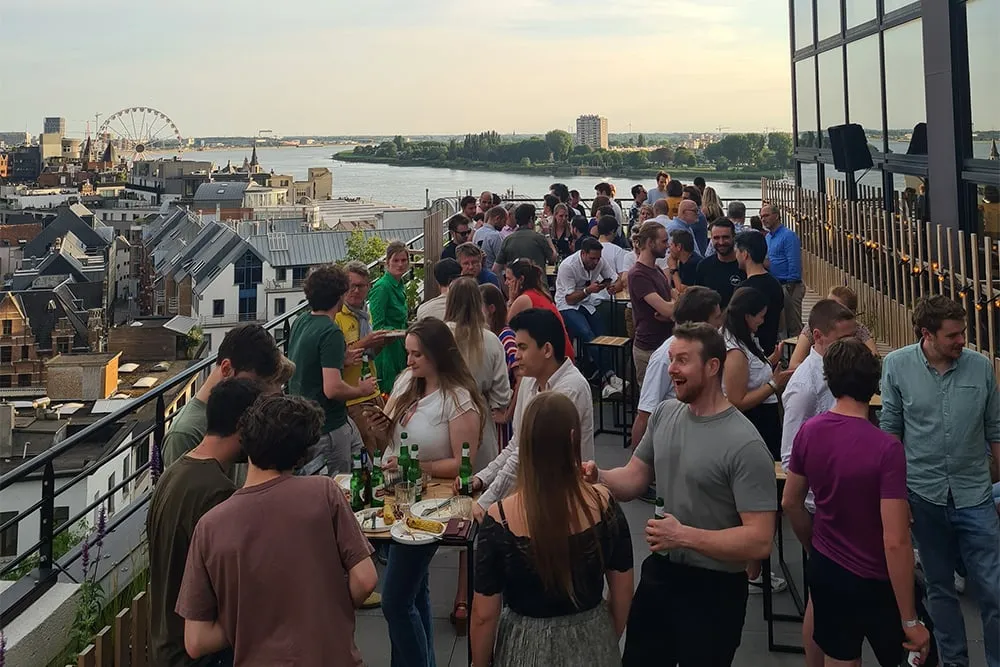
Another example is The Beacon in Antwerp, which focuses on innovative technology companies. “Community building has been central to what we do since we started five years ago. That means actively selecting the companies that want to join our network and organising plenty of events where our members can get to know one another better,” says general manager Inés Sylverans. “Many collaborative projects grow out of chance encounters at one of these events. The fact that you are always among peers here, namely entrepreneurs and researchers thinking about advanced technology, is a major asset.”
That specialisation paid off during the Covid period. “Our occupancy rate never fell below 80%,” Sylverans continues. “Demand for more flexible workspaces did increase, though. Companies are asking for smaller offices, but say they need larger meeting rooms for days when the whole team is in. We can provide that. And as a technology hub, we also actively consider how smart technology can further improve the way we operate.”
MeetDistrict aims to serve its customers by adopting what it calls Personality Based Working, tailoring its offering to the individual needs of a range of professionals, from freelancers to employees of large corporates. To do so, it works with companies from various sectors.
Taking community building further
Office rental is increasingly becoming a means to an end. “Focusing solely on coworking is no longer a viable business model, not least because of high property prices in cities,” says Inés Sylverans, who points out that this reality is pushing an organisation such as The Beacon to build a community that offers its members even more added value. “We have reached a critical point with this. We are sensing a degree of fatigue around taking part in events.”
The newly launched Hubs4Growth consortium was set up in part to address this. It brings together five specialised coworking spaces and communities: The Beacon (Antwerp), Hangar K (Kortrijk), Leuven Mindgate (Leuven), Limburg Startup (multiple locations in Limburg) and Wintercircus (Ghent). “By organising things together, we hope people will find it even easier to make new connections. We also encourage all the companies in our community to get out and look for partners beyond their own region,” Sylverans concludes.
Question about this story? Ask your question
Keep following this
Get an email when a new story is published. No account needed.
- SubjectIndustry