“Automation is the only solution to reindustrialising Europe”
Text Bavo BoutsenImage Beckhoff Automation
German multinational is shaping the industry of tomorrow
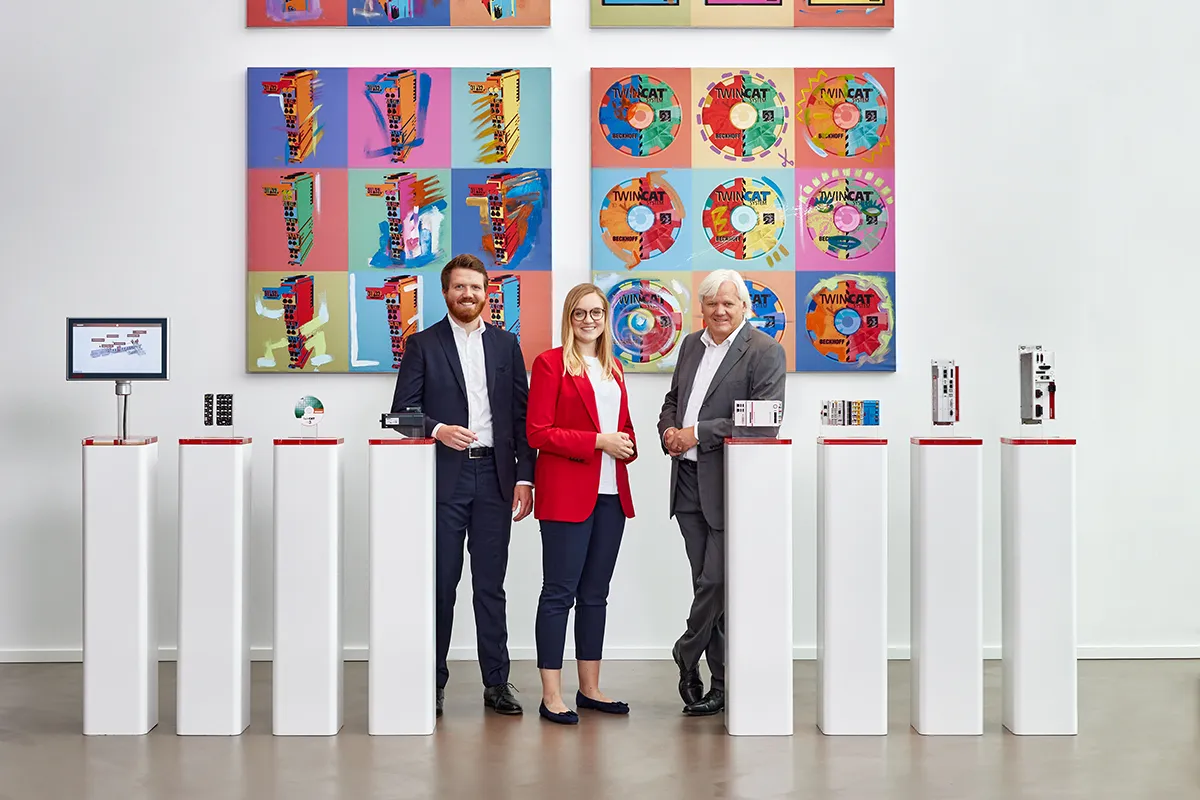
If we are to reindustrialise Europe successfully, we need to make full use of industrial automation. Beckhoff Automation, a German family-owned company that has become an undisputed global player in the field over the past 40 years, is therefore an essential piece of the puzzle for our economic future. The company’s strategic growth trajectory inspires confidence: “Every few years, our product range undergoes a genuine revolution.”
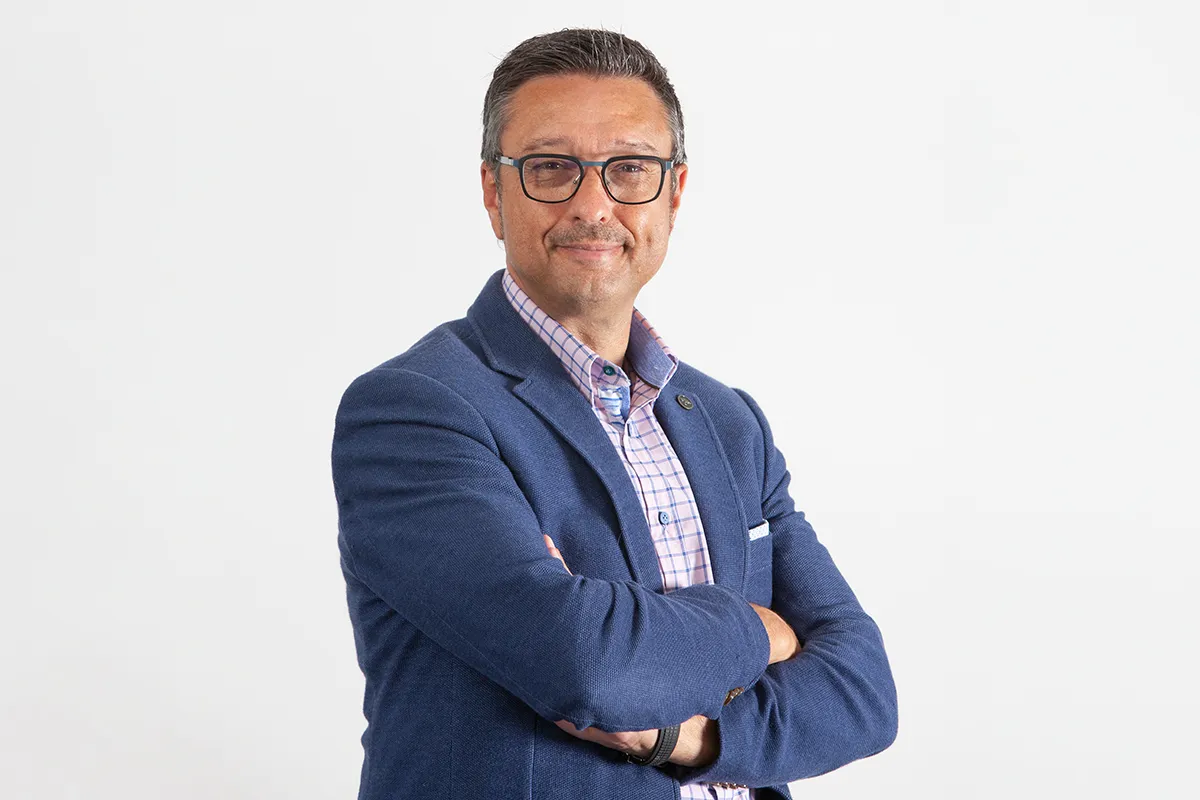
The story of Beckhoff Automation, now a multinational with 5,700 employees, began in 1980. “After completing his engineering studies, founder Hans Beckhoff began building electronic controls for machine operation in his father’s workshop. Even then, he was experimenting with PC-based control systems for electric machines. In fact, he was already working on what we now call smart control systems,” begins Patrick Gielis, General Manager at Beckhoff Automation Belgium.
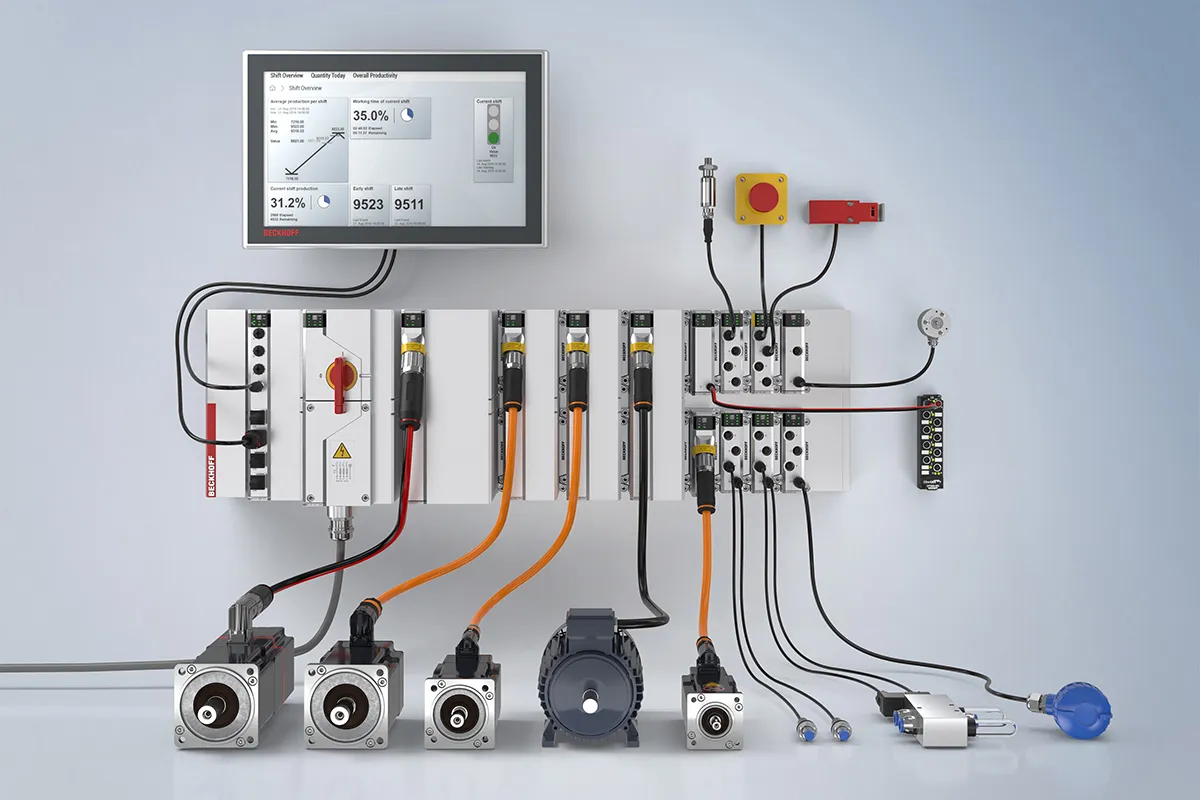
The company’s major global breakthrough came in the mid-1990s, when Beckhoff launched its bus terminal system, which incorporates the PLC electronics. “It was a resounding success. It is still our best-known product. In the early days, we built up a technological innovation lead over our competitors. We have maintained that lead to this day,” says Gielis.
A proactive approach
In practice, this means that Beckhoff keeps its finger on the pulse, anticipating emerging market needs and seeking to meet them. “Every few years, our product range undergoes a genuine revolution. A recent example is our MX system, a control cabinet-free solution for machinery. In other words, the equipment needed to control a machine can be mounted directly on it,” he continues. “This frees up space on the production floor, and staff no longer need specific training to install it.”
Another example of the company’s proactive approach is its focus on cybersecurity across its product range. “Today, our products are connected to one another via a network. That inevitably makes them potential targets for cyberattacks too. That is why we work extremely hard every day to ensure a sufficiently high level of security. This is genuinely becoming a new area of specialisation for us. It is a necessity, given that it will form part of the Machinery Directive in the future,” Gielis continues.
The same applies to the use of AI. “We have been investing heavily in this for years. Our customers often don’t even realise how many AI applications are already incorporated into our solutions. But when you consider that many of our solutions are self-learning, such as Xplanar and TwinCat, it goes without saying that they are based on smart AI algorithms,” he says.
Strategy and hands-on expertise
The company’s solutions are used in virtually every industrial sector. “Machine building is still our core business, of course, but today we are also active in areas such as process automation, water treatment and building automation. The latter is growing rapidly, as we are seeing more and more large, older buildings being renovated and transformed into smart buildings packed with automated applications,” he says. “You can also find our technology in around a quarter of all wind turbines worldwide.”
This remarkable growth trajectory is primarily the result of the company’s clear vision. “We have made a conscious decision to remain family-owned. What’s more, the management team has full autonomy to make decisions and chooses to reinvest the profits,” says Gielis, who also highlights the employees’ outstanding expertise. “In our Belgian division, all our employees, including those in sales, have hands-on industry experience. They have built machines themselves, so they can easily put themselves in the customer’s shoes and, where possible, provide support with programming and engineering.”
Essential to Europe’s future
The wider societal importance of this company’s story should not be underestimated either. “Industrial automation is, quite simply, the answer to the most important political and economic question of the moment,” says Gielis. “It makes the reindustrialisation of Europe possible. If we want to keep industry here and bring it back wherever possible, we need to do so with as much automation as possible. Given the labour shortage and high labour costs, it is completely unrealistic to think we could achieve this through traditional manual labour.”
It is no surprise, then, that the company wants the future of industry to be firmly on the political agenda, including through its involvement with sector federations Agoria and Fedustria. “Automation is the only viable solution, and we can deliver it. That is why we need to ensure policymakers give us sufficient attention and give our technology every opportunity to succeed. This is essential to our future in Europe,” Gielis concludes.
Een zakelijke vraag aan Beckhoff Automation? Get in touch
Companies in this story
Keep following this
Get an email when a new story is published. No account needed.
- ThemeDigital business and automation
- SubjectIndustry
- CompanyBeckhoff Automation