Alstom guarantees job security in Bruges until 2026
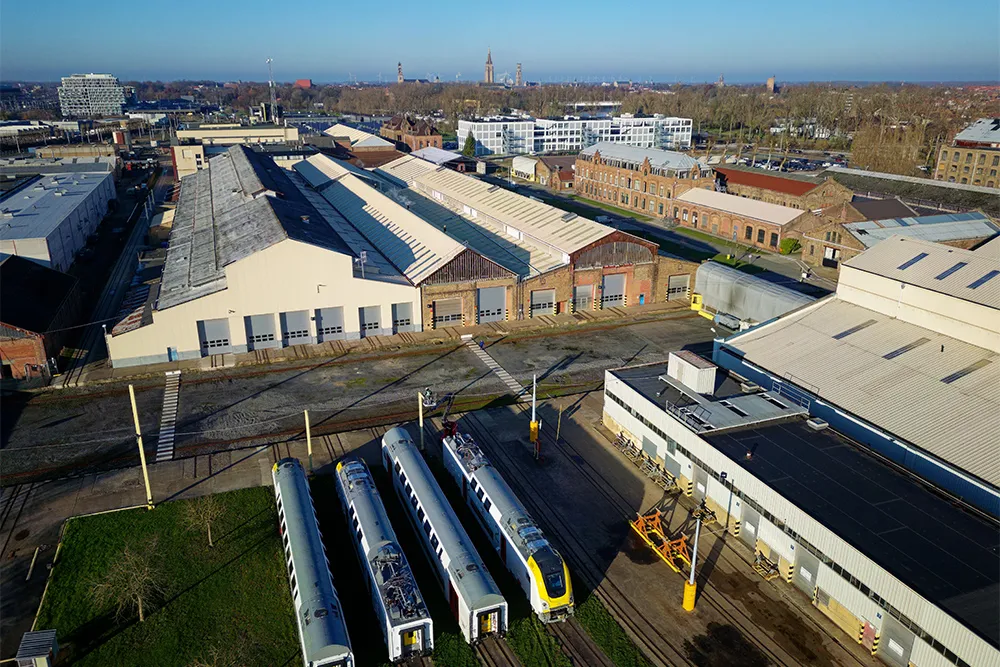
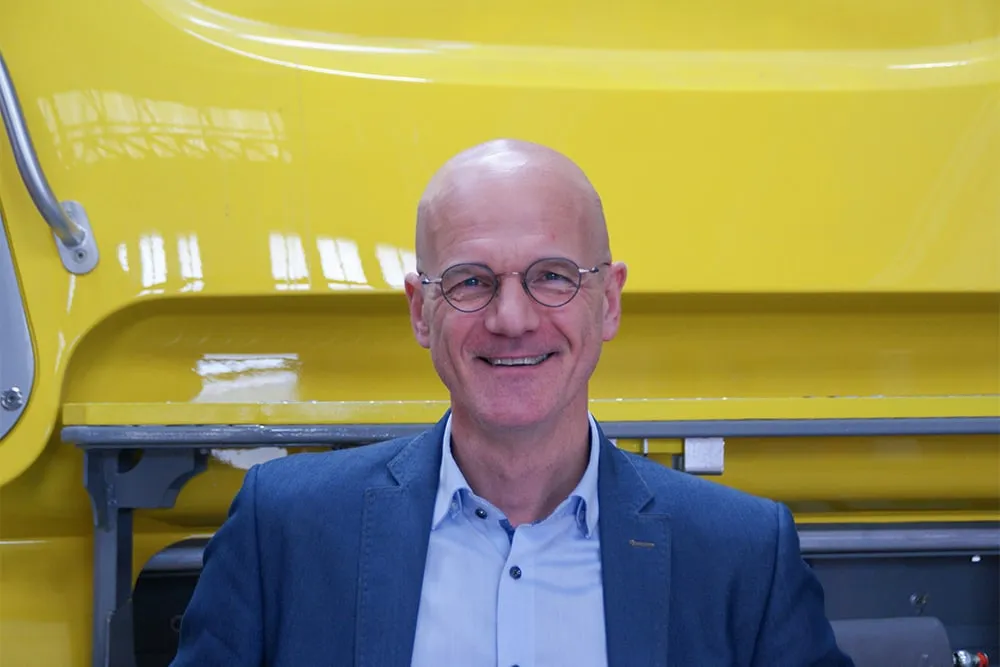
Bruges is mainly associated with tourism and its port. But the region also has a sizeable industrial base. One of its flagship examples is “La Brugeoise”, the factory where trains have been built for more than 100 years. For a long time, the future of the site looked uncertain, but since Canadian company Bombardier was taken over by French train manufacturer Alstom, a new lifeline has emerged. “We are continuing the tradition and looking to the future with confidence,” says managing director Xavier Thaler.
The historic site in Bruges, still known as “La Brugeoise”, has been the beating heart of rail activity in our country for more than 100 years. In recent years, the factory has undergone a complete transformation under its new French owner, Alstom. Since then, the company has managed to ramp up several projects, including the construction of the M7 train. This train includes carriages specifically designed for passengers with reduced mobility. “This project is a perfect fit with our mission to transform the transport sector towards a greener, smarter and more inclusive future,” says Xavier Thaler of Alstom.
With more than 400 double-deck carriages delivered and another 350 in production, Alstom is on track to meet its targets for the end of 2026. “We aim to have all 750 carriages ready by then, so we are working extremely hard, even though it is not always easy,” Xavier continues. The tight labour market is a particular challenge for the Bruges site. “Despite our efforts, our sector still has an outdated image, even though we are working on many innovative things. Anyone who joins us will find themselves in a challenging working environment where skills are constantly being honed.”
Job security until 2026
The Bruges site currently employs 800 people. With a healthy order book through to the end of 2026, job security is guaranteed until then. “As well as producing M7 carriages, we are also responsible for maintaining and rolling out the latest ETCS signalling technology on 214 TRAXX locomotives. The outlook is therefore very promising, particularly as the results of the past three years show that our customers’ confidence is growing. It is also worth remembering that we are now the only train manufacturer left in the Benelux. We can certainly be proud of the technical expertise here.”
But competition in the rail industry remains fierce. “Given Belgium’s high labour costs, we need to achieve high levels of productivity, because our competitors build their trains abroad, where automatic wage indexation does not apply.” As a local player, Alstom, by contrast, is well placed when it comes to accessing the Belgian rail network. “This means we can transport our carriages in an almost CO2-neutral way. We also speak our customers’ language,” Xavier continues.
Bruges’ strengths
The French parent company believes in the Bruges site and has made substantial resources available in recent years to modernise the factory. “Alstom sees us as an important hub for the local market and has made the necessary investments not only to keep our facilities up to date, but also to improve safety and increase efficiency.”
The city of Bruges also recognises the factory’s intrinsic value. “On the one hand, it sees the broader economic impact of our activities. On the other, we believe it is important to strengthen our roots here. We do so by committing to a number of social projects.” In this way, Alstom is keen to demonstrate its commitment to the local community. “All our efforts are in fact a reflection of our core values. They go beyond our business interests and reaffirm our commitment to sustainable development. We intend to continue along this path in the future,” concludes Xavier Thaler.
Question about this story? Ask your question
Keep following this
Get an email when a new story is published. No account needed.
- SubjectIndustry