Why the family business transfer market is evolving from a pyramid into a rocket
Text and images FiLDOR Corporate Finance BV
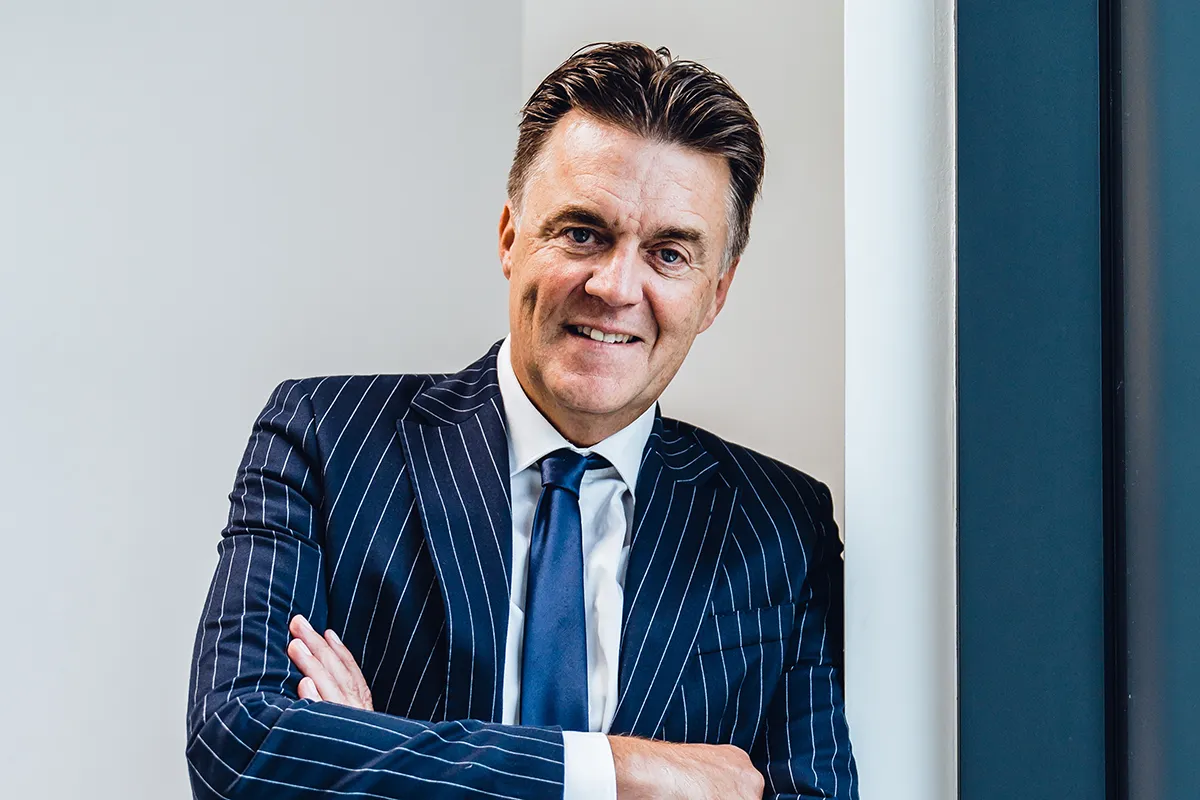
In interviews following the launch of his book “Everything is changing … and for the better”, Professor Koen Schoors said that the economy is at a turning point because of the reversal in the demographic structure. Slower population growth is changing the make-up of our population. This is also affecting the transfer or sale of family businesses to third parties. Filip De Clercq, who has been active in this field for more than 25 years, has seen the market and the management of family businesses change.
Fortunately, we are living longer. The likelihood that, as an entrepreneur, you will live to see your great-grandchildren reach their teens is greater than ever. This adds another generation to the family entrepreneur’s working life, taking the number from three to four. As families get smaller, the family tree is no longer shaped like a pyramid, but like a rocket. According to Filip De Clercq, this demographic shift is already influencing the transfer or sale of family businesses.
Entrepreneurs aged 55 can expect to live for another 30 years. If they still feel physically and mentally fit, they are less likely to want to begin the transfer or sale process for their family business at that point. As a result, the next generation of potential successors will be in their early forties rather than their twenties. They can first spend a few years gaining experience outside the business and helping to raise their children. These are important and enriching experiences for young entrepreneurs and their families.
We are therefore entering a period in which family businesses will come onto the market less frequently. Potential successors will also step in later, but better prepared, alongside prospective buyers in management buy-in or management buy-out structures. As family members, they generally have an advantage when it comes to pricing and payment structures.
The role of government
The government plays an indirect but decisive role. Every business owner planning a transfer faces a dilemma: keep the family business in the family on a sound footing or turn it into cash. The first option is usually combined with a family arrangement and supplementary pension provision. The second requires a large enough sum to live on and leave something to the children.
The Flemish Government has created a favourable regime under which family businesses can be transferred to the next generation at a zero rate. Families that choose this option avoid inheritance tax on family assets, but must take care not to burden the business with excessive financial commitments.
If the entrepreneur opts to sell the family business, they receive cash. However, the sale proceeds are subject to inflation. The net return they generate in the financial markets will usually be lower than the net return generated by the family business. The sale proceeds will also eventually be subject to inheritance tax, and the sale transaction may be subject to capital gains tax. Even though selling the family business is the best option for many entrepreneurs, it is no longer a straightforward choice. Will I still have enough pension income as an entrepreneur? How should I manage this money to make the most of it as part of my succession planning? And so on.

Could private equity and Multi Family Offices offer a solution?
25 years ago, Filip De Clercq left the banking sector to become an Investment Manager at a regional private equity fund backed by family business owners. The fund aimed to provide financial support to families looking to transfer their family business. Private equity was still in its infancy in Flanders at the time. There were no more than a dozen players in the market. Today there are a few thousand, and the market is much more professional.
This wider choice gives family business owners a much better chance of finding a party that fits their DNA or that of their business. Several private equity firms are also open to gradual transfers or transfers in stages. This makes it easier for an entrepreneur and their family to decide to transfer the business. However, the professional transfer process requires expert guidance.
Over the past few decades, Filip De Clercq has also seen the Multi Family Office market emerge. First, leading entrepreneurs set up a private equity fund after selling their business. They then began pooling their resources to diversify their investments. As the sector became increasingly professional and expertise grew scarce, Multi Family Offices emerged from the private equity market. The fund’s managers and experts no longer serve only the fund, but also the families behind it.
This trend could also take hold among families that choose not to sell their business to third parties. This is an attractive option for family businesses. By joining a Multi Family Office, the business can remain in the family while retaining the favourable inheritance tax treatment. Returns are also assured, and the family can call on a team of dedicated experts.
Filip De Clercq sees the range of options available to family business owners continuing to grow. This is a positive development for family owners, but it calls for expert guidance. With FiLDOR Corporate Finance BV, he aims to provide just that.
Question about this story? Ask your question
Keep following this
Get an email when a new story is published. No account needed.
- ThemeBusiness transfers and acquisitions
- SubjectHR, finance & IT