




“There is only one solution: diversify your risks and insure against losses”
Text Björn CrulImage Atradius
Donald Trump’s tariff policy is a gamechanger for world trade
Over the past few weeks, the focus has been firmly on the import tariffs that US President Trump wants to introduce. By imposing additional duties on imports of foreign products, he wants to encourage companies to produce more in the US again. The downside is that the risks for those involved in international trade are increasing. What is more, there is still no sign of a lasting recovery in the European economy.
International stock markets have been on a rollercoaster ride. The tariff war that Donald Trump denied was under way with his ‘Liberation Day’ announcement in early April sent shockwaves through all stock markets, comparable to the outbreak of the Covid-19 pandemic. Just over a week later, the US president announced a 90-day pause on most of the increased import tariffs “to allow room for negotiations”. But the spectre of much higher import tariffs, up to 125% for China at the time of writing, has not gone away.
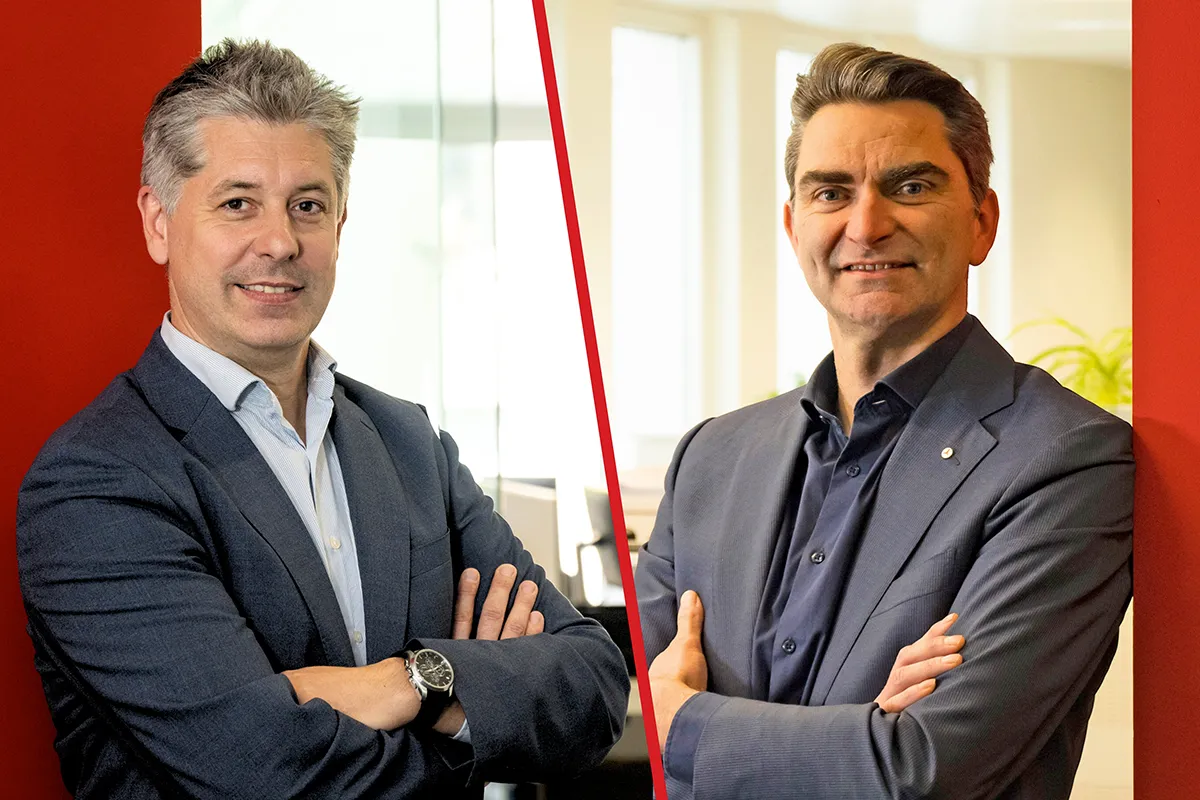
“It is clear that we are in a completely new situation for world trade,” says Dimitri Pelckmans. He is Head of Risk Services at credit insurer Atradius. “The speed with which the Trump administration has been making changes since taking office three months ago is unprecedented. We see China responding immediately to every move with countermeasures on tariffs and raw material exports. The European Union is proceeding more cautiously. At the same time, we note that several European countries are putting their own interests first and considering lobbying in Washington themselves.”
Diversify and tap into new markets
In any case, tighter US import restrictions pose a risk to European companies, including Belgian ones. Pelckmans: “America is an important market for many exporters. You cannot make up for that market share overnight. That is precisely why some brewers, for example, rushed to export large volumes of beer to avoid the new tariffs. I have also heard that some machinery manufacturers had already raised their prices, so they will have more margin later and will not have to pass on the full price increases to their American customers.”
More than ever, the advice is to diversify your geographical presence sufficiently and tap into new markets. From Belgium, this means looking at promising markets such as Canada and Latin America, among others. “Atradius can support companies that want to take a considered approach,” says country manager Frederik Devooght.
“We can check whether new foreign customers are creditworthy, insure transactions or, when entering a completely new market, provide lists of creditworthy prospects. This enables companies to start operating abroad not only faster, but also with less risk.”
Risk of more late payers
Meanwhile, another effect is at play: the increased uncertainty comes on top of the competitive pressures and sluggish growth that European industry has been facing. Frederik Devooght: “We have certainly noticed that most companies’ turnover over the past two years has been significantly lower than in the early post-Covid period, when we saw a strong economic recovery. In Belgium in particular, inflation has also risen sharply, with labour costs increasing by around 20% as a result of automatic wage indexation. Companies recording lower turnover and facing higher interest payments on their debts are more likely to run into trouble. If this results in late payers, a domino effect on other companies is not far off.”
That is precisely why credit insurance is a good idea. “Here is a simple example: suppose your company has a profit margin of 5%. If you are faced with an unpaid invoice for 10,000 euros, you would need to generate an additional 200,000 euros in turnover just to make up for that one invoice,” explains Atradius’s country manager. “SMEs often assume that credit insurance is expensive, but we are happy to discuss their needs and develop a suitable, tailored proposal. And then it really does turn out that the cost is quite reasonable relative to the risk.”
Question about this story? Ask your question
Keep following this
Get an email when a new story is published. No account needed.
- SubjectHR, finance & IT







