The advantages of a multi-family office that also manages wealth
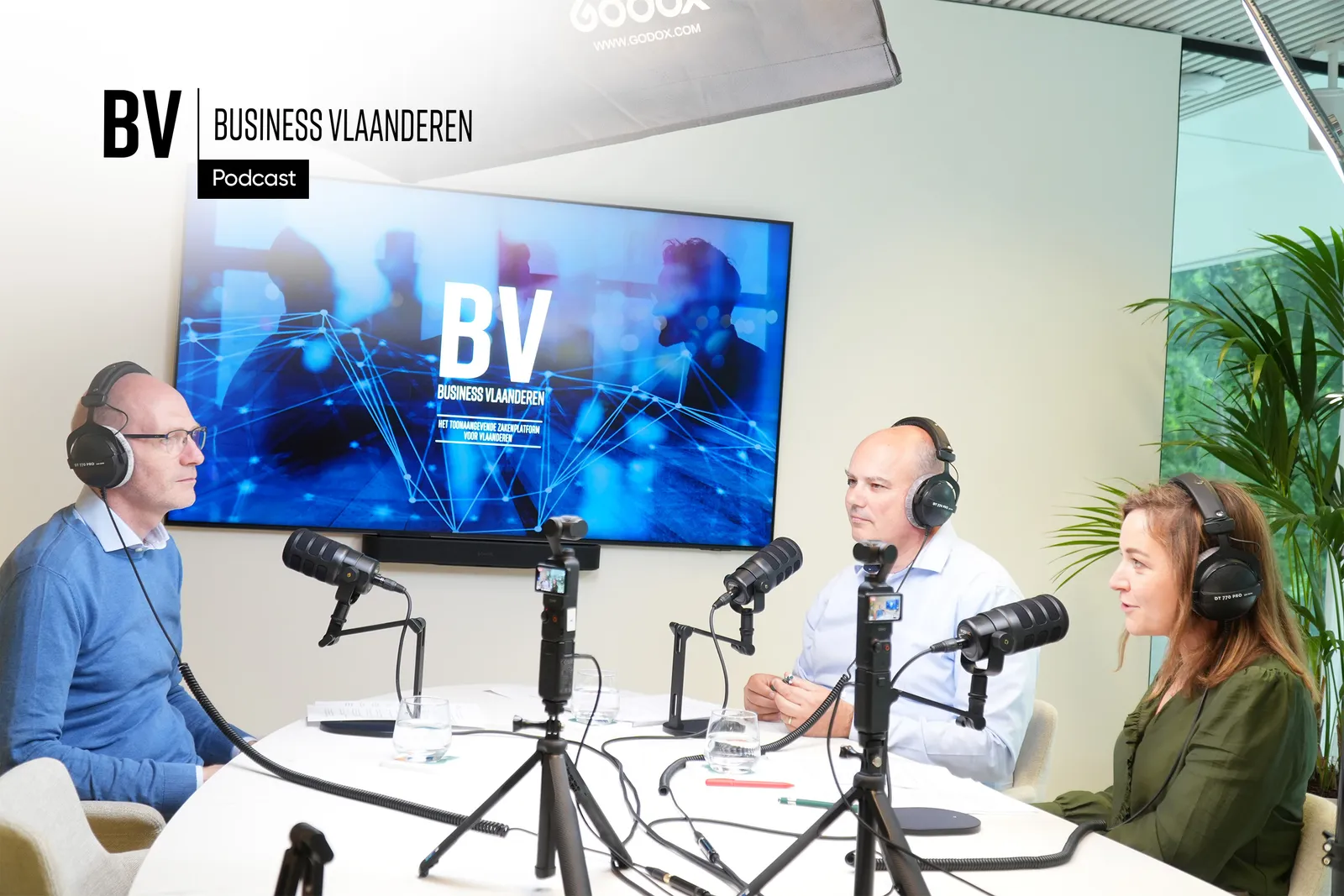
Host: Björn Crul
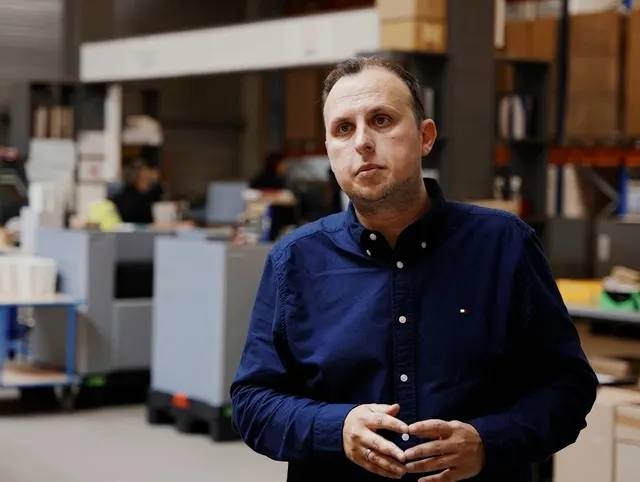
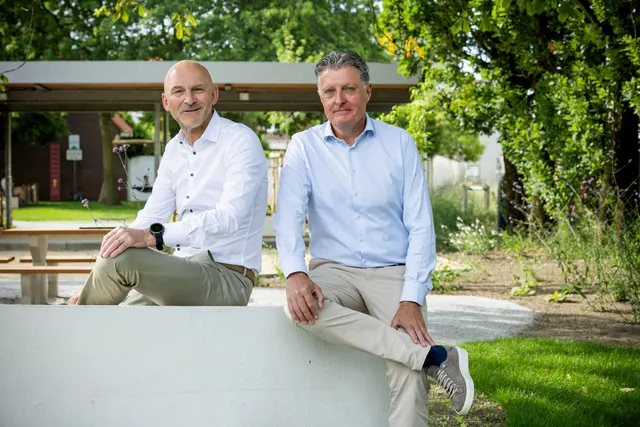
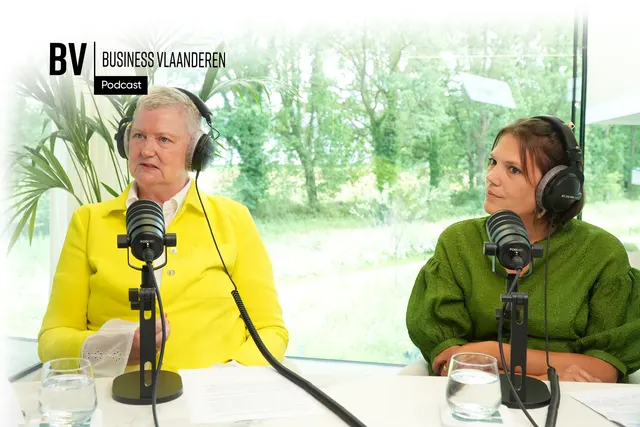
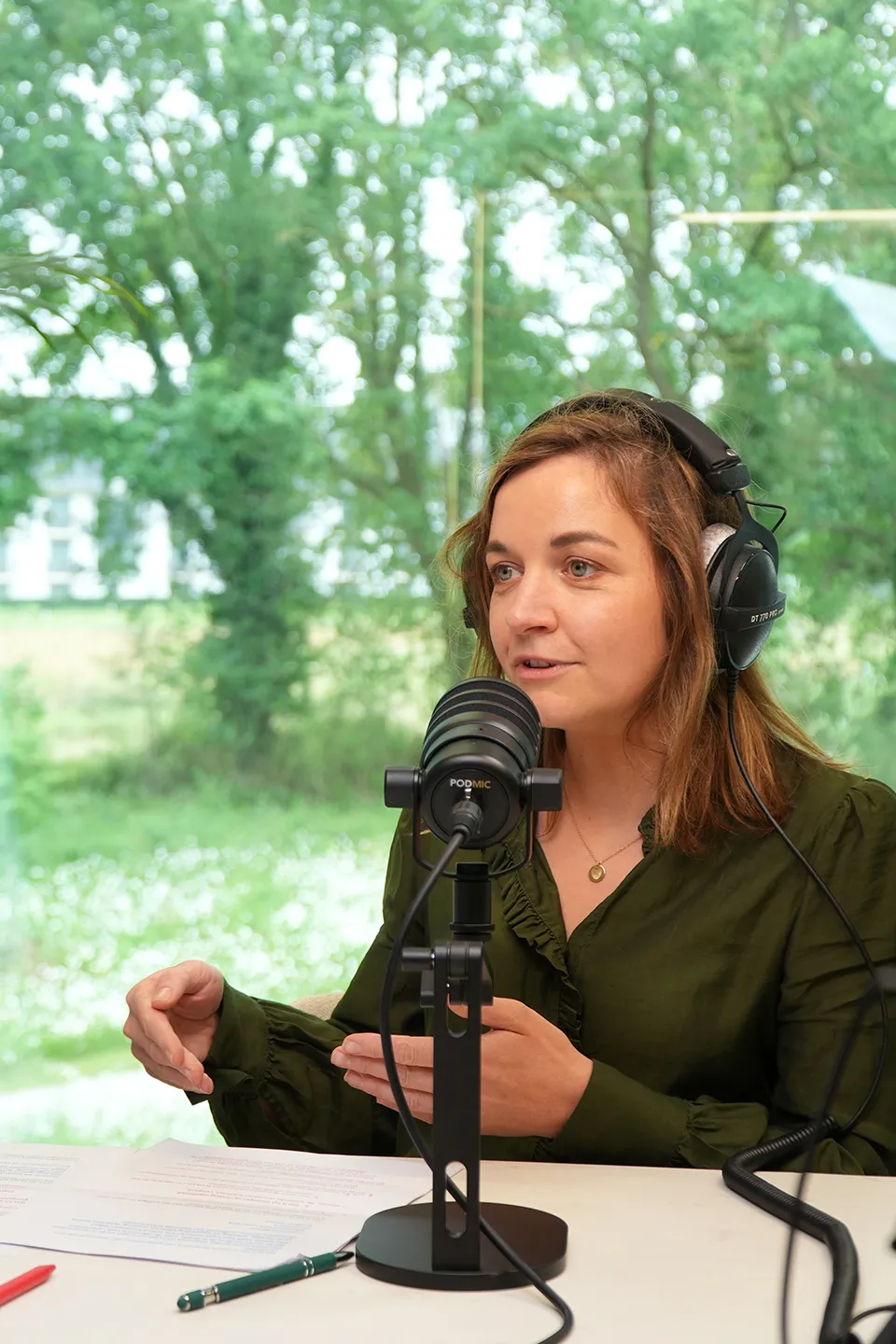
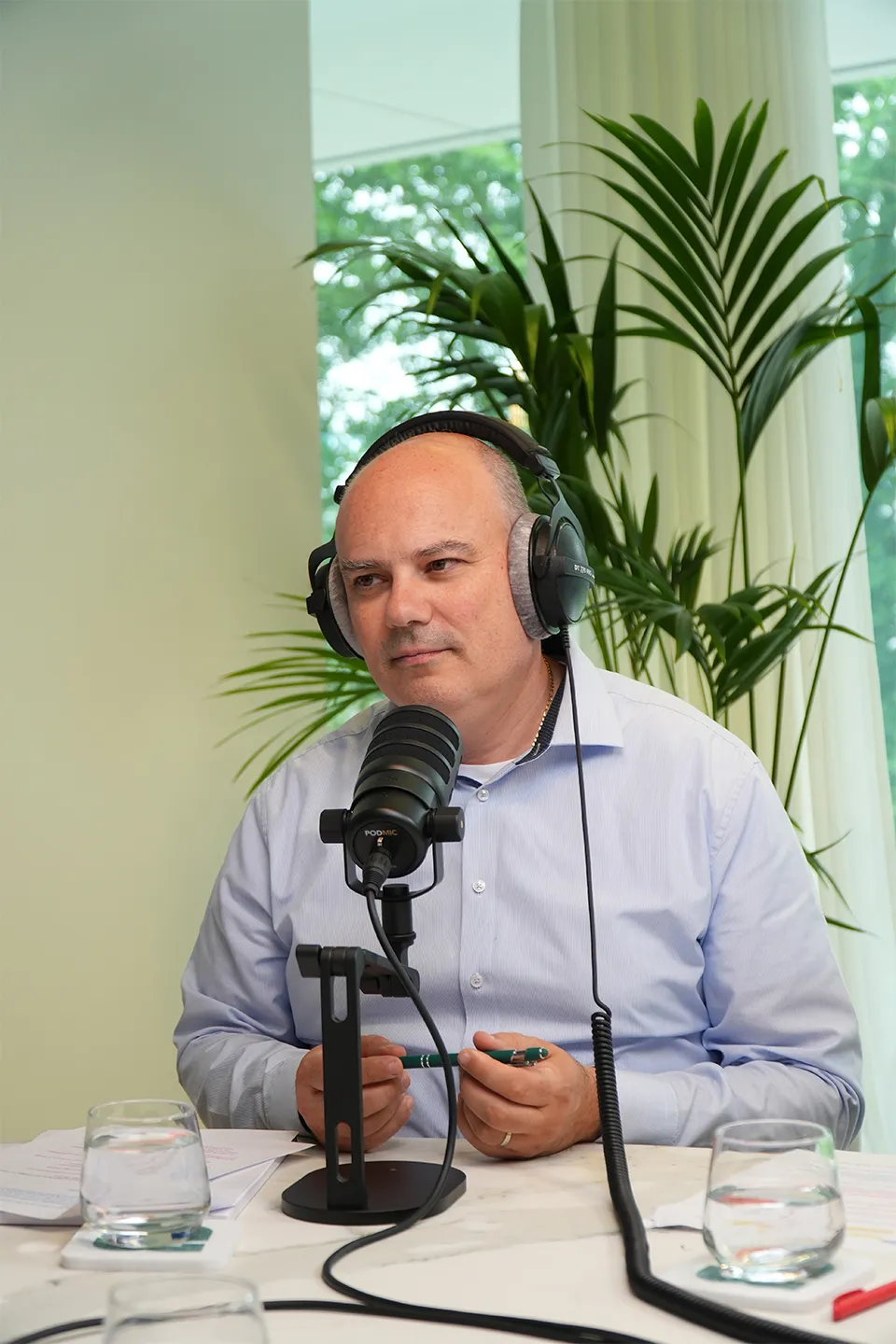
This Business Vlaanderen podcast looks at how entrepreneurs manage their wealth after selling their business, and the role a family office plays in that process. Guests are Stefaan van den Berghe and Melanie de Pauw.
From entrepreneur to wealth manager
According to Stefaan, managing wealth is very different from running a business, but the same principles still matter: working with a strategy, targets, figures and a long-term vision. One major difference is that family members become much more involved in decisions about wealth than in the day-to-day running of a business.
Een zakelijke vraag aan Truncus Family Office? Get in touch
Full transcript
Björn
00:02 Hello, listeners, and welcome to a new Business Vlaanderen podcast. How does an entrepreneur’s life change after selling their business? What are the challenges involved in managing your wealth afterwards? And how can a family work together on wealth planning?
00:17 Those are the questions we’ll be exploring today. I’m Björn Krul, and joining me at the table are Stefaan van den Berge, CEO and Senior Family Officer at Truncus, and his colleague, Family Officer Melanie de Pauw.
00:32 Welcome to you both. Stefaan, let me start with you. An entrepreneur who has spent years building up a business will, of course, have a wealth of experience and, let’s assume, a good grasp of finance. But managing wealth is still a different matter, isn’t it?
Stefaan
00:47 That’s right, Björn, it is indeed different. But then again, it isn’t. Over the course of their career, entrepreneurs become accustomed to looking at things in a certain way.
01:01 They work with a balance sheet and an income statement. They work with a strategy: where do I want to be in five years, where do I want to be in ten years? That is an approach we have also adopted at our family office, so that we can guide people who have sold their business in the same way.
01:21 It means they can continue working in a familiar way, which helps us get them on board more quickly and take… the right steps. The approach may be similar, but there are also some important differences.
01:40 One important difference is that, just as when you’re an entrepreneur, you need to surround yourself with the right people, both before and after selling. But the profile of the people you surround yourself with is different.
Read the full transcriptCollapse transcript
01:56 That is different. Another key aspect that changes completely is the role of the family. As long as you’re an entrepreneur, it is often the person running the business, the entrepreneur themselves,
02:10 who consults relatively little with other family members. Usually, they discuss things only with people in the business. But when it comes to wealth, we see that the family patriarch or matriarch, or whoever it may be, does consult their family.
02:28 So the stakeholders change, and the way people communicate about wealth, rather than the business, changes substantially too.
Björn
02:38 We’re talking about a family office, which entrepreneurs use to invest their wealth with clear objectives, monitor those investments and arrange succession planning. There are a number of very concrete examples, including some well-known ones here. I’m thinking of Alichlo, the family office of Mark Koeken, and Coris, founded by the Koolruid family.
02:56 Melanie, how would you sum up what a family office actually does?
Melanie
03:02 Essentially, a family office takes care of all the financial affairs of a wealthy family, or wealthy families. In practical terms, you can sum this up under four main headings. The first is financial management.
03:18 This means drawing up and monitoring a financial strategy, both at an overall level and across different asset classes. The second is administrative support: reporting on wealth and making sure everything runs smoothly.
03:35 Tax and legal support is also important. This includes providing tax advice, planning wealth and organising it within specific structures, all of which form another key pillar. Finally, one area that has become increasingly important in recent years is wealth governance.
03:53 This involves organising family council meetings, drafting a family charter, ensuring smooth communication between family members and, if necessary, mediating between them,
04:06 should a conflict arise.
Björn
04:08 Your company, Truncus, is a multi-family office. How does that differ from a single-family office?
Melanie
04:16 A single-family office serves one family, whereas a multi-family office represents the interests of several families. In our case, we work with 80 wealthy families.
04:28 The services we provide are broadly the same, whether it’s a single-family or multi-family office. But the way we are organised is different. As Stefaan said, managing wealth is a very complex matter.
04:45 It requires a wide range of skills and, therefore, a variety of profiles. A multi-family office makes it easy to organise this. We currently have around 36 people working in our family office, for example.
05:00 Another key pillar is the scope for cross-fertilisation. We work with 80 different families, so we see what works and what doesn’t for each one.
05:12 We can then draw on that experience and expertise and share it with our other families.
Björn
05:19 Stefaan, let’s look back. You started out 25 years ago in an accountancy environment. Is that still relevant today?
Stefaan
05:28 Yes, absolutely. We started out 25 years ago working for two families. They were entrepreneurial families that had sold a business. We began in a familiar accountancy environment.
05:43 And that approach I mentioned earlier… The idea is to work with a balance sheet and an income statement, and to have a strategy. We ask what needs to be done today to be in a certain position in three years, or five years. This approach comes from the world of entrepreneurship.
06:04 That entrepreneurial DNA, that way of looking at things, is deeply ingrained in us. I think that when people ask what sets us apart, that is the most important differentiator.
Björn
06:18 I heard Melanie say that you now work with 80 different families. How does that influence the way you approach investment?
Stefaan
06:26 It doesn’t change the investments themselves very much. We try to apply the same approach everywhere. I’ve used that word a few times now, but it really is important.
06:40 What we find, though, is that each family places emphasis on different things. There are several areas to consider, such as how wealth is invested, which is what you’re referring to. There are also tax and legal matters, administrative support, governance and communication within the family.
06:57 These are all different aspects, and each family will have its own priorities. One might say, “We already have a wealth lawyer and everything is well organised. We don’t need a family office to support us with that.”
07:12 But what we do need help with is finding someone who can think through our asset allocation and how to invest our wealth. So each family comes to us with its own specific questions.
07:25 When we start working with a family, we often present them with a menu, a bit like in a restaurant. It lists everything we could do for them, and it is based on our experience with those 80 families.
07:39 It includes all the questions we’ve been asked about different topics over the years. Families can then look through it and say, “I really need support in this area. Can you help me?” So our services are very broad, but are tailored slightly differently to each family’s needs.
Björn
07:58 Melanie, what is the starting point for working with a family? How do you begin developing a strategy that will hopefully lead to successful investing?
Melanie
08:09 This is where our accounting background comes to the fore again. We always start by taking stock in three different areas. The first two are very factual: they provide a balance sheet, or snapshot, of the current situation.
08:26 Here again, you can see that we follow the same approach. First, we look at how the wealth is made up. What assets are there? What bank portfolios? Property? Any private equity? Which specific holdings? What about borrowing? What does the balance sheet look like?
08:48 The second area is tax and legal. This concerns ownership structures. How is the wealth structured? Who owns what? Are there already structures, such as companies or partnerships, built into the wealth?
09:04 What is the legal position? The third area is more abstract and concerns objectives. This is at least as important as the first two. Here, we work with the entrepreneur or family to understand what they want to achieve.
09:25 We ask specific questions. We look at where you see yourself and your family in five, ten or twenty years. We then use that assessment to develop a strategy.
09:38 In other words, we match the current situation, areas one and two, what is already in place, with those objectives. Then we assess whether the current make-up of the wealth can deliver what you want to achieve.
09:52 If it can’t, we develop a strategic plan. We look at what needs to be done to achieve those objectives. We then work with the family to implement the plan and ensure that those objectives can ultimately be achieved.
Björn
10:09 Yes, Stefaan, objectives are the holy grail you work towards for a family or an individual. Now, if you ask an entrepreneur or former entrepreneur what they want to achieve, what their objectives are, what answers do you actually get?
Stefaan
10:24 The first answer may be a little surprising, but it’s usually something like, “Well… I don’t actually know.” Yes, yes. “What do other families do?” That’s usually the first answer we get. We’ve now put together a list for this too. Sometimes there’s no need to make things difficult.
10:41 We have 80 families, and we’ve defined objectives for all of them. We have one big list containing all the objectives of those 80 families. We go through it together with each family, and they soon start to form an idea.
10:58 A few key clusters always emerge. The first expectation, or objective, is always around returns. We look at this in terms of a three-stage rocket, typically. First, preserving capital, which is very important.
11:15 Then preserving purchasing power. This is often overlooked, because you may be able to preserve capital, but then you can do far less with it over time. So preserving purchasing power is the second objective. The third is to aim for growth above and beyond preserving purchasing power.
11:30 That’s our tiered system for return expectations. We also often hear people express a desire to create an income stream they can live on. That’s quite normal too. Another classic is a second home. Buying apartments comes up very often. Buying something abroad.
11:51 Usually, it’s something the family can use. Often, they have grand plans, because they imagine inviting everyone there for Christmas and so on. These are common aspirations. Do the children play a role in this? Usually, yes. It’s something we advise too.
12:10 The parents or the selling party can set the objectives, but we aim, or our ambition is, to work across generations. So if you want to set objectives and ensure they can be maintained over the long term,
12:27 it’s best to involve everyone in the family. So yes, the children too. That can sometimes bring different dynamics, as they may have different aspirations. But if I may, I’ll hand over to Melanie for a moment. In our organisation, when we work with a family, we often work in pairs.
12:46 Often, one person works with the parents, and someone else works with the children. The reason is that the person working with the parents is often seen as “our parents’ adviser”.
13:01 But that doesn’t necessarily mean they’re the person the children want to talk to as well. They’re in a different world, and we’re of a different generation. So in the pairs we work in, I often work with the parents, while Melanie is brought in to support the children.
13:17 Melanie, it’s important for the children to get involved with the wealth early on. Yes.
Melanie
13:24 Absolutely. We find that the earlier, and especially the more focused and purposeful, the next generation’s involvement in managing the wealth, the smoother the eventual transfer of control.
13:40 In our view, involving the next generation has many benefits for both generations. Younger family members show greater responsibility and ownership when they are involved and know more about the wealth.
13:55 For the older generation, or the generation currently in charge, we also find that it brings considerable peace of mind when they can see, and measure in practice, that the next generation really has the tools to take over later on.
14:15 I also think it’s important to mention that when knowledge is passed on and involvement is handled well, we see far fewer conflicts between generations later on.
14:30 The culture, values and vision are also passed on very effectively at that point. And
Björn
14:37 How do you put that into practice? We Flemings aren’t always comfortable talking about money, are we?
Melanie
14:44 That varies from family to family. Some families are more open about it than others. But the first step is really to provide information. In practice, that means inviting the children to our quarterly meetings with the family,
15:03 or to a meeting with a bank or an asset manager, for example. This means they are informed about the composition of the wealth from the outset.
15:17 We also regularly hold family councils, where the children are given a presentation on the current structure of the wealth. Many families also take the next step, for example by undertaking external training programmes.
15:32 We also have our own next-gen network, Roots, where we aim to give the next generation a degree of commitment and ownership, so they can take the reins themselves.
15:47 Once the information stage is complete and the next generation has a clear understanding of the wealth, how it works and how their parents manage it, a new phase begins.
16:00 This is about gradually handing over responsibility. We see parts of the wealth, or control over parts of it, being passed to the next generation in small steps over time.
16:15 When the patriarch or matriarch sees that their children are doing well and really have a good grasp of things, they usually hand over a little more. This might be an investment portfolio, for example, or the monitoring of a number of private equity commitments.
16:32 And so the process gathers momentum. More and more is gradually handed over, or more and more control is transferred to the next generation, until the two generations stand side by side as equal business partners. One
Björn
16:48 People sometimes say that today’s next generation has a very different outlook on life from the generation now passing on its wealth, let’s say those in their fifties and sixties. Do you find that the children view wealth differently?
Melanie
17:06 We don’t find so much that the children view wealth differently, but we do see that they approach investing and the financial world differently.
17:20 I think this is partly linked to the changing times and the fact that the financial world has become much more complex in recent years. In the past, it was very straightforward. You had shares, bonds and cash, and you could decide how to allocate your assets. That was it.
17:39 Today, there are many other things you can invest in. There’s a lot of private equity on the market. International investments have become more common, and crypto has emerged too, for example.
17:52 We find that the younger generation spends much more time gathering information and actively looking for ways to generate returns and grow the wealth.
18:05 Whereas we used to have primarily a reporting role, we are now much more of a trusted adviser and sounding board for the next generation.
Björn
18:17 Yes, Stefaan, you said that when you work in pairs, you tend to advise the parents. I imagine that investing also raises many legal and tax questions.
18:30 How should we structure things? Where can we optimise? How do we set up succession planning and a gradual transfer to the next generation? How do you support clients with this?
Stefaan
18:43 We have our own estate planning department because we believe it is an integral part of supporting a family. Here too, we start with the situation as it stands. We look at how the marriage contract is drawn up.
18:59 Is there a will? Have any gifts already been made? Are there any partnerships or companies? We map out all these details, then carry out a scenario analysis. What would happen if something happened to one of the parents?
19:14 That could mean a declaration of incapacity, or an actual death. We then look at what happens to the wealth and how things would work legally. Put simply: who gets what? Who has to decide what?
19:27 The second aspect is tax. How much of the wealth will ultimately be subject to inheritance tax? We discuss these points with the family and consider whether the statutory arrangements meet the family’s expectations.
19:46 The distribution is usually fine, but tax is often where concerns arise. We then look at putting plans in place. Unlike decisions about how the wealth is invested, where the next generation is often actively involved,
20:04 in estate planning we find that the parents usually remain firmly in control, while the children, as beneficiaries, naturally have less say than they do in deciding how the wealth is invested.
Björn
20:21 Let’s return to the story of Trunkes itself. I think another thing that makes you unique is that you’re not just a multi-family office, but also an asset manager. What prompted you to set up your own asset management department after around 10 or 15 years?
Stefaan
20:39 We’ve been doing this for almost 15 years now. It was a natural step. We’ve always developed our services in response to the questions we received from clients. After the 2008 crisis, we started getting more and
20:58 more questions about what exactly they should invest in. Is this a good fund? Should I invest in this share? Should I buy that bond? But the issue in Belgium, and in Europe generally, is that you can’t simply give this kind of advice.
21:17 Unless you have a licence as an asset manager. We wanted to take that step for our families too, so that we could offer a complete service, right through to constructing an investment portfolio.
21:33 To do that, we began the process of obtaining an asset management licence in 2013. We received it in 2014. Since then, we’ve also been able to put together portfolios for families in very practical terms.
Björn
21:51 Looking at your own portfolio, it consists of seven funds. What do these funds invest in? And what makes them different from those of other asset managers? We
Stefaan
22:02 We currently have around seven funds. There’s a bond fund, a patrimonial fund, and some equity funds. There’s also a private equity fund. The idea behind them is always the same. We see…
22:21 what is happening in the portfolios of our families and the wealth managers they are clients of. We have software that brings together all the transactions carried out by all the different parties,
22:35 for all the different clients. These parties include wealth managers in Belgium and major banks in Belgium. They also include wealth managers in Switzerland, Luxembourg, Monaco and the UK.
22:52 So, through our family office activity, we have a very good picture of what is happening in the world of wealth management at any given time. Let me give you an example. If five parties all buy Apple shares in the space of a week, that shows up on our radar.
23:09 Our software sends us an alert, and then we follow up on it. There may be something about Apple that is worth investing in. This also applies to themes, and to certain good funds that start cropping up here and there at a particular time.
23:26 We use the insights we gain from this to put together our own funds.
Björn
23:33 Melanie, what clients do you offer wealth management to?
Melanie
23:43 Our wealth management service is available to clients with investable assets of at least 500,000 euros, provided these can be built up to 1 million euros. We basically distinguish between three different types of clients. Some clients use us solely for wealth management and are not part of our family office.
24:03 We also have clients who are solely family office clients. And most of our clients…
Björn
24:10 How are clients involved in their investment portfolios and in the specific preferences they have built into them?
Stefaan
24:16 At the outset, we have a very in-depth discussion to find out exactly what you want, what your risk appetite is and what returns you expect. The portfolio is then put together on that basis.
24:30 Most of our clients’ input comes at that stage. We find that around 95% of our clients subsequently give Truncus a discretionary mandate.
24:44 This means that Truncus puts together and manages the portfolio according to its own judgement. The other 5%, a smaller group, have an advisory mandate,
24:58 which means they have to be informed each time a transaction is proposed, and the family has to give its approval. That is not the case with a discretionary mandate. The portfolio manager carries out the transactions themselves.
25:12 We have a strategy of visiting our clients four times a year to update them on how things are going. Sometimes it’s good news, which is nicer, of course. Sometimes it’s not such good news,
25:25 but even then, you have to go and speak to your client and explain what is happening. During these discussions, we review what has happened since the previous meeting, the results it has produced and what we are working on in preparation for future transactions.
Björn
25:41 Melanie, we’re living through a period of significant volatility, partly because of everything that is happening geopolitically. Do clients ask you a lot of questions about that? And what advice do you give at times like this?
Melanie
25:53 Our advice on that is perhaps a bit of a cliché, but it’s to stick to the plan. You have a long-term strategy, so stay true to it.
26:05 Try to avoid making emotional decisions, such as pulling out of the market or selling, because afterwards… you’ll regret it. I also like to compare this a little with the mindset of an entrepreneur.
26:22 If you’re an entrepreneur and something happens that makes business in your sector a little tougher, you don’t suddenly change your company’s business model. You don’t start doing something else. You take steps to hedge against the risks.
26:39 You look at how you might make a few tweaks. But you also stay true to your own strategy.
Björn
26:48 We’re almost out of time, but I’m going to give both of you the chance to share one message, one tip or one piece of advice with our listeners. What would it be? Stefaan?
Stefaan
27:00 In three words: start early. Someone who is selling their business will usually start preparing it two or three years before the actual sale. That takes a great deal of effort. I think it’s important to do the same here.
27:16 But after the sale, suddenly you have a sum of money sitting in your account. Our advice is to make sure that, by the time that money is in your account, you have your plan and your structure in place for the next stage of the journey. Melanie?
Melanie
27:34 I have one more great tip that I always like to share with all our families. We’ve talked a lot about goals. Goals are really the framework that underpins our entire approach and strategy. But don’t forget that having fun can also be a goal.
27:51 The return on a boat in Ibiza or a holiday home in the south of France may not be among the highest, but it will have given you plenty of fun.
Björn
28:05 I think that’s a lovely note to end on. Melanie de Pauw and Stefaan van den Berge, thank you for this conversation. Thank you. And thank you, listeners, for your attention. If you’d like more inspiration, I’d invite you to visit our website, businessvlaanderen.be.
28:20 Until next time.
Companies in this story
Keep following this
Get an email when a new story is published. No account needed.
- SubjectHR, finance & IT
- CompanyTruncus Family Office