Over-50s as a solution to labour shortages
Text Roeland Van Den DriesscheImage Bureauvijftig, Sixie

“An ageing population offers opportunities for businesses”
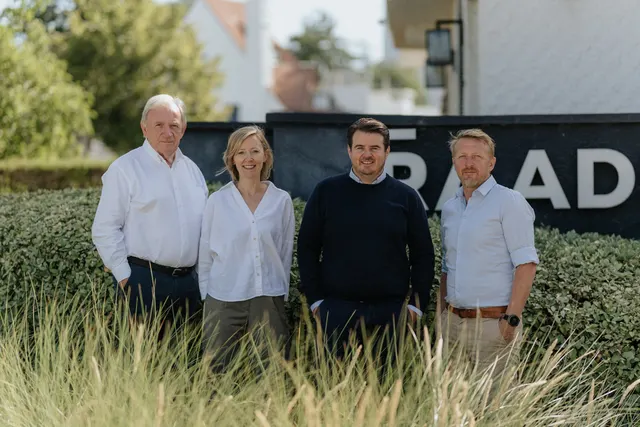
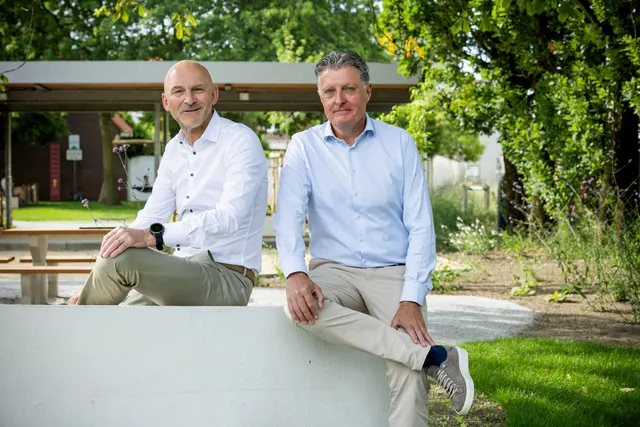
At a time of labour shortages, it is essential not only to recognise the value of over-50s in the labour market, but also to make use of it. Older employees bring a wealth of experience, knowledge and stability to the workplace. Strategy consultancy Bureauvijftig and recruitment firm Sixie are convinced of this. “There are many persistent prejudices, but the potential of over-50s is enormous. They do, however, need a tailored approach,” they say.
Let’s start with some figures. Job site Indeed surveyed 1,000 over-50s last autumn. Four in ten want to continue working part-time after reaching retirement age. One in five would even consider a full-time job. Their main motivation? Continuing to work is good for both their health and their sense of happiness. On the other hand, almost half say they also want to work to make ends meet financially. “And that presents an opportunity for a labour market facing a staffing shortage. Retiring at 65 should be a matter of free choice, less dependent on the goodwill of the employer,” says Filip Lemaitre.

A tailored approach
As the founder of Bureauvijftig, Filip speaks from experience: in recent years, his company has advised countless organisations and businesses on how to better reach, engage and serve the new generation of older people. “There are quite a few misconceptions about older employees. Contrary to popular belief, they are off sick less often than younger employees, but for longer periods. This makes them easier to replace temporarily, so they are reliable and stable employees that a company can count on.”
The figures do, however, come with a caveat. “Recognising the potential of over-50s is one thing, but they also need a tailored approach,” says Filip. “If companies go all out to attract young talent, they should also think about how to continue making good use of their older employees. That is why I advocate organising a career review later in life, to assess carefully what the employee still wants and is able to do. There must also be ongoing time and scope for training, so that the employee continues to feel relevant and valued for many years to come.”

Flexible and committed
In any case, businesses here are moving in the right direction. Although the employment rate among people aged 55 to 64 is still lower than that of other age groups, this older age bracket has seen a sharp rise, from 23.9% in 1999 to 59.5% in 2022.
“We naturally welcome this positive trend,” says Kaatje Desmet of HR partner Sixie. “We currently have 1,300 candidates registered with us who are looking for a job or have found one through us. They are often temporary assignments, but that is precisely what makes them interesting, because older employees are very flexible. Later in life, our Sixies have fewer other commitments, making it easier for them to adapt to particular working hours. They are also highly motivated and, in some cases, willing to make a long-term commitment. At a time like this, it would be an absolute waste to let this talent go to waste.”
Question about this story? Ask your question
Keep following this
Get an email when a new story is published. No account needed.
- ThemeAttracting and retaining people
- SubjectHR, finance & IT