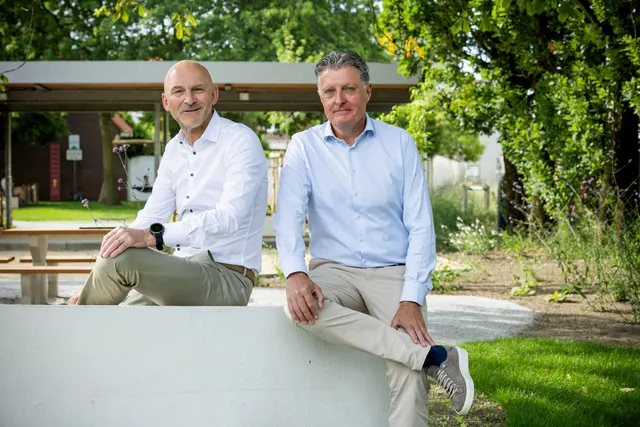
Luc Dedroog (Cegeka): “AI is radically changing digital workplaces”
Text Tom CassauwersImage Cegeka
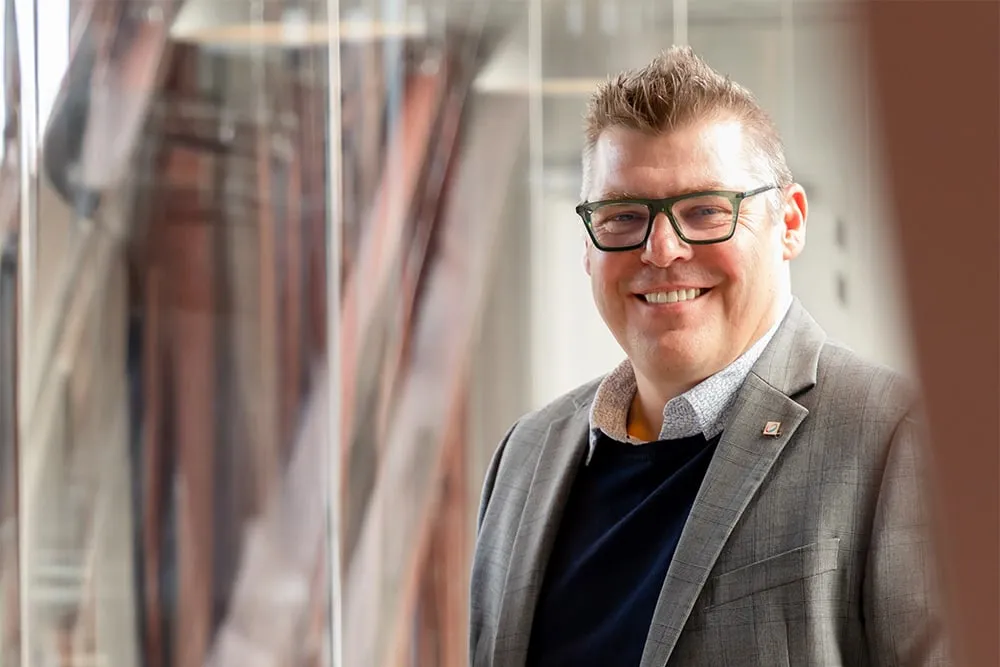
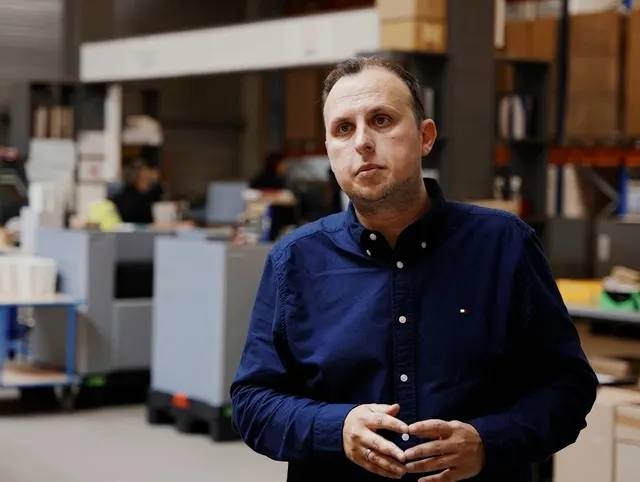
When Luc Dedroog joined Cegeka, the company had only around a hundred employees. Today, the Limburg-based IT group employs 9000 people. Dedroog has therefore witnessed its explosive growth first-hand. He now leads its digital workplace activities. Artificial intelligence (AI) is poised to transform offices. At the same time, Dedroog warns against losing sight of wellbeing.
Today, we work in many places besides the office. We work from home, from a satellite office or even from a coffee shop. We use laptops, tablets, smartphones and desktop computers. Since the Covid-19 pandemic, the shift towards a much more digital workplace has accelerated.
Luc Dedroog knows all about this. He is Global Director Digital Workplace at Cegeka: “Before the outbreak of Covid-19, digital workplaces were traditional. Everything happened internally on a company network that could only be accessed from the office. Since the pandemic, we have been working everywhere, on all kinds of personal and professional devices.”
Cegeka helps organisations build digital workplaces like these. But the company goes a step further. “Our focus on cybersecurity sets us apart,” says Dedroog. “We can also draw on our expertise in new technology, such as AI.”
Digital workplaces are changing rapidly. Microsoft, for example, is introducing AI tools into its business software, such as the digital assistant Copilot. “Imagine, for instance, that you exchanged a few documents with a colleague via Teams, email and SharePoint. Copilot can search across all those channels for you, find the documents and even write a summary of them.”
That is a radical change. “Office software has changed over the past thirty years, with more features, for example. But ultimately, that was an evolution, not a revolution. AI marks a radical break.”
Productivity is not the only thing Luc Dedroog considers when it comes to digital workplaces. Wellbeing is also coming increasingly to the fore. “For example, we can now alert HR that, based on information from our tools, an employee is at risk of burnout.” For Cegeka, then, the digital workplace is about wellbeing as well as productivity. “Our customers are IT managers, and we take the burden off their shoulders,” Dedroog concludes. “But the end user is at the centre. We make sure they can do their job as smoothly and productively as possible.”
Question about this story? Ask your question
Keep following this
Get an email when a new story is published. No account needed.
- ThemeAttracting and retaining people
- SubjectHR, finance & IT