




Why the Zeitgeist Is More Favourable Than Ever to Family Businesses
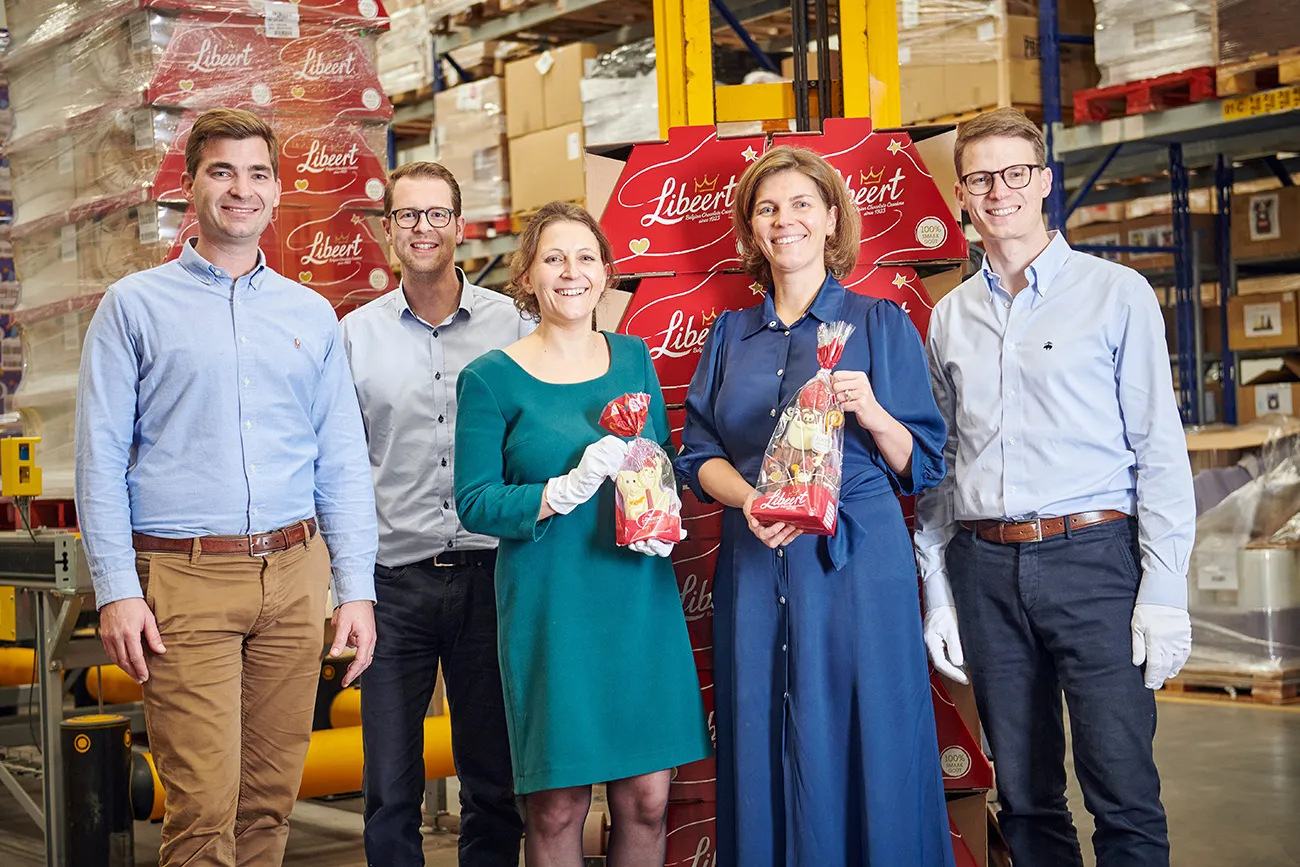
Most businesses in Flanders are family businesses. Today, they are viewed largely positively because they have a number of clear strengths: values, culture, patient capital ... At the same time, we should not get too romantic about them, as there are risks lurking around the corner: “A family business is, by definition, emotional.”
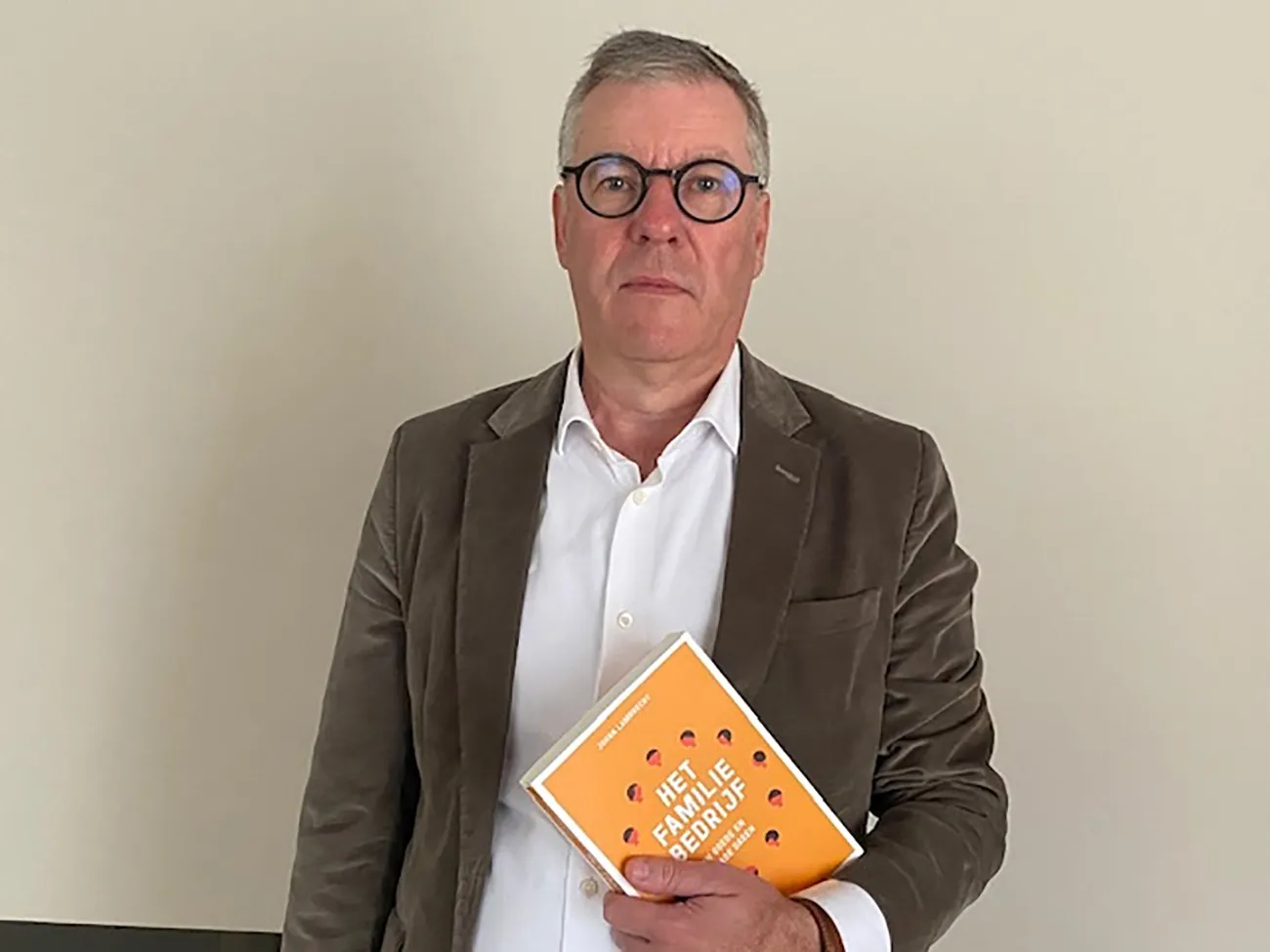
Around eight in ten businesses in Flanders are family businesses. Our neighbouring countries have similar proportions. Driven by this reality and the importance of this type of business, research into family businesses has expanded significantly in recent decades. Among other things, it shows that the general perception of family businesses has shifted. “In the past, family-owned was synonymous with unprofessional. Businesses succeeded despite their family character. Today, it is the other way around. Family businesses thrive because of their family character,” says Johan Lambrecht, professor at KU Leuven Campus Brussel and author of the recently published book ‘Het familiebedrijf in goede en kwade dagen’.
According to Lambrecht, the shift is mainly the result of several scientific studies published around the turn of the millennium, which showed that listed family businesses significantly outperformed their non-family counterparts.
Children of their time
Although we should not generalise, family businesses today are certainly well positioned for the future. Many of their inherent strengths are well suited to addressing the current challenges facing businesses, such as the growing focus on sustainable and socially responsible business practices.
Joost Callens, CEO of Camino Group, an East Flanders construction company founded by his father, shares this view. “When I think about what characterises family businesses, I quickly come to concepts such as connection and commitment. Of course, we are also focused on shareholder value, but for family businesses this is not just a financial metric. We also care about how we are perceived in the market, and we think across generations. More and more businesses are doing that today.”
The family business as a complex system
Lambrecht acknowledges that family businesses are well aligned with the zeitgeist, but also warns of the potential dangers of taking an overly positive view of them. “We sometimes look at them almost romantically. As a result, we risk losing sight of their inherent weaknesses. In my view, the greatest Achilles’ heel is so-called role confusion. This occurs when family members wear different hats in relation to one another and cannot always clearly separate those roles: sometimes a person is a shareholder, director and manager all at once. Or consider a mother-son relationship that is not only a family relationship, but also plays out within the workplace hierarchy. This can cause problems if, for example, the son is in charge of the business.”
To avoid such problems, Lambrecht advocates taking a holistic view, in which the family business is seen as a complex system. A family business is, after all, a system made up of different entities: the business, the family and the individual family members. “It is crucial that there is no hierarchy between these different parts. Each has its own specific role to play. Governance must therefore be geared towards all three entities and focus on maintaining a balance between them.”
The family charter, the constitution of a family business
One practical way to put this approach into effect is to draw up a family charter. This document clearly sets out family governance, the relationship between the family and the business, and the relationships among family members, through a series of agreements. “You could call it a kind of family constitution that, among other things, defines the shared ownership vision or purpose,” says Lambrecht.
Libeert Belgian Chocolade Creators, a chocolate manufacturer in Comines-Warneton, has drawn up such a family charter. The docu-
ment is the result of an extensive exercise involving members of the fourth generation, who are now at the helm. Co-CEO Lily Libeert: “We were presented with a number of issues and had to say how we would deal with these situations. For example: how do you, as a manager, handle increased workloads or a long-term illness? Our shared values were distilled from our answers.”
Family charters, and the full systems approach more broadly, should therefore be seen as a way to reconcile reason and emotion, both of which are essential to family businesses. “In the past, people thought that emotion was bad for business. That is obviously a misguided view, because a family business is, by definition, emotional. Once you recognise and allow for that, you can make full use of a family business’s strengths,” Lambrecht concludes.
Question about this story? Ask your question
Keep following this
Get an email when a new story is published. No account needed.
- ThemeBusiness transfers and acquisitions
- SubjectGeneral







