




Wevelgem Mayor Jan Seynhaeve speaks
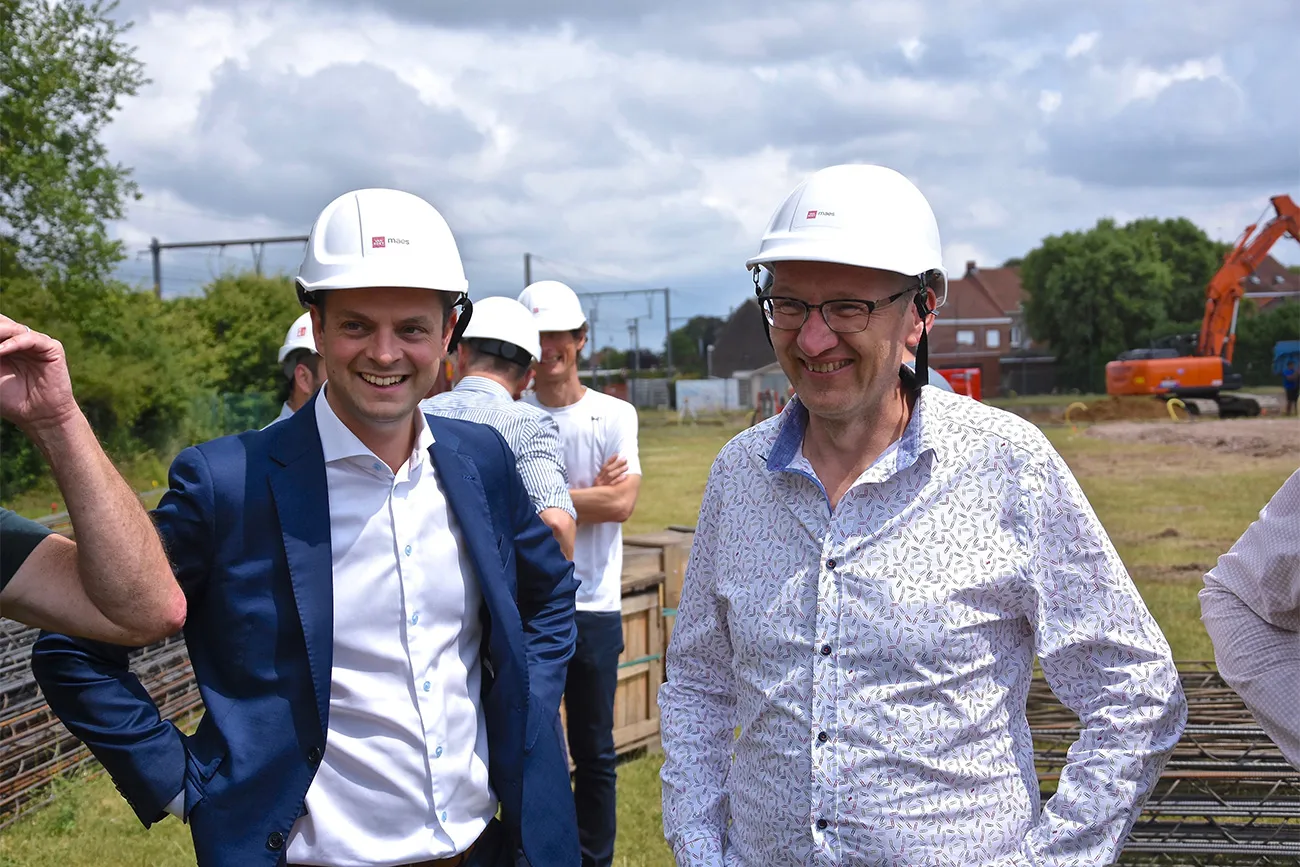
“We want to give entrepreneurship a boost with a pre-start-up day”
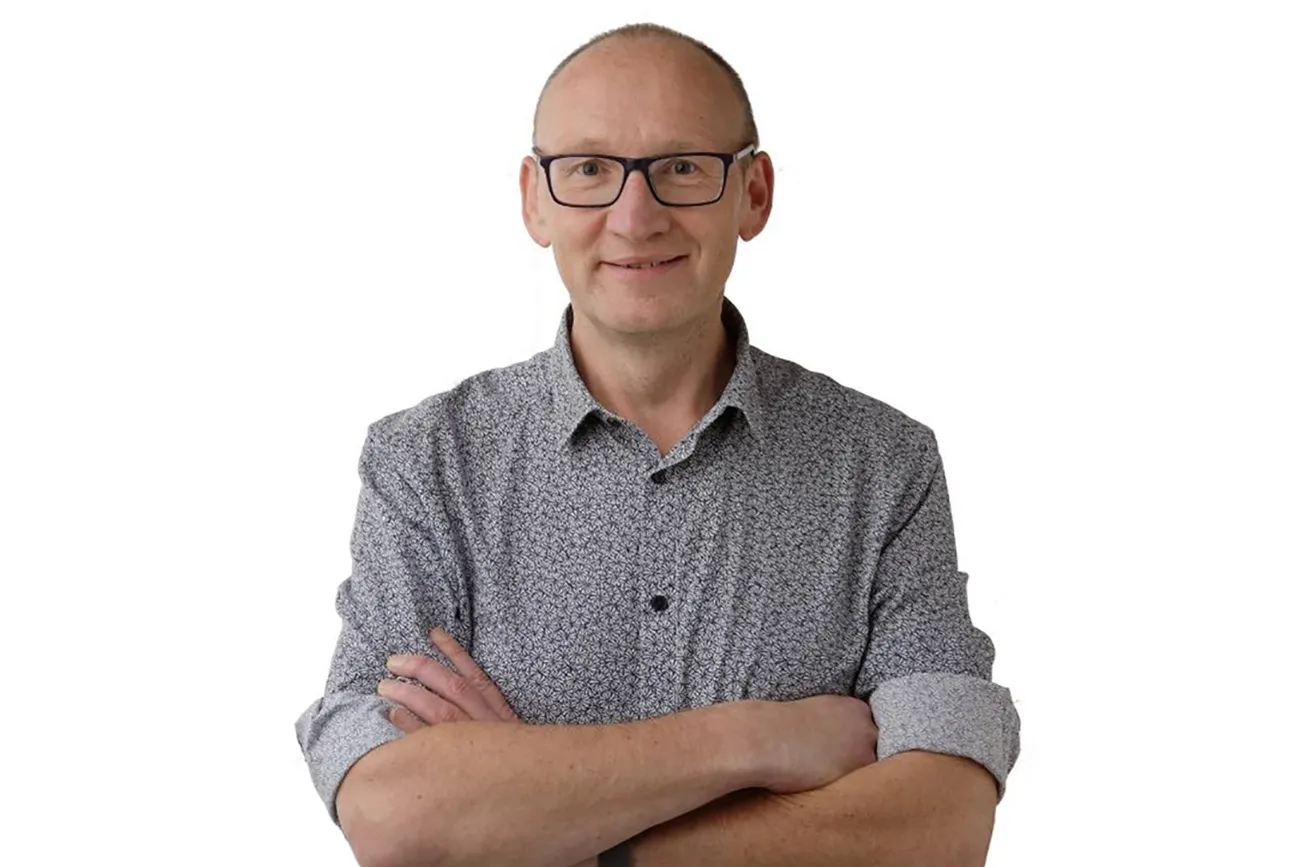
With a population of around 32,000, Wevelgem is one of the larger municipalities in West Flanders. Its location on the River Lys enabled it to prosper thanks to the flax industry. After the industry declined, a diverse business community took shape, including one of the region’s first industrial estates in the 1960s. Today, Wevelgem is a prosperous municipality, where Jan Seynhaeve (CD&V) is celebrating 20 years as mayor this year: “Fantastic things are happening in our companies, and we should be shouting about them more often.”
What makes Wevelgem an attractive municipality for businesses?
Jan Seynhaeve: We are, so to speak, a municipality that is easy to reach by land, sea and air. We are close to Kortrijk, with good connections via the E403 and R8, and France is just around the corner via the E17. The River Lys offers opportunities for inland shipping, and we are seeing more and more companies make use of it. The regional airport can also play a role for some businesses.
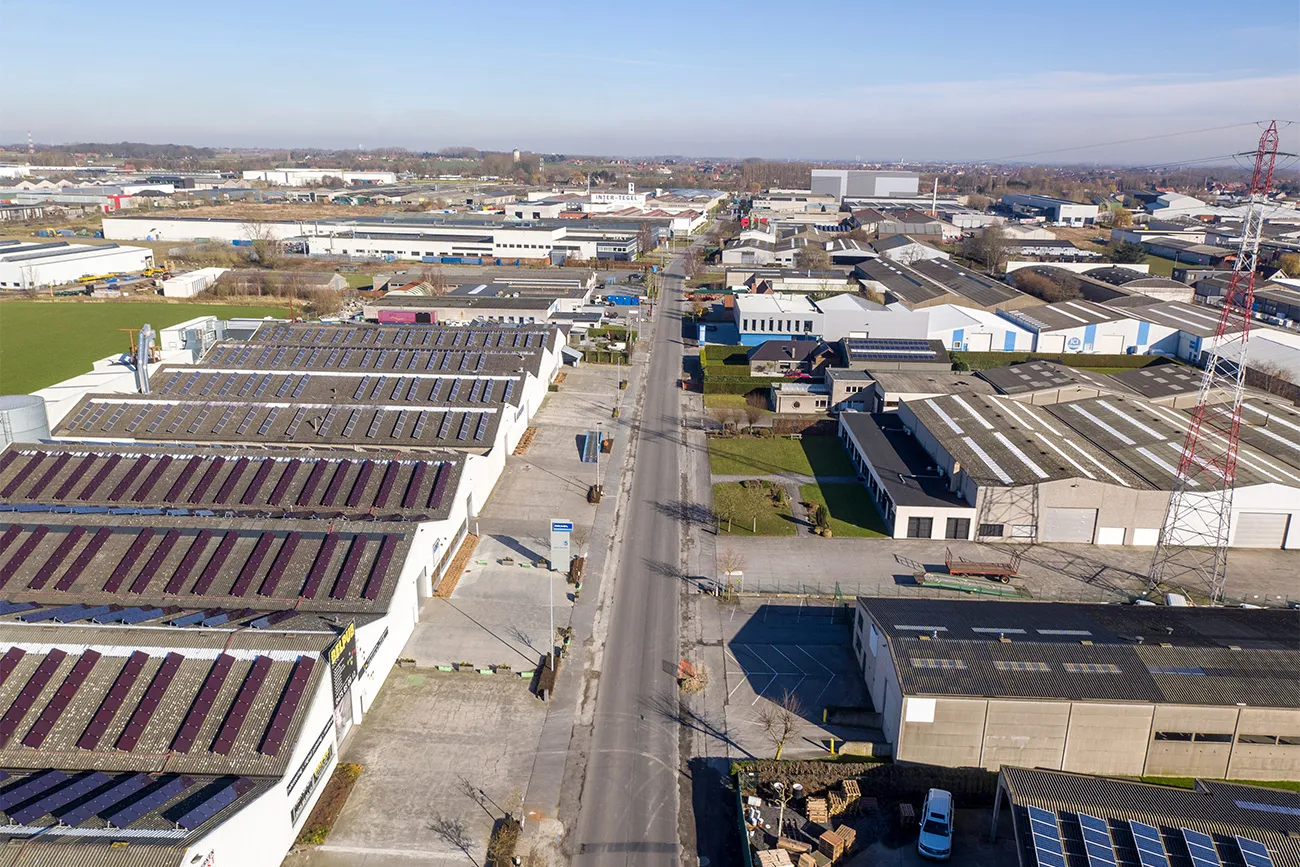
We also have our two large industrial estates, Wevelgem-Zuid and Gullegem-Moorsele, which are home to both large, internationally oriented companies and typical family-run SMEs. These businesses operate across a wide range of sectors and continue to show a strong entrepreneurial spirit. One company’s growth creates opportunities for another.
Is there still space available for expansion or new businesses?
Jan Seynhaeve: The large industrial estates are fully occupied. They now extend right up to the boundaries of our municipality. When Gullegem-Moorsele was last expanded, adding 50 hectares, there was strong demand for logistics space. Lidl and DHL established themselves here at that time. There is no longer any additional space for large-scale developments. However, we are working with private landowners to see whether there are opportunities to create SME units. And when companies relocate, we try to match supply and demand for space.
What characterises Wevelgem’s economy?
Jan Seynhaeve: Alongside logistics, manufacturing remains a very important sector. I am thinking, for example, of LVD, which has been based here for a long time, but also DeltaLight and BoPlan, two companies that are succeeding internationally. Alpro, the food company that produces soya products, is still the largest private-sector employer. Perhaps less typical, but also an important player in its sector, is catering company Hanssens. And I could go on… We have so many excellent businesses in our municipality. We are pleased about that as a local authority: it also gives us a good spread of risk, because employment does not depend on a single major player.
How do you keep your finger on the pulse of the local economy?
Jan Seynhaeve: We have a tradition of visiting a company every month with the municipal executive. This helps us maintain close contact and see what needs there are and where we might be able to offer support. What strikes me during these company visits is the innovative strength of our businesses. They are working hard on new products, better processes, digitalisation… We are always amazed by what they are working on. Fantastic things are happening in these companies, but they remain too modest.
As people from West Flanders, we should be shouting about them more often. It is important for innovation to continue, so that we can secure the future of manufacturing and the jobs that go with it.
How does the municipality support start-ups?
Jan Seynhaeve: To begin with, BedrijvenCentrum Kortrijk is based here: an ideal place where start-ups can find space to get their business through its initial phase. The administration is, of course, there to help find solutions for businesses that get in touch. We are also looking at how the municipal authority can launch specific initiatives to give start-ups a helping hand: should that be through a grant, advice or another instrument? We have not decided yet.
Together with the Economics unit, we are working on a pre-start-up day, where people with an entrepreneurial drive can test their ideas with experts and get a boost. We want to develop this initiative in close collaboration with partners.
What other priorities do you have for economic policy?
Jan Seynhaeve: At the start of this term, we drew up a ‘Strategic Economic Plan 2021-2024’. This was done in close consultation with the Economic Council. The plan sets out 29 concrete actions across four areas: we want to strengthen our town centres and tackle vacant premises; lower barriers to attract new businesses; improve our communication with businesses and potential customers; and, last but not least, respond to new trends such as sustainability and co-creation.
One example of what we are delivering is a lorry park for the Gullegem-Moorsele industrial estate. We are also looking at ways to organise shared services in the industrial estates, with services that could be brought together in a small building.
Wevelgem’s success, with growing businesses and a growing population, has also brought more traffic jams. How do you plan to tackle mobility?
Jan Seynhaeve: Traffic is getting busier, as we know. We are also currently feeling the impact of the works on the R8-A19 trumpet interchange. Many motorists are looking for alternative routes, putting extra pressure on local roads. But we are pleased that, after all these years, a solution is finally being found for that junction.
We are also continuing to call for a new exit for the Gullegem-Moorsele industrial estate in that area. If you are coming from the R8 and heading towards Bruges-Ieper, the current exit is not ideal. We want to build that connection a little further along, as it would improve both traffic flow and road safety.
We are also exploring the redevelopment of the N8 Kortrijk-Bissegem regional road with the Flemish Government and the province. This is the only access route to the Wevelgem-Zuid estate, but it is highly prone to congestion, partly because there are many out-of-town retail stores along it. The idea is to group the retail car parks so that fewer access roads connect to the N8. The design study is currently under way, and we will continue to push for a fundamental solution that improves traffic flow.
Which economic project are you most proud of?
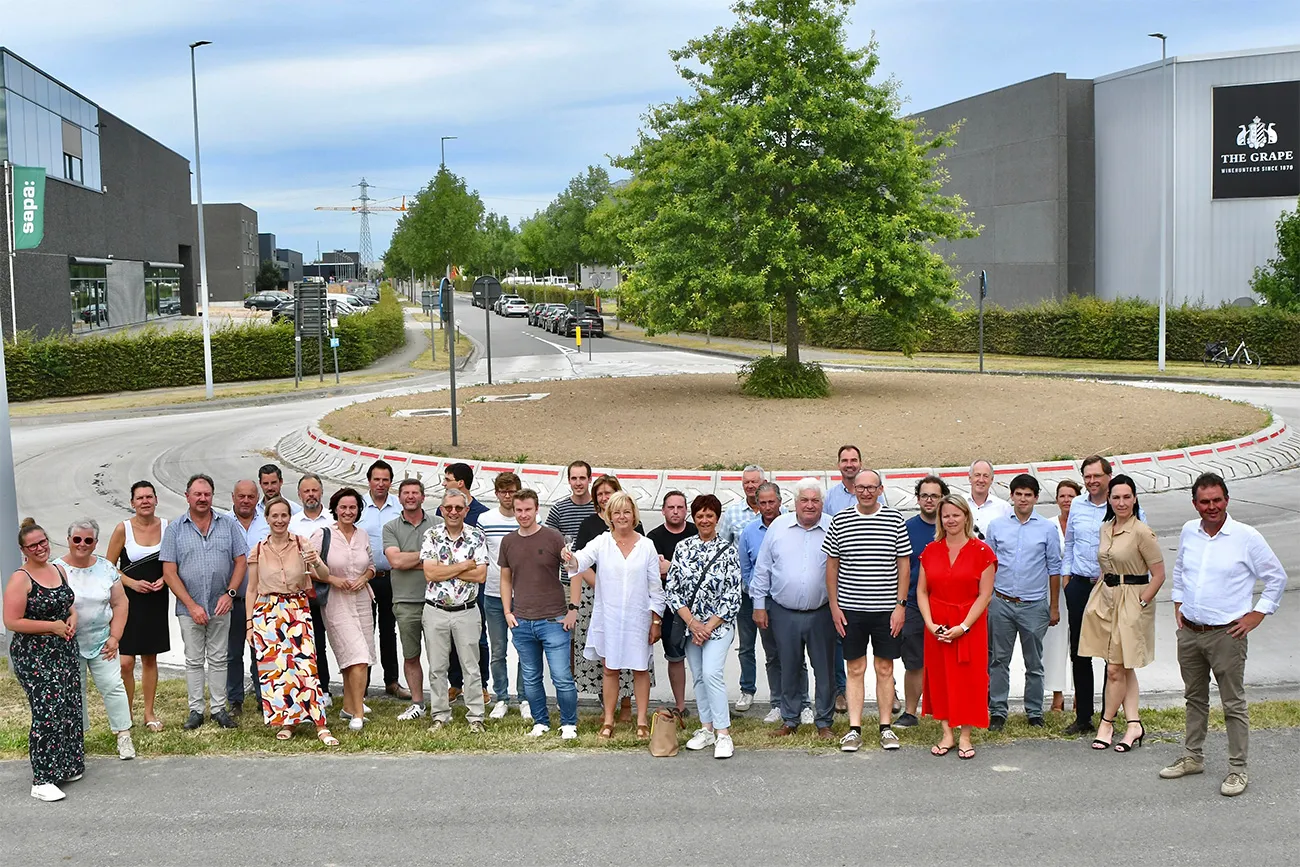
Jan Seynhaeve: Without a doubt, the revitalisation of the Gullegem-Moorsele industrial estate. The business park consisted of a new section and an older area, where the infrastructure had become worn out. We invested €20 million in its redevelopment: new sewers, a new road surface, additional roundabouts, landscaping, segregated cycle paths… An old landfill site was also cleared. The companies are very pleased with the new surroundings, which give the whole estate a consistent look and feel.
Finally, there was good news recently for Wevelgem Airport. The Flemish Government wants to develop it further as a business airport. What is the municipality’s view?
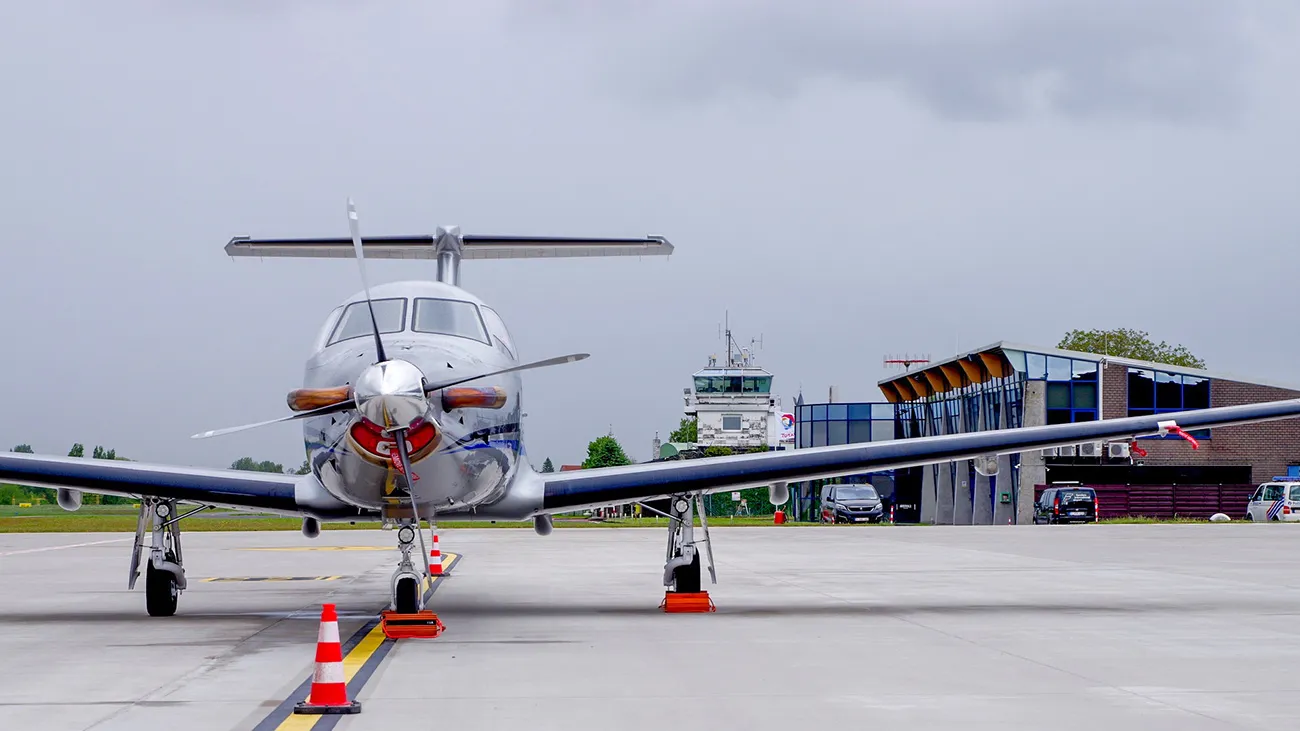
Jan Seynhaeve: The airport is a sensitive issue. But it is here, and we can see that business is being done there. We believe the airport has a future, provided it genuinely serves the economy and is not used solely for leisure flights. Given everything that is now in the pipeline around drones and helicopters, it would be foolish to simply give up the airport. The municipality’s position remains that its activities must be compatible with the local community and the environment.
Question about this story? Ask your question
Keep following this
Get an email when a new story is published. No account needed.
- SubjectGeneral







