




Wellbeing at work has never been more important
The role work plays in our lives has changed fundamentally
The days when burnout and depression were swept under the carpet, and leaders’ soft skills were considered unimportant, are firmly behind us. Today, personal development, job satisfaction and wellbeing at work are top of the agenda. Employers that want to still be around tomorrow must therefore do their best to embrace this trend.
Never before has there been so much public interest in how we experience and perceive our work. This is, of course, a direct result of the increased focus on mental wellbeing. Attitudes to work have changed. Employees no longer see it simply as a way to earn money, but also as a source of meaning and satisfaction in life.
Flexibility
One of the key concepts here is flexibility. To maintain their wellbeing at work and improve it where possible, employees want as much flexibility as possible in their working lives. Office workers want to have at least some say in where and when they work. This makes it easier to combine work with their personal lives and means they are less likely to feel that work dominates everything.
In practice, this means a much greater proportion of employees working from home and more flexible working hours. Although this has become more common in many sectors since the pandemic, many employers are running up against the limitations imposed by legislation. “For certain groups of employees, the government requires us to record working time, which makes it much harder to offer flexibility. We have to keep very close track of who works when,” explains Erna Van Opstal, HR Lead at Zoetis, a company that produces veterinary medicines.
Free from all structures
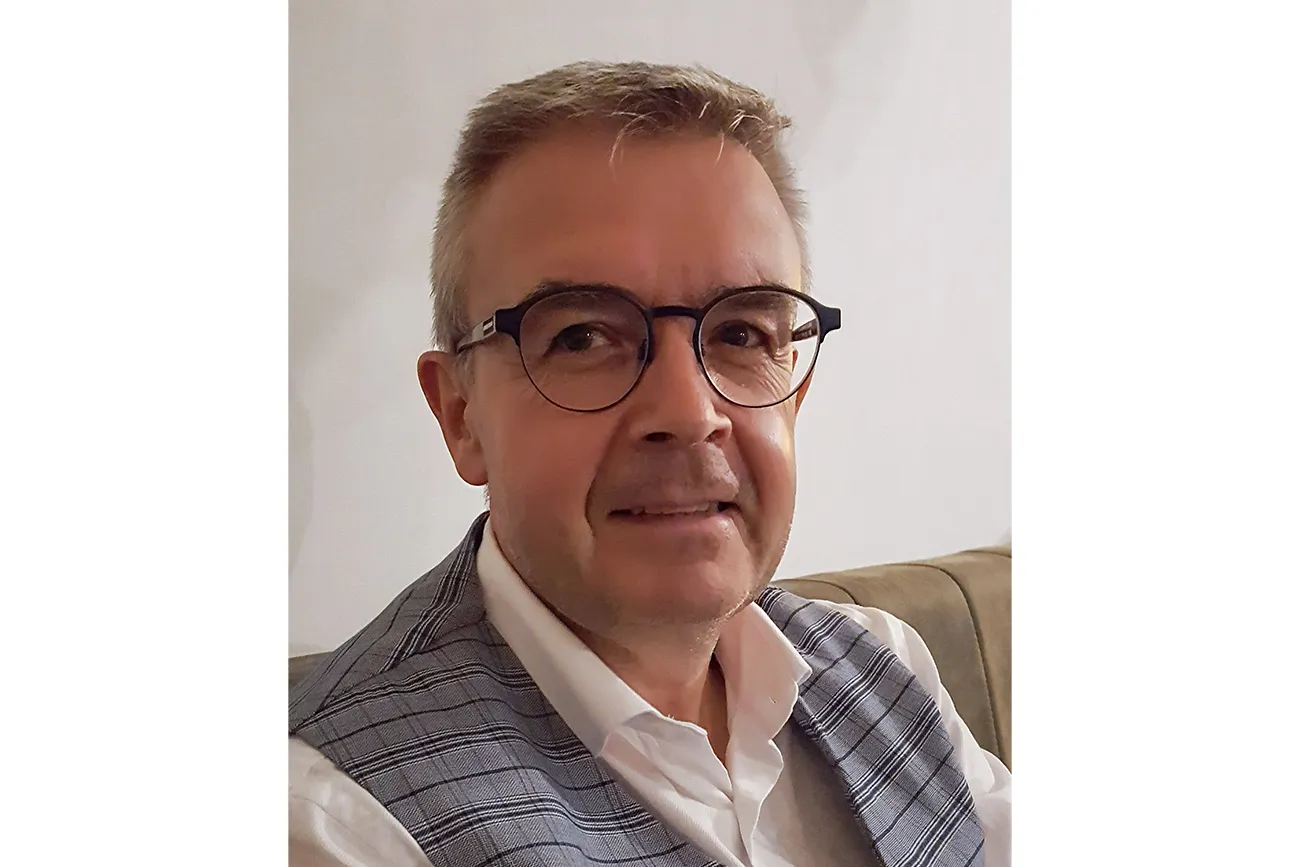
Employees who want maximum flexibility and to break entirely free from existing constraints or structures can work as freelancers. “Research shows that the desire for independence is by far the main reason people take this step,” says Malik Azzouzi, Country Director Belgium at Malt, Europe’s largest freelance marketplace.
It is no surprise, then, that this group has grown rapidly in recent years. “Freelancers say they feel more valued for their skills, and that their work has become much more of a building block for personal fulfilment. There is no doubt that this market will continue to grow. Belgium is also a very mature market for freelancers,” Azzouzi adds. In the years ahead, employers will therefore need to be willing to embrace this trend, even for roles where it might not seem an obvious fit at first.
Lucky few?
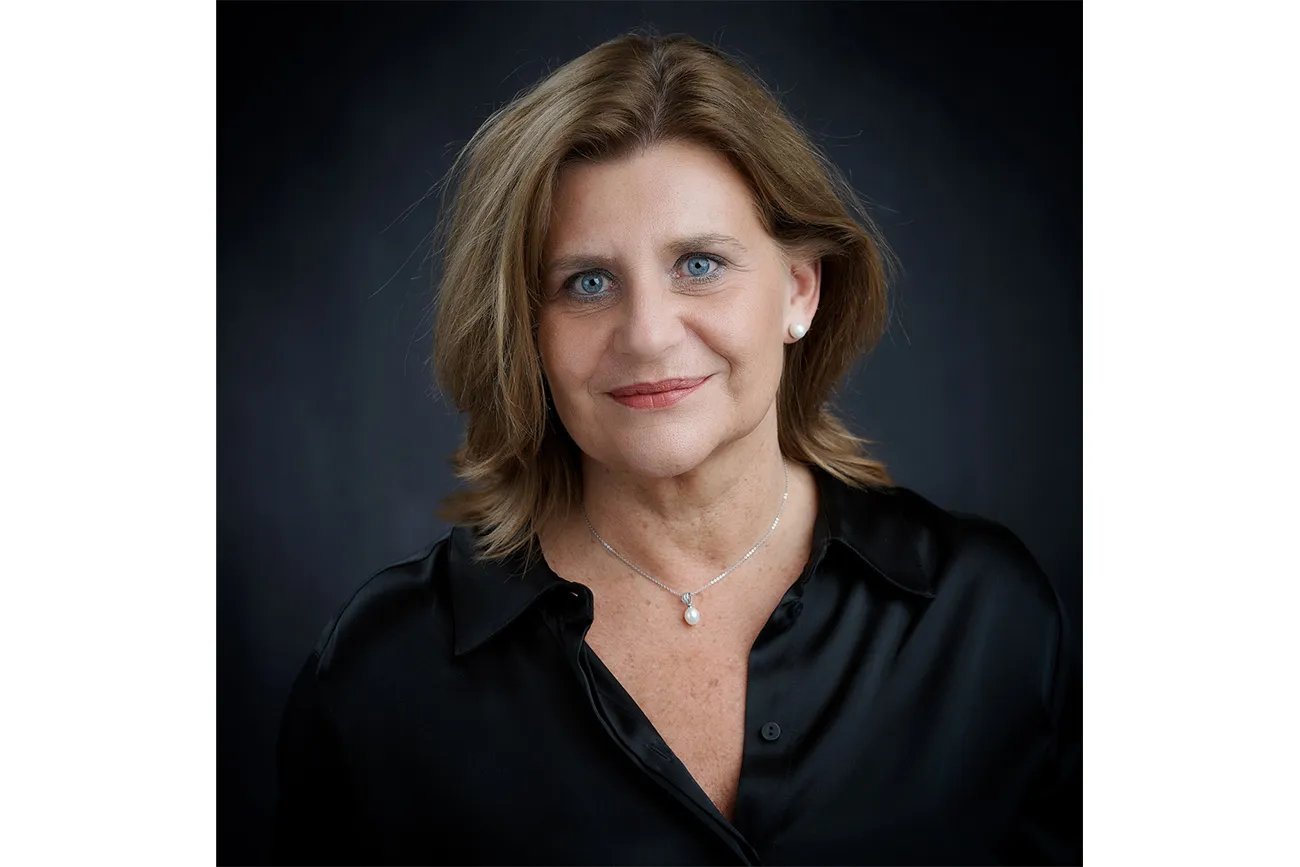
Of course, becoming a freelancer is not an option for everyone. The nature of their work makes it impossible for a very large proportion of the working population. “But the growing focus on wellbeing is about much more than simply allowing greater flexibility. It concerns the entire corporate culture and approach to leadership. Wellbeing at work requires the attention of every manager and must be part of the culture,” explains Erna Van Opstal.
Zoetis, which also employs many production workers, is trying to bring this group along in the cultural shift by asking them to complete employee surveys and, where possible, responding to their concerns. “We literally take them away from their workstations to find out what is on their minds and do our best to address it. That is the only way we can fulfil our ambitions for wellbeing as a company,” says Van Opstal.
Purpose
What do these surveys reveal? There is no denying that younger generations are much more outspoken and more willing to voice their concerns. At the same time, the ongoing tightness of the labour market has a clear impact on the relationship between employer and employee. Employees feel able to set the bar higher when it comes to personal wellbeing and are particularly looking for jobs that contribute to their personal development.
Herman van Ballart, HR Director at care home group Korian Benelux, has extensive experience in HR and has seen candidates’ expectations evolve: “People used to take pride in their job title. Today, they are more likely to look for a job that aligns with their personal values. Employers who are mindful of changing attitudes to the experience of work should bear this in mind. It is more important than ever for companies to clearly define their purpose.”
Question about this story? Ask your question
Keep following this
Get an email when a new story is published. No account needed.
- ThemeAttracting and retaining people
- SubjectGeneral







