




“We want to make Antwerp the most liveable city in Flanders”
Text Björn CrulImage Ineos, Lantis, N-VA, Port of Antwerp-Bruges
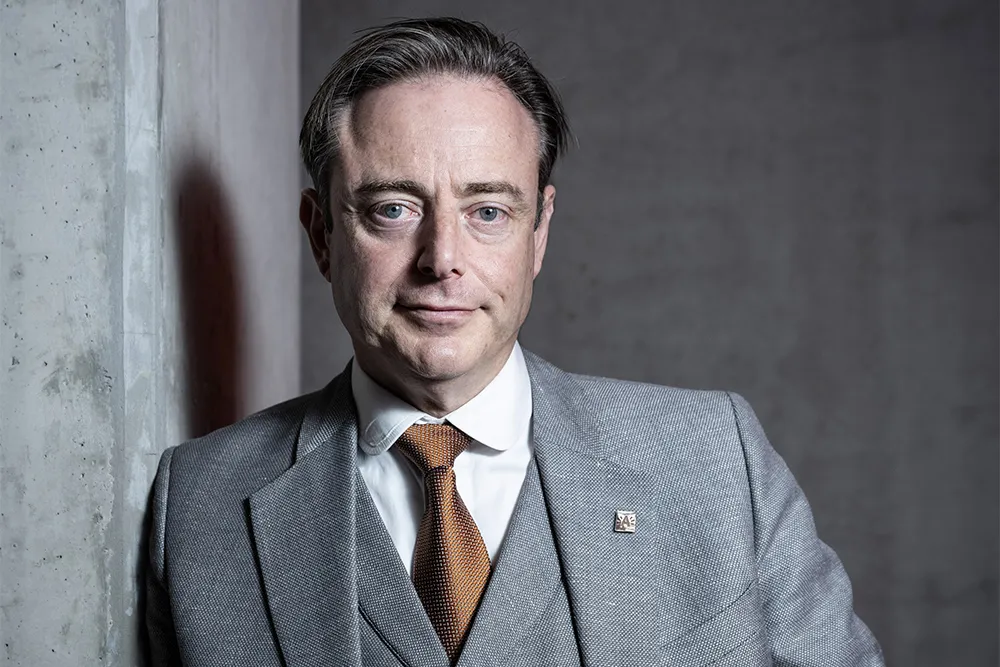
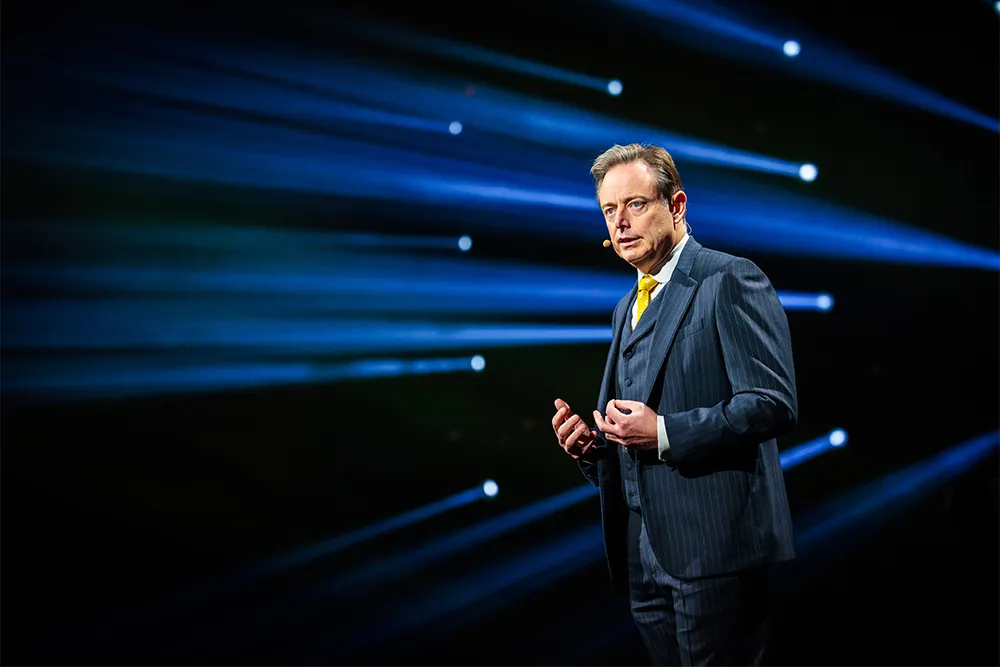
Mayor Bart De Wever speaks
When discussing the economy and Antwerp, the port is never far from the conversation. Port of Antwerp-Bruges is the country’s leading economic cluster: it is home to 1400 companies, is Europe’s second-largest container port and the world’s leading hub for car imports and exports. All this generates 164,000 direct and indirect jobs. But in a globalised economy, with the urgent societal challenge of becoming more sustainable, nothing is certain. Business Vlaanderen spoke to Mayor Bart De Wever (N-VA) about his expectations for the future: “The nitrogen issue is making for rough weather, but I see opportunities above all in greening and sustainability.”
Mr Mayor, Antwerp is Flanders’ largest economic hub. How important is the merger of the ports of Antwerp and Zeebrugge to you?
Bart De Wever: The merger is undoubtedly a milestone in our history, and a signal to the global port sector. In a globalised economy, particularly after the major consolidation wave among shipping companies that has left just four major players, it was simply the logical choice. We used to be competitors, but now we complement each other. This makes us more resilient and competitive when it comes to attracting investment, anchoring employment and strengthening our position.
Port of Antwerp-Bruges is not just about being ‘bigger’ and ‘more’, but above all about being ‘even better’. The world does not stand still. To respond to change, it is vital that we work towards the sustainable port of tomorrow. Dynamism and the capacity to innovate will drive investment and economic progress.
Chemicals remain a mainstay of the port, with many branches along the Albert Canal. At the same time, the Flemish government has made a low-carbon economy a priority. How can the two be reconciled?
Bart De Wever: The energy transition and circular economy are a natural fit for Antwerp. Industry is fully on board, too. The potential is considerable, from switching to alternative energy sources and electrifying logistics and production processes to reducing CO₂ emissions and recycling raw materials. Our petrochemical cluster certainly faces major challenges, but there are also plenty of opportunities. There is no shortage of willingness to invest and innovate.
That said, the nitrogen issue is making for rough weather, both for agriculture and for industry. Past mistakes are coming back to haunt us. I hope all forces in Flanders can unite around this issue, because our prosperity is at stake. Either we give port businesses every opportunity to go green and become more sustainable, or we will see those investments pass us by. I don’t need to tell you what that would mean for greening and sustainability: very little.
Which activities or sectors do you see potential in for the future?
Bart De Wever: Our logistics and petrochemical cluster still offer enormous opportunities, but Antwerp has other strong cards to play. Take the care economy, for example, where we have Flanders’ largest care cluster. This is about more than hospital and care home beds. The Institute of Tropical Medicine and Vaccinopolis are excellent research institutions with strong international reputations.
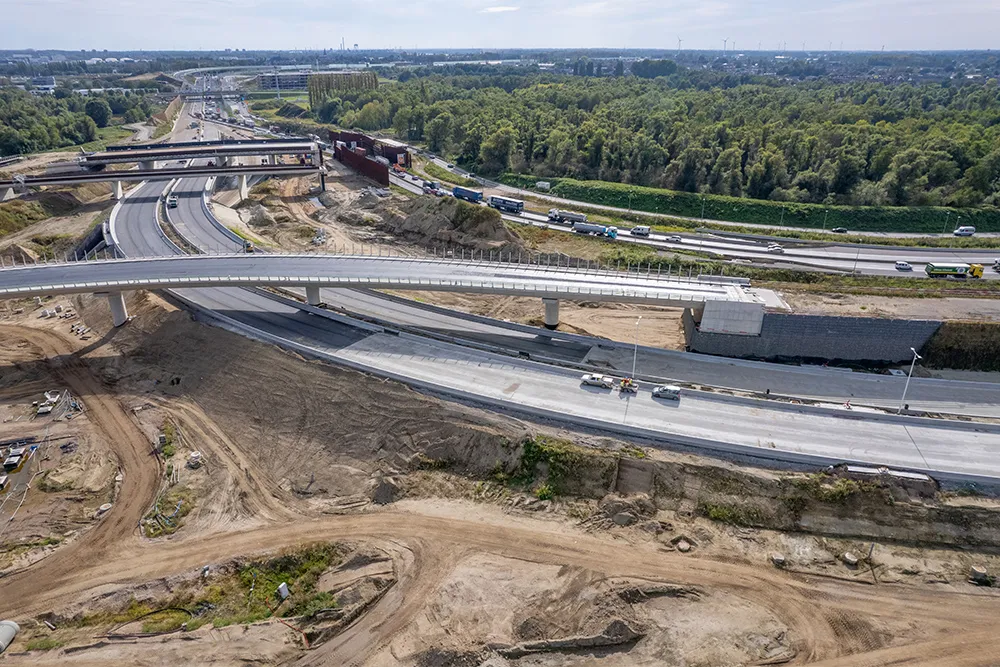
There are also exciting prospects for urban development. We aim to make Antwerp the most liveable city in Flanders. Anyone walking around the city can see how quickly it is changing. The partial capping of the Ring will certainly contribute to this, creating new, high-quality space. There are also numerous urban regeneration projects in the city itself, for which we work closely with many business partners.
“Antwerp is open for business” is your mantra for attracting new investment. But is there enough space available outside the port for new businesses?
Bart De Wever: There is indeed a shortage of space for SMEs and industry. We predict that we will need to find 83 to 133 hectares of new space over the next ten years. We therefore need to make maximum use of existing industrial areas. BlueGate, Kanaalkant in Deurne and Merksem, Innovatieve Stadshaven and Terbekehof in Wilrijk are all accessible sites where new businesses can set up. In the medium term, we are focusing on developing the Katwilgsite on Linkeroever and Lage Weg in Hoboken.
In the inner city, by contrast, there is still plenty of potential for businesses that can be closely integrated with residential and recreational areas. These might be knowledge-based businesses or companies in the service sector, but there is also room for workshops and small warehouses. In fact, a good mix helps create lively residential neighbourhoods. I’m thinking, for example, of Groen Kwartier and the seamless connection between Eilandje and Innovatieve Stadshaven.
The city also aims to become a true smart city. How close is it to achieving this?
Bart De Wever: We have focused on digitalising the city administration, for example by appointing a chief digital officer. Our services need to become more accessible digitally, safer and more customer-friendly. Developing a city app and expanding the options available through online service counters are examples of this. But digitalisation also brings serious risks, as the cyberattack late last year showed. That is why we are stepping up investment in cybersecurity.
And how can smart technology help you achieve your goal of making the city more liveable?
Bart De Wever: We want to use digital technology to make the city safer, cleaner and easier to get around. Think smart surveillance cameras, sensors in bins and intelligent traffic lights. We are also counting on start-ups and scale-ups. In our procurement policy, for example, we invite young companies to find smart solutions to specific urban challenges.
Mobility remains a concern for many businesses. Work on the Oosterweel Link is in full swing, but it will be several years before it eases congestion. What is being done in the meantime to improve traffic flow in and around Antwerp?
Bart De Wever: The modal shift, whereby people look for sustainable ways to travel, is of course crucial, not just during the works but afterwards, too. As a city, we want to show road users how to reach their destination as safely and quickly as possible. In 2016, we launched “Slim naar Antwerpen”, a collaboration between various mobility partners.
But it is about more than raising awareness and providing information. We are facilitating the expansion of shared mobility and investing heavily in new infrastructure: new cycle paths and cycle superhighways have already doubled the number of cyclists. The Waterbus and ferry services provide transport on the water. Park & Rides have been set up around the city, connecting with public transport or shared mobility. All this is delivering results, but it will remain a priority in the years ahead.
Finally, which economic project are you most proud of?
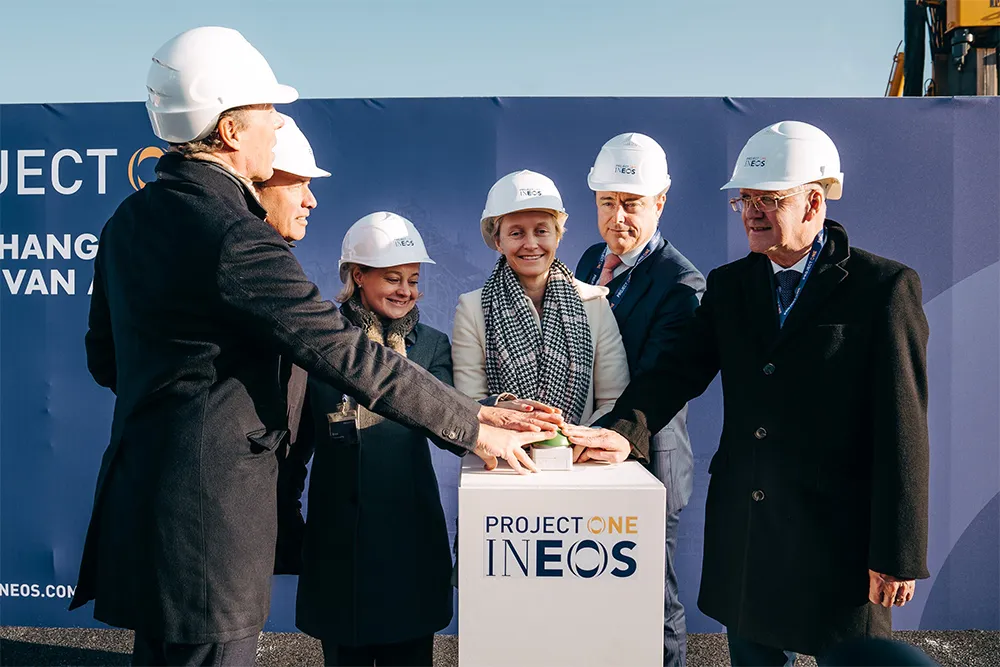
Bart De Wever: That’s a difficult question. INEOS Project One gives us a golden opportunity to deliver the largest investment in European petrochemicals in twenty years. This new cracker could set the tone for a new lease of life for the entire European chemicals sector. Getting this flagship project back on track is in the interests of prosperity across Flanders. I will certainly do everything I can.
I am also very pleased about the redevelopment of the former Opel site, where the NextGen district is taking shape. Under the direction of Port of Antwerp-Bruges, an ecosystem is being developed there for companies, from start-ups to multinationals, working in the circular economy and energy transition. With investments including Plug Power’s green hydrogen plant, PureCycle’s recycling plant and Ekopak’s wastewater treatment plant, hundreds of millions of euros in investment have been secured. All this strengthens our position and enables us to shape tomorrow’s sustainable economy today.
Question about this story? Ask your question
Keep following this
Get an email when a new story is published. No account needed.
- SubjectGeneral







