




VIB sees opportunity as Donald Trump cuts funding for researchers
Text Björn CrulImage VIB
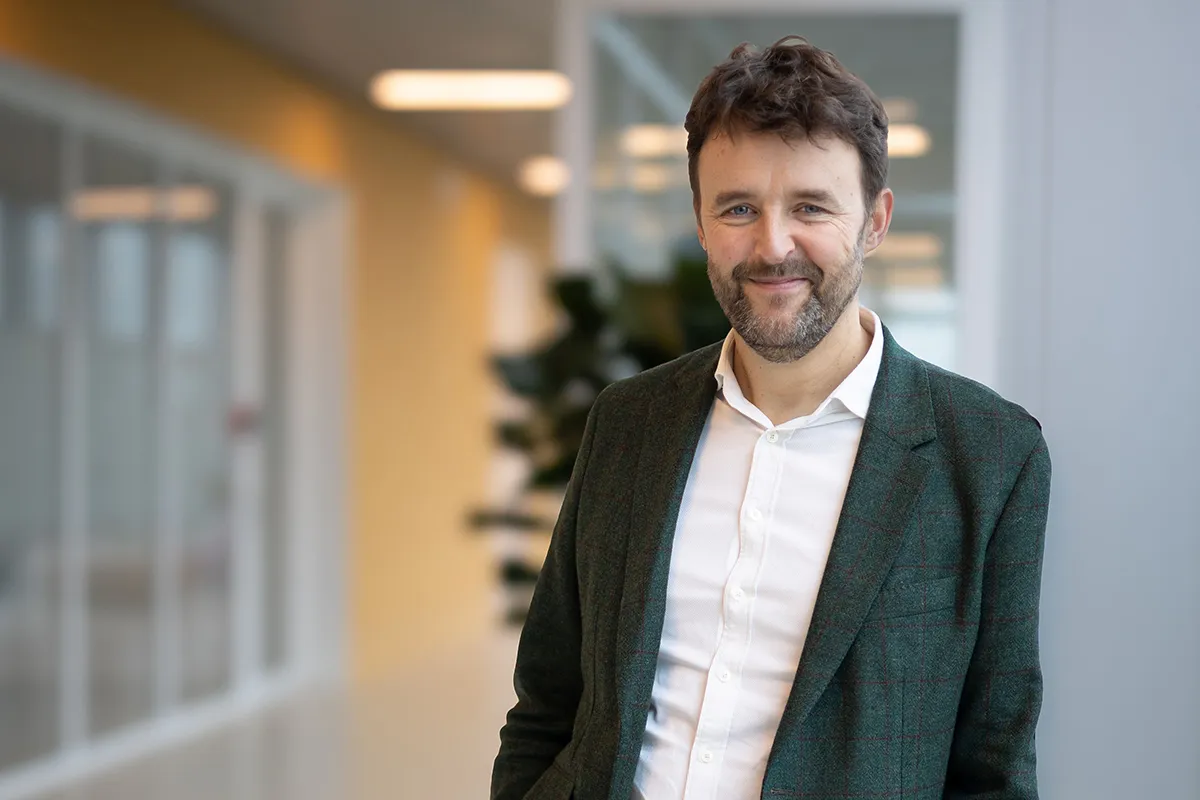
“We must do everything we can to attract top American talent”
The Flanders Institute for Biotechnology celebrates its 30th anniversary in 2025. VIB brings together the strategic basic life sciences research of Flanders’ five universities and has also supported the commercialisation of its findings since its inception. This has helped make Flanders a leading biotech region. “We are therefore very attractive to international talent,” says managing director Jérôme Van Biervliet. “Now that Donald Trump is questioning funding for US universities, there is an opportunity to attract top talent in a targeted brain gain.”
Ablynx, argenx, Biotalys, Crop Design, Plant Genetic Systems… these are just a few examples of Flemish biotech companies that have made their mark internationally. And they have at least one thing in common: they all emerged from the biotech ecosystem built up in Ghent, with VIB’s backing. Jérôme Van Biervliet says: “In 1995, the Flemish Government decided to establish VIB as a strategic research centre for the life sciences. Ghent was chosen as its base. That decision and 30 years of targeted investment have delivered phenomenal results. Flanders ranks among the international leaders in biotech, in pharmaceuticals, agriculture and food.”
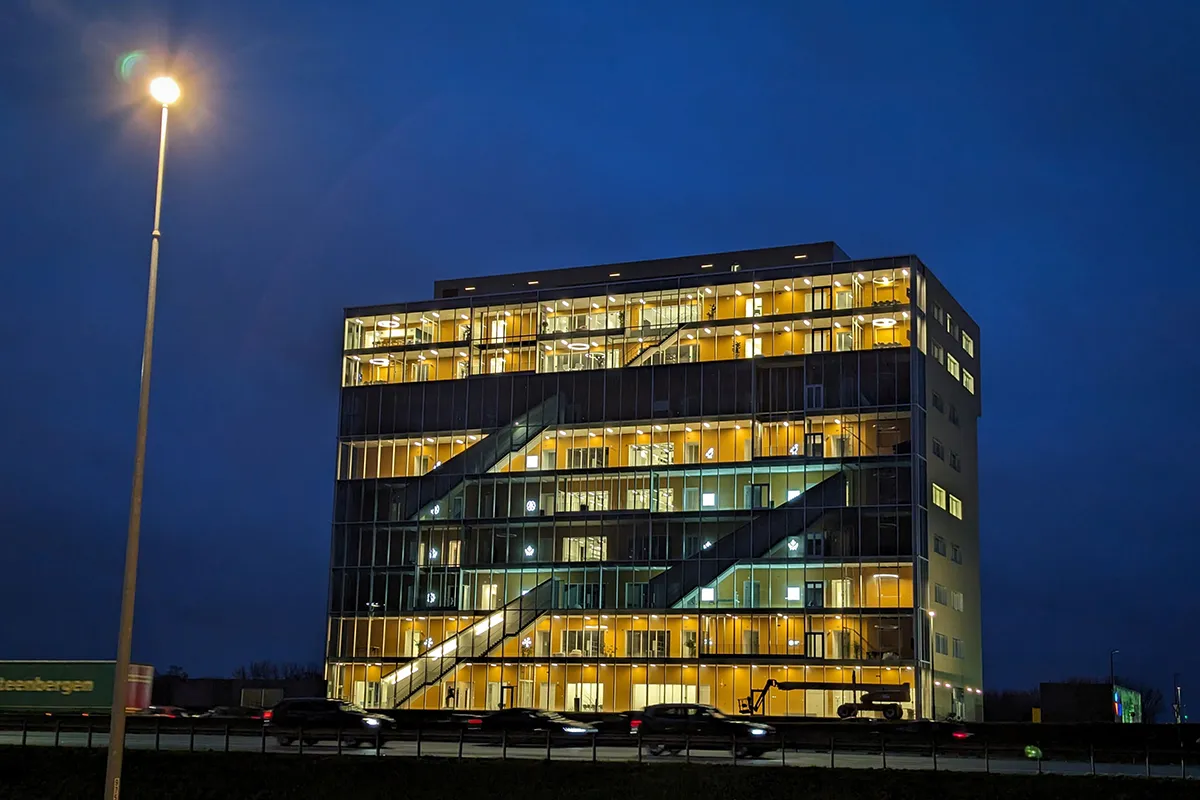
The figures speak for themselves. VIB, which recently moved into a new headquarters alongside the E40 in Ghent, still works on behalf of the Flemish Government and must carry out a comprehensive evaluation of its results every five years. “Our mission is to make a difference, both through world-class research and by translating it into economic activity. In our niche, 42% of leading researchers are involved in a VIB project. With our support, universities can achieve high rankings in biotech. Around 40% of all IP (the intellectual property that forms the basis for commercialising results) generated by life sciences research at Flemish universities is thanks to VIB. Our task is to make sure those figures remain high.”
argenx as a role model
The publicly listed argenx is a role model, having successfully launched its first drug, Vyvgart, on the lucrative US market. “This is incredibly important. In the past, we have achieved some notable international success with Biocartis, Galapagos and Ablynx, which was acquired by Sanofi. But argenx is the most remarkable story so far. We can learn a lot from it,” says Van Biervliet. “For example, CEO Tim Van Hauwermeiren went to seek funding in the US very early on in the company’s development. That enabled them to build a reputation there from the outset.”
“Vyvgart, the blockbuster product, was not their first project either, but the third or fourth idea they developed. They still maintain strong ties with the academic world and value partners who are willing to work with them to think through the problems they encounter,” says VIB’s managing director.
“Another success factor is their highly systematic approach and strong execution. Tim is admirable in that respect: he knows how to do things intelligently, leanly and efficiently. And last but not least, from the outset argenx set out to build a company that would bring internationally unique medicines to market for complex conditions. It is not the easiest path, but the road to sustainable success is now open.”
Keeping the momentum going
Three decades on, the biotech ecosystem continues to grow and thrive. “There is even an acceleration: many scale-ups and spin-offs are on the verge of breaking through globally. To name just a few: Augustine Therapeutics has just raised 78 million euros for its research into the neurodegenerative disease CMT. Confo Therapeutics, which focuses on rare hormonal and metabolic disorders, has entered into an important partnership with Eli Lilly. Orionis Bioscience, which is developing treatments for cancers that cannot currently be treated, has struck a deal with US biotech pioneer Genentech, part of Roche. And the Bill Gates Foundation has invested in Aphea.Bio, which is working on biological alternatives to agricultural fertilisers.”
These successes have not come out of nowhere: most of these biotech companies have been working on their projects for more than 10 years. VIB’s challenge is to keep that entrepreneurial momentum going. Jérôme Van Biervliet says: “We want to see many more ‘argenxes’ in the future. That is why we set up the biotope incubator, which specifically targets international start-ups. We support them with a starter programme, premises and mentorship. There is also a fund attached, through which private shareholders finance an initial round of capital. The incubator was launched in 2023, and we have now supported 17 start-ups. We are already seeing some encouraging stories emerge, with ideas that have been maturing for some time proving viable.”
Brain gain from the US
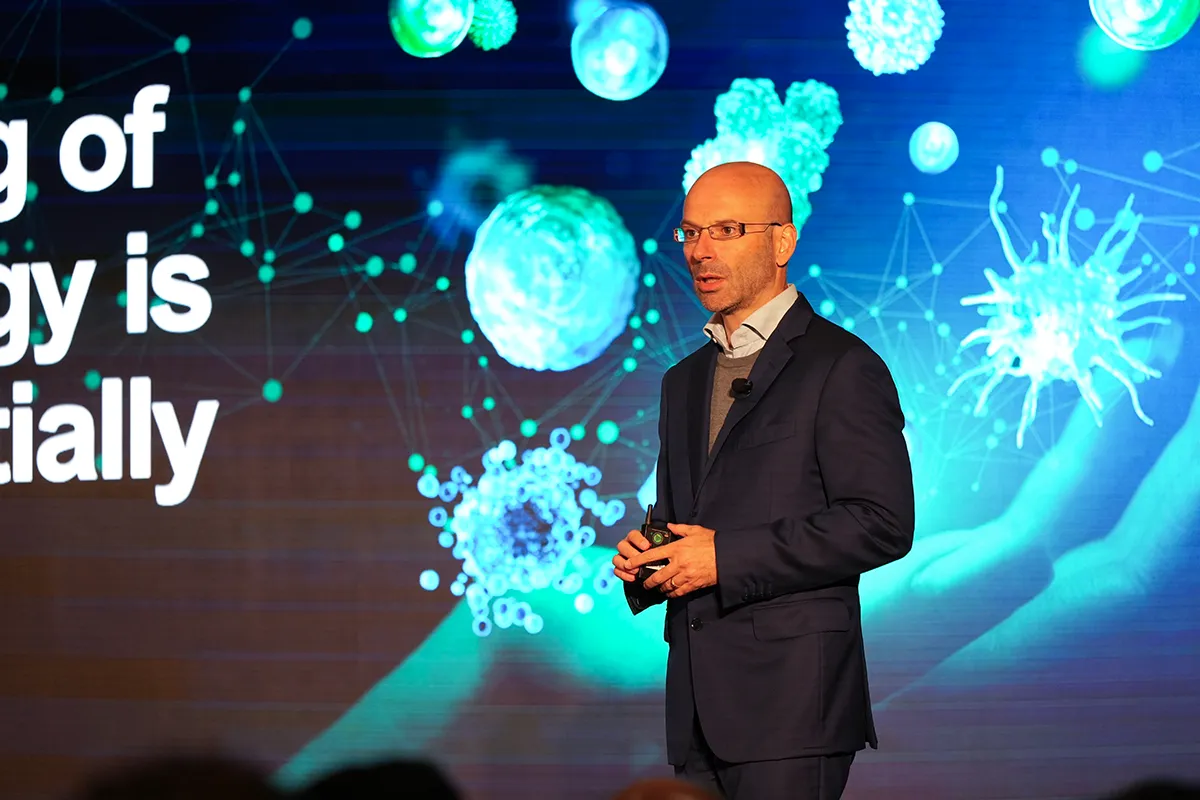
But everything still starts with world-class scientific research. Flemish universities have built a global reputation in this field. Continued investment is essential. “What is happening in the US right now presents a major opportunity. We are hearing from many top talents who have been dismissed or want to leave the US now that President Trump is cutting university funding. We must do everything we can to attract this diverse international talent here. It is a unique opportunity for a brain gain. We are discussing this in a European context, but also with the Flemish Government. We should regard these scientists as elite athletes in the Champions’ League. We must welcome them with open arms and develop a targeted policy, including a more flexible approach to language requirements.”
Jérôme Van Biervliet is optimistic about the future of the Flemish biotech sector: “There are promising solutions in the pipeline for diseases that are still incurable. We will also need biotech to ensure our food supply in a more sustainable way. At the same time, we are seeing many digital technologies mature, making it easier to combine them with biotech research. AI is everywhere, of course, but I am also thinking of protein design, for example. That is why VIB is strengthening its ties with the IT tech sector: we see significant added value in collaboration, particularly in the early stages of research.”
Question about this story? Ask your question
Keep following this
Get an email when a new story is published. No account needed.
- SubjectGeneral







