




These festivals are making a genuine effort to be sustainable
Text Roeland Van Den DriesscheImage Paradise City, Campo Solar
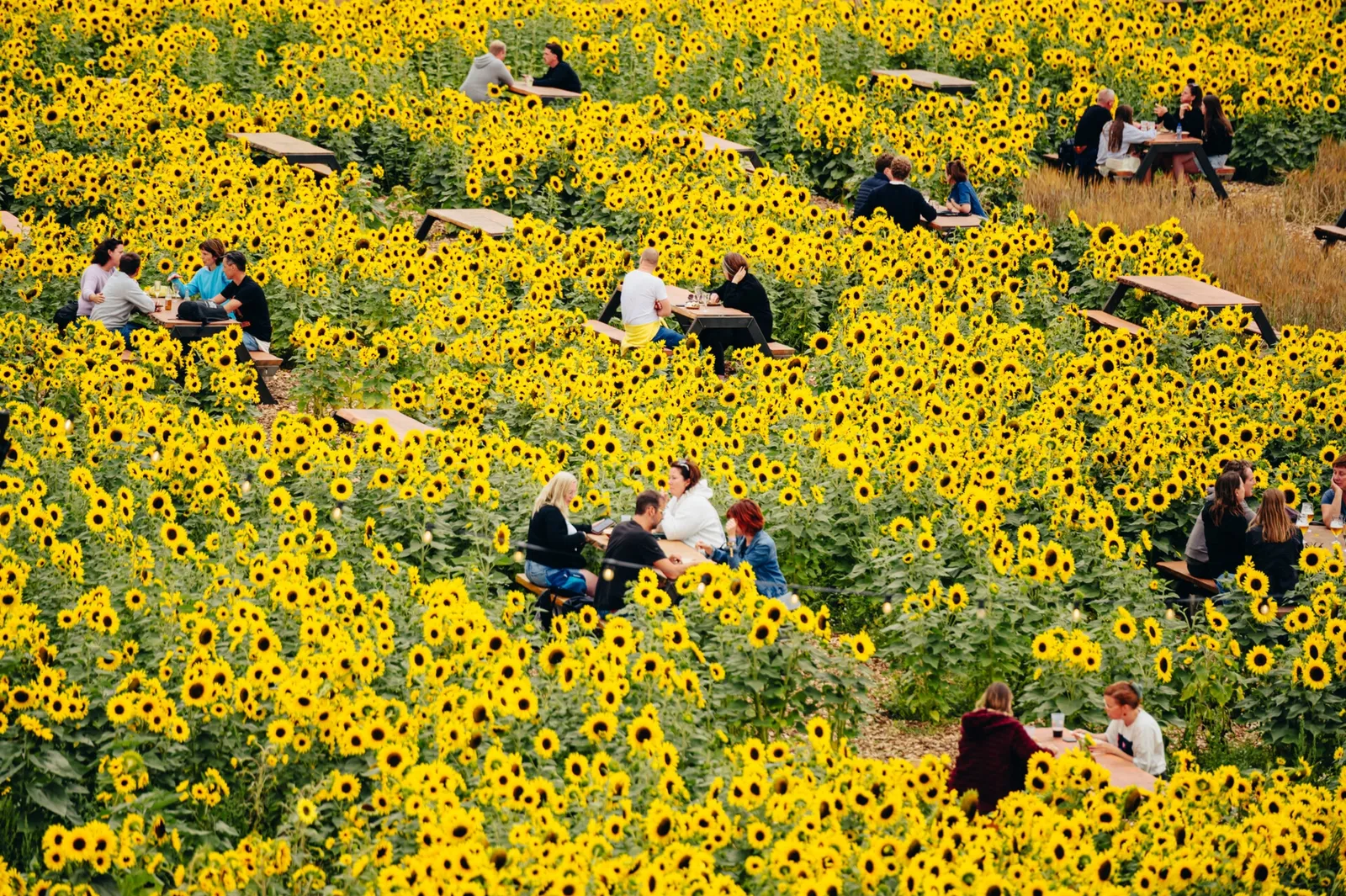
When reusable cups became the norm in 2023, the festival sector was turned upside down. But today, nobody bats an eyelid. What’s more, many festivals are now doing much more to reduce their environmental footprint. Paradise City and Campo Solar are two outstanding examples. Business Vlaanderen spoke to the organisers about their sustainable choices. “The main thing is to get started. No matter how small, every effort counts.”
Summer is here, which means festival season is in full swing. Belgium stands out, as almost every village in Flanders brings people together to enjoy music over the summer. But festivals also generate waste and put pressure on the surrounding environment. To reduce this impact, more and more organisers are making an extra effort. Paradise City is one of them. The festival in Perk, near Steenokkerzeel, started in 2015. “We began very cautiously, driven mainly by idealism and making small changes, such as introducing reusable cups,” says organiser Gilles De Decker.
From solar farm to sowing plan
Today, the festival is a model for the sector. Every initiative is backed by a carefully considered sustainability plan. “For several years now, we’ve had a sustainability coordinator who measures how much CO2 we emit at each edition, which initiatives have a real impact and where we can improve.” These analyses revealed, among other things, that travel to and from the festival could be done differently and better. “That’s why in recent years we’ve made a major push for public transport, running night trains and buses to major cities and towns. That helps, but of course we do much more than that.”
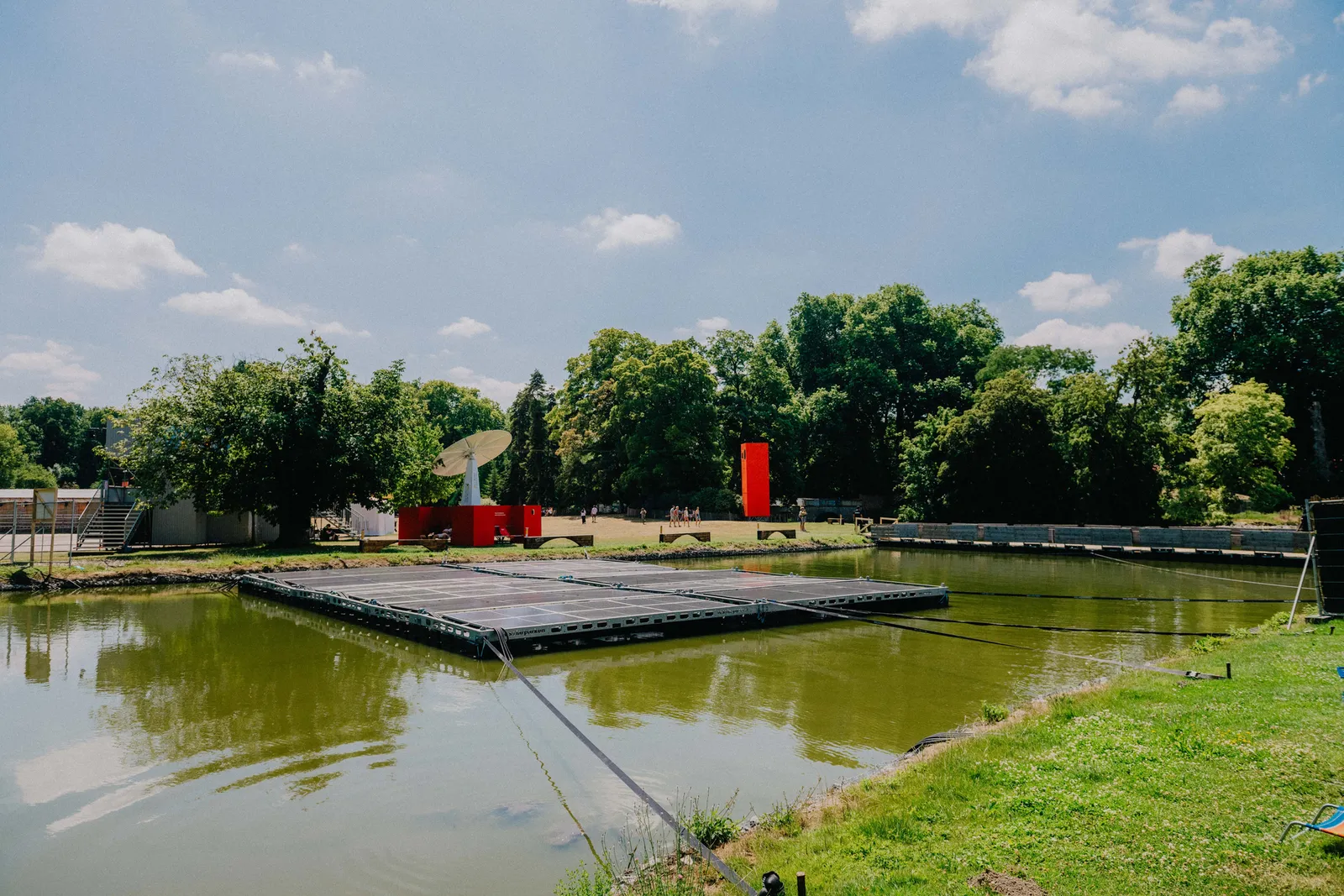
For example, Paradise City uses mobile batteries while the festival is being built. They are charged using renewable energy from a solar farm on the site.
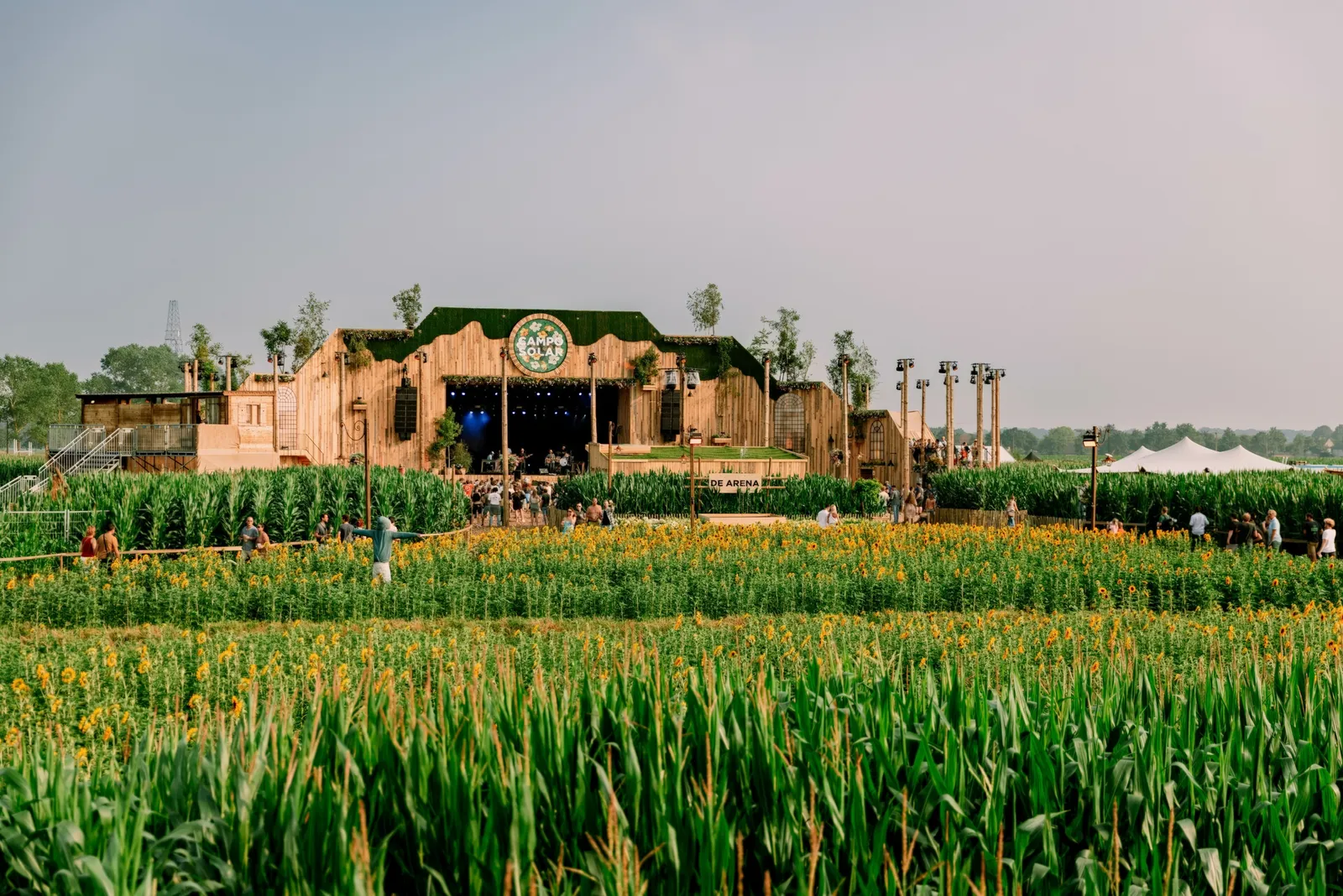
At the other end of Flanders, in the fields of Damme, Campo Solar was named Belgium’s most beautiful festival in 2023. In the run-up to the festival, the fields are extensively sown. “We do this in consultation with the farmers to create natural paths. The ecological benefit is that we then need to bring in as little material from outside as possible,” says organiser Karel Standaert.
Campo Solar also stands out for its use of materials. You won’t find a surfeit of advertising banners or metal fences here, but wood, plants, flowers, sand and even palm trees. The bins, balustrades and stages are also built from natural materials with meticulous attention to detail. “Visitors feel as though they’re in a sun-drenched destination, far removed from reality, yet rooted in Flemish soil. The crops form natural corridors between the different zones. So the site literally grows towards the festival well in advance.”
Less waste and a stronger story
Campo Solar’s campsite is also fully integrated into nature, set amid the maize and sunflowers. “We try to treat that area with as much respect as possible too,” says Standaert. The reality, however, is that a lot of waste is left on the site after the festival, from tents to packaging and empty cans. “But there are creative solutions for that too,” De Decker continues. “At Paradise City, for example, we keep drink prices low, and breakfast is included in the camping ticket. That way, we prevent visitors from bringing a cool box full of drinks and food in plastic packaging onto the site.”
Cheap party tents are also a thing of the past at Paradise City. The festival has partnered with KBC, which provides tents that can easily be folded away and used multiple times. “We offer them completely free of charge, but visitors have to pay a deposit, which encourages them to take good care of the tents.” The initiative has benefits all round: less waste, less clean-up work and a happy partner, which can associate itself with a sustainable project. “So festivals looking for partners have an opportunity here. By taking action on sustainability, you not only strengthen your story, but also give companies a concrete reason to become part of it,” De Decker concludes.
Question about this story? Ask your question
Keep following this
Get an email when a new story is published. No account needed.
- SubjectGeneral







