




The Physical Internet will profoundly change the supply chain in the years ahead
Text Bavo BoutsenImage CHEP, Log!Ville, Swisslog
The world of logistics and supply chain is undergoing an unprecedented period of change. Far-reaching digitalisation and automation will make it possible to digitally control and optimise every logistics chain in the future. What is more, this vision of the future, which is already the focus of much development in Belgium too, may be closer than we think.
Technology has transformed the world of supply chain, transport and logistics in recent years. Numerous new transport methods and loading systems have been introduced, while the sector has invested heavily in extensive automation and digitalisation.
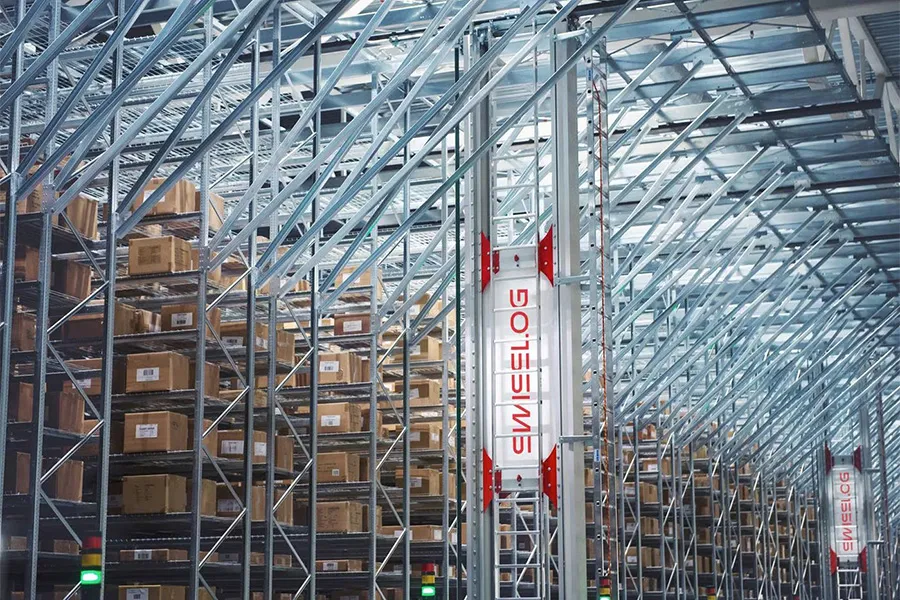
One result is a sharp rise in the number of highly automated high-bay warehouses. They are being developed, among others, by Swisslog, a Swiss company with a base in Edegem. “A key point in this evolution is that an automated warehouse is inherently more sustainable,” says Mattijs Smits, sales manager at Swisslog. “That is partly because it requires less space, but also because energy consumption is much lower. There is hardly any need for lighting or heating.”

Physical Internet
At the same time, the way we think about logistics chains is changing. They are not just a reality in the physical world, but also form a digital chain. Digital transport networks are also known as the “Physical Internet”. By better aligning people, technology, data and systems, even more efficient and transparent transport systems can be designed.
“This increase in efficiency reduces costs and makes logistics more sustainable. The Physical Internet is undoubtedly the most impactful innovation in the logistics world,” says Sophia Pasbecq, supply chain lecturer at Arteveldehogeschool. “The first research into this dates back to 2016. Given its enormous potential, Europe is aiming for an initial phase of implementation by 2040.”
Digital twin
“To make this a reality, every physical unit in the logistics chain will need to have a digital twin,” Pasbecq continues. “Everything will need to be made ‘smart’. The advice for companies, then, is to get ready for this change. Build up insights into existing goods flows and link data to them. This is happening more and more, although the pace of implementation still varies greatly from one company and sector to another.”
One company helping to shape this transformation is CHEP, supplier of the well-known blue pallets. It is launching pilot projects in which pallets are fitted with a smart tracker. “This enables us to generate data that provides valuable insights for the various players in the supply chain. The pallets are also easier to track: we always know where they are, can reuse them more easily and prevent pallet losses,” explains Emmanuel Veys, Country Lead Belgium at CHEP.
B2B versus B2C
With the introduction of the Physical Internet, almost every flow of goods will become transparent. “We are heading towards a world in which you will know exactly how every product on sale in a shop got there. This information will be available via a label or QR code on the product,” says Mattijs Smits.
The question, however, is whether all information about logistics chains will actually be made available to end users. “The data generated will primarily be available to the sectors and players that shape logistics chains, and probably will not all be made available to consumers,” Pasbecq qualifies.
Tipping point
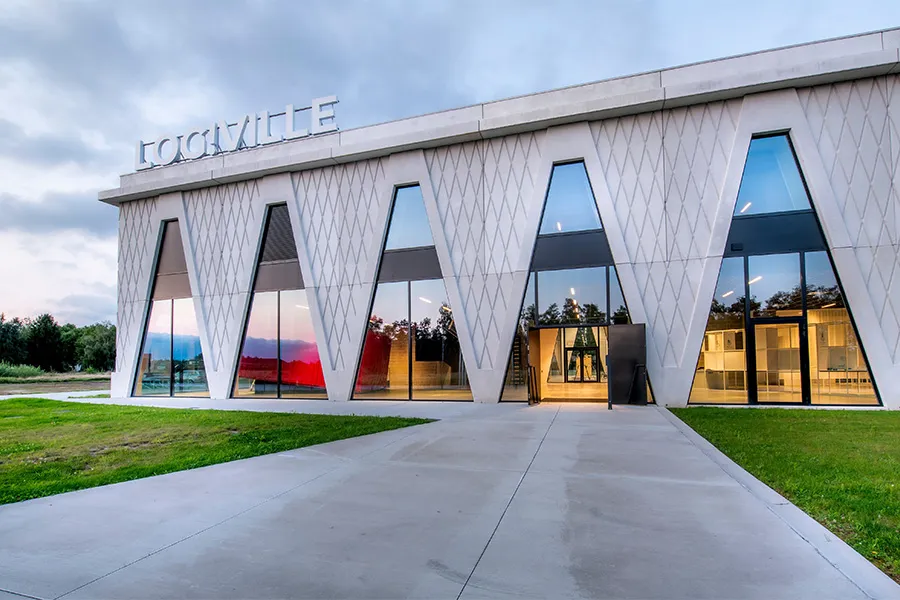
These developments offer many opportunities for Belgium. “As a logistics hotspot, we have a wealth of knowledge and expertise, as well as a central location. We need to get on board,” says Pasbecq. Log!Ville was established with this in mind. At this experience and meeting centre in the Wetenschapspark in Niel, companies can immerse themselves in the future of the logistics ecosystem.
“Visitors can discover the latest technologies and what they could mean for them,” says Paul Van Nuffel, innovation ambassador at Log!Ville. “By encountering mature innovations that have yet to catch on with the mainstream, they can effectively look into the future here. This year alone, we have welcomed almost a thousand companies: large logistics players that have been focusing on innovation for some time, as well as SMEs that have traditionally worked in a more conventional way. In this way, we provide a place where knowledge-sharing and co-creation between start-ups, companies and knowledge institutions are central,” concludes Log!Ville manager Dirk Jocquet.
Question about this story? Ask your question
Keep following this
Get an email when a new story is published. No account needed.
- ThemeDigital business and automation
- SubjectGeneral







