




The “iPhone moment of AI” through the eyes of Flemish entrepreneurs
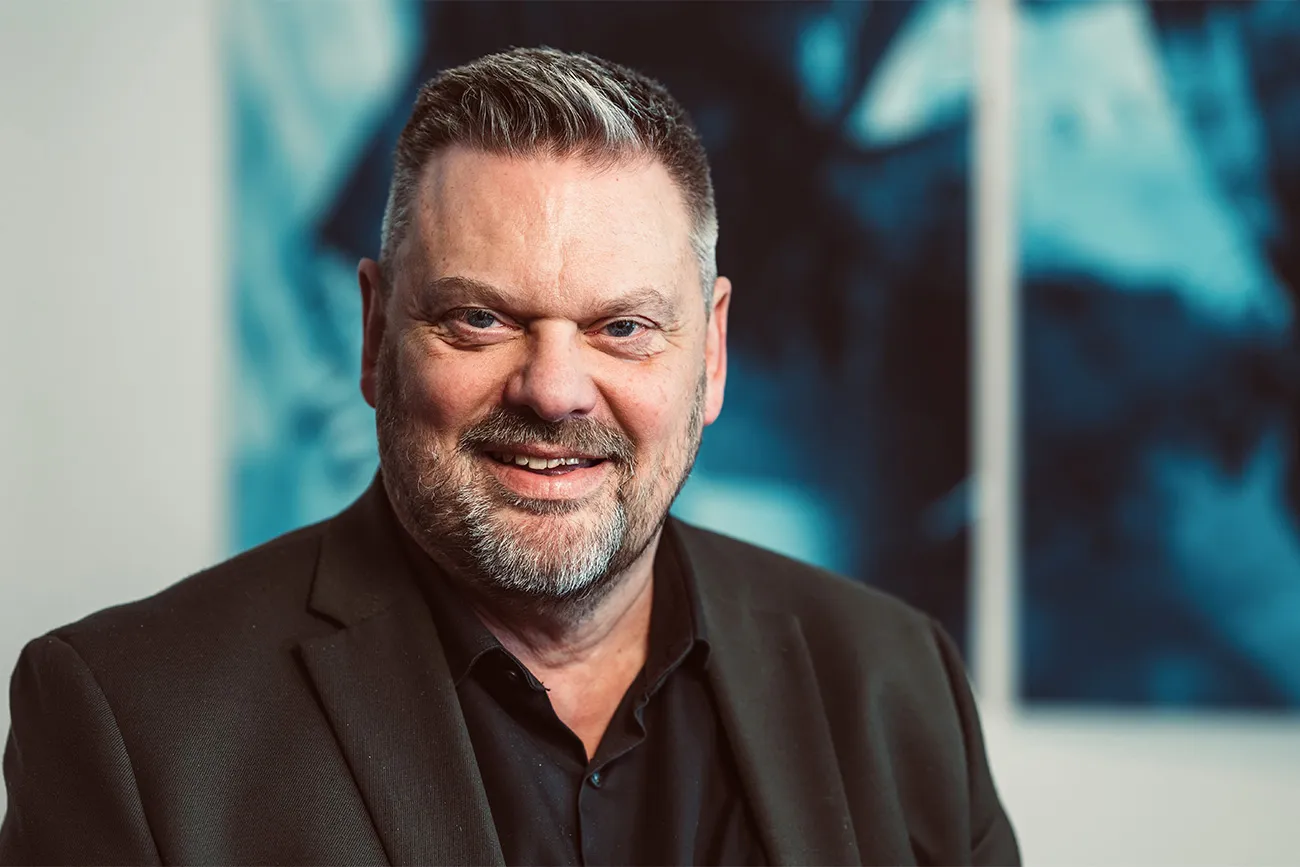
“Technology is evolving faster than people can change”
Since ChatGPT arrived, AI has been impossible to ignore in the news. The impact of this technology on almost every aspect of our society looks enormous. Flanders is home to many innovative companies working on language-intelligent AI. What do they make of the events of recent months, and how do they see the future? We set out to find out, for now without any help from AI.
ChatGPT has been an enormous success. This generative AI application reached 100 million users in less than two months. By comparison, it took Instagram around two years and TikTok seven months. Since its launch on 30 November 2022, this AI application has rarely been out of the news.

Flemish hub
“It is striking that interest in ChatGPT and the technology behind it is greater here than in neighbouring countries,” begins Frank Aernout, CEO of language technology company Nalantis, which develops AI that can analyse and understand the meaning of texts. “One possible explanation is that Flemish businesses have been working in this field for a long time. We really are a hub for language technology. In my view, nowhere else has such a high concentration of people working in language technology relative to the population.”
Other Flemish AI entrepreneurs share that view. “There is a very active community here of companies working in Natural Language Processing (NLP), the branch of AI concerned with understanding text in the same way that people do,” says Jeroen Van Hautte, CTO of TechWolf, which maps employees’ skills by using AI-powered language models to search and structure company data.
Multilingualism as an asset
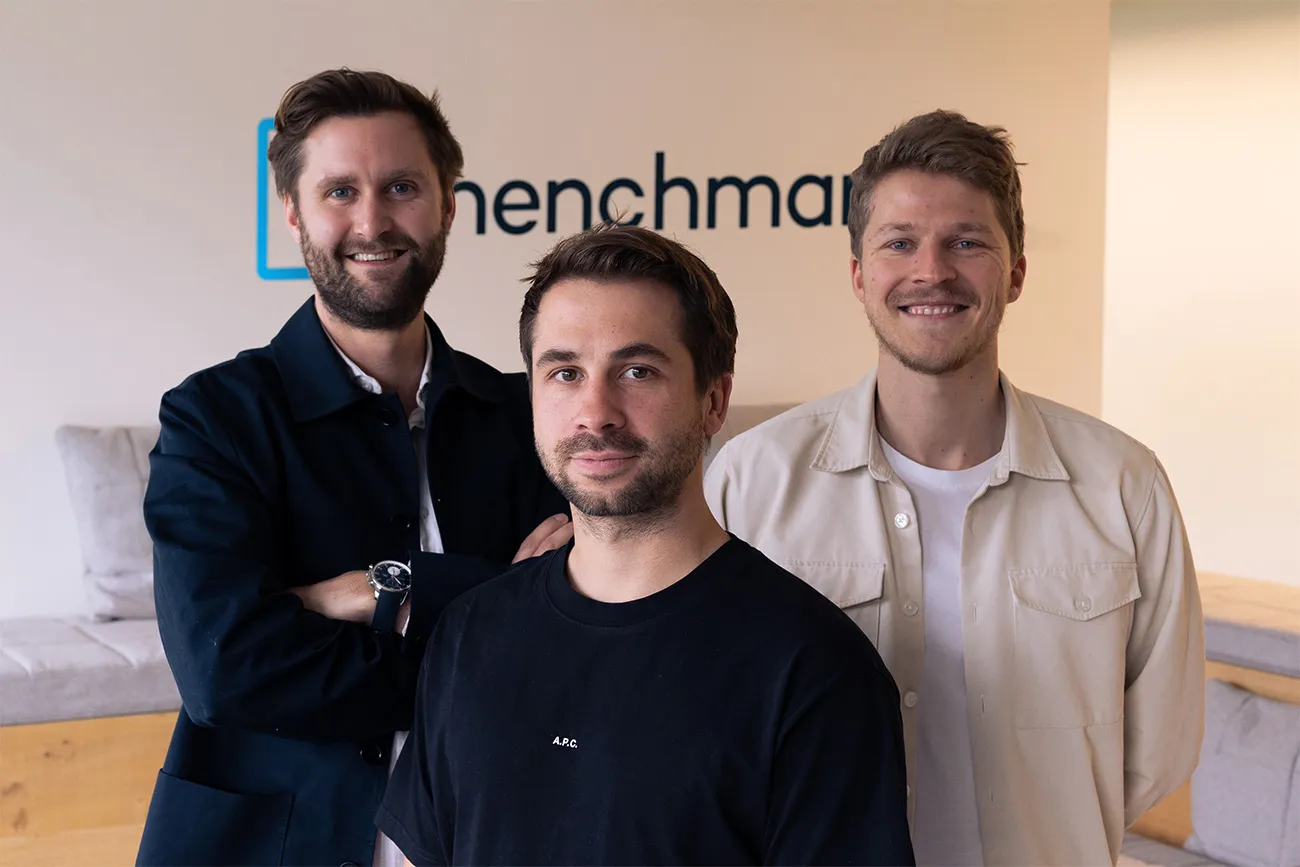
This strong level of activity is linked to our country’s particular linguistic context. “You can clearly see that a strong sensitivity to language is embedded in our culture. That is probably a result of the demographic and multilingual reality we live in. In the US, for instance, that is far less the case,” explains Maarten Mortier, Strategy Lead at Henchman, a legal tech start-up that has been on an impressive growth trajectory since 2020.
This multilingual environment also offers a clear advantage. “We are developing a digital tool that enables law firms to search and enrich their own databases at clause level. One important reason for our growth is that we chose from the outset to develop our technology in multiple languages. The system now supports 16, while our competitors are usually only available in English,” says Jorn Vanysacker, CEO of Henchman.
iPhone moment
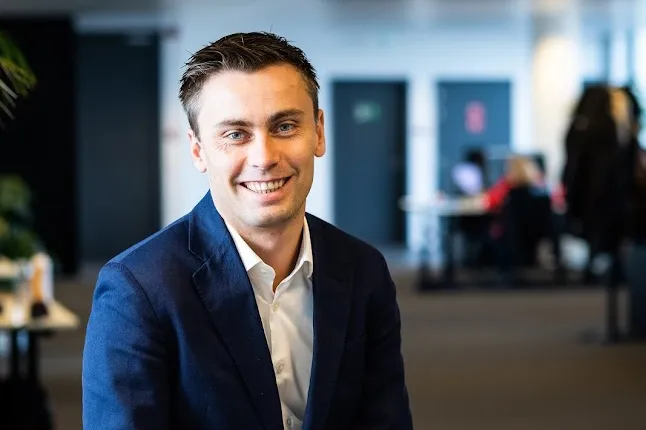
These AI entrepreneurs are naturally paying close attention to developments around ChatGPT. “The term ‘iPhone moment’ is apt. Just as when the first iPhone was launched, the technology itself is not actually new. What is new is that everything has now been brought together in a very user-friendly product. That gives many people a kind of lightbulb moment. It makes them think about what AI could mean for them,” explains Van Hautte.
This is also clearly reflected in commercial terms. “A lot of interested investors have approached us in recent weeks. We even talk among ourselves about a new gold rush,” says Nicolas Deruytter, CEO of ML6, an AI company that has grown to more than 100 employees in just under 10 years.
In other words, we can be sure that ChatGPT will accelerate growth in the world of AI and NLP. But this also presents challenges for entrepreneurs in the sector. “The storm of recent months has put everyone on high alert, but at the same time there is a degree of caution in the world of language technology,” says Aernout. “ChatGPT is, and remains, a processing tool. It cannot understand or interpret. That is a very different proposition from, for example, the semantic AI developed by Nalantis. That is why we need to explain our added value very clearly to potential users and investors.”
A new technological era
Recent weeks have also seen the general public raise questions about whether these developments are desirable. The impact of the technology could be considerable. “It is evolving faster than people’s ability to change, and that causes stress,” explains Deruytter.
Even so, the entrepreneurs are optimistic about the future. “Many tasks will be taken over, but I am not a fatalist,” says Frank Aernout. “When Wikipedia arrived, we also thought journalists would become redundant. That has not proved to be the case. The same goes for DeepL and the translation sector. In other words, this looks like a big bang and it is certainly a wake-up call for many tech companies, but it is not the next industrial revolution.”
Henchman takes a similar view. “Our starting point is this: a lawyer using AI is better than one who is not… We help them work more efficiently and give them more time to focus on creating value,” says Vanysacker. “I feel that the negative perception of AI is mainly held by people who do not know it. Over the past two years, we have been in contact with around 7,000 companies, and not one was afraid for its business.”
Even so, it is essential to handle this tension thoughtfully. “Our sector is characterised by techno-optimists. They sometimes pay too little attention to the social repercussions,” says Deruytter, who hopes the debate will be broadened in the coming months. “Since almost all knowledge workers will be confronted with a new reality, it is crucial that we encourage a broader societal debate, one that also addresses the relationship between employer and employee and the place of work in our lives. Think, for example, of the four-day working week or basic income,” he concludes.
Question about this story? Ask your question
Keep following this
Get an email when a new story is published. No account needed.
- SubjectGeneral







