




Stéphanie Feys and Tamara Tanghe, two women at the helm of family-run port businesses
Text Björn CrulImage Joren De Weerdt
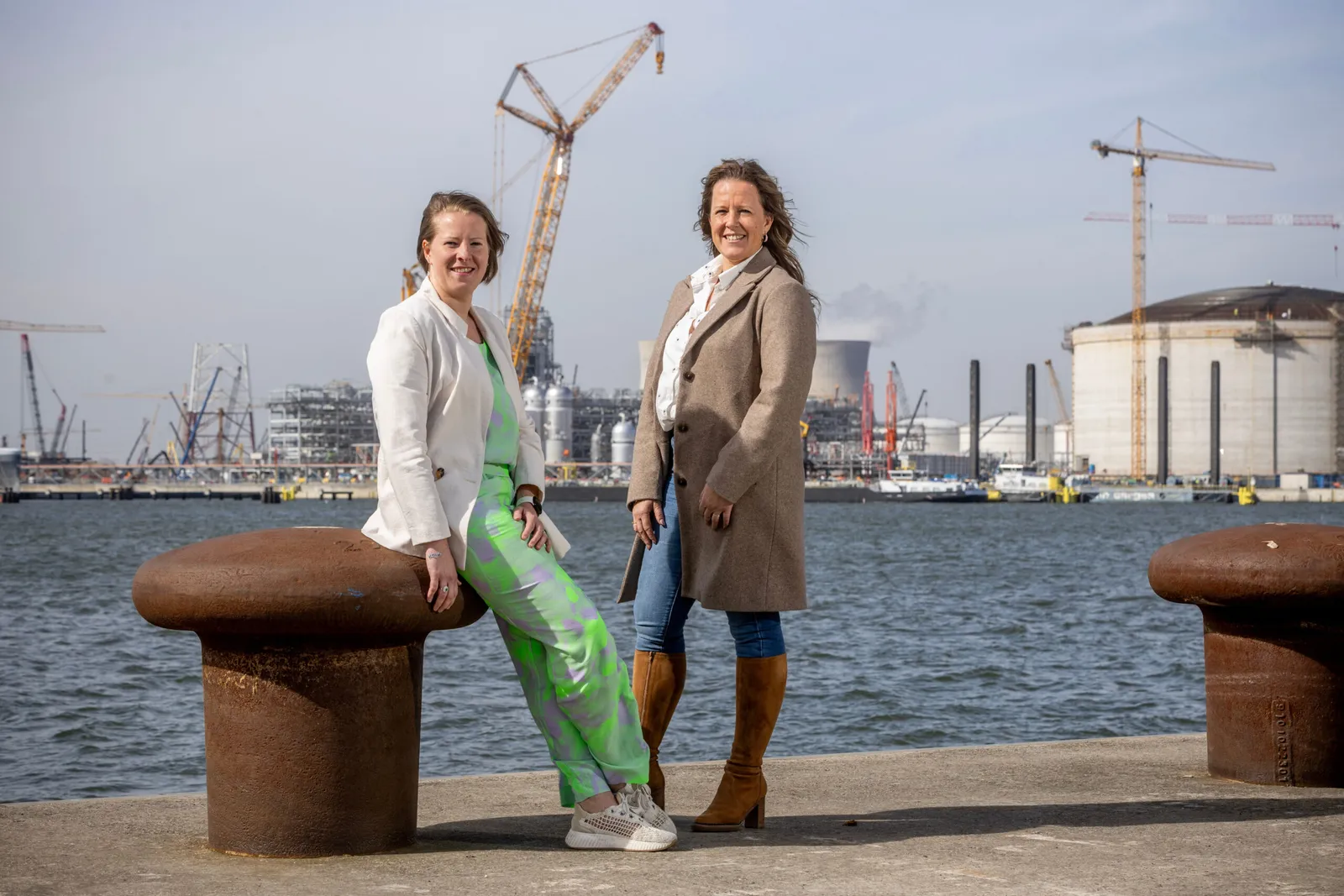
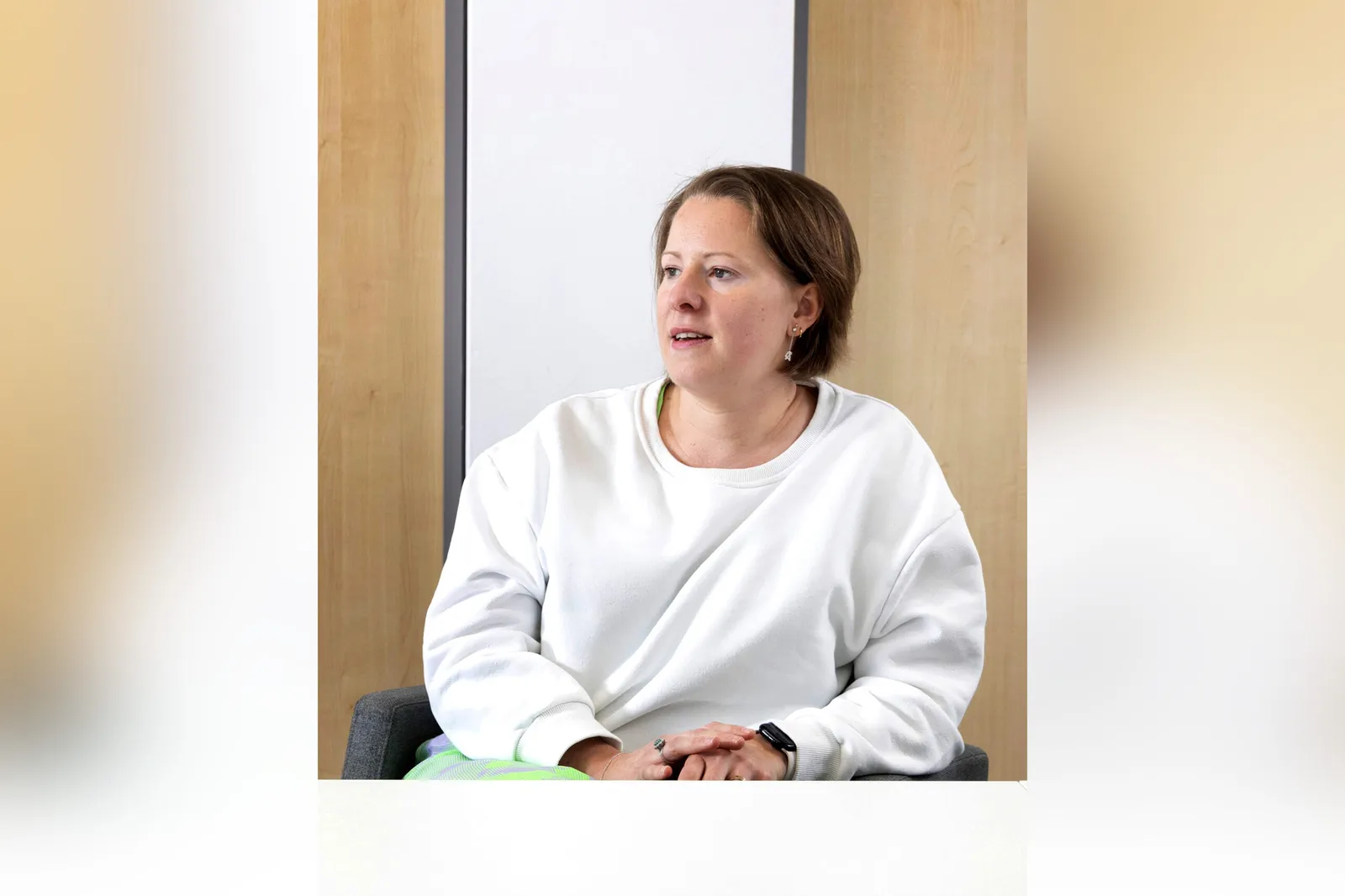
The maritime and logistics world remains a male preserve for now. Yet more and more female entrepreneurs are making their mark in the port. We brought together Stéphanie Feys, managing director of cargo handler and breakbulk specialist Zuidnatie, and Tamara Tanghe, co-director at logistics and warehousing company Commodity Centre. Their businesses face the same challenges, such as making the logistics chain more sustainable and finding and retaining the right staff. Both have already made impressive progress as entrepreneurs: “As a woman, you still have to work so hard to prove yourself and earn your place. But once you do, you earn respect and can simply get on with the job.”
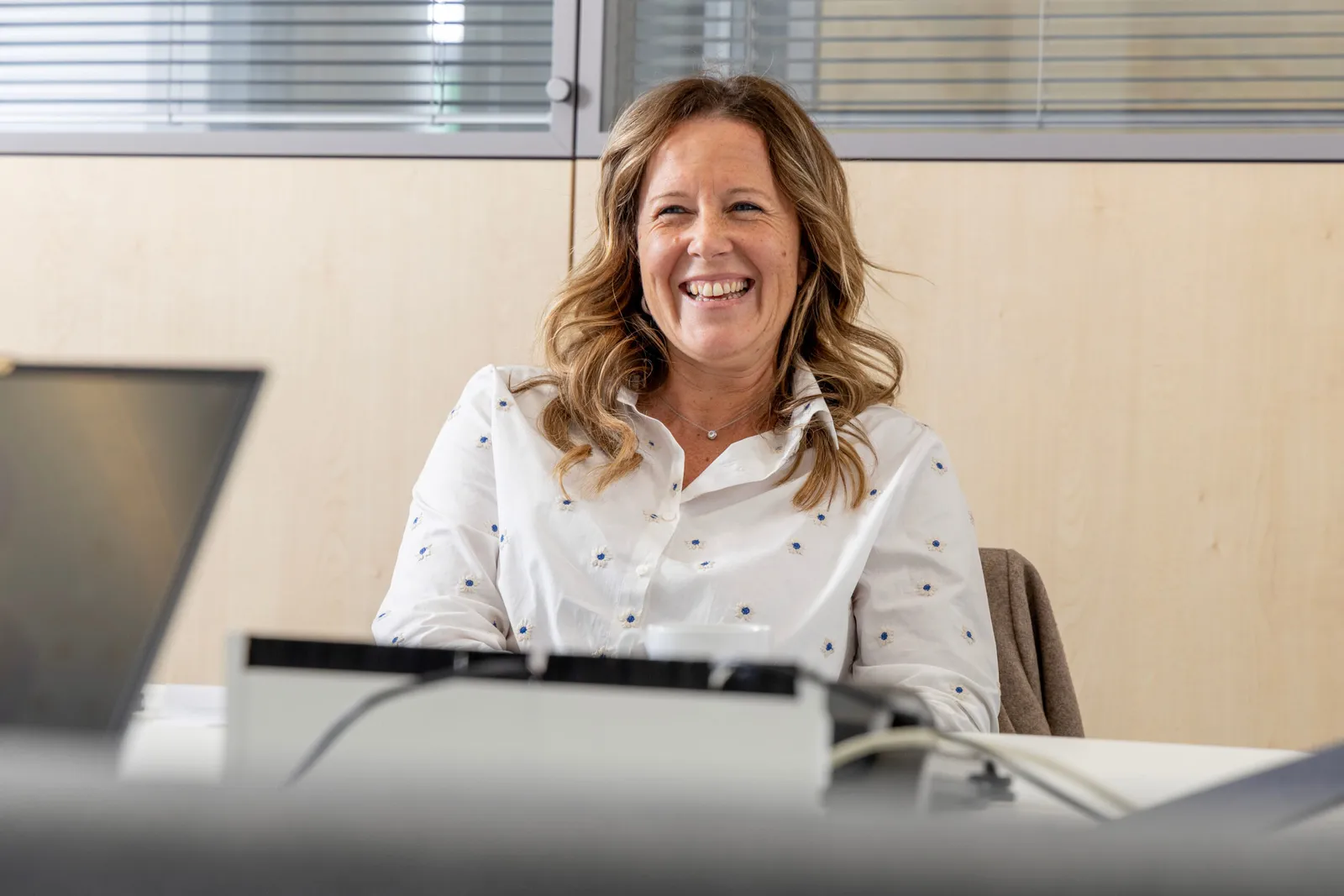
Geopolitics is now one of the most important factors in the global economy. Are you feeling its impact?
Stéphanie Feys: Because the routes that call at our facilities are not exclusively American, Zuidnatie has not felt an immediate, direct impact. But we can see that the tariff war Donald Trump has unleashed is making customers nervous. It is slowing the import and export of goods, and traders are concerned about that. At the same time, logistics is a global chain, which means geopolitical factors are always at play in our business. Since the COVID-19 pandemic, we have moved from one crisis to another: after the virus came the war in Ukraine, the energy crisis, a shortage of containers, Donald Trump… Our company is now constantly operating in agile mode, and we always find a solution to the problems that arise. All in all, our volumes have remained steady. We have an average of 350 employees, including around 50 permanent dockworkers.
Tamara Tanghe: Geopolitics has always been a factor and always will be. We set up Commodity Centre in Antwerp 12 years ago as a handler of cocoa, coffee and other dry food commodities. We now also provide services for metals. Following the invasion of Ukraine, we were already confronted with a ban on trade in Russian steel. We are now waiting to see what the US sanctions will mean for that segment. We are also keeping a close eye on developments so we can spot opportunities. In 2022, we took over Waagnatie, which means we now have our own transport division too. We have around 20 office staff and between 30 and 50 dockworkers a day.
You run a business in a world undergoing rapid change. What is the biggest challenge for your organisation at the moment?
Stéphanie Feys: There are many challenges, but sustainability is a key focus. We are seeing a clear push to become more sustainable, but that comes at a cost. The question is who in the chain will pay. Take green steel, which Europe is keen to promote. It will not be available overnight, and it will take time to gain a foothold in the market so that customers are willing to pay the higher price. As a cargo handler, Zuidnatie is an intermediary that everyone expects a lot from: the customer, the port authority, the government… They all have their own expectations. Meeting all the rules at an acceptable cost is a challenge on top of running the day-to-day business.
Tamara Tanghe: Absolutely! Regulations change very quickly and you have to keep a close eye on them. We are a relatively small organisation, so their impact is significant. What I see today is overregulation, which costs a great deal of money. Running a business well while also keeping up with all those rules is no easy task. We are also expected, as cargo handlers, to check whether everyone in the chain is compliant… Well, that is extremely difficult to monitor or enforce. Of course, we agree on the end goal: we need to become more sustainable, but it all has to remain achievable in practice.
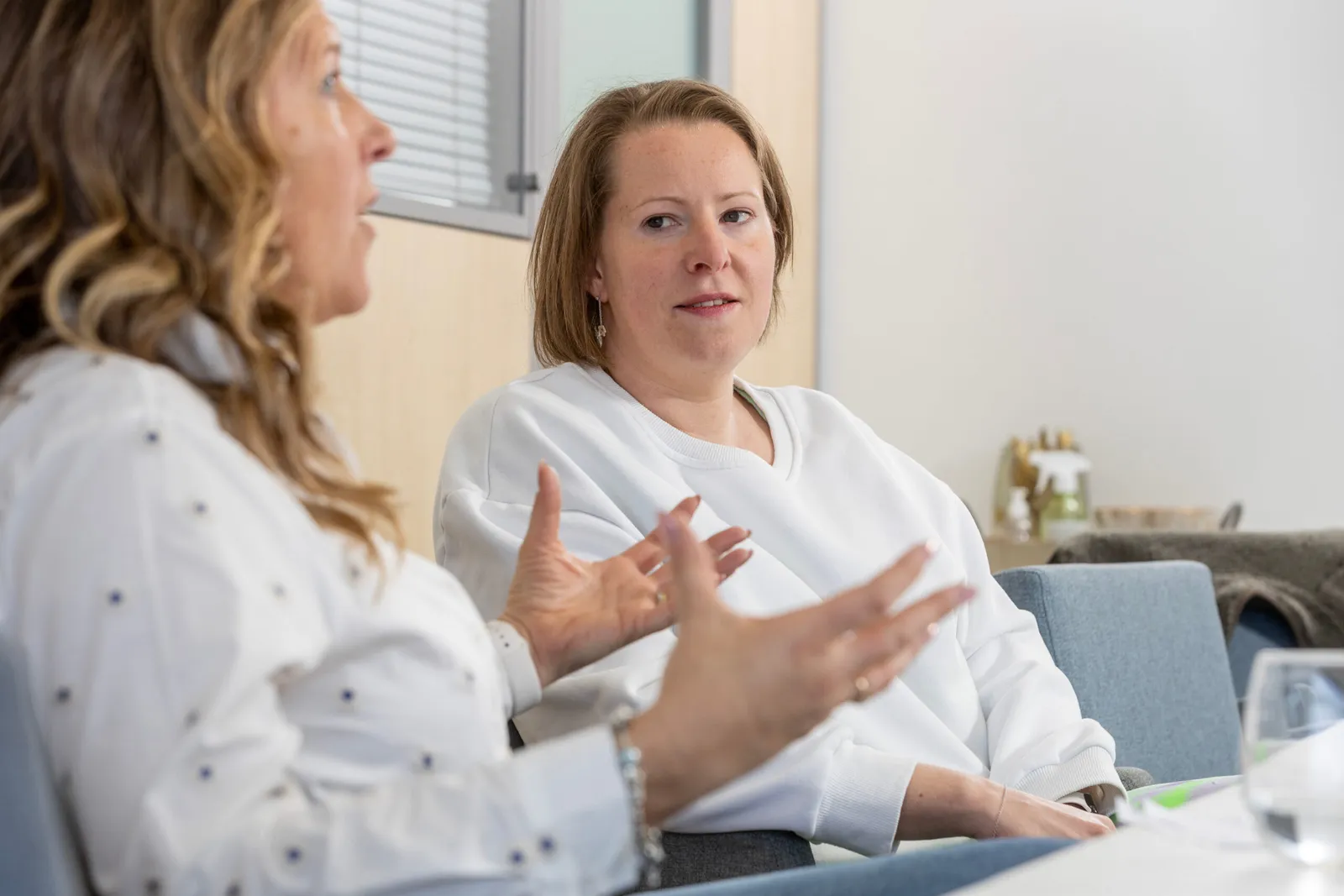
The quality of your service depends on the people carrying out the work. Is the dock labour system still an asset?
Stéphanie Feys: I remain a supporter of the dock labour system and the pool. Dockworkers and breakbulk specialists certainly bring advantages in our niche. We have the flexibility to deploy dockworkers 24/7. Customers also know they can get back to sea sooner because our people’s expertise makes us highly productive. But the rise in labour costs and the additional payments we make are a cause for concern. I can already see that we sometimes struggle to compete with ports where work is organised differently. Another challenge will be to maintain our flexibility. Most weekend work is done by dockworkers aged 45 or over. I hope we will find enough young people who want to join the system.
Tamara Tanghe: Dock labour means higher costs, which makes automation increasingly important. I realise some dockworkers find that difficult, and feel less valued when they have to work with a machine. But this is simply the future. It is one way to keep the sharp rise in labour costs under control. I hope people will continue to take pride in working in the port, including the next generation. At times, I do wonder about that. There is rightly more focus on work-life balance, but I hope people will continue to step up and be willing to go the extra mile with enthusiasm when the need is greatest.
Stéphanie, 2024 was a strong year for Zuidnatie, which also saw the construction of a new steel-processing warehouse. How do you stand out?
Stéphanie Feys: We have had three good years in a row, thanks in part to the growth of conventional breakbulk cargo. With the Zuidnatie Slitting Center, we added extra services for our steel customers. We have also invested heavily in digitalisation, where we are quicker to adapt than the rest of the port community. We are now reaping the benefits. We remain a family business, with short decision-making lines. That drives our entrepreneurial spirit. It allows us to move quickly when unexpected events occur or a customer needs something extra.
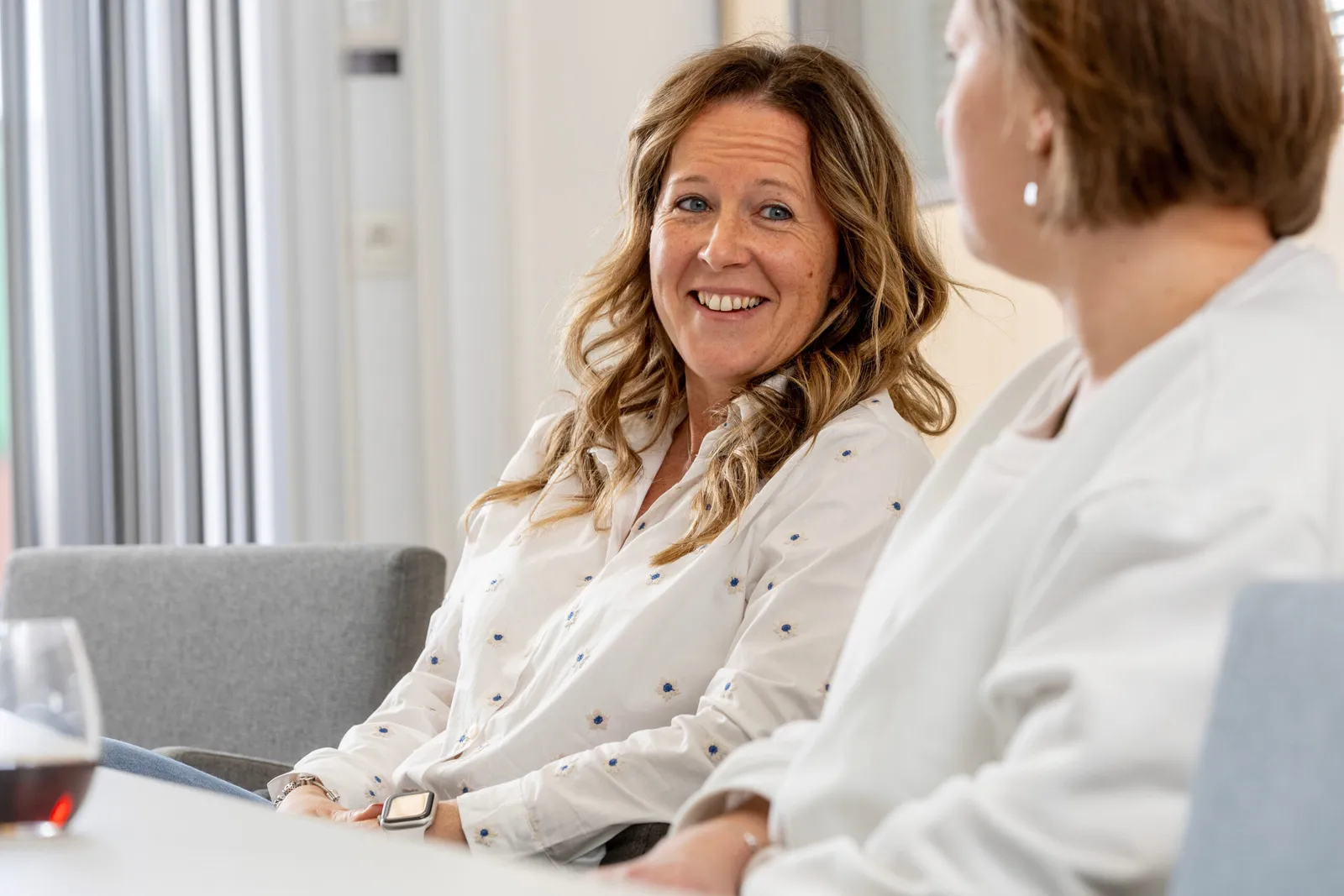
Tamara, your business has also enjoyed impressive growth. What is behind the success of Commodity Centre Antwerp?
Tamara Tanghe: We can look back on some very good years. At the start of last year, we did have some vacant warehouse space. But since April 2024, we have been experiencing a boom that has yet to let up: our import and export volumes are at their highest in 12 years. We are seeing a shift in what customers expect, though. Take record coffee and cocoa prices, for example: customers are choosing to store less and ship at the last minute. This means we need to focus more on handling and service. In any case, we have chosen to expand into other product markets. I think the trust we have earned from so many customers comes down to our flexibility. As a family business, we do not have to capture everything in procedures and rules. If there is a problem, we simply solve it.
The port and logistics world remains very much a male preserve. How do you make a difference as female business leaders?
Stéphanie Feys: There have always been a lot of women in the port, but few of them held management roles. We are now making progress within the employers’ federation CEPA. That is a good thing, because diversity creates balance. In our company, I have certainly been able to put my own stamp on how we run the organisation. My father sometimes says he thinks we have become a “soft organisation”, but we have a strong management committee of complementary men and women who work together to tackle whatever needs tackling.
Tamara Tanghe: Businesses need both men and women. It is like a relationship. As a woman, you simply have different perspectives. But you do have to work harder to prove yourself and earn your place. Once you get there, though, you earn respect and can bring a different vibe to the organisation. Think of the attention paid to mental wellbeing and work-life balance. The more women reach senior positions, the easier it will be for new perspectives to take hold. I readily admit that I could not have done it without the support of my family, though. Running a business is a job that is always on your mind. Closing your office door does not make it stop. My husband, my son and my stepchildren know that, and they let me get on with my work.
Question about this story? Ask your question
Keep following this
Get an email when a new story is published. No account needed.
- SubjectGeneral







