




Scarce commercial land calls for clear choices: “Zoning determines everything”
Text Anse KeisseImage Dewaele Vastgoed
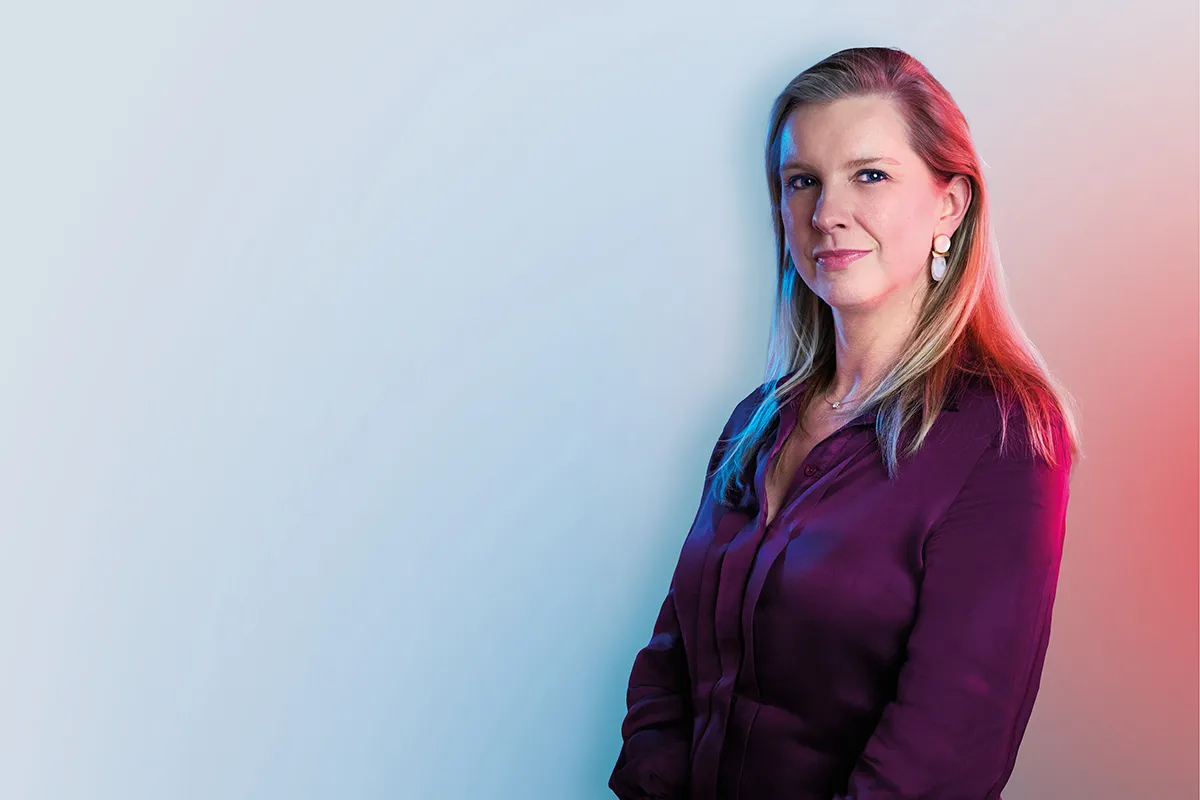
Land-use legislation determines your growth potential
Anyone looking to build, expand or invest today will soon come up against one reality: space in Flanders is scarce. Not every plot can be used for the purpose an entrepreneur has in mind. The planning designation of a plot helps determine whether a business can grow, how a site can be further developed and what value it will hold in the future. At Dewaele Vastgoed, Siska Dejonghe and Alexander Deloof advise entrepreneurs every day as they navigate the tension between ambition and regulation.
In the 1970s, the first rules were laid down to determine where people in Flanders could live or work, and what had to remain open space. This was done through the regional zoning plan, which assigned each area a colour and a function: residential, industrial, agricultural or recreational. More detailed plans followed, each time to reconsider designations or align them more closely with the realities on the ground. These included BPA’s (Special Land Use Plans, for a specific site or neighbourhood), GRUP’s (Regional Spatial Implementation Plans) and PRUP’s (Provincial Spatial Implementation Plans). These plans can reinforce, adapt or completely change an earlier designation.
This patchwork of plans can sometimes cause confusion. “It is quite common for a plot still to appear on paper to belong to a particular zone, even though a more recent plan has actually designated it for something else,” says Siska Dejonghe, senior business broker at Dewaele. “That is why, when we start preparing a sales file, we always check the most recent designation first. It is the only way to be sure of the zoning and the regulations attached to it. Only then does it make sense to discuss potential uses, value and how to take it to market.”
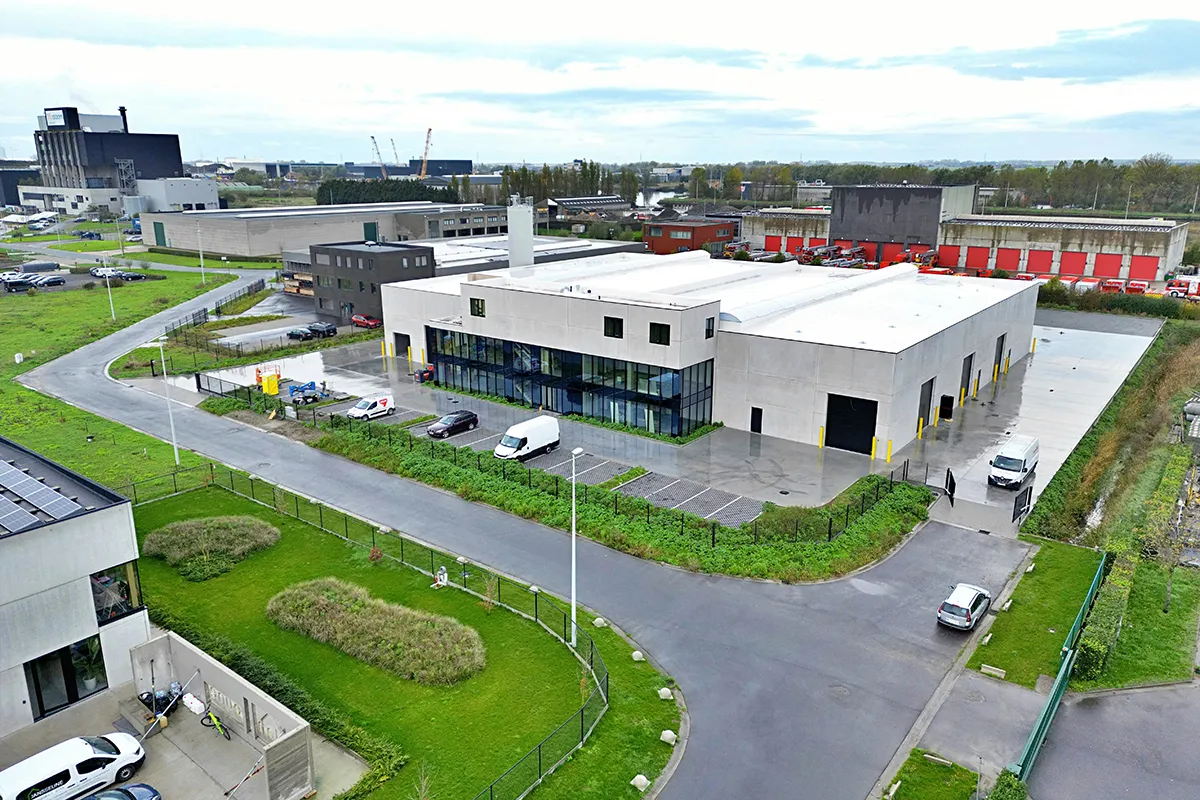
Specialist commercial buildings
In practice, two situations are particularly challenging: land covered by an old BPA and commercial buildings located in agricultural areas. “A BPA often specifies one very particular permitted activity, such as a workshop suitable only for carpentry or metalworking. Anyone wanting to use it for something else runs up against rules that are difficult to relax today,” says Dejonghe.
For agricultural buildings, the land price may be lower, but a non-agricultural activity may not be legally permitted. “That can mean someone buys a building only to find they are not allowed to start their professional activity there after all,” adds her colleague Alexander Deloof. “These risks need to be identified before you invest.”
Scarcity drives more efficient building
With industrial land in short supply, plots need to be used more efficiently. This is leading to multi-storey or stacked commercial buildings, particularly in the regions under the greatest pressure.
Siska Dejonghe: “Regulations such as the building envelope rule and the 45° rule play an important part in this. They determine how high a building can be, based on its distance from the plot boundary. The closer it is to the boundary, the lower the building; the further away, the higher it can be. These rules help ensure safety, daylight and liveability, but they can also mean that building opportunities are more limited than expected. Ultimately, that affects how a plot is valued.”

Advice starts with clarity
Dewaele Vastgoed aims to help its clients navigate this complexity in the right way. For every valuation and every sales or rental file, it checks what is possible and under what conditions. “This determines the price and the target audience we can approach. It gives the client realistic expectations,” say Dejonghe and Deloof. “This approach prevents deals from falling through further down the line.”
There is another factor, too: many transactions take place off-market. “Anyone looking for a property also needs to be found. We need to know exactly what someone needs, but also who is willing to sell. That is where our role as a matchmaker comes in.”
Anyone buying or selling property today would therefore be wise to take the time to get clarity before discussing figures. The right designation determines not only what is possible now, but also what may remain possible in the future: expansion, a change of use, resale or further investment. “A plot is never just a piece of land,” concludes Alexander Deloof. “It is a decision that helps shape the future of a business. Taking this approach means choosing long-term value and certainty, not the lowest price.”
Een zakelijke vraag aan Dewaele? Get in touch
Companies in this story

Keep following this
Get an email when a new story is published. No account needed.
- ThemeBuilding and using business premises
- SubjectGeneral
- CompanyDewaele







