




Retail property can also be an attractive investment
Text Roeland Van Den DriesscheImage Dewaele

Almost every city in Flanders is grappling with vacant premises. Retail properties in particular are proving harder to let. Property group Dewaele, which has a sizeable portfolio, confirms the trend. Its figures show that smaller cities are struggling most. “Yet there are plenty of opportunities there. In fact, yields are often higher than in prime locations. So don’t jump to conclusions,” says estate agent Ivan Bouckaert.
Vacant premises are among the most disruptive features of a city’s streetscape. The desolate impression they create can often have a knock-on effect, quickly making a city less attractive. The reasons vary widely, from weak consumer confidence and properties in poor condition to rapidly changing shopping habits. “The positive news is that vacancy rates have continued to fall in recent years, as many retail properties have been put to other uses. On the other hand, we are seeing a move towards centralisation. Whereas chains once considered it essential to have a presence in every city, they are now abandoning that approach altogether,” says Ivan.
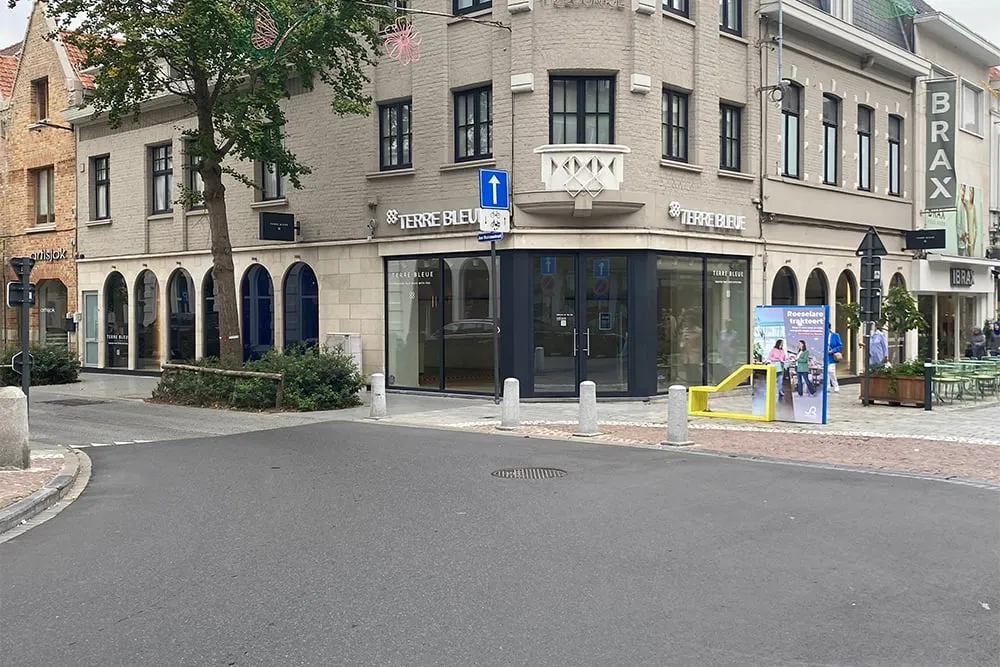
Strong demand for rental properties
The retail sector has also had a difficult few years. The Covid-19 pandemic, among other factors, reshaped the landscape and created a society in which people shop far more online. “Some chains also missed the e-commerce boat, leading to numerous bankruptcies.” The after-effects are still being felt today. Terre Bleue, Fun and Scotch & Soda, for example, have all recently filed for bankruptcy. “This trend is clearly damaging to consumer confidence, as it puts further pressure on demand for retail space. City centres are being hit hardest, particularly where many properties need renovation.”
That is why many cities are taking measures to tackle vacancy. “In Brugge, for example, they have created a platform to bring supply and demand closer together. The city also offers grants to start-ups and runs initiatives to make shopping streets more attractive.”
These efforts are worthwhile and are already bearing fruit. “Demand for prime locations remains strong, but rental properties are currently attracting the most interest, keeping market prices relatively high. In smaller cities, however, we are seeing owners more willing to adjust their prices, because it is obviously in their interest to find tenants for their properties as quickly as possible and make them profitable.”
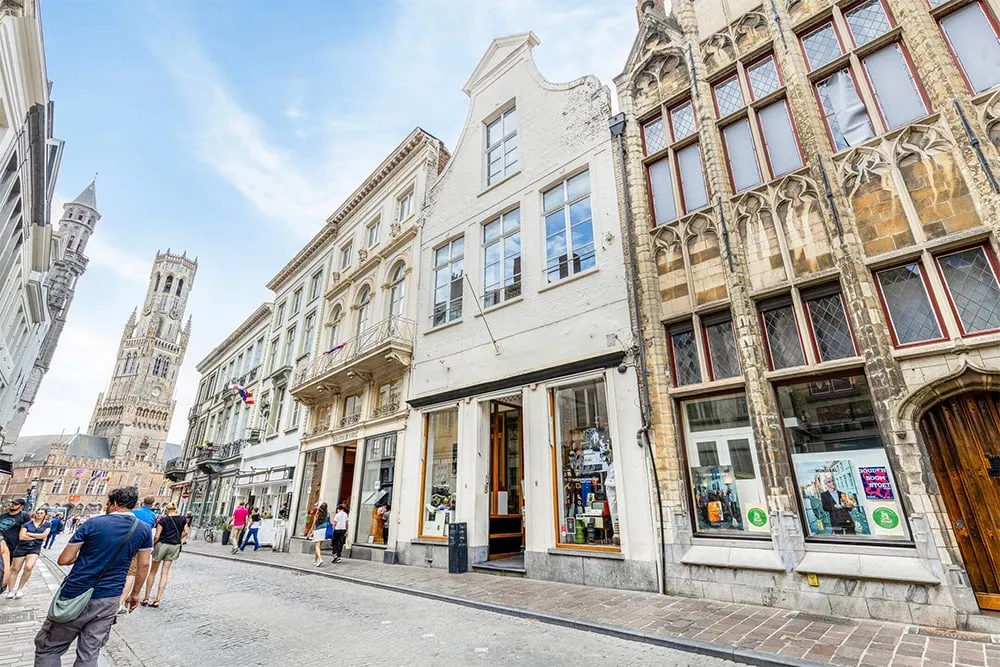
Hidden potential
The idea that retail property is less profitable does not reflect reality. “Once renovated, a property certainly has potential as a real estate investment. What’s more, yields are higher than they were a few years ago,” Ivan continues. Yields in prime locations range from 4 to 5%, while those for properties in less strategically advantageous locations can reach 6.5%. “Of course, these so-called B-locations carry greater risk. On the other hand, there is currently plenty of choice in this segment, so it is worth exploring the market.”
Customers who need support in this area can take all their questions to Dewaele. The property group plans to focus even more on the letting and sale of retail property in future. “At Dewaele Business, we have several retail property specialists who work closely with our 50 local offices. This gives us a good understanding of what is happening in local communities, as well as the property needs and prevailing market trends in each region. Ultimately, we want our insights to help customers make the right property and investment decisions,” concludes Ivan Bouckaert.
Een zakelijke vraag aan Dewaele? Get in touch
Companies in this story

Keep following this
Get an email when a new story is published. No account needed.
- SubjectGeneral
- CompanyDewaele







