




Repurposing as a lever for a liveable South West Flanders
Text Roeland Van Den DriesscheImage Streekintercommunale Leiedal
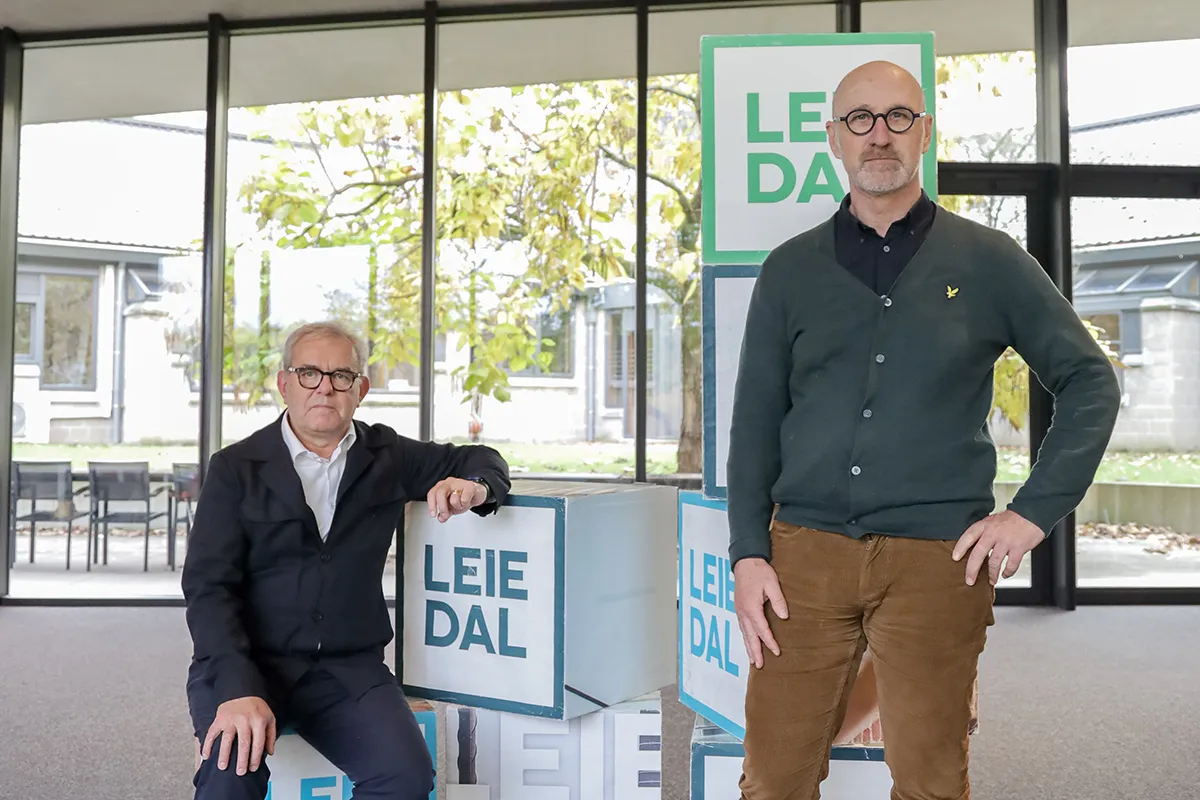
“By turning the old into something new, we create space for the future”
South West Flanders is known for its entrepreneurial spirit. It is a region of doers, where ideas are quickly put into action. For decades, intermunicipal organisation Leiedal has strengthened that DNA, helping businesses, public authorities and residents keep the region an attractive place to live, work and thrive. As space becomes increasingly scarce, Leiedal is firmly committed to repurposing.
The building shift aims to ensure that no more open space is taken up in Flanders by 2040. This ambition is all the more pressing in South West Flanders, where space is already very limited. “We must significantly reduce the additional land take,” says Filip Vanhaverbeke, managing director of Leiedal. “That is why we promote the reuse and repurposing of existing business parks or outdated buildings, rather than developing new expansion areas. At the same time, we want to look ahead and set the bar high. When we redevelop business parks, we aim to unseal and green 15 to 20% of the land.”
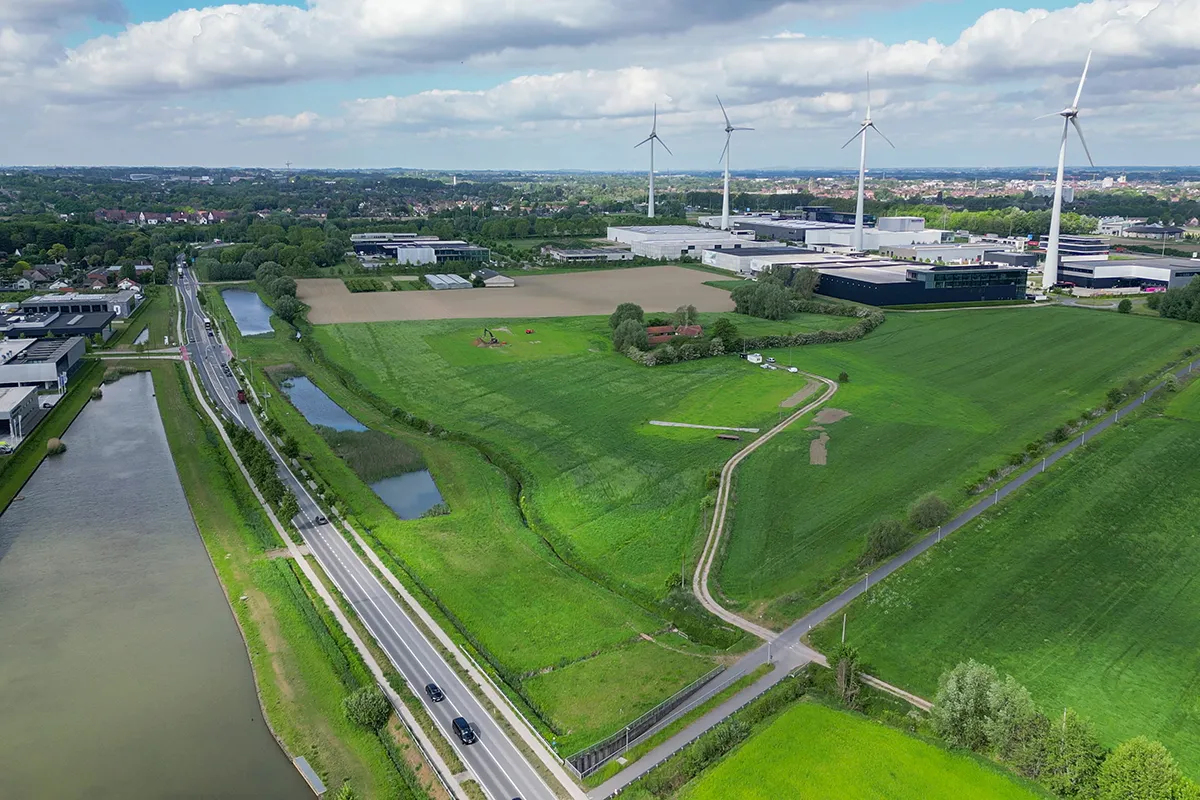
Repurposing as a lever for renewal
The intermunicipal organisation firmly believes in the potential of repurposing. A fine example is the Treurniet site in Bavikhove. “Together with the city of Harelbeke, we transformed the ageing Isocab site into a modern SME zone with plots of up to 5,000 m²,” says Steven Vanassche, public project development coordinator. Alongside shared facilities such as a water retention basin and communal car park, the project places great emphasis on liveability and integration into the surrounding area. “By opening up the Paddebeek, creating green buffers, providing paths for pedestrians and cyclists, and creating a separate access road to limit traffic disruption, we are creating a neighbourhood where business and residential life reinforce one another.”
The former De Voerman concrete production site in Anzegem has also been given a new lease of life. “Together with the municipality, we redeveloped a run-down industrial site into a highly sustainable zone with both business space and housing,” Vanassche continues. A notable feature of the project is a gas-free neighbourhood with a heat network that draws heat from the drinking water pipeline. “The system is entirely fossil-free and should serve as a model for sustainable neighbourhood development in Flanders.”
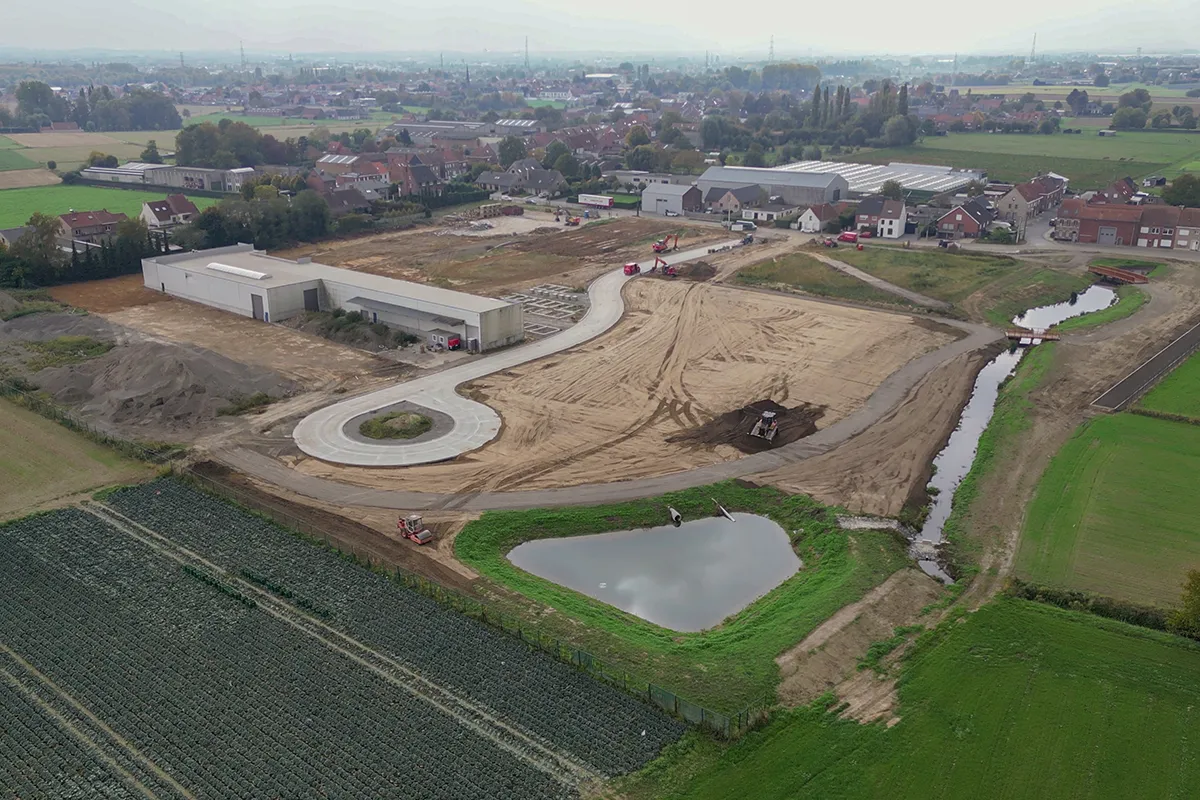
A guide to sustainable development
In this and other repurposing projects, Leiedal always looks beyond simply finding a new use for a site. “At Blauwpoort in Waregem, for example, we are preserving historic features while also aiming for a water-neutral design, with green corridors, an extensive walking and cycling network, fibre-optic broadband and shared services,” Vanassche explains.
Interest in the project was high from the outset. “Demand far exceeds supply. That is why we apply a set of selection criteria, taking into account not only regional roots and employment, but also businesses’ willingness to embrace the transition to sustainable business practices. We also provide them with active support in this area.”
Leiedal is also setting a high bar for the development of the Evolis II business park in Kortrijk, with an emphasis on high-quality public spaces, shared facilities and strong integration into the landscape. The first businesses are expected there in 2027. “It is clear that South West Flanders is undergoing major change, and Leiedal wants to take the lead, working with and for local authorities, businesses and residents. By fully committing to repurposing, we are ensuring that our region is developed sustainably and is ready for the future,” concludes Filip Vanhaverbeke.
Question about this story? Ask your question
Keep following this
Get an email when a new story is published. No account needed.
- SubjectGeneral







