




Renewable energy continues to gain ground
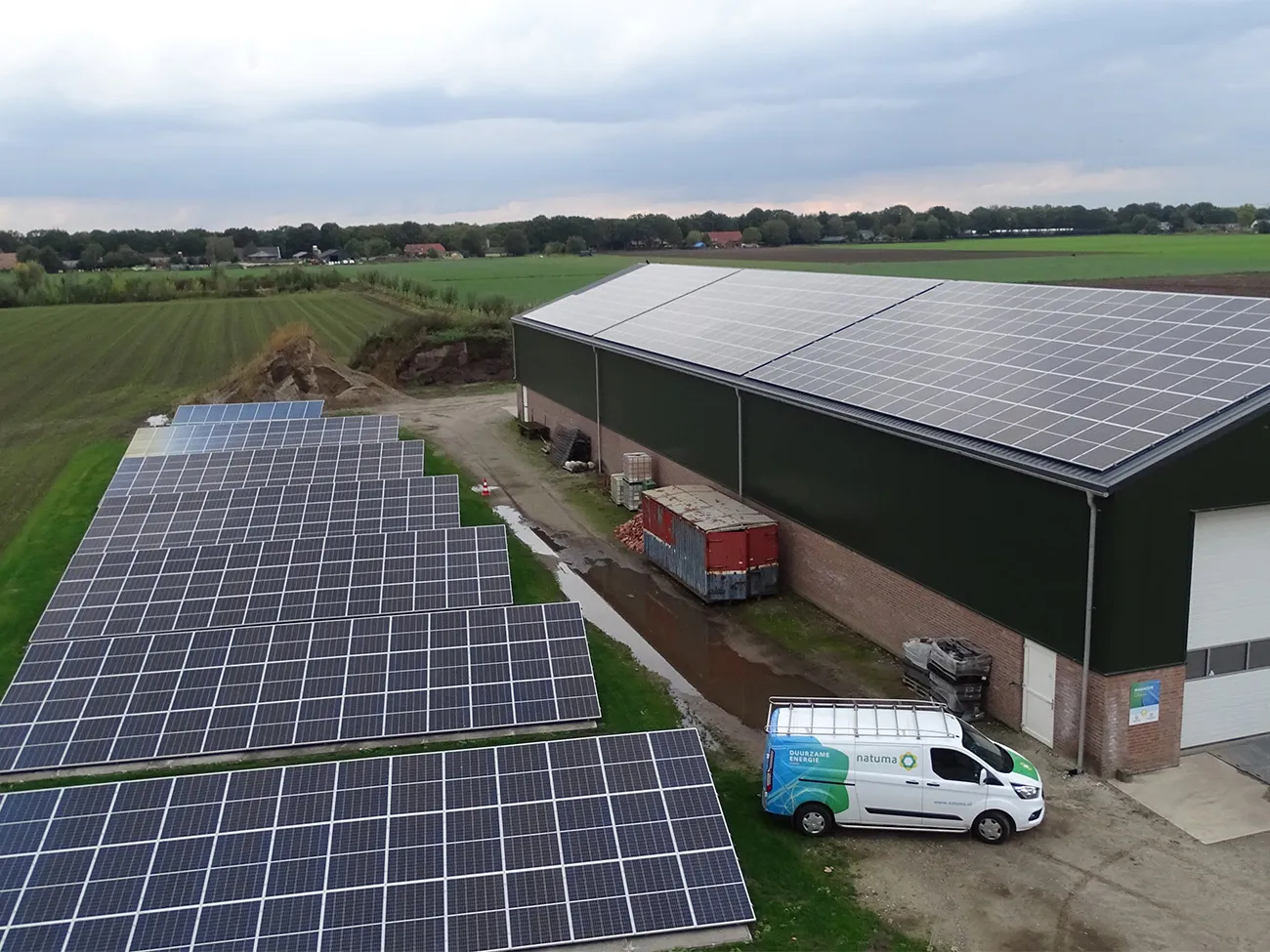
Flemish businesses are increasingly turning to solar power
More and more solar panels are appearing on the roofs of Flemish businesses. Despite the current debate and uncertainty surrounding the tax framework for green certificates, this share of renewable energy production is expected to continue rising in the years ahead.
The PV sector has had mixed fortunes. After an initial boom, the number of installations fell sharply between 2011 and 2014. In recent years, however, many new solar panels have been installed in Flanders. With an additional 978 megawatts of PV capacity, 2020 was a record year by a wide margin. The decline that followed last year was largely due to the coronavirus pandemic. The record is expected to be broken in 2022.
This clear upward trend over the longer term shows that Flemish businesses are convinced of the significant benefits of solar panels. “This is reflected, for example, in the fact that more and more businesses requiring a constant energy supply, such as car manufacturers and fruit auctions, are making the switch,” says Marc Van den Bosch, general manager of Febeg, the federation of Belgian energy suppliers. Against the backdrop of rising energy prices and climate change, the reasons for this trend are clear. “PV can also be easily integrated with other energy management solutions, from CHP systems to heat pumps, to further optimise consumption,” says Van den Bosch.
Suppliers play a major role in this story. “They are no longer simply selling kilowatt-hours. Through so-called Energy Performance Contracts, they act as external investors, making it easier to secure financing,” adds Stéphane Bocqué, communication manager at Febeg. “The fact that, from 2026, only electric company cars will be eligible for registration is also an important driver. Businesses are installing more and more charging points and relying on local supplies of green electricity.”
Legal (un)certainty
At the same time, there is currently uncertainty surrounding the solar parks operated by Flemish businesses. Energy Minister Zuhal Demir (N-VA) recently made clear that she wants to scale back the favourable green certificate scheme for a number of large-scale projects installed before 2013. The minister hopes to use the proceeds from this measure to reduce consumers’ energy bills. If Demir succeeds, some businesses that used this subsidy scheme to install solar panels would receive significantly less support than originally promised.
“Although no formal decision has yet been taken, this communication is already having a noticeable negative impact on businesses,” says Dirk van Evercooren, managing director of ODE Vlaanderen, the industry organisation for renewable energy. He points to a twofold negative impact, both on the government and on the economic climate: “By going back on its promises, the government is showing itself to be an unreliable partner for investors, at a time when investment in the transition to sustainable energy is urgently needed. What is more, most of these solar parks still depend on support. In our view, a halt to financing would push at least half of them into bankruptcy.”
Continue to highlight the benefits
To prevent this uncertainty from dampening interest in solar panels, it will be important in the coming months to communicate their benefits to businesses. “With electricity prices where they are, this remains a very attractive investment. Businesses that want to have at least partial control over their energy bills can do so by installing a PV system,” says Van Evercooren.
Marc Van den Bosch also highlights the key role businesses play in the transition to sustainable energy. “In our country, solar panels currently generate around 7 gigawatts of capacity. Total potential is estimated at no less than 50 to 60 gigawatts. Given that businesses account for around half of new PV installations, it is clear how important they will be to this story in the years ahead.”
Question about this story? Ask your question
Keep following this
Get an email when a new story is published. No account needed.
- ThemeFinancial and legal decisions
- SubjectGeneral







