




Ports are a crucial link in the energy transition
Text Niels De BoysereImage Port Oostende, Virya Energy
Investment is gathering pace
The ports of Oostende, Gent and Zeebrugge play an important role in the energy transition. There are plans for hydrogen in Zeebrugge and Gent, while the port of Oostende plays a crucial role in maintaining and further developing offshore wind energy. It is also driving the development of a second offshore wind zone and the connection of Prinses Elisabeth Eiland from Oostende.
Greater access to renewable energy production is vital for energy-intensive businesses. Electricity consumption by industry alone is set to increase by 40 to 50 per cent by 2030. Expanding renewable energy production and strengthening the grids are therefore essential.
Elia is currently carrying out work at 240 sites across Belgium as part of the energy transition. Post Baekeland in the port of Gent is one example. “This substation is important because Elia wants to provide more capacity for energy-intensive businesses in the Port of Gent,” says spokesperson Marie-Laure Vanwanseele. “We are also upgrading the 380kV high-voltage grid to support greater international flows and more offshore energy. Baekeland will help anchor industrial activity in the port of Gent, a key economic driver for our country.”
Prinses Elisabeth Eiland
To ensure a sufficient supply of renewable energy, Belgium plans to develop a new 3.5 GW offshore wind zone. Space in the Belgian North Sea is limited, and considerable infrastructure is needed to connect the new turbines and bring the power ashore. Elia therefore developed the concept of an offshore energy hub. Prinses Elisabeth Eiland will also connect the planned interconnectors with other countries, Nautilus (UK) and TritonLink (Denmark).
On 20 July 2023, the federal government gave the green light to the development of Prinses Elisabeth Eiland. As a world first that will make a significant contribution to a more sustainable and independent energy supply, it has secured transmission system operator Elia a €100 million grant from the European Commission’s post-coronavirus recovery fund. Ports play an important role in the project. Construction will take place in North Sea Port Vlissingen, while overall project coordination will be based in the port of Oostende.
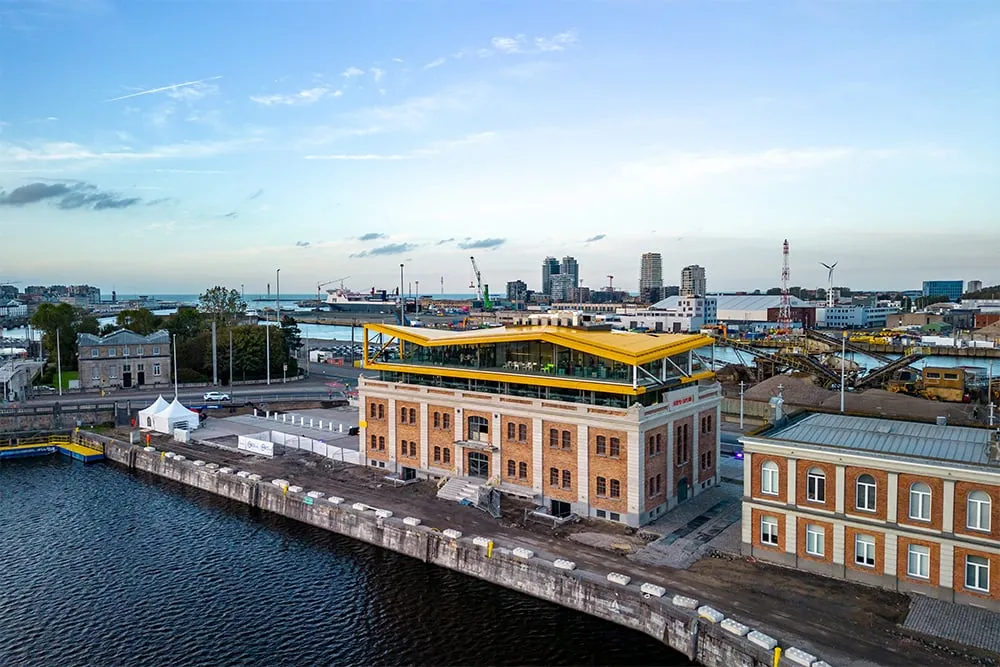
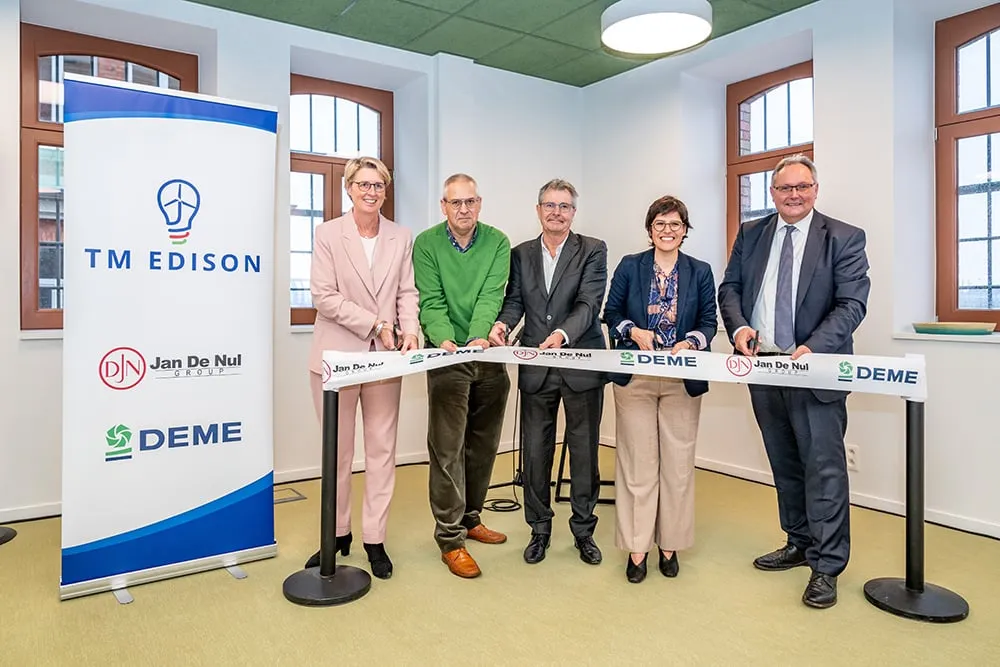
Elia awarded the contract to build the island to TM Edison, a temporary joint venture between DEME and Jan De Nul. “The project engineering and logistics teams have been based at Stapelhuis Entrepot since November 2023,” says Oostende port CEO Dirk Declerck. The offices provide space for around 70 people. “This aligns with our ambitions. We want to generate economic growth that creates sustainable employment. By investing in Stapelhuis Entrepot, we are anchoring maritime jobs in Oostende without companies having to invest in buildings themselves.”
A berth is being built in the port of Oostende for the crew transfer vessels that will transport technical and logistics staff to the energy island every day. Declerck says: “The berth is being built by MultiTech nv, a subsidiary of Haven Oostende that specialises in bespoke engineering.”
Hydrogen plant in Zeebrugge
Europe has already recognised North Sea Port, Port of Antwerp-Bruges and Port of Oostende as Hydrogen Valleys. The Flemish ports aim to develop a complete hydrogen value chain, from production to end use across various sectors.
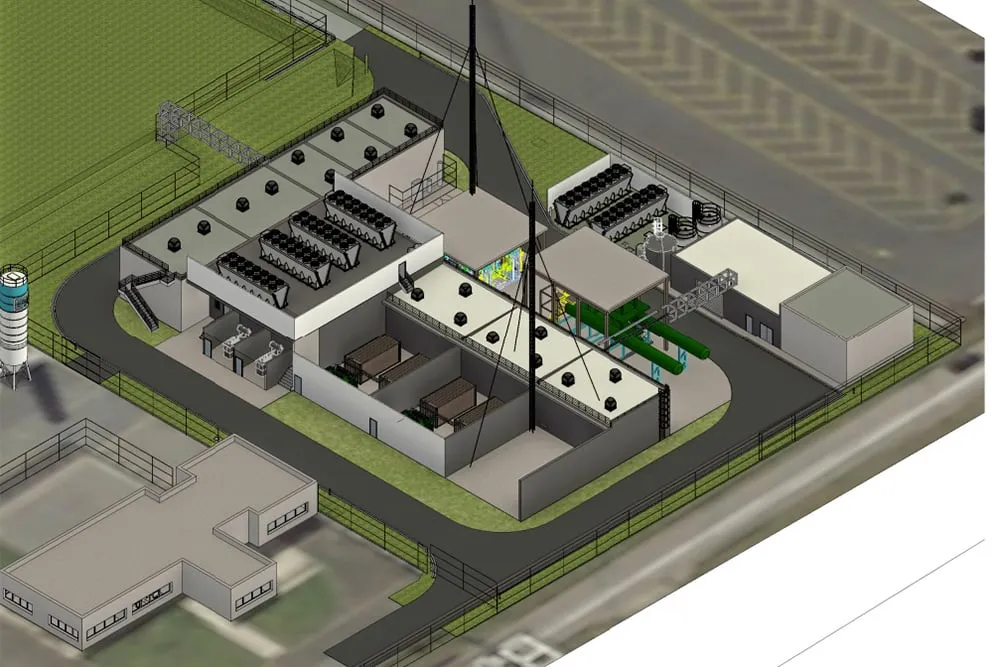
There are concrete plans for a hydrogen plant in Zeebrugge. The Hyoffwind project is an initiative of Virya Energy, the energy subsidiary of Colruyt Group. The plant is planned for the eastern outer port and is expected to supply green hydrogen gas from 2026, for use by industrial customers or to balance the electricity grid.
Hyoffwind would represent an investment of €60 million and could receive investment support from Flanders and the EU. A final decision on the project is expected this autumn. Paul Tummers, CEO of Virya Energy, says: “We believe hydrogen is an essential part of a sustainable energy future. After submitting the application for an environmental permit, we recently signed a contract with John Cockerill and Besix to build the plant. There is still a lot of work ahead, but this is an important milestone on the road to the final investment decision.”
If the project goes ahead, the plant will be Belgium’s first industrial-scale hydrogen facility. It is expected to produce between 3,500 and 4,000 tonnes of hydrogen a year. It will have an initial capacity of 25 megawatts, which could be scaled up to 100 megawatts in the future.
Question about this story? Ask your question
Keep following this
Get an email when a new story is published. No account needed.
- ThemeEnergy security and the circular economy
- SubjectGeneral







