




Pieter Morisse, CEO of Lecot
Text Christina Van GeelImage Mathieu Van de Sompel
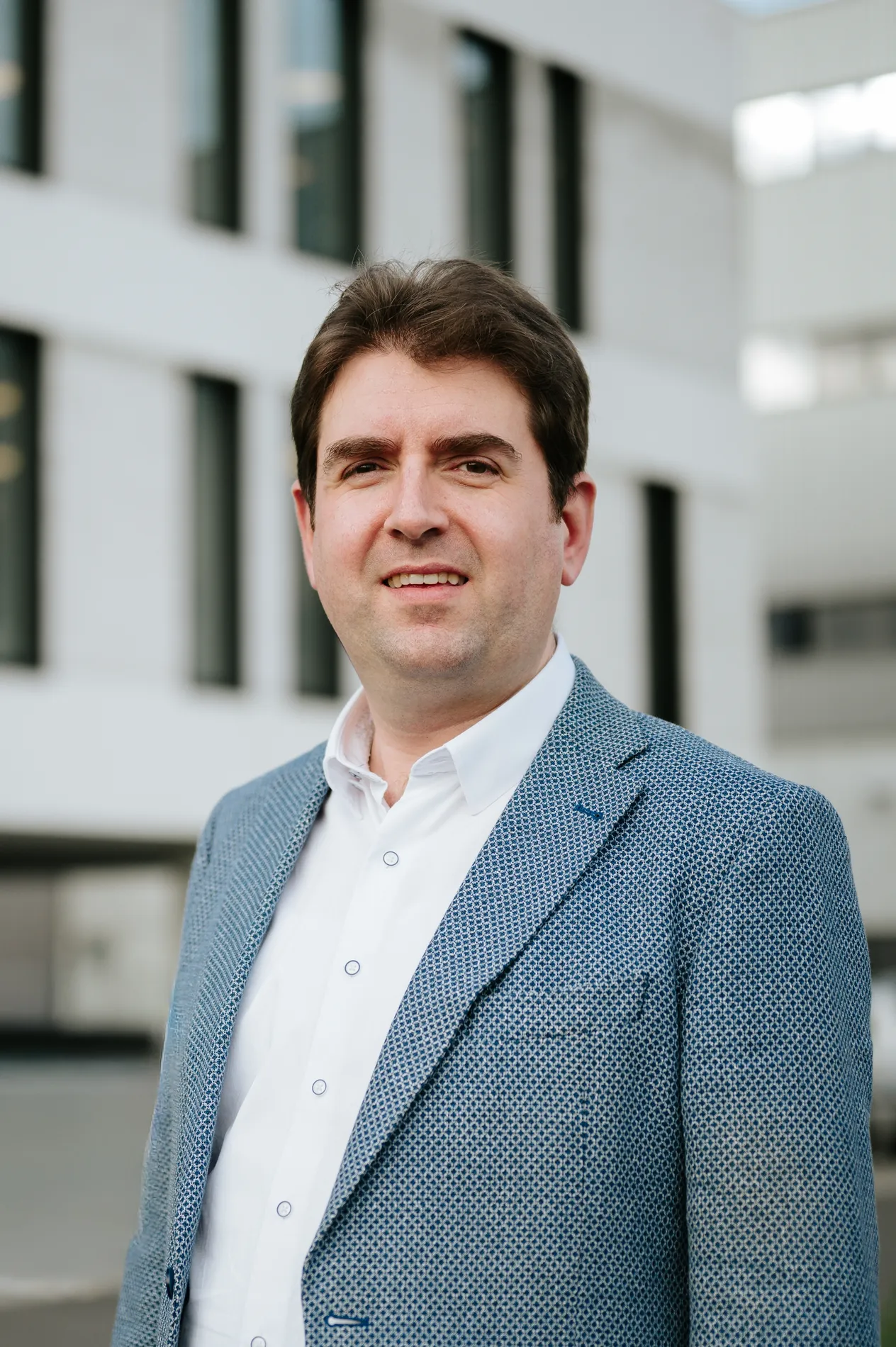
Entrepreneurs speak candidly about their journeys, growth and missteps, using statements that reveal the course of their leadership careers.
The family-owned business Lecot, based in Heule, is the country’s largest distributor of ironmongery. In 2023, Pieter Morisse took over as CEO from Philippe De Veyt.
Why I decided to go for it
From our very first conversation, I felt an immediate connection with Philippe De Veyt, who was CEO at the time. His approach to leadership appealed to me straight away: people-focused, based on trust and involvement. I remember the tour he gave me. He told stories about people, not figures. You could tell he really knew his people.
I felt that trust myself, too. After two years as deputy CEO, Philippe said: “You can do it, go for it.” His belief in me gave me wings. The challenge also played a part: the freedom to take initiative, try things out and learn from people with a strong track record. But the deciding factor was that Lecot is a family business guided by values. Here, family ownership is not a label, but a way of working together.
What nobody told me
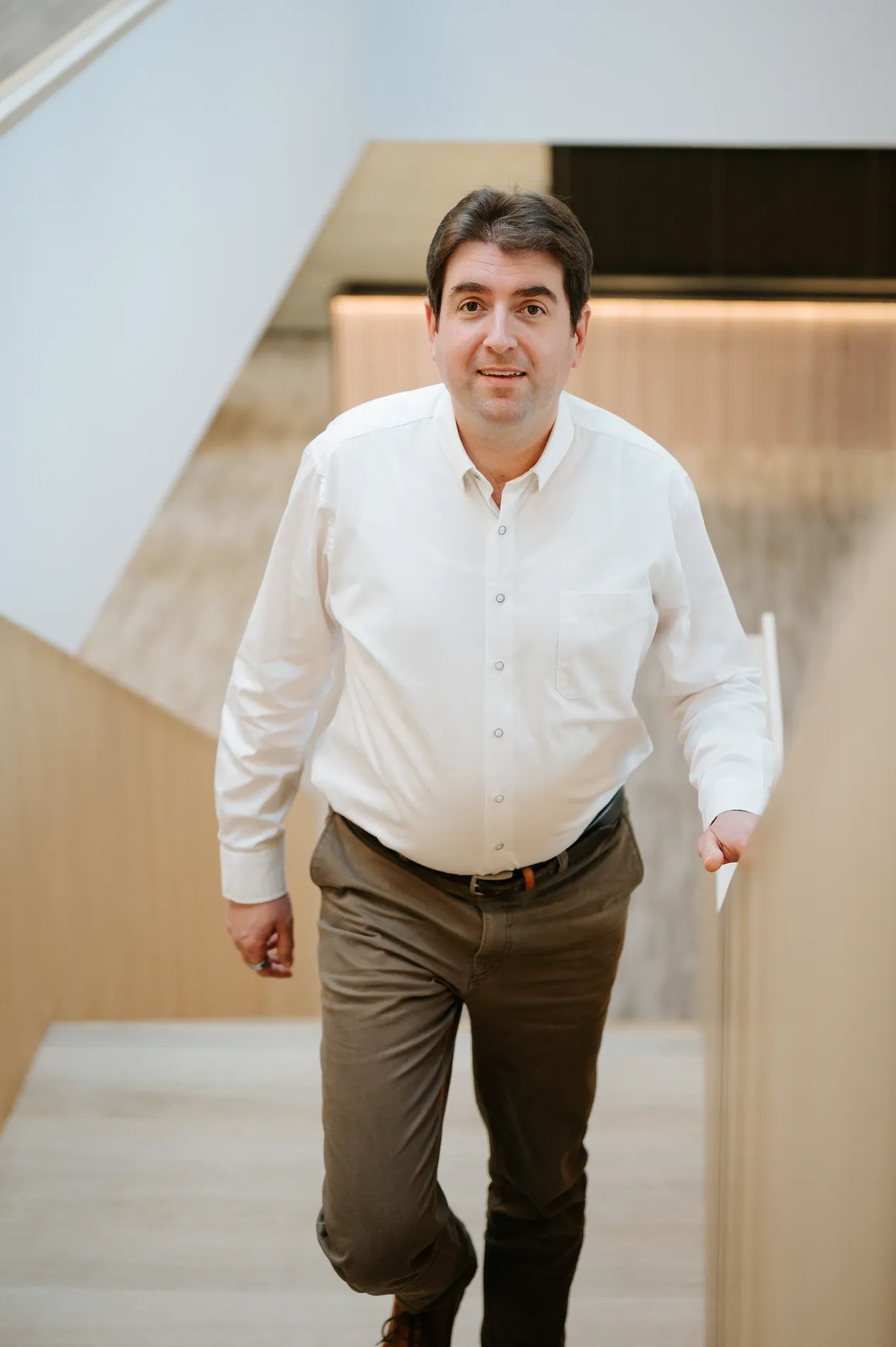
As CEO, you wake up and go to sleep thinking about the company. You are constantly focused on the next step. Where do we need to make adjustments? How can we improve, both internally and for our customers? That level of commitment and responsibility takes over completely. And it feels fantastic, very energising.
At the same time, you have to learn to manage it. You cannot be switched on all the time, or you will not last. You need to make time to switch off. That was a learning process. For example, if I have an idea while on holiday now, I make a brief note of it and then let it go. I put those ideas to one side for a while so I can come back to them later.
And when I’m with my children, I’m really there with them. Both my sons play basketball, and at weekends I go to as many of their games as I can. It makes sense that, as CEO, you invest a lot of yourself in the company, but it must not take over your life.
What made me a better leader
Over the course of my career, I have worked with different kinds of leaders. I have worked for strong leaders who were approachable, good listeners and empathetic. But also for micromanagers who wanted to keep everything under control. Those experiences taught me what kind of leader I want to be.
My first priority is to listen and act as a sounding board. People often have far more talent than they think, as long as you give them the space to develop it. To me, leadership is about setting a direction: planting the flag, defining a clear goal and then bringing everyone along with you.
As a leader, you also need to be able to delegate and show trust. I see my role as more of a facilitator: bringing the right people together, challenging them to go further and think outside the box, and then moving forward together.
My biggest mistake and what I learned from it
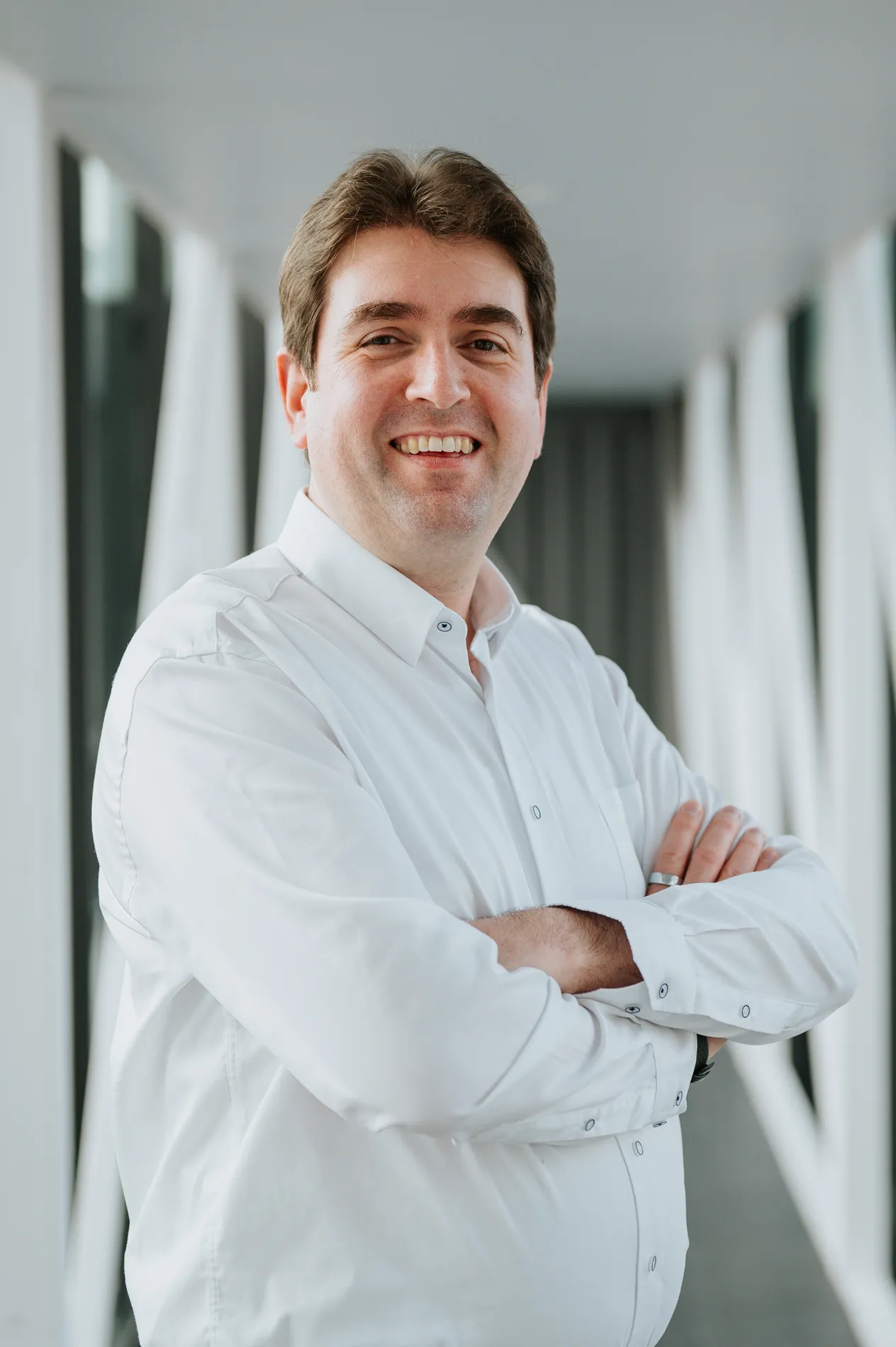
I am not in the habit of looking back too much. Have you made a mistake, or is something not working? The main question to ask yourself is: what have I learned from this? I believe initiative is very important: go ahead, give it a try and learn from it. You cannot make progress if you are afraid to make mistakes.
One mistake I learned from myself: driven by a desire to get things moving, at the start of my time as CEO I sometimes tended to jump in and rescue a project. If I saw a project was in danger of going off track, I would step in to help. I have learned that I should not do that. First, it puts too much pressure on you as a leader. It also does not help the team, as it denies them the space to grow.
As a leader, your role is not to fill every gap yourself, but to bring the right people on board and guide them. You remain available, but give your team the mandate to act, and to make the occasional mistake.
Success is not always what you think
For me, success has nothing to do with wealth or achievements. The footballer who was the hero yesterday is the scapegoat tomorrow. Success, to me, means staying true to my Christian values. A successful day is one on which I have put those values into practice in my interactions with my employees, suppliers and customers.
Those values stem from my faith and take shape in my actions. They include respect and integrity: doing the right thing, even when nobody is watching. Having a positive impact on the people around me and helping to make the world a better place, that is what I see as success. And that is what I want to show my children, too. The legacy I leave them does not have to be an empire. What matters is that they have learned from me to build a better world guided by their faith.
Question about this story? Ask your question
Keep following this
Get an email when a new story is published. No account needed.
- ThemeBusiness transfers and acquisitions
- SubjectGeneral







