




Ostend Mayor Bart Tommelein speaks
“We are reaping the rewards of our decision to focus on the blue economy”
It has been an exceptionally busy summer in Ostend. After two summers affected by coronavirus, the seaside city was able to breathe again. Mayor Bart Tommelein (Open Vld) is therefore a happy man. He also sees fresh impetus for the port and airport, and notes that Ostend’s decision to focus on the blue economy, taken some time ago, is gradually paying off.
Mayor, the summer holidays make or break the year for many businesses in Ostend. Was it a successful season?
Bart Tommelein: It was one of the best summers in recent years. Certainly the best since I became mayor in 2019. (laughs) I think all the factors were in our favour: during the pandemic, people rediscovered holidays at home, we had a sun-drenched summer and the cultural and events programme was packed. The result was a hectic summer with lots of visitors, so it will have been a good year for tourism businesses, retailers and hospitality operators. And, all in all, there was little disruption. Every city has its problems, but I saw no major incidents. There were, however, many children who got lost, often French-speaking. We are looking with the police and coastal lifeguards at how we can handle this better. I am also raising the issue in Brussels: our police force is under considerable pressure during that period, and we cannot scale up all our investment to cope with peak numbers for two months.
Are there still many vacant premises in the city? Or did most businesses survive the pandemic?
Bart Tommelein: I think the good summer came as a welcome chance for many people to recover from two difficult years. As a city, we also decided that the larger outdoor terraces introduced during the pandemic, which occupied part of the public realm, could stay. That adds to the atmosphere. Vacancy figures are encouraging, partly because we take a strict approach to the issue. We are, however, seeing a shift from dispersed shops to greater concentration in the city centre. The area's good transport links and the fact that our retail centre remains popular outside the summer season are certainly factors.
Tourism, hospitality and retail are crucial sectors, but what are Ostend’s other economic strengths?
Bart Tommelein: Our port, which celebrated its 25th anniversary earlier this year, supports more than 9,600 jobs, directly and indirectly. The decision to focus on the blue economy, pioneered by my predecessors, particularly Johan Vande Lanotte, was the right one. The offshore wind sector is now an important link in our energy supply. It also generates many highly skilled jobs. Just look at the fact that high-voltage grid operator Elia is opening a site here!
What’s more, we are seeing more and more concrete investment in the blue economy in our area: research into tidal energy, UGent’s laboratories at the Bluebridge incubator, the arrival of ECA, which is to build underwater drones, the launch of a sustainable salmon farm by Columbi Salmon and, not least, the decision to develop the Navy Academy of the navy here … The future looks bright, as this will also create additional jobs for suppliers.
What developments do you see in industry?
Bart Tommelein: As part of our focus on the blue economy, we set up Ostend Science Park together with POM West-Vlaanderen and UGent. The 16-hectare science park is intended to become a hub for companies working in marine and maritime development, where they can set up and work with researchers to shape their innovations. There is also some excellent investment at Plassendale. I am thinking, for example, of the Depuydt family at UpFresh, which is building a new high-bay warehouse. I am a strong supporter of projects like these, because space in Ostend is limited. At just 40 km2, it is the smallest Flemish regional city by area.
Does Ostend still have spare space for new businesses?
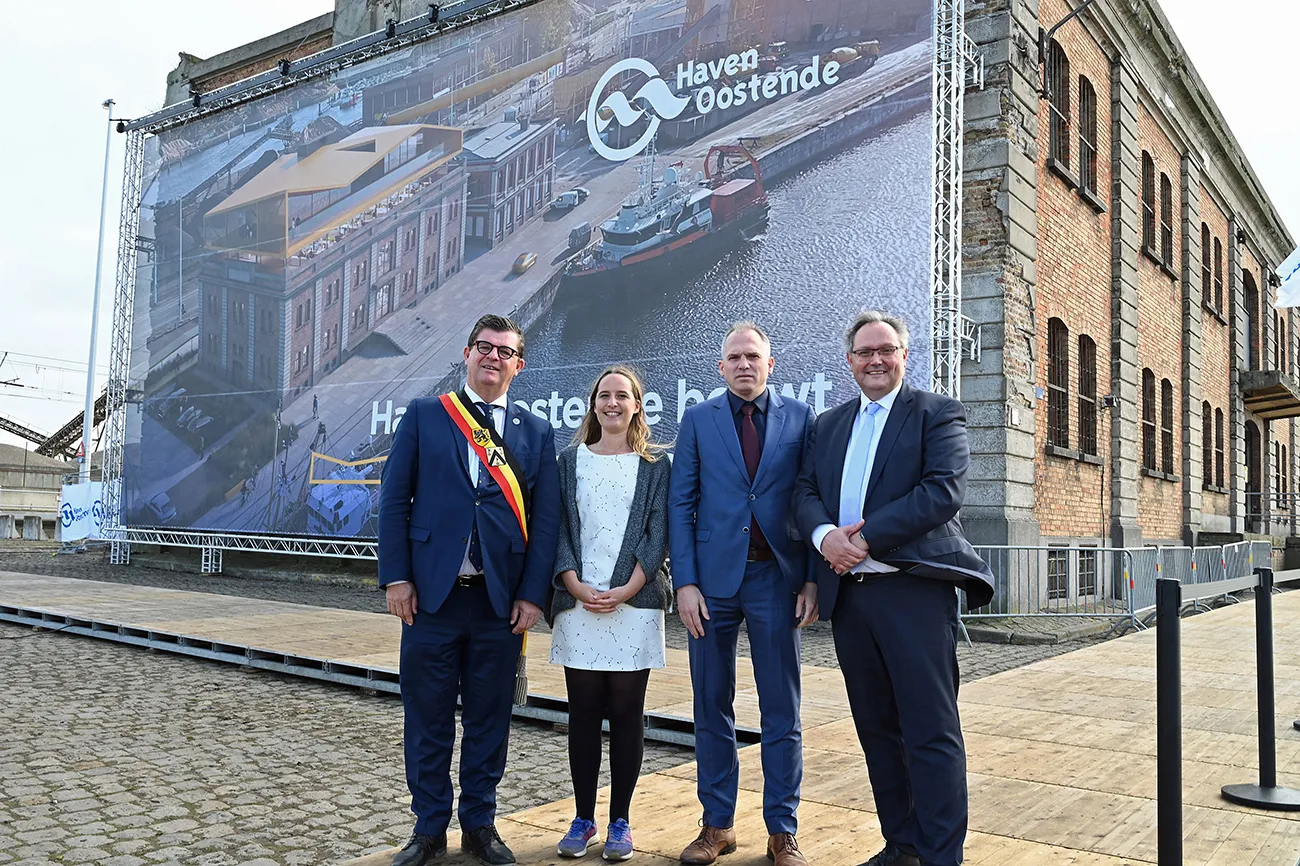
Bart Tommelein: I will not deny that this is a problem. That is why I am talking with my fellow mayors in Bredene, Middelkerke, Gistel and Oudenburg about how we can work together regionally to strengthen the economy of the entire area. There are also opportunities to redevelop old sites. A good example is the Entrepotgebouw at Vlotdok, a heritage building now being restored by the port authority and set to house an office complex.
Which sectors do you see potential in for the future?
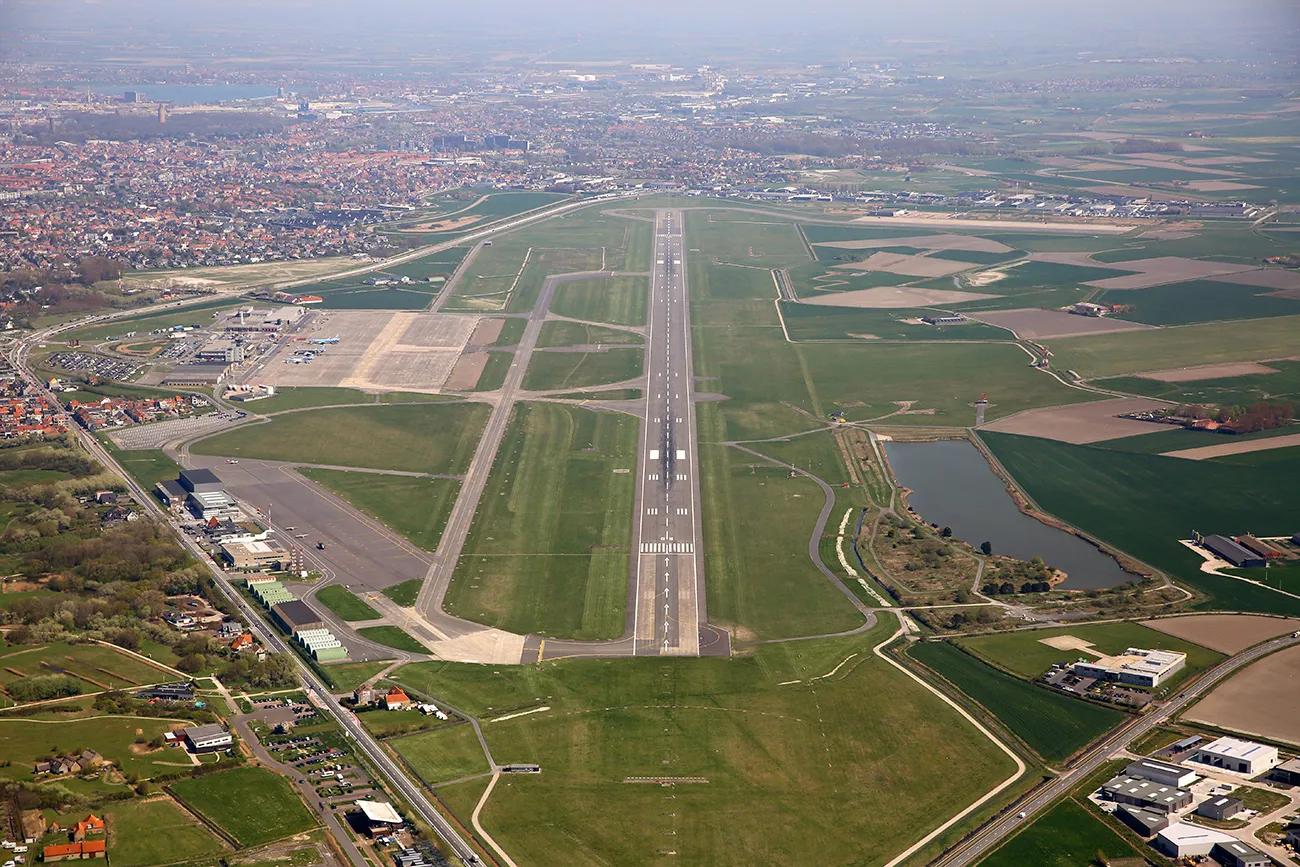
Bart Tommelein: Recently, I have noticed renewed interest in our airport. It took a long time for things to get moving there, although the pandemic was naturally a factor. Yet it is an interesting location, both in terms of its position and its facilities. The runway at Ostend is 3km long, which means all types of aircraft can land here. The car park has just been upgraded and services have been expanded. There are private-sector players interested in investing in it. I see several opportunities for growth: more passenger flights, aircraft maintenance, developments in the drone sector, logistics activities … For foreign investors, our airport could be an interesting hub for European operations.
How does the city shape its economic policy?
Bart Tommelein: The Economisch Huis Oostende was launched some time ago as a point of contact for businesses. It was a difficult proposition at first, but the project is now back on track. We deliberately and consistently direct entrepreneurs and self-employed people to the organisation with all their questions and problems relating to doing business in Ostend. More recently, we also held an information day to promote our city to potential investors. It was a success because we showed what Ostend has to offer and were able to convince people of its strengths.
Economisch Huis Oostende has also run campaigns around hard-to-fill vacancies. Does employment remain a priority?
Bart Tommelein: Absolutely. EHO gives us, as a city, the opportunity to help drive efforts to fill vacancies and support our businesses. We want to go a step further, too. We are going to take the old police station on Alfons Pieterslaan on a long lease and want to house Economisch Huis there, as well as VDAB. By bringing the job shop and training together with our business services, we want to play our full part in helping people find work.
Finally, which issue would you most like to see resolved during this term of office?
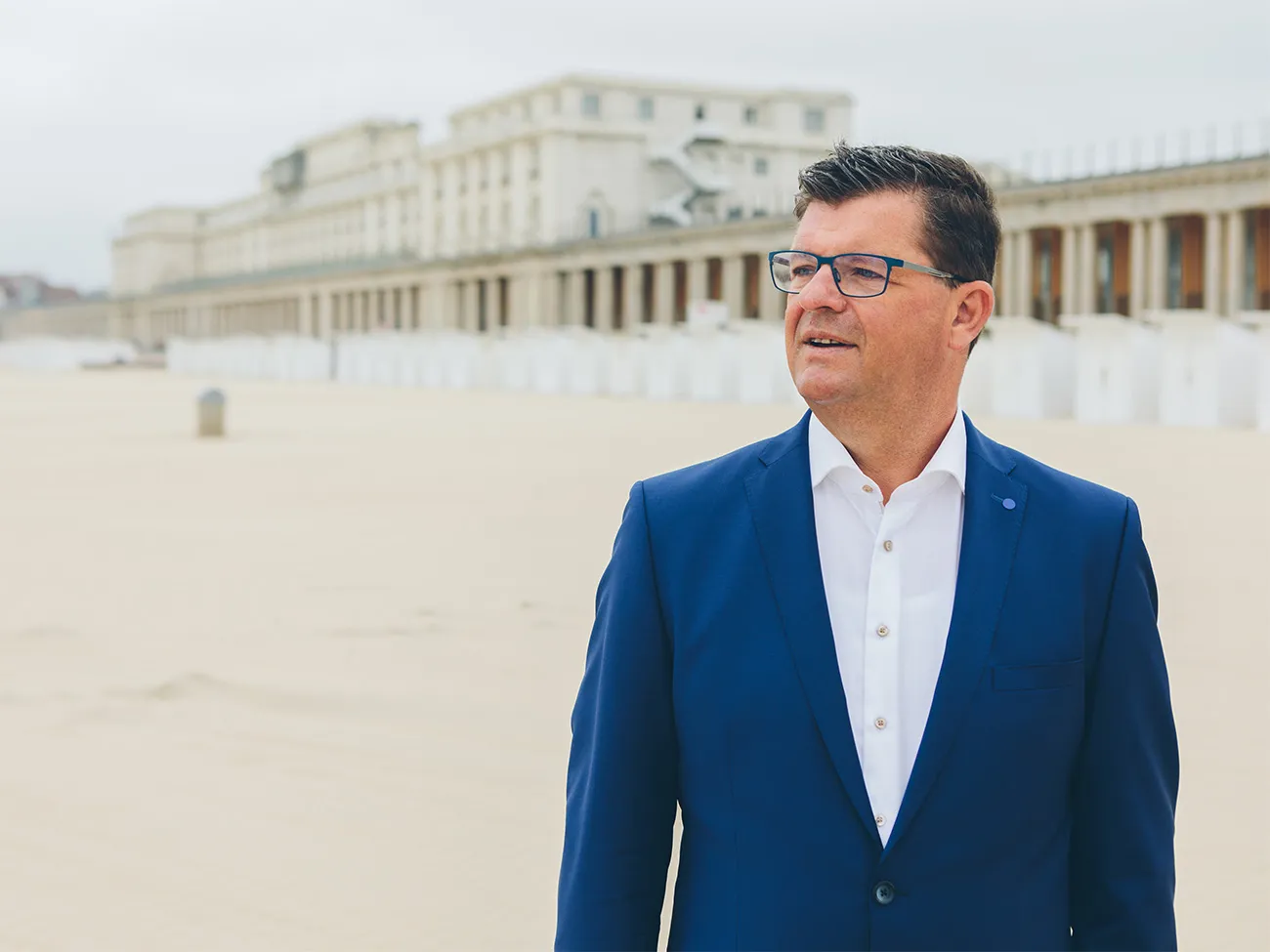
Bart Tommelein: I hope the Thermen issue can be resolved as soon as possible. This project, which also includes the renovation of the Koninklijke Gaanderijen, is a major financial challenge. But the site has so much potential. We would like to house Mu.ZEE’s activities there, because heritage, a hotel, a museum and culture would all reinforce one another. And as a city, we are determined to continue investing in overnight tourism in the coming years. This could become a real draw in that respect.
Question about this story? Ask your question
Companies in this story

Keep following this
Get an email when a new story is published. No account needed.
- SubjectGeneral
- CompanyUpFresh







