




Mayor Mohamed Ridouani speaks
Text Björn CrulImage Stad Leuven, Visit Leuven, Kev&Cam
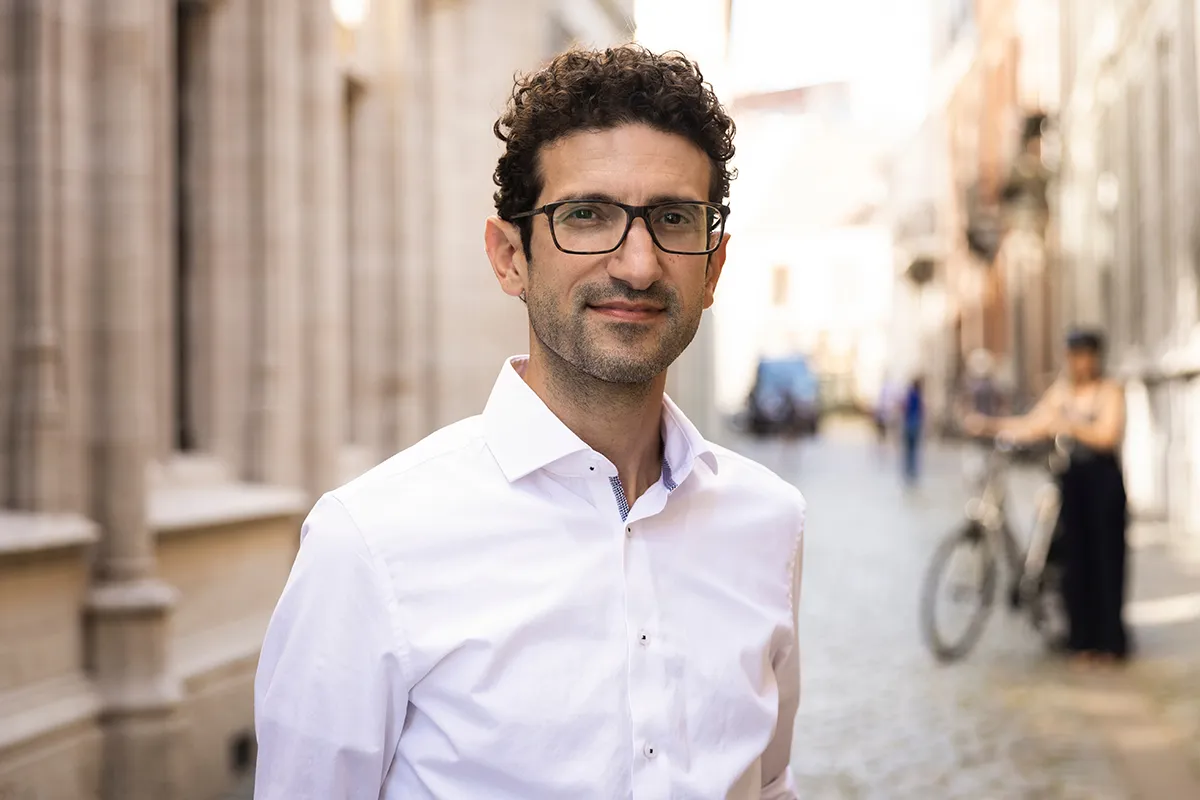
“We are working towards greater regional cooperation to meet the need for housing and business space”
Before entering politics in 2007, Mohamed Ridouani worked as a consultant. This gave him a broad insight into the business world, which serves him well as mayor of Leuven. In his second term as mayor, Ridouani wants to further strengthen the region’s innovative dynamism and find solutions to the need for business and housing space. “We will have to keep investing to accommodate our growth, but our multi-year plan means we must also maximise our efficiency.”
Mayor, what are the main economic priorities in the 2025-2030 policy programme?
Mohamed Ridouani: Our region’s success is closely linked to that of the knowledge economy. KU Leuven, imec and UZ Leuven are world-renowned drivers of innovation. Our economy is performing above average, and of course we want to keep that momentum going. Cooperation with businesses and knowledge partners, not only in the city but across the wider region, is a crucial lever for achieving this. Leuven MindGate facilitates, implements and coordinates the economic agenda.
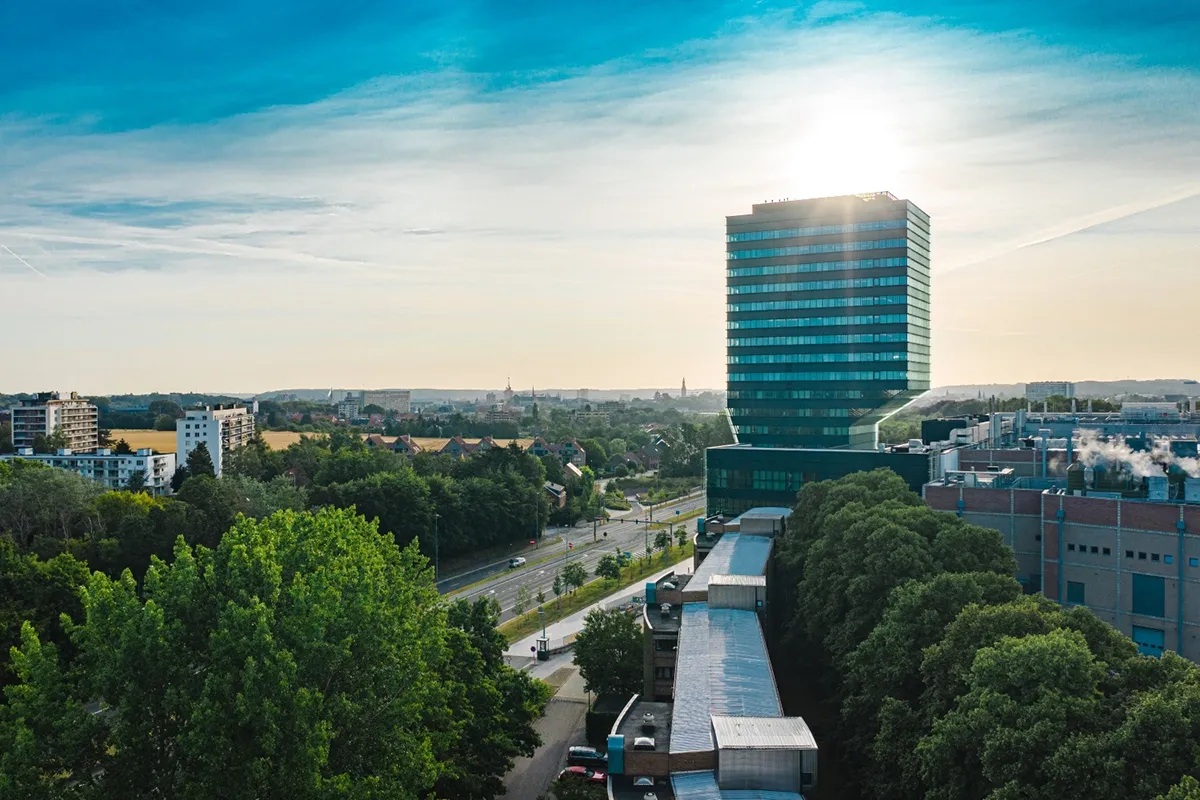
As a city, it is our job to provide the space companies need to grow here. We have made great strides in this area by acquiring 24 hectares of land from NMBS between the station and the E314. A new science park will be developed there in partnership with KU Leuven. Another site with potential is the CommScope site on Diestsesteenweg. Together with the university and PMV, we are transforming it into an innovation hub for high-tech companies.
There is also the densification of Haasrode Researchpark, while Vaartkom and Kolonol Begaultlaan still offer space too. For further development in the future, we are joining forces with the cities of Tienen, Aarschot and Diest, the intermunicipal organisation Interleuven and the provincial government. We want to ensure that plans are made in good time to avoid spatial planning problems.
The success of the university and the knowledge economy has a downside too: finding an affordable home is becoming increasingly difficult. What can the city council do about this?
Mohamed Ridouani: Leuven is a popular place to live: many researchers, students and people who work nearby would like to live here. Through spatial planning, we want to give the private sector sufficient scope to build, while also intervening to provide enough affordable homes for people on the lowest incomes, young families and older people. A study has shown that we will need 8,000 new homes by 2040. That is why we want to agree a housing pact with economic stakeholders, the wider construction sector and neighbouring municipalities. The East Brabant region faces the same challenges. Either we take planned, coordinated action together, or the housing problem will overtake us. Our aim must be to strengthen town centres, preserve as much open space as possible and align transport corridors with the new residential zones. It is not an easy task, but everyone in the region recognises that cooperation gives us the best chance of success.
Retail and hospitality, as city-centre functions, are under pressure across Flanders. How are these sectors doing in Leuven?
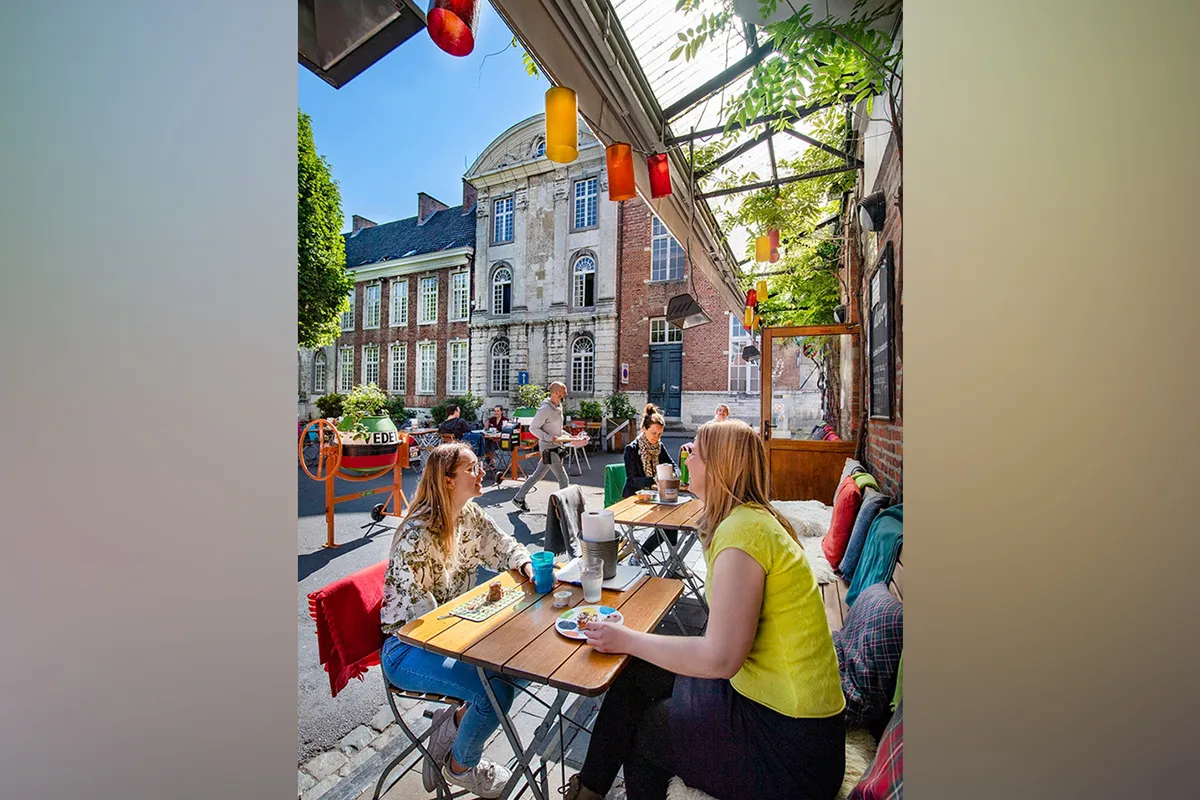
Mohamed Ridouani: Retail and hospitality naturally thrive on the success of the region’s knowledge economy and industry. This summer, I saw Leuven buzzing, thanks in part to events such as Marktrock. The latest figures show that the hospitality sector is doing well here, although cost inflation is being felt and profit margins are under pressure. Even so, I see plenty of new hospitality concepts emerging: coffee shops, neighbourhood cafés and even restaurants. Our Burgundian culture is still alive and well. The retail sector is fairly robust, and vacancy rates are under control. Retailers are certainly feeling the increased competition from e-commerce, though, and I hear that more people are watching their spending. As a city, we continue to take plenty of initiatives to keep the city centre attractive and strengthen retail in the centres of the outlying districts. Particular attention is being paid to mobility and to providing an attractive programme of events.
What can the city council offer specifically to aspiring entrepreneurs and start-ups?
Mohamed Ridouani: In the summer of 2024, we opened the new business centre &Station on Bondgenotenlaan. It is an accessible place where people starting a business can get answers to all their questions. They can find all the partners there who can help them get started and find their way. This includes personal advice from our hospitality and retail advisers. There is space for pop-ups and for anyone who needs a meeting room. Leuven MindGate also has its offices there, as does the city’s International House, which provides services for expats.
I regularly visit businesses myself and am very visible in the city. This allows me to keep my finger on the pulse. My background in economics means I understand what companies are working on and can easily put myself in their shoes. The biggest request from people starting a business is to be able to talk to experienced entrepreneurs. Wherever I can, I help them make connections and maintain their network.
What do you see as the city’s biggest challenge?
Mohamed Ridouani: We are working hard on our multi-year plan and the associated budgets. This requires us, as a city council, to think in the medium term, since we must end 2030 with a positive result. This will be a challenging exercise because, like businesses, we are experiencing cost inflation. Our Public Centre for Social Welfare will also have to deal with the effects of limiting the duration of unemployment benefits. At the same time, we want to continue investing in the city’s growth: housing, facilities and the local road network. This will be reflected in the budget, and revenues will have to keep pace with expenditure. So far, we have maintained a healthy balance. We already work fairly efficiently and have average tax rates, so our task will be to maximise our efficiency further.
Question about this story? Ask your question
Keep following this
Get an email when a new story is published. No account needed.
- SubjectGeneral







