




Lochristi Mayor Yves Deswaene speaks
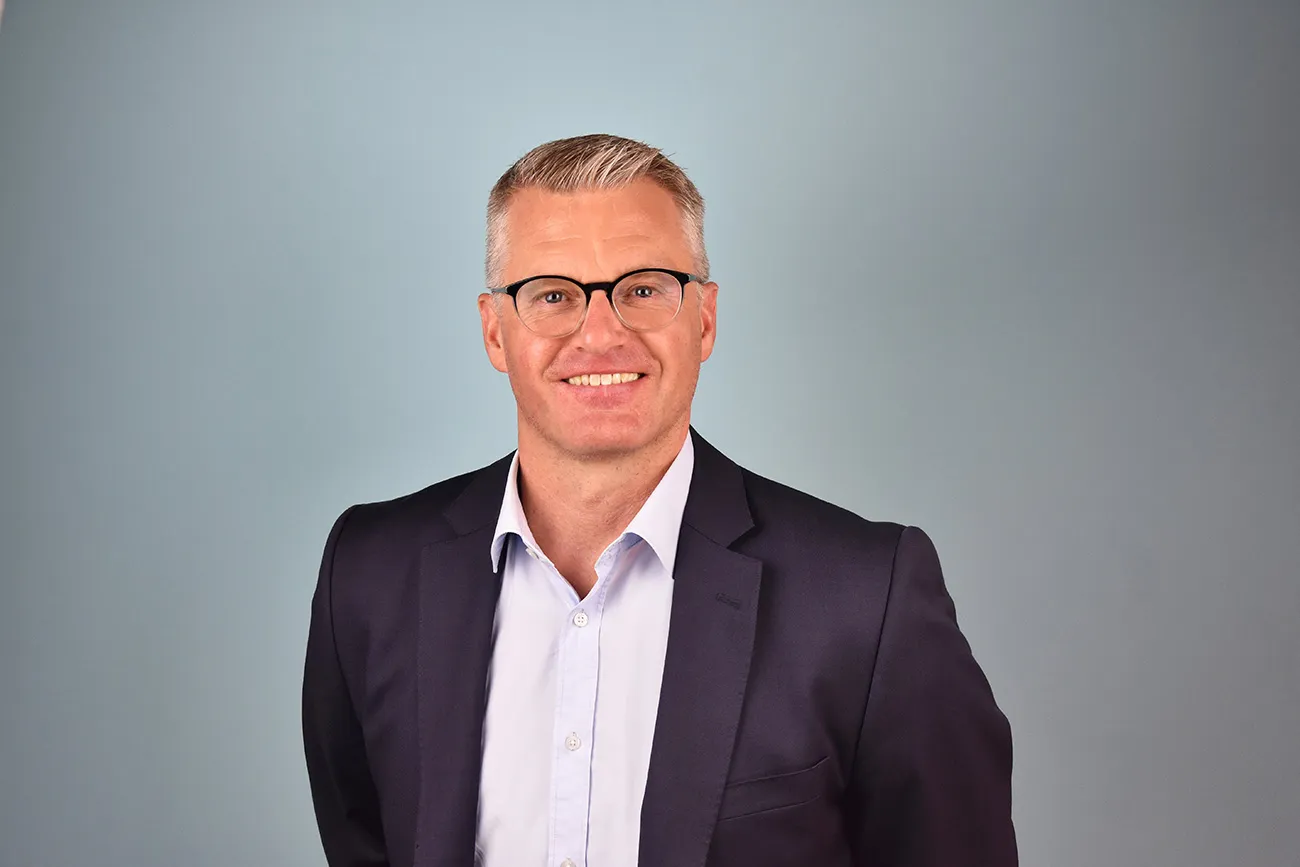
“We must safeguard mobility for businesses and emergency services”
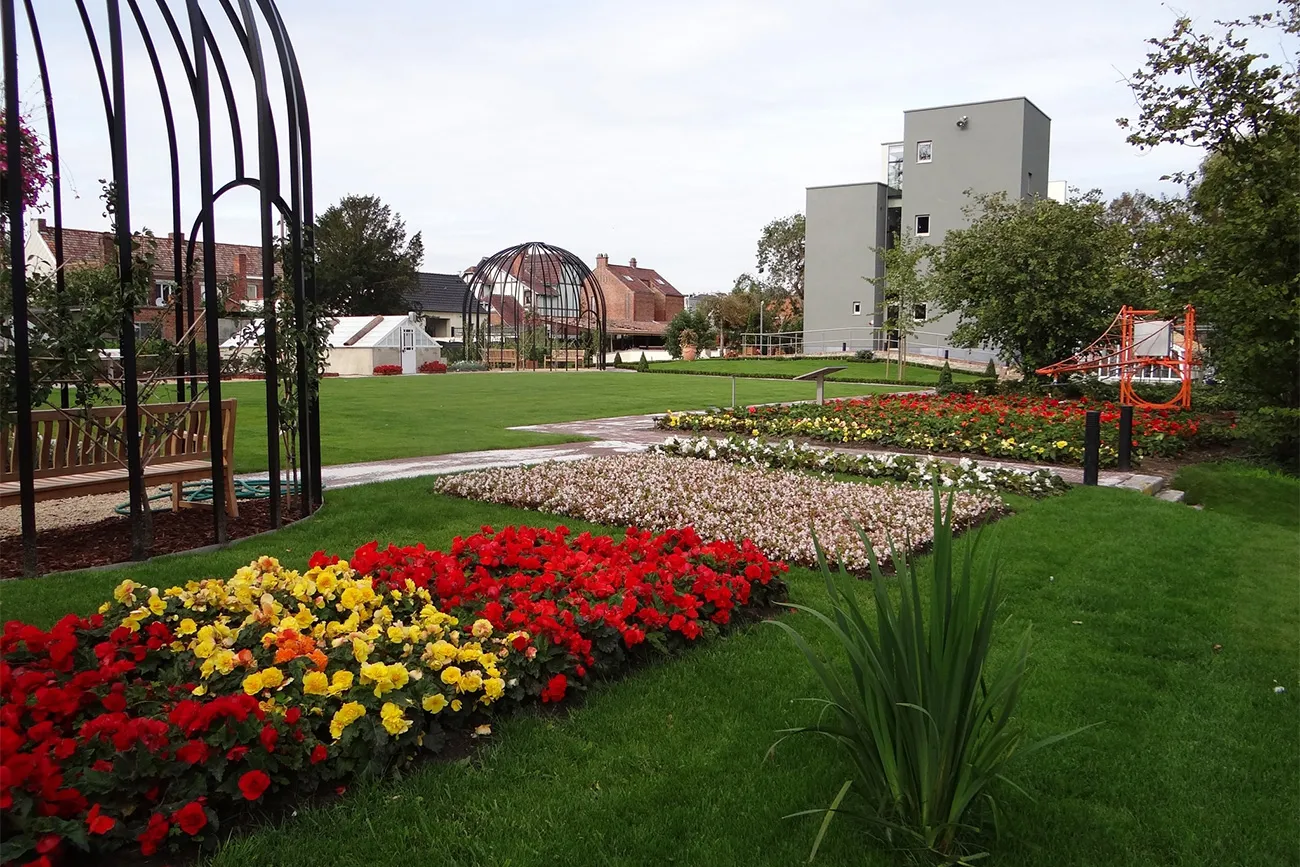
Lochristi is best known for its azaleas and begonias. This municipality near Ghent has been famous for its flowers and plants since the 19th century. Ornamental horticulture remains an important sector to this day, but Lochristi has also developed a broad economic base. Mayor Yves Deswaene (Open VLD), who has led the municipality for 22 years, is preparing for a merger with Wachtebeke: “We are a good match, combining urbanised and rural areas, business activity and open space. Above all, residents also support the project.”
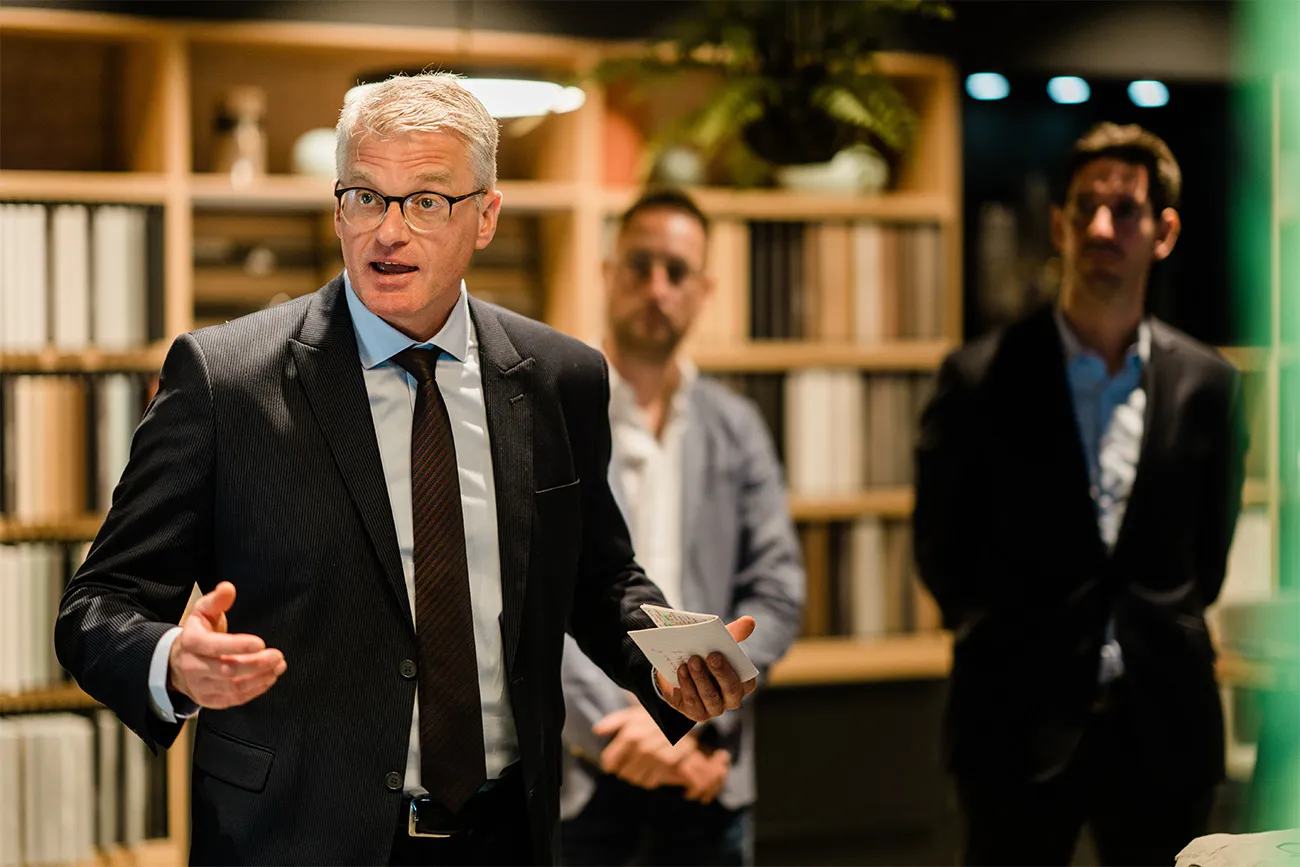
What characterises Lochristi’s economy?
Yves Deswaene: Let me start with ornamental horticulture. Charles Vuylsteke (1844-1927) was the father of ornamental horticulture in our village. There is even an orchid named after him. As an entrepreneur, Vuylsteke was ahead of his time. He shared his knowledge and encouraged his gardener employees to set up businesses of their own. This gave the economy a boost and undoubtedly fostered the commercial mindset that still characterises us today.
Although the number of ornamental plant growers has fallen sharply, this remains a crucial sector. I estimate that we still have around 75 active nurseries. In terms of plant volumes, mainly azaleas and begonias, we are still the world market leader. We should be proud of that. Many SMEs have also developed here to supply the ornamental horticulture sector: producers of potting compost, plant trays and packaging, as well as agricultural machinery and transport companies. It is a genuine ecosystem. And as these companies also need services themselves, the SME base is diversified too.
What levers does the municipality have to shape its own local economic policy?
Yves Deswaene: We mainly have an impact on three areas: spatial planning, mobility and taxation. We can be brief on tax: we do not levy any business-specific taxes. As for planning and spatial development, in 2023 every municipality has to align its plans with the framework set by higher levels of government. In 1994, our municipality adopted a general land-use plan. Among other things, it aimed to allow mixed-use development along the N70 regional road, which connects us to the Ring around Ghent.
At the time, it was impossible to anticipate the impact. In the 1990s and early 2000s, there were so many applications that the area became haphazardly developed. The N70 offers a wide range of retail outlets, which means you can sometimes get caught in traffic during peak hours. That is the downside of the commercial momentum we have. But all these businesses create added value and jobs.
Is there still space available for new businesses?
Yves Deswaene: There is little space available at the moment. As higher-level spatial plans classify our municipality as an outlying area, we cannot create new space without limit. So we will have to rely on the redevelopment of former business sites. If an opportunity like that arises, we want to consider possible uses, such as relocating businesses in areas not designated for them or building new SME units.
You have already mentioned mobility. How are you trying to ensure good access to Lochristi and keep traffic flowing smoothly?
Yves Deswaene: Mobility is indeed a concern. Work is under way on a regional mobility plan for the Ghent region, which aims to manage traffic flows more effectively. That is all well and good, but I feel that the voice of the business community is not being heard enough so far. We have several major traffic routes and good connections to Ghent, North Sea Port, Antwerp and Lokeren. We must make sure we do not put our economy at risk by banning too much traffic. Access for emergency services must also be guaranteed in every corner of the municipality. I am calling for more consultation with businesses and emergency services.
And what about public transport? Is your municipality well served?
Yves Deswaene: Yes. I am still proud that we were able to reopen Beervelde railway station in 2008. We made a strong case, pointing out to the NMBS management the importance of the station for commuters and students, and its reopening has proved a success. You can be in Ghent by train in 10 minutes. We want to develop the station further as a mobility hub in the future.
As for De Lijn, the new regional transport plan has yet to come into effect, but we are pushing for more frequent bus services on the N70, including late into the evening. And if we can improve bus links to Lochristi along the N449 from Zelzate to Wetteren, that will also be a major step forward for employees along that route.
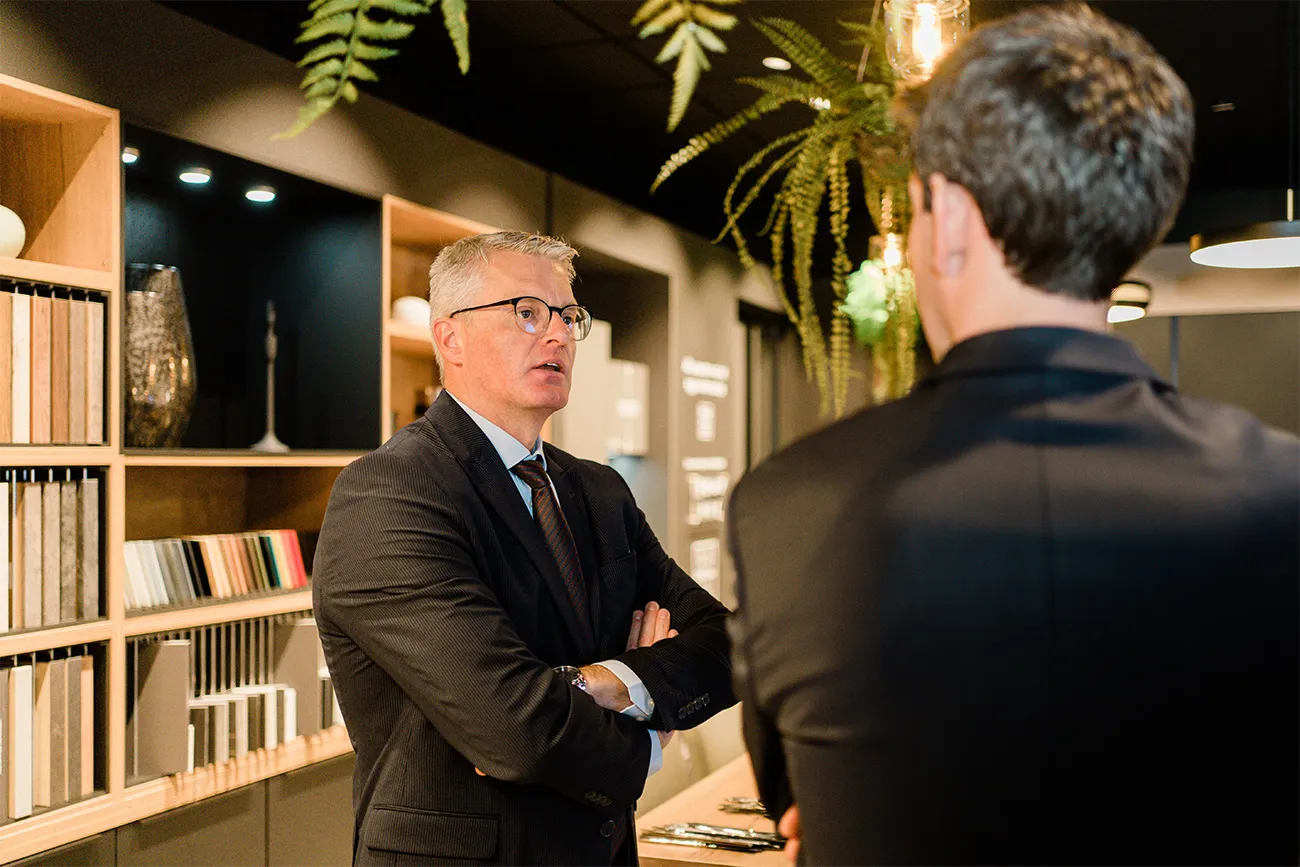
How does the local authority keep in touch with what is happening in the business community?
Yves Deswaene: We have an entrepreneurs’ council that includes all sectors and groups: agriculture and horticulture, the liberal professions, retail and SMEs. It meets around three times a year, together with our alderman for the local economy. The council sets its own agenda, so we learn what is going on. Of course, the aldermen and I also attend as many events as possible. And when a new business opens, we are happy to be there.
We believe it is important to support our entrepreneurs. As a medium-sized municipality with 23,000 residents, we keep communication lines short. At present, we have a local economy officer through the intermunicipal partnership Veneco, but we would like to hire a full-time member of staff ourselves. We want to help businesses find their way around Lochristi and guide them through their municipal applications.
Finally, Lochristi and Wachtebeke will merge in 2025. What do you expect from this?
Yves Deswaene: It is an unusual merger, as the two mayors belong to different parties. But we have found common ground, and we are a good match in many respects. Lochristi has plenty of retail and business activity and is more urbanised, while Wachtebeke is much greener and offers plenty of leisure opportunities at Provincial Domain Puyenbroeck.
I am pleased with the progress we have made: all parties on both municipal councils support the merger, and residents are in favour too… that gives the project broad support. We are now spending a lot of time with staff to help the teams get to know one another. In the coming months, we will continue to inform residents. The merger will allow us to invest together in specialist staff, something that had become difficult for Wachtebeke with its 8,000 residents. The bonus we will receive from the Flemish Government amounts to around €12 million. It will be used to bring taxes in Wachtebeke down to Lochristi’s level. Many investments in the new Lochristi are also planned. What more could we ask for?
Question about this story? Ask your question
Keep following this
Get an email when a new story is published. No account needed.
- SubjectGeneral







