




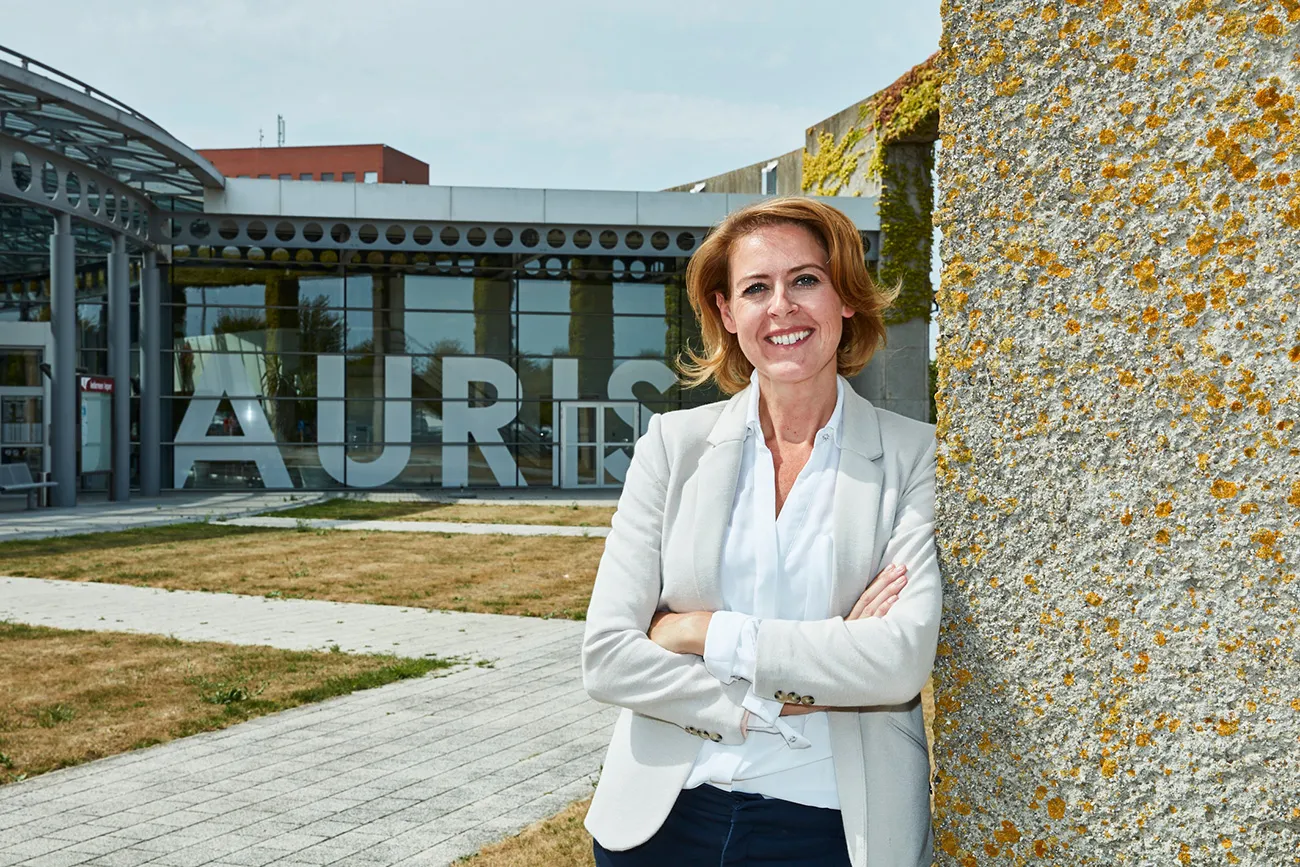
Ieper Mayor Emmily Talpe speaks
“New space for businesses is in the pipeline”
Ieper, in the heart of the Westhoek, is best known for its rich history and opportunities for rural tourism. Yet it is also an enterprising region, home to more than 3,700 active businesses. Most are family-owned SMEs, many of which also operate across the Belgian-French border. Mayor Emmily Talpe (Open Vld) is pleased with this economic wealth. She aims to create new space for businesses and stem the brain drain from the region.
Mayor, what economic strengths can Ieper draw on?
Emmily Talpe: We are a city with a strong entrepreneurial tradition. Many family-grown SMEs are active both at home and abroad. Our location on the A19, close to the French border and economic gateways such as Lille and Dunkirk, is a major asset. Great Britain is also close by, thanks to the French and Belgian coastal ports.
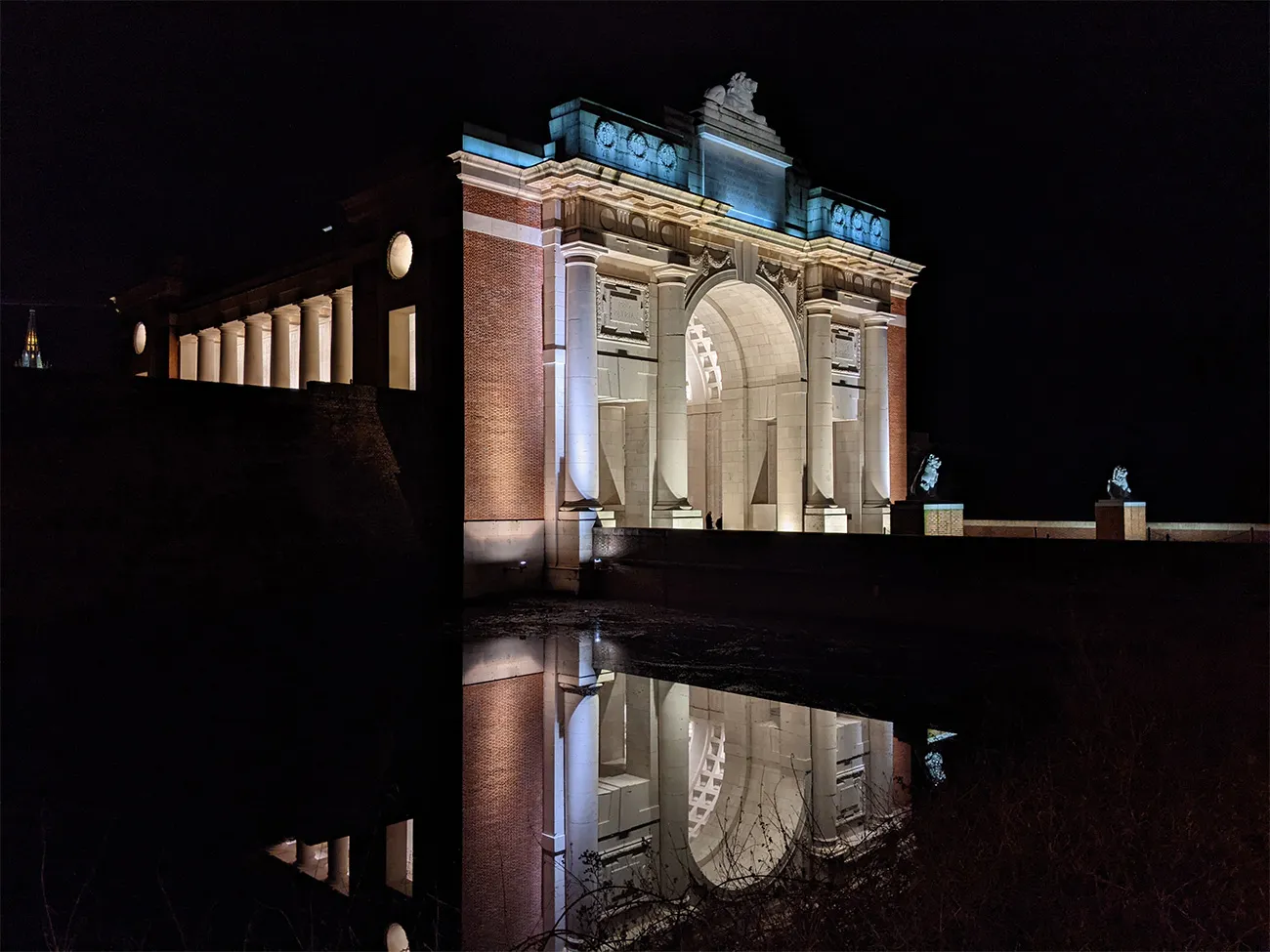
Alongside industry and agriculture, tourism and hospitality are key sectors. Our city has an exceptionally rich history, from the Middle Ages to the First World War, and is set in beautiful green surroundings. Rural, cycling and walking tourism have boomed in recent years. At the same time, we have an urban feel and plenty to offer visitors.
Ieper went through a difficult period after the demise of Lernout&Hauspie in 2001. Has it put that behind it?
Emmily Talpe: Yes. Lernout&Hauspie’s former campus, Flanders Language Valley, stood empty for a while, but has since been transformed into the Ter Waarde business park. The site is now fully occupied by a range of companies, and we have also located the city’s administrative centre there. Further construction is also well underway.
Today, Ieper is home to a host of excellent businesses, including several international leaders. The best known are probably weaving machine manufacturer Picanol and Melexis, a producer of electronic chips. Valcke Prefab Beton and Ghelamco are 2 strong players in the construction sector. In food, I would highlight BonRill, founded by Caroline Vercauteren, Female Entrepreneur of the Year, who led the more than 100-year-old meat-processing company through a shift towards vegetarian products.
Tourism has also grown strongly over the past 20 years, with the commemoration of 100 years since the First World War as the obvious high point. At the time, we counted more than 2.5 million visitors to the Westhoek, half of them from abroad. The commemoration has had a lasting impact: visitor numbers remain high. Ieper was recently named the most welcoming city in the country by Booking.com, a tribute to the many people working in tourism and hospitality and the entrepreneurs in those sectors.
What challenges do you see for the economy in this region?
Emmily Talpe: Brexit is a major challenge for our city, not only for exporters but also for tourism. 1 in 3 visitors coming to commemorate the war are from Great Britain, so they are an important audience. Together with the Flemish government, we are doing everything we can to persuade them to keep coming. There are fewer British visitors now, but we can make up for the decline with domestic tourism and a growing number of Dutch visitors.
Another challenge is the brain drain. Many young people who go on to study at university colleges or universities in Ghent, Antwerp, Brussels or Leuven stay there after graduating. We therefore need to make an effort to bring them back here. Businesses with an attractive range of vacancies for graduates can help draw these young people back to our region.
What does the city offer aspiring entrepreneurs and start-ups?
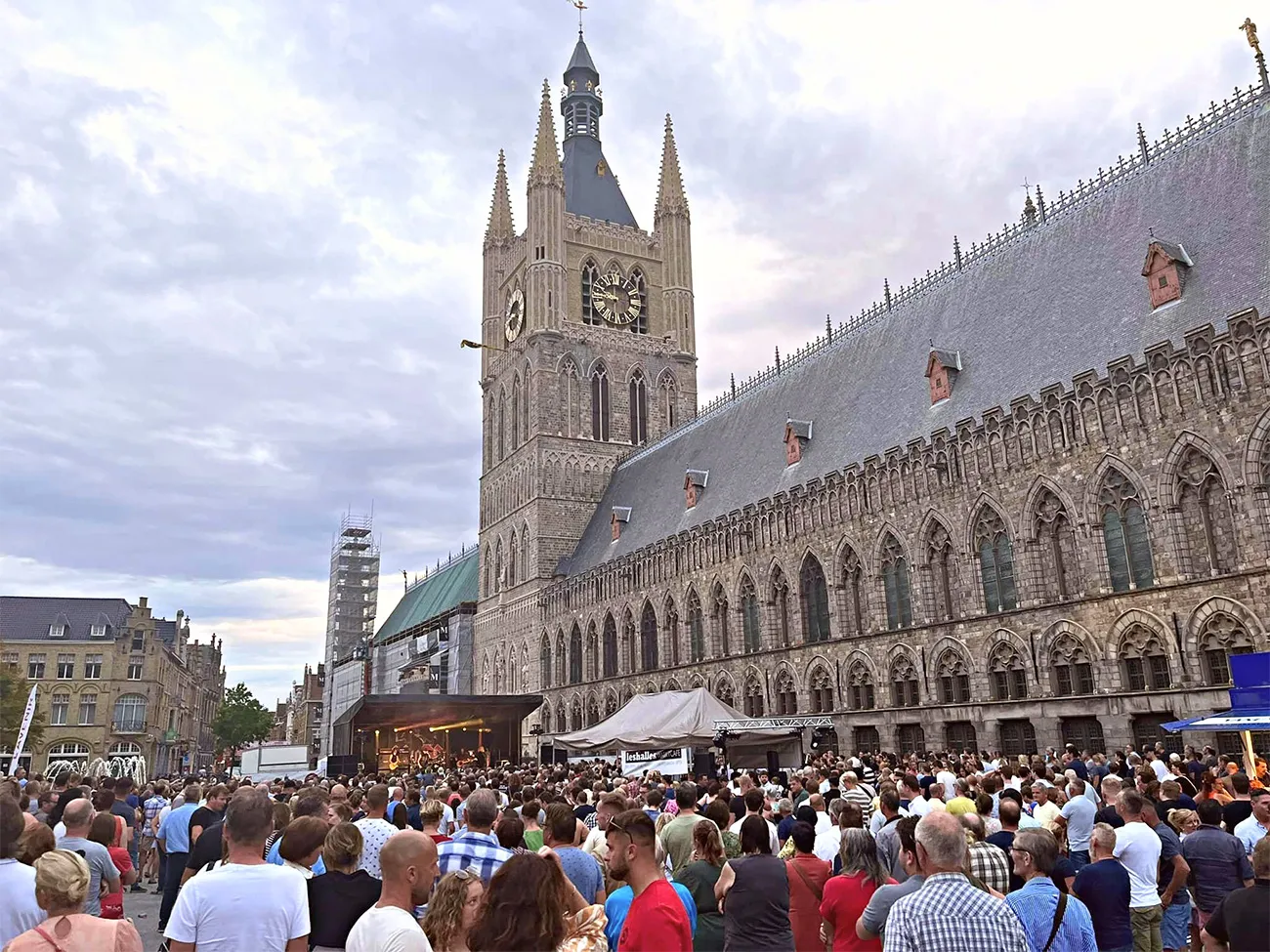
Emmily Talpe: With a population of 35,000, Ieper is a city on a human scale. Businesses have close ties with one another, and with the local government. We know each other well and people talk to people. I think that provides a welcome network for start-ups. Being business-friendly, listening to needs and working in a customer-focused, proactive way are also priorities explicitly set out in our coalition agreement.
Businesses on the Ieperlee and Ter Waarde industrial estates work together through the Iebeve partnership. In the city centre, the non-profit organisation Centrummanagement works to support economic vitality and attractiveness. The city is closely involved, for example consulting them when preparing policy.
Our Economic Affairs department also provides a good welcome service. For example, there is a grant for anyone renovating a vacant commercial property. We also want to promote the city’s image more widely. By bringing the start of the spring classic Gent-Wevelgem to Ieper, for example, we are positioning ourselves as a cycling city. The media coverage and TV footage provide ideal city marketing.
Economic policy is also developed in collaboration with other municipalities in the region. What does that deliver?
Emmily Talpe: Ieper is the economic engine of the Westhoek, but we do not operate in isolation. The region as a whole has a very low unemployment rate and faces the challenge of brain drain. A few years ago, we launched a marketing campaign to put the region in a positive light as a place to live, work and do business. Many local businesses were happy to take part. This regional collaboration is certainly an asset for businesses.
If you want to attract new businesses, is there enough space for them?
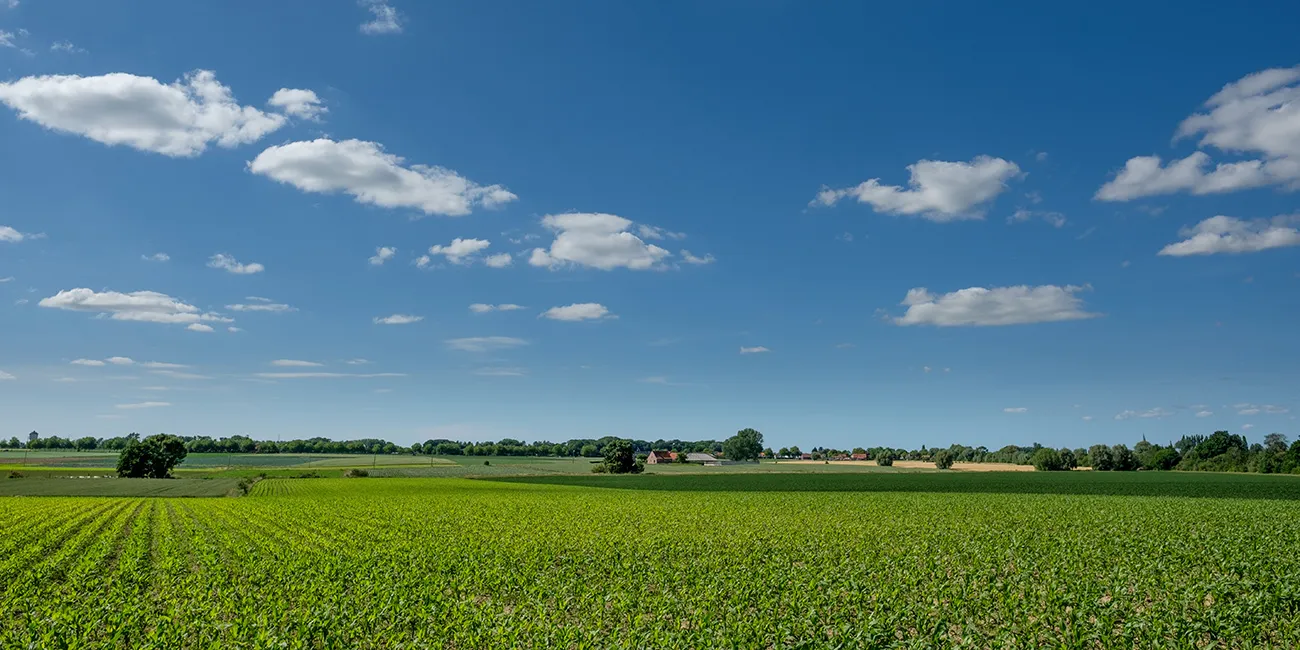
Emmily Talpe: Ieper has needed more space for businesses for many years. There are several sites with potential, but over the past few years many development attempts have ended in legal battles. Fortunately, the expansion of the Hoge Akker industrial estate in the sub-municipality of Vlamertinge is now in the pipeline. A procedure is also underway through the province to designate new areas for business activity. We will take care to balance business development with the capacity of the surrounding neighbourhood.
We also continue to highlight the problem of the connection between Ieper, Veurne and the West Coast. The current N8 runs alongside and through several villages, with changing speed limits, and is also heavily used by agricultural traffic. A decent road connection would be a major step towards better access to the Westhoek, including in economic terms.
Question about this story? Ask your question
Keep following this
Get an email when a new story is published. No account needed.
- SubjectGeneral







