




How innovative learning pathways are bringing education and business together
Text Roeland Van Den DriesscheImage Voka, De Lage Kouter
“We need to hold on to every talent that grows here”
Our labour market is crying out for technical talent. New learning pathways are emerging to connect that talent more closely with businesses. They all share the same ambition: to bridge the gap between education and industry. As the new school year begins, Business Vlaanderen highlights two pathways that made a difference for several businesses over the past year.
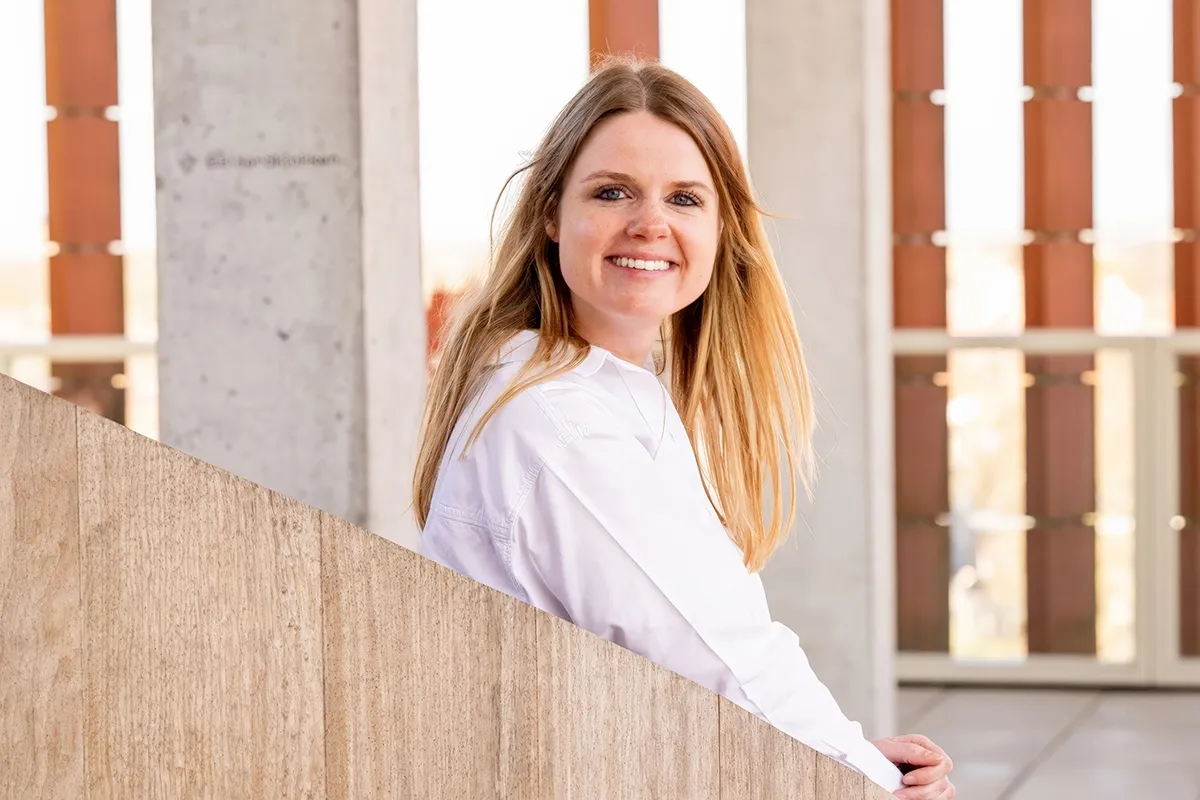
Finding the right candidate can often feel like looking for a needle in a haystack: someone with practical experience and the enthusiasm to get started. This is especially true in West Flanders, where as many as 60% of young people leave to study in other provinces and do not return. “We need to keep more talent in our own region,” says Joyce Simoens of Voka West-Vlaanderen. That is why Voka and KU Leuven developed the Nexus project. “It gives industrial sciences students the chance to experience the realities of business from day one. It is a unique pathway, as this is the first time a university programme has been offered in a dual format.”
Investing in talent that stays
The Nexus pathway starts in the first semester of the first year. During this period, students can get to know four West Flanders businesses, followed by a company visit. “In the second semester, they then choose two businesses where they spend a few days on work placements. From the second year onwards, they commit to one business. They not only do work placements there, but also work as student employees during the summer. This means they get to know the company culture straight away,” explains Charlotte Vermeulen of KU Leuven.
Three students successfully completed the first year of the pathway last academic year. That may seem modest, but a lot is expected of them. For example, the practical hours are outside the standard curriculum. “They also have to pass their academic studies to continue on the pathway,” Vermeulen explains. In return, the business gets a motivated student. “And there is a good chance that the student will eventually work for that business: figures from abroad show that 97% of participants sign a contract.”
A win for businesses and the region
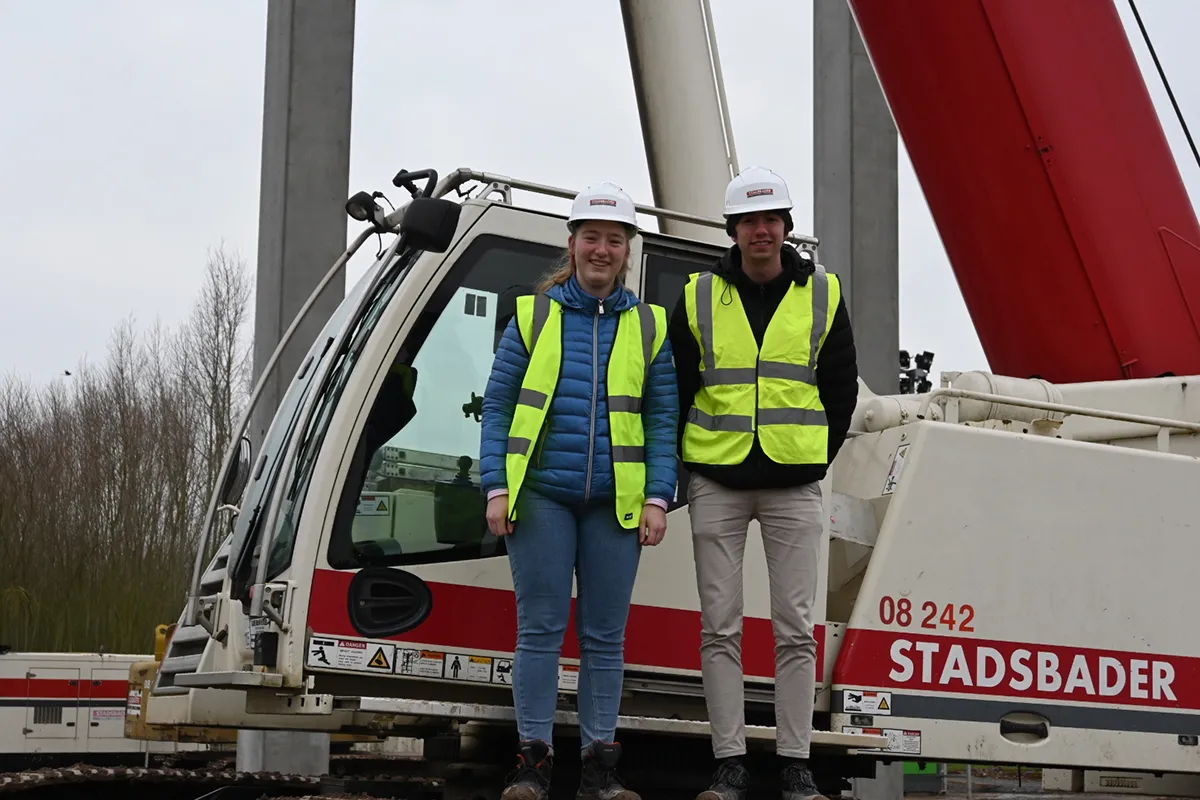
One of the businesses that had the opportunity to mentor a student through the Nexus pathway is Devagro, a contracting company based in Waregem. “For businesses like ours, this is a valuable way to get to know young talent and support their development. The student makes a tangible contribution, while we invest in their development,” says Anne-Laure Hillewaere of Devagro. “Students get to know our culture, and we invest in their future. This creates a sustainable pipeline of talent, which is exactly what every sector needs today.”
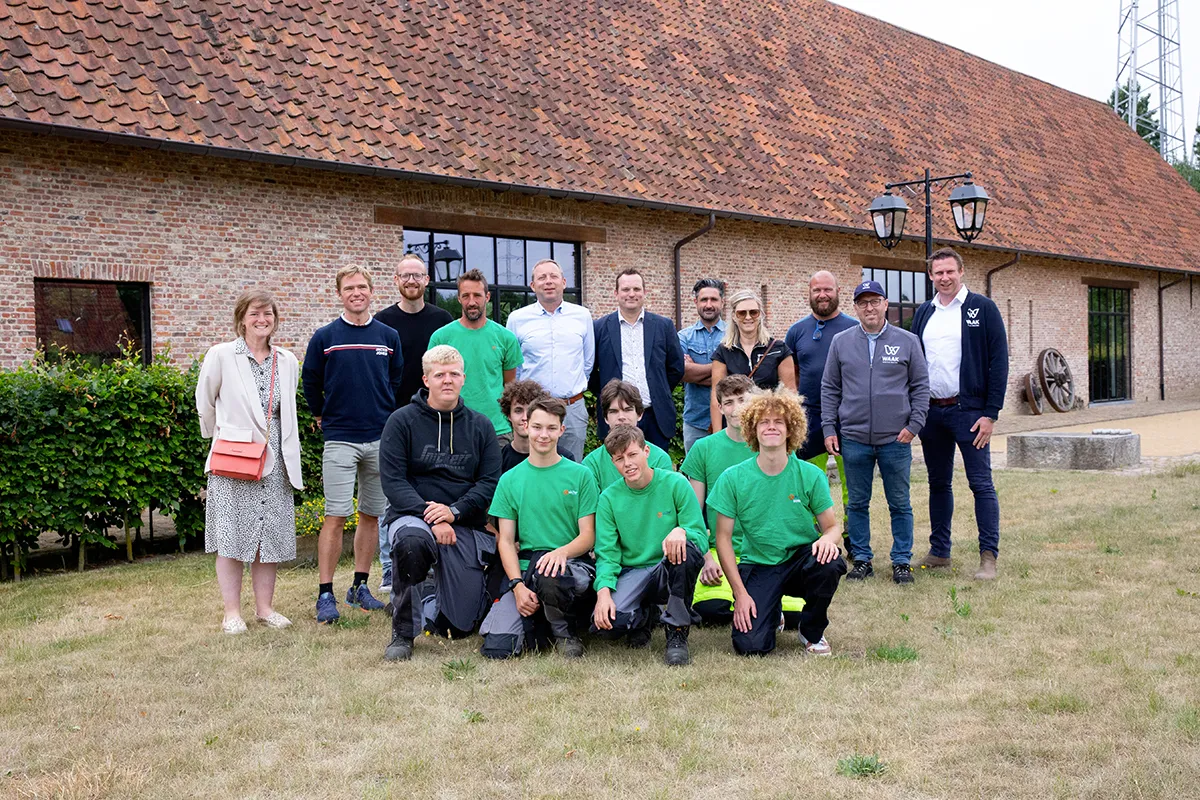
We find the same principle applied to a different target group at De Lage Kouter secondary school in Kortrijk. Thanks to a partnership with the sheltered workshop WAAK, pupils facing barriers to employment spent the past year tending the vineyard and creating flower beds on the grounds of Vyncke in Harelbeke. “The site offered a learning opportunity that we could never have provided at school,” says Ilse Ghiesmans, headteacher of De Lage Kouter. “The pupils gained structure, confidence and a sense of possibility. They grew literally among the plants, but also as people.”
Both projects show just how powerful the combination of education and practical experience can be. “Whether it is future engineers or young people facing barriers to employment, by engaging them and giving them a taste of the workplace, you give their future and that of the region a real boost,” concludes Joyce Simoens of Voka.
Question about this story? Ask your question
Keep following this
Get an email when a new story is published. No account needed.
- ThemeBusiness growth and entrepreneurship in Flanders
- SubjectGeneral







