




Growing threat strengthens cooperation between Defence and the offshore industry
Text Roeland Van Den DriesscheImage Defensie, Otary
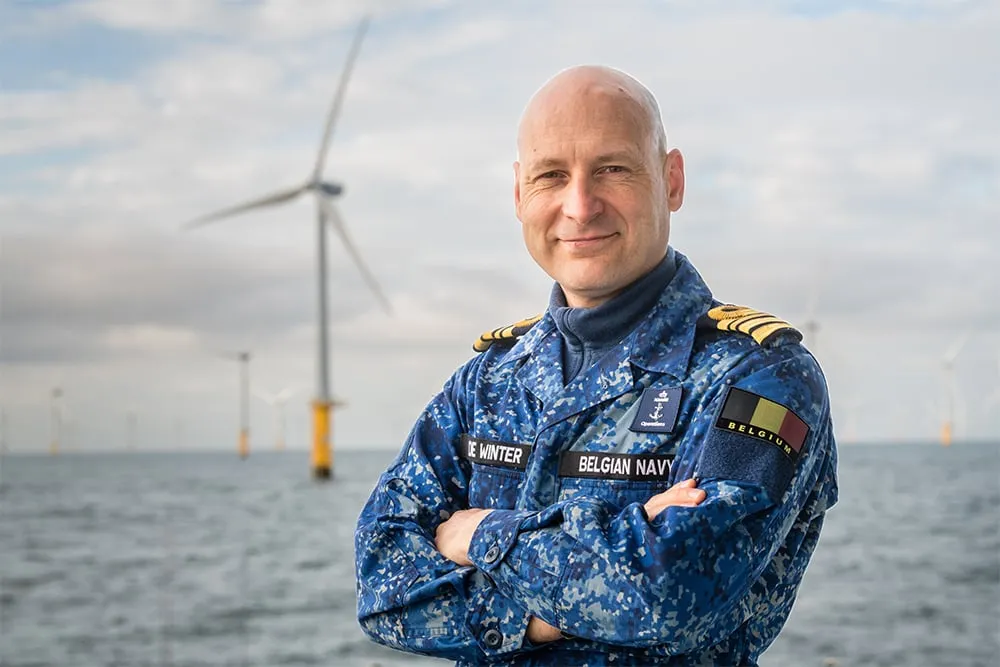
The North Sea is one of the busiest shipping routes in the world. It is the gateway to our ports, but with its wind farms and subsea cables, it is also vital to our energy supply. Securing all this infrastructure is the military’s responsibility, and it is increasingly calling on the offshore industry to gain a clearer picture of suspicious activity. “Given geopolitical developments, their extra eyes at sea are more than welcome,” says frigate captain KurtDe Winter of the Navy.
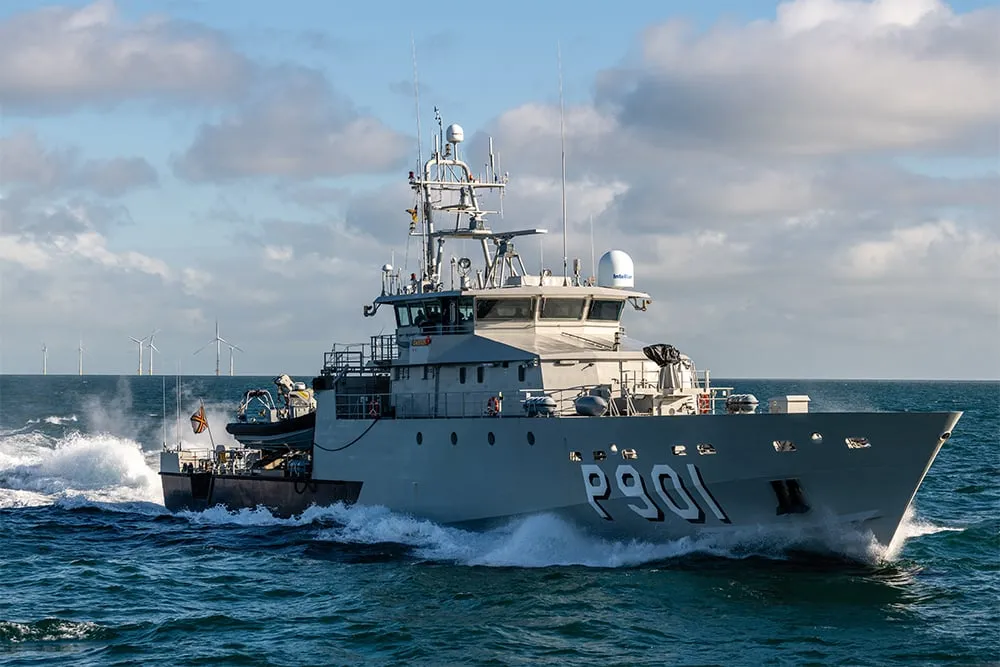
Protecting energy pipelines and wind turbines in the North Sea is high on the agenda for many European countries. As renewable energy becomes increasingly important in the drive towards climate neutrality by 2050, six North Sea countries have joined forces to better protect their infrastructure. “The North Sea is busy, with as many as 330 vessel movements per day in the Belgian sector. It is also criss-crossed by cables and pipelines. We must protect them from potential threats at all times,” says Kurt De Winter.
European data platform
Belgium, the Netherlands, Germany, Denmark, Norway and the United Kingdom have therefore decided to create a platform for sharing data on suspicious movements at sea. Belgium is taking the lead and investing one million euros in the data platform. “The importance of this cooperation should not be underestimated. A large share of trade is transported along shipping routes,” De Winter points out.
Any disruption to those routes would cause enormous damage to the economy. “And that is not an unthinkable scenario today. In recent times, several reports have come in of Russian vessels operating near our maritime infrastructure, with a view to sabotage or espionage. In many cases, they are military vessels disguised as merchant ships.”
Greater operational capability
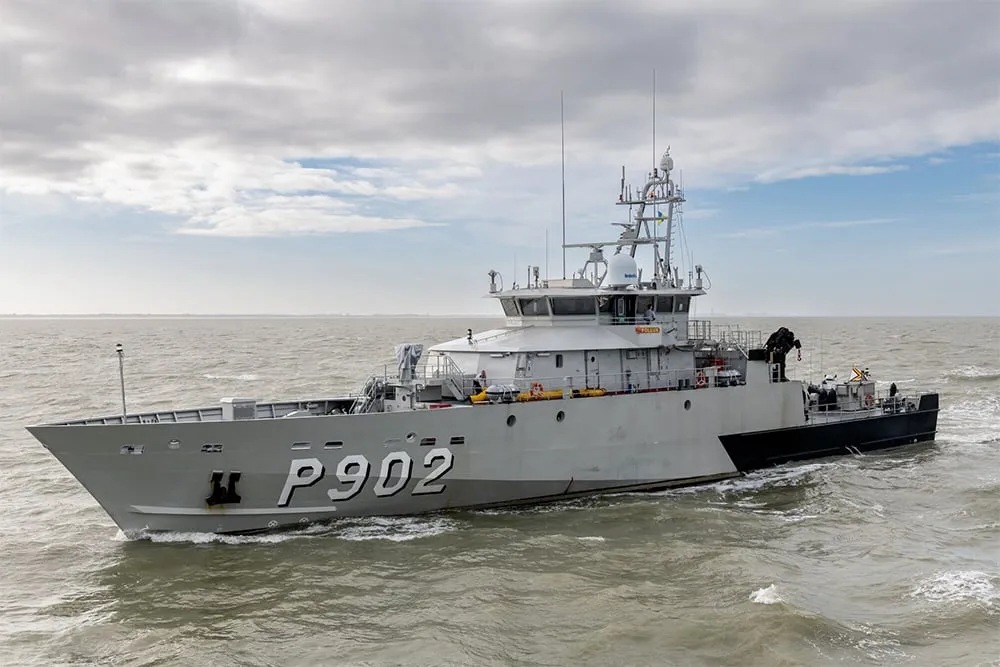
Defence’s Naval Component has built up considerable expertise and know-how in coastal security. Recent investment in new equipment is giving it even greater operational capability, enabling it to act more efficiently. “Alongside our patrol vessels, Castor and Pollux, we have a command & control system that enables us to gather, process and share information with everyone operating at sea. We also work closely with the offshore industry. It has a great deal of infrastructure that we can use, for example, to install sensors to detect and report suspicious activity.”
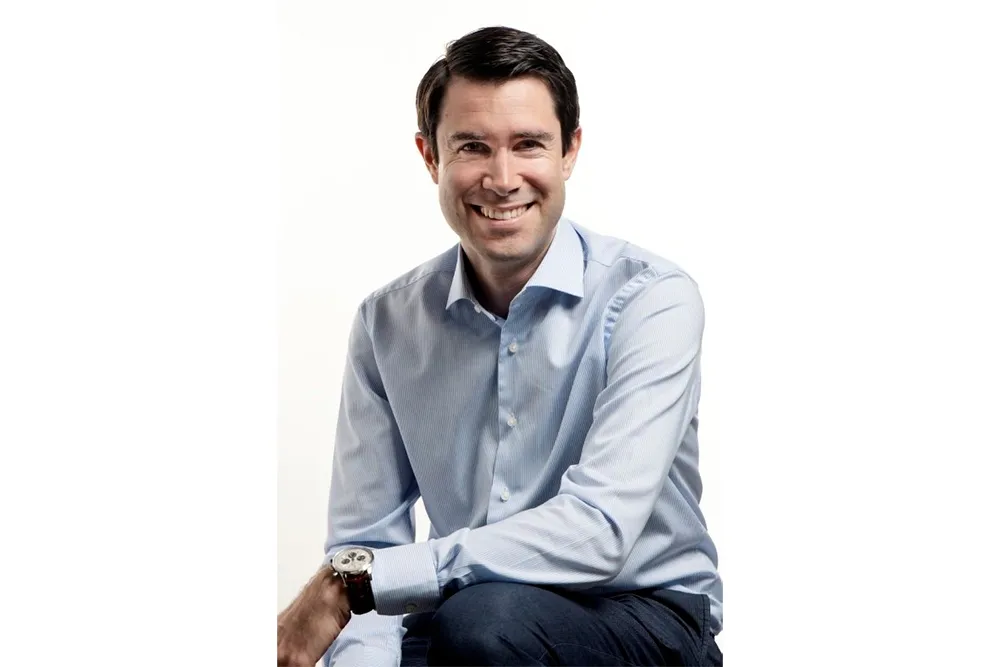
For wind farm developer Otary, cooperation with Defence is vital. “We want to know at all times whether our infrastructure is at risk, and Defence is an excellent partner in this respect. This is particularly true when third parties are involved and criminal proceedings may need to be initiated,” says CEO Mathias Verkest. “It also remains important to detect underwater hazards. The seabed of the North Sea is littered with thousands of unexploded ordnance items and unidentified objects. These must of course be neutralised before we can start building a new wind farm.”
Protecting wind farms will remain a priority for Defence in the years ahead. “That is why we will step up our ties with industry and share more information. This is the only way we can raise our national security to a higher level,” concludes Kurt De Winter.
Question about this story? Ask your question
Keep following this
Get an email when a new story is published. No account needed.
- SubjectGeneral







