




Green energy and water treatment in 73 countries
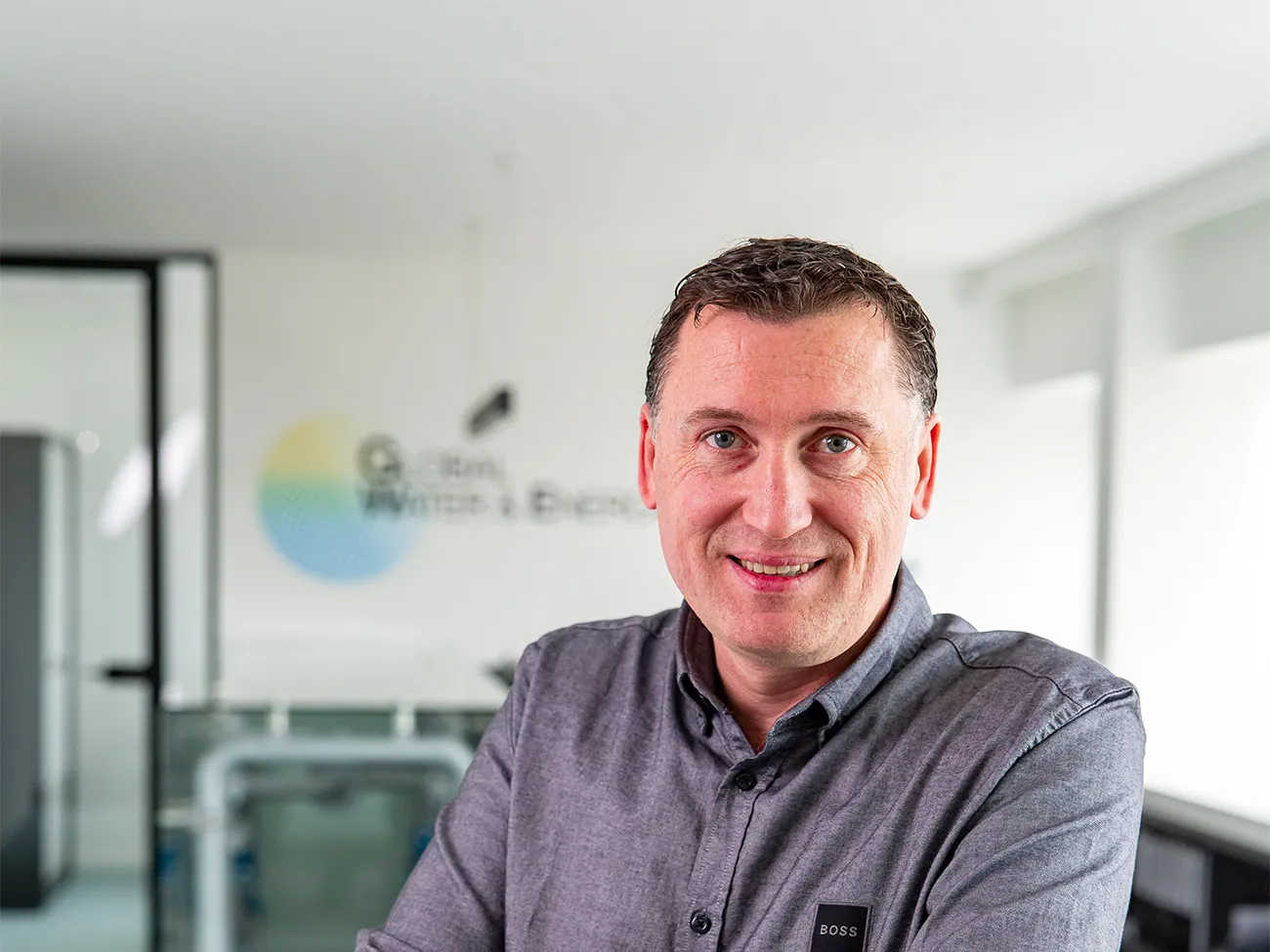
Global Water & Energy is a global player in industrial biomass and anaerobic wastewater treatment projects. Led by CEO Uli Ombregt, the company has delivered more than 470 projects in 73 countries.
Bruges-based group has been conquering the world since 1991
Global Water & Energy is a global player in industrial biomass and anaerobic wastewater treatment projects. Led by CEO Uli Ombregt, the company has delivered more than 470 projects in 73 countries. And the future looks promising: “Demand for our solutions continues to grow, driven by multinationals’ sustainability strategies and companies’ desire to become less dependent on fossil fuels.”
In the late 1970s, Jean-Pierre Ombregt and Professor Verstraete of UGent optimised a new technology for treating wastewater using anaerobic bacteria. “That UASB reactor enabled a process that used less energy and produced less sludge when treating industrial wastewater. It also produced biogas,” explains his son Uli Ombregt.
“That technology laid the foundations for a company my father founded in 1991: Global Water & Energy. We quickly established a strong position in the food and drink sector, delivering projects for groups such as Carlsberg, Heineken and Nestlé.”
Turning residual streams into value
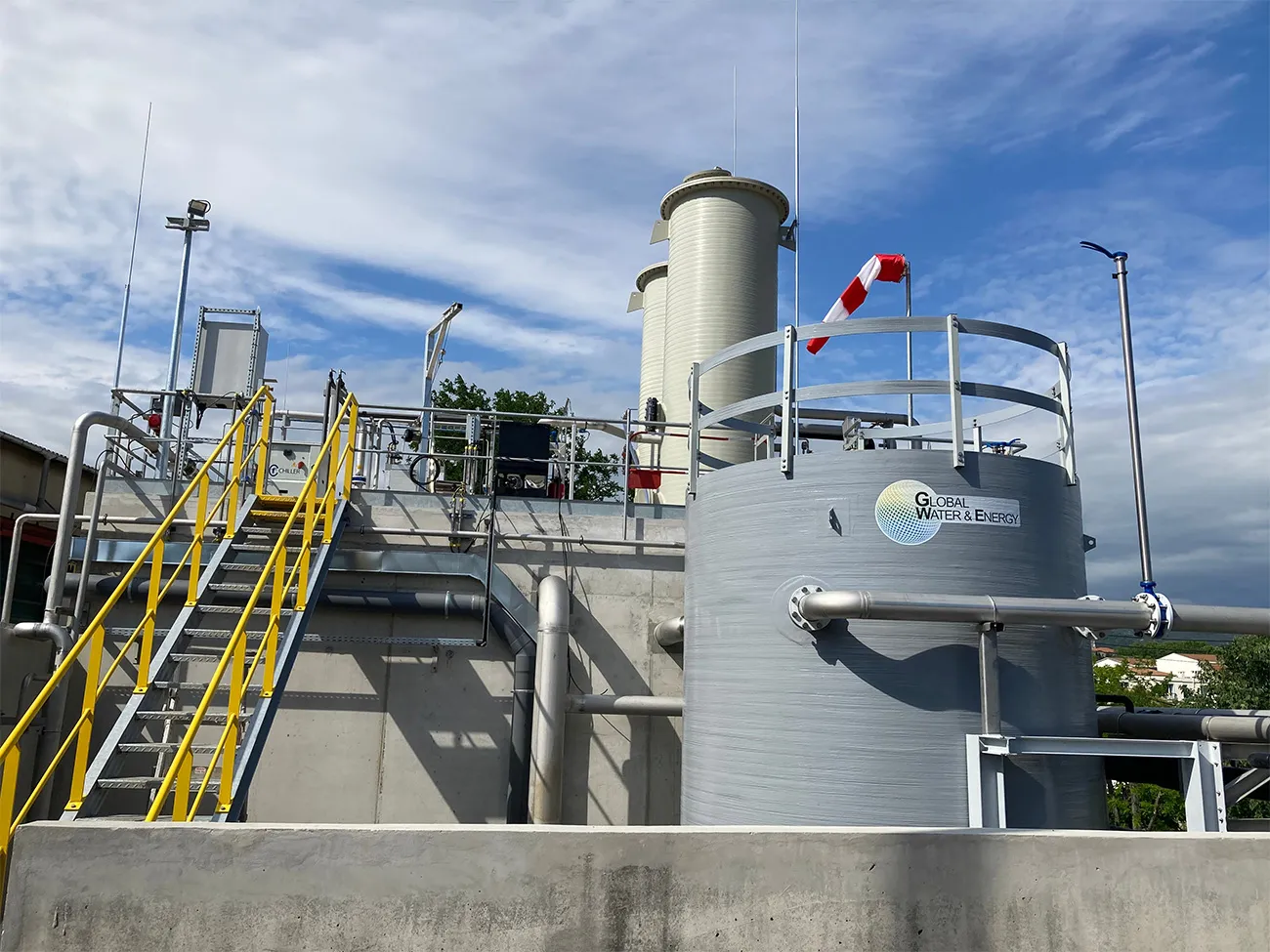
Uli Ombregt joined the company in 2001. Since then, the group has continued to grow by focusing on large multinationals and converting residual streams into energy: “Several industries, including food and beverage and paper manufacturing, produce highly loaded wastewater. Our anaerobic wastewater treatment plants treat this water and also generate biogas. In the past, it was often flared off. Today, it is mostly used to generate energy, including through combined heat and power plants and for steam production. Our biogas plants now generate as much energy worldwide as more than 1,000 wind turbines.”
Global Water & Energy also designs and builds plants that recover value from residual materials, including those from wastewater. “We can recover some nutrients, such as phosphorus. We then digest the remaining waste to produce biogas, which generators convert into electricity. These waste-to-energy plants can be very attractive: our RAPTOR concept is essentially a gas production plant.”
“But these are more complex projects: long-term contracts are needed to secure the supply of waste streams, and the right investors have to be found,” says Ombregt. “In any case, this is a financially attractive option that is still underused alongside other green technologies such as wind turbines and solar panels, especially now that companies want to become less dependent on fossil fuels. You tackle two problems at once: waste streams are processed while biogas and green energy are generated.”
The impact of Ukraine
GWE therefore has all the expertise needed for these energy projects. “We are an engineering company with offices in Europe, Asia and the US. We can design projects to meet the specific requirements of each client. We have also seen a sharp increase in demand for the recovery of value from residual materials. Our major clients, including Coca-Cola, AB InBev, Mars and Pepsico, are making a strong commitment to sustainability and a green image. Cutting CO2 emissions is highly relevant to them. And we are also seeing regulations become increasingly stringent, particularly in developed countries.”
The war in Ukraine and sharply rising energy prices are also prompting companies to review their energy supplies. Uli Ombregt says: “It is clear that many customers, including Belgian SMEs, want to reduce their dependence on fossil fuels. Linking wastewater treatment to a biogas plant can help them take a step in the right direction.”
Water reuse on the rise
Meanwhile, GWE has a third growing business line: the reuse of process water in industry. “Water is becoming increasingly scarce and expensive. Breweries and vegetable-processing companies in particular need a lot of process water. We can not only treat this water afterwards, but also upgrade it so it can be reused. This process water has to meet much stricter standards than wastewater discharged into the environment. But this is the future for companies that want to close their water loops. In time, I am convinced, it will also lead to cost savings,” concludes Uli Ombregt.
Question about this story? Ask your question
Keep following this
Get an email when a new story is published. No account needed.
- ThemeEnergy security and the circular economy
- SubjectGeneral







