




Flexibility and creativity in response to the war in Ukraine
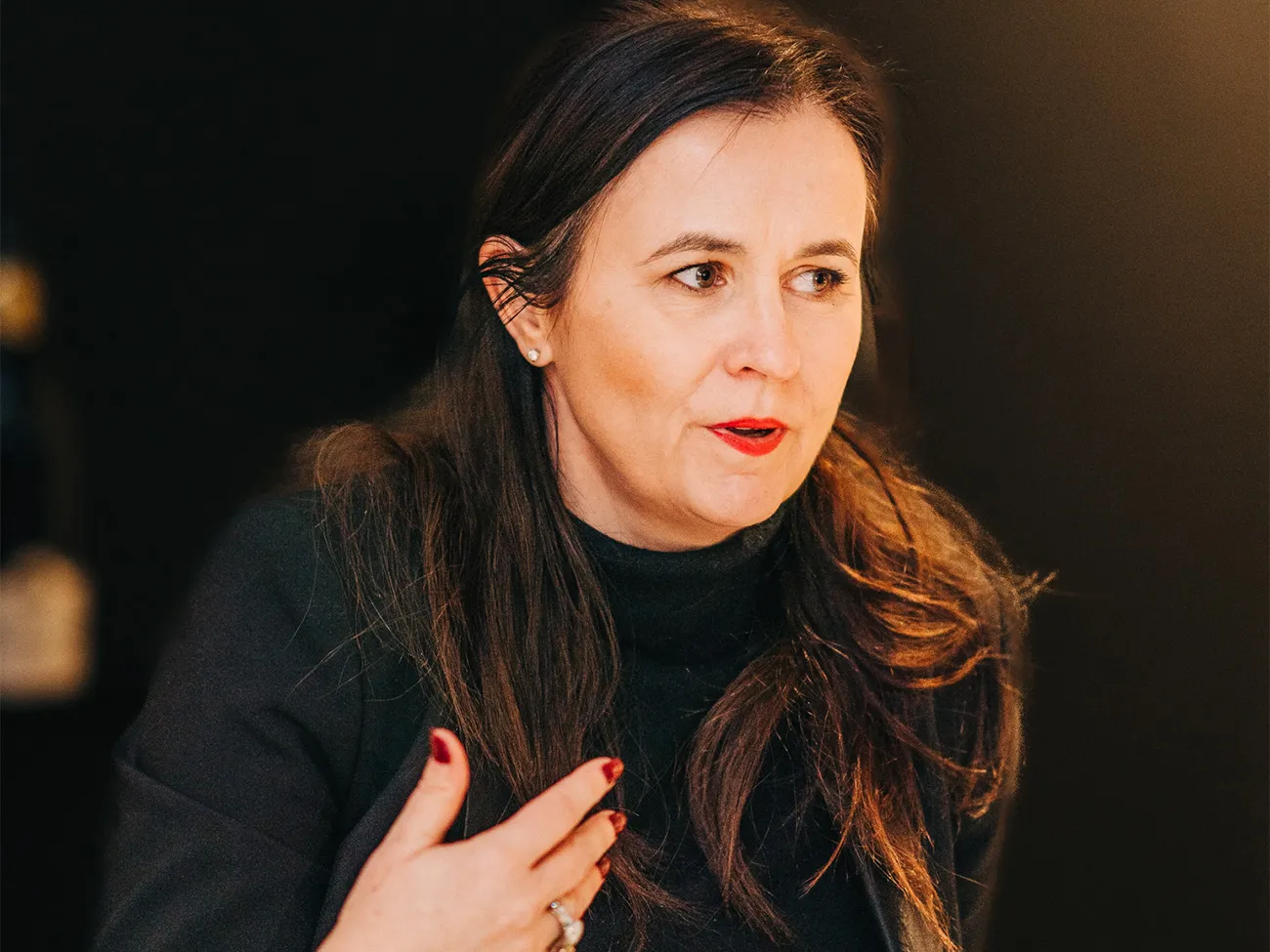
“We are trying to adapt to the new normal”
The conflict between Ukraine and Russia is having a major impact on Belgian businesses. Both rising energy prices and Europe’s sanctions against Russia are creating considerable uncertainty. The consequences are not just economic: the human suffering is also keenly felt in many companies. Businesses operating in the region are now trying to find solutions to the precarious situation on the ground.
It goes without saying that every company is now feeling the effects of the war in Ukraine. Energy prices continue to soar, putting a heavy burden on businesses with high energy consumption. Belgian companies that depend on Russian or Ukrainian imports, or have a site in either country, are also affected.
La Lorraine Bakery, a bakery group headquartered in Ninove, is one of those companies. The group, which supplies fresh and frozen bakery products to supermarkets, is a market leader in Eastern Europe. Last year, in addition to its factories in Poland, Romania and the Czech Republic, it decided to build a factory in Russia, near Moscow. The construction project has been put on hold for the time being because of the conflict. The company decided to err on the side of caution and also brought back 50 employees.
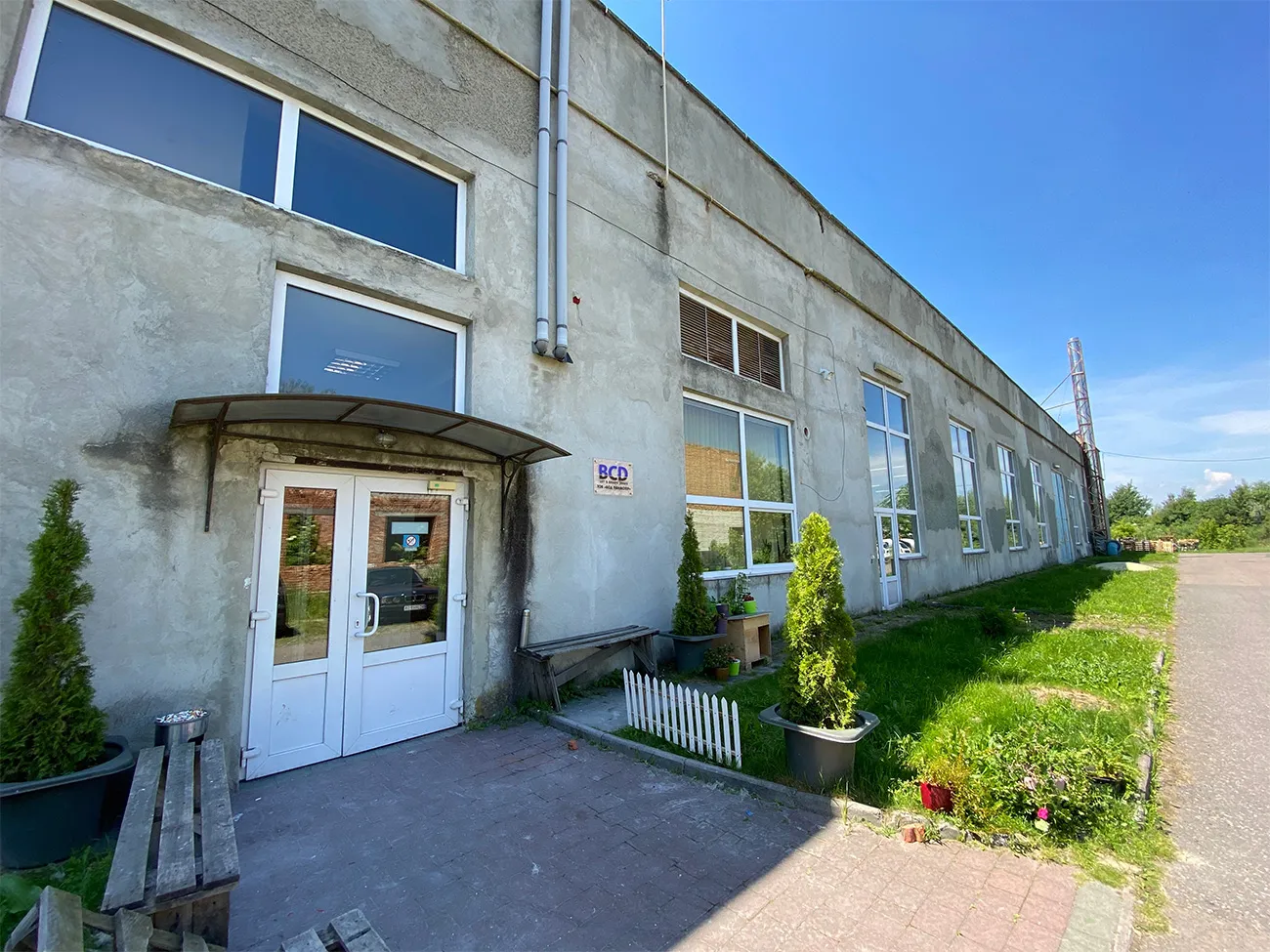
The economy must keep moving
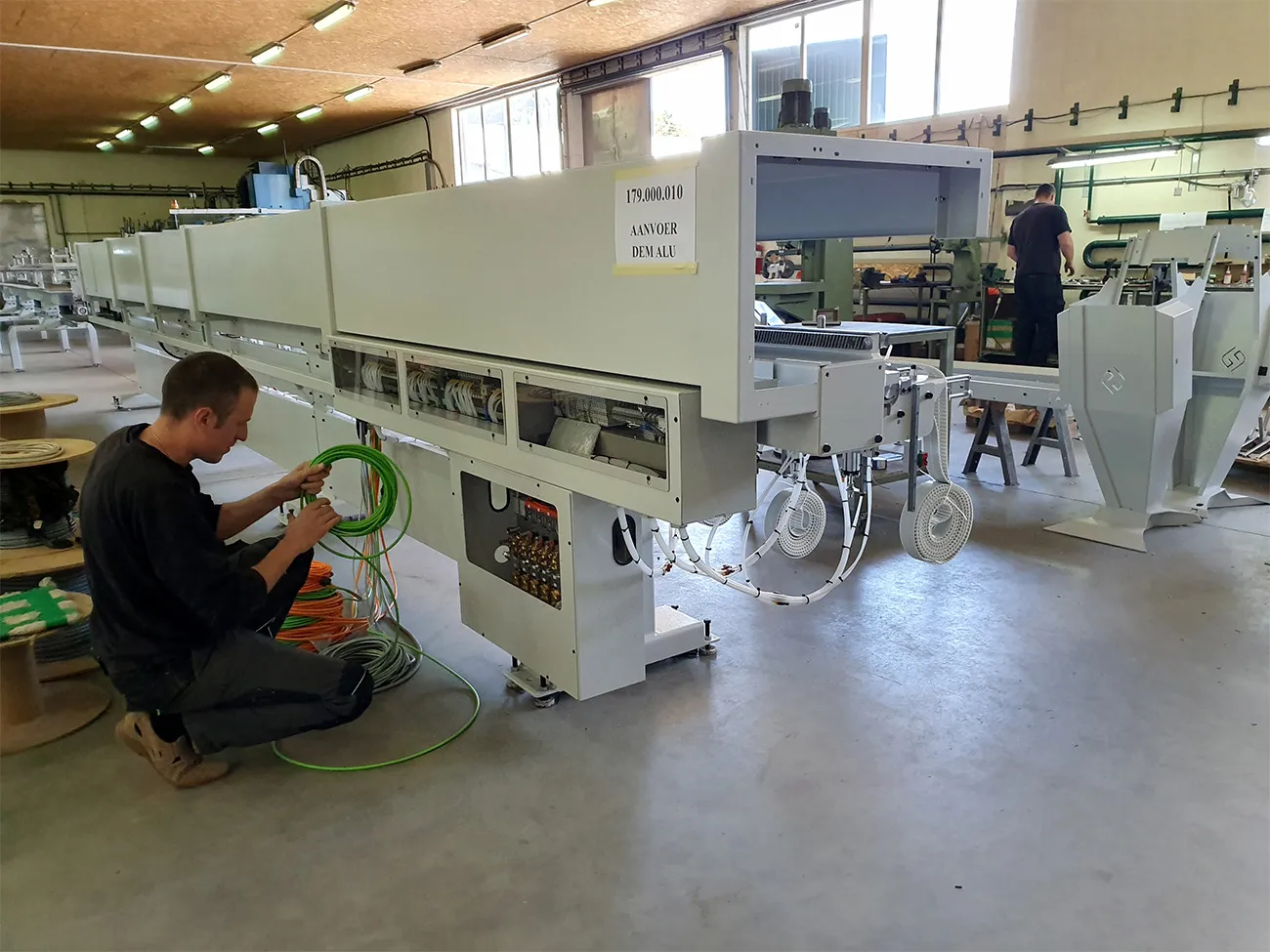
Soenen Hendrik, based in Izegem, which builds high-tech production lines for aluminium and PVC windows and doors, has also been affected. It has a site in Ukraine’s Cherkasy region, about a two-hour drive from Kyiv. “When the war broke out, we had to close the factory for almost three weeks. There was a lot of uncertainty,” says CEO Evelien Soenen. “But we are now back at full capacity. We have to be, because the local government wants the economy to keep moving so it can finance the war. Fortunately, the region where we are based is stable now. But we continue to monitor the situation closely.”
Of course, people are needed to keep the factory running. “Many of our male colleagues were called up to fight in the east. Conversely, many people have fled from the frontline region to the west. We are more than happy to have them join us, and we are doing our best to support them and help them settle into their jobs. We have organised several humanitarian initiatives, including buying bulletproof vests and helmets. We also help families looking for accommodation in Belgium or in one of the safer neighbouring countries.”
Where there’s a will, there’s a way
The situation is complex, but there is great solidarity among residents and businesses. “A number of companies operating in the region have set up a WhatsApp group, where we stay in close contact. If a problem arises, we try to help one another,” continues Evelien Soenen. “Ukrainians are also resourceful and always look for a solution. We simply have to accept this new normal and the fact that the war may last for some time yet. By joining forces and using a little creativity, we will get through this crisis too.”
Soenen Hendrik is not the only company that has had to adapt. ACL Polyester, based in Wevelgem, which produces glass-fibre-reinforced polyester mouldings and has a site in Stryi, has also been affected. “The supply chain in Ukraine has been severely disrupted, and a black market has also emerged to enable goods to be exported. As a result, transport prices have almost doubled. So for us, the war has had mainly financial consequences. Fortunately, we are operational again. Demand is strong, and production capacity has now returned to the same level as before the outbreak of the war,” concludes Dieter Catteeuw, CEO of ACL Polyester.
Question about this story? Ask your question
Keep following this
Get an email when a new story is published. No account needed.
- SubjectGeneral







