




Flemish people need to think more maritime
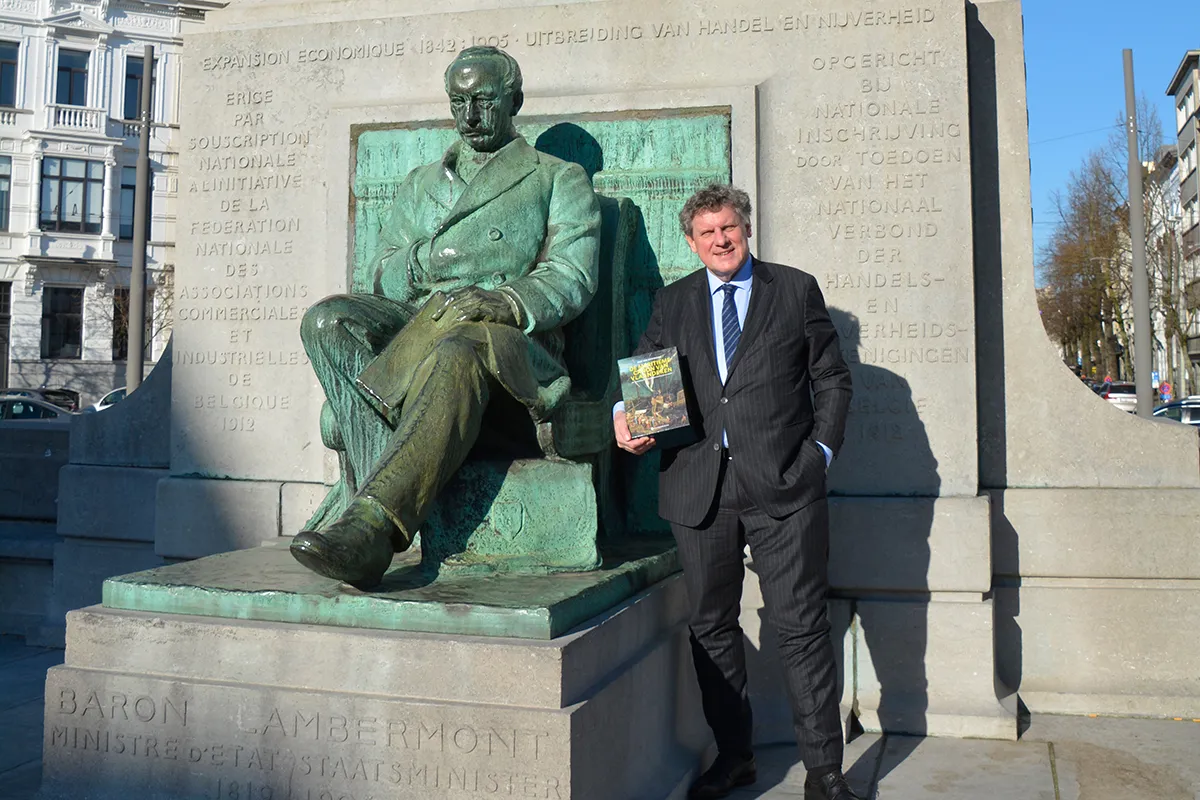
Flanders is one of the world’s leading maritime regions. But the average Fleming does not know that. With the Maritime Canon of Flanders, the first maritime history of Flanders, I want to change that.
For centuries, the sea, shipping and ports shaped Flemish prosperity. From 1000 to 1585, Flanders experienced Golden Ages of port cities. Bruges first, then Antwerp, flourished as the largest port and trading cities in Northern Europe. After the separation of the Low Countries and the closure of the Scheldt, a diaspora of maritime entrepreneurs, scientists and artists dispersed across the globe. In the Northern Netherlands, they laid the foundations for the Dutch Golden Age. In fact, it was a Dutch-Flemish Golden Age, because it would never have happened without the maritime immigrants from the Southern Netherlands.
From the French period onwards, the Southern Netherlands, which became Belgium in 1830, were able to resume their role as a European maritime crossroads. Today, measured by area, population and coastline, maritime Flanders is more important than the Netherlands, France, Germany and the United Kingdom. Antwerp is one of the world’s largest ports, with a huge sea-oriented industrial cluster. Zeebrugge, Ghent and Ostend are port centres of European importance. The merchant fleet and dredging sector are among the world’s leaders.
The maritime world is, and remains, the country’s economic hardware. Yet Flemish maritime awareness is weak, certainly weaker than that of the Dutch. This is not a philosophical problem, but a highly practical one. It undermines support for investment in ports and waterways, much of which is urgently needed. Flanders risks falling behind its neighbours and competitors. Limited public awareness undermines the appeal of port- and shipping-related professions and courses, ultimately hindering the development of ports, the merchant fleet, inland shipping, fisheries and the navy. Inadequate maritime awareness is becoming a direct geostrategic handicap.
For years, I have been calling for a Flemish Maritime Museum. Not as a haven for water-loving nostalgics, but as a temple to maritime awareness, offering a fresh perspective on the future too. I hope my Maritime Canon of Flanders, which runs to more than 2,000 pages, can serve as a blueprint.
Eric Van Hooydonk
Lawyer and professor at UGent
Question about this story? Ask your question
Keep following this
Get an email when a new story is published. No account needed.
- SubjectGeneral







