




Flemish defence industry shifts up a gear
Text Roeland Van Den DriesscheImage Exail Robotics, OIP
“It’s no easy task to make up so much ground”
The world order is wavering, and it is clear that Europe will largely have to take responsibility for its own defence and security. Belgium is therefore also increasing its defence budgets. But what does this mean for our own defence industry? Business Vlaanderen spoke to OIP and Exail Robotics, two Flemish companies that are scaling up rapidly.
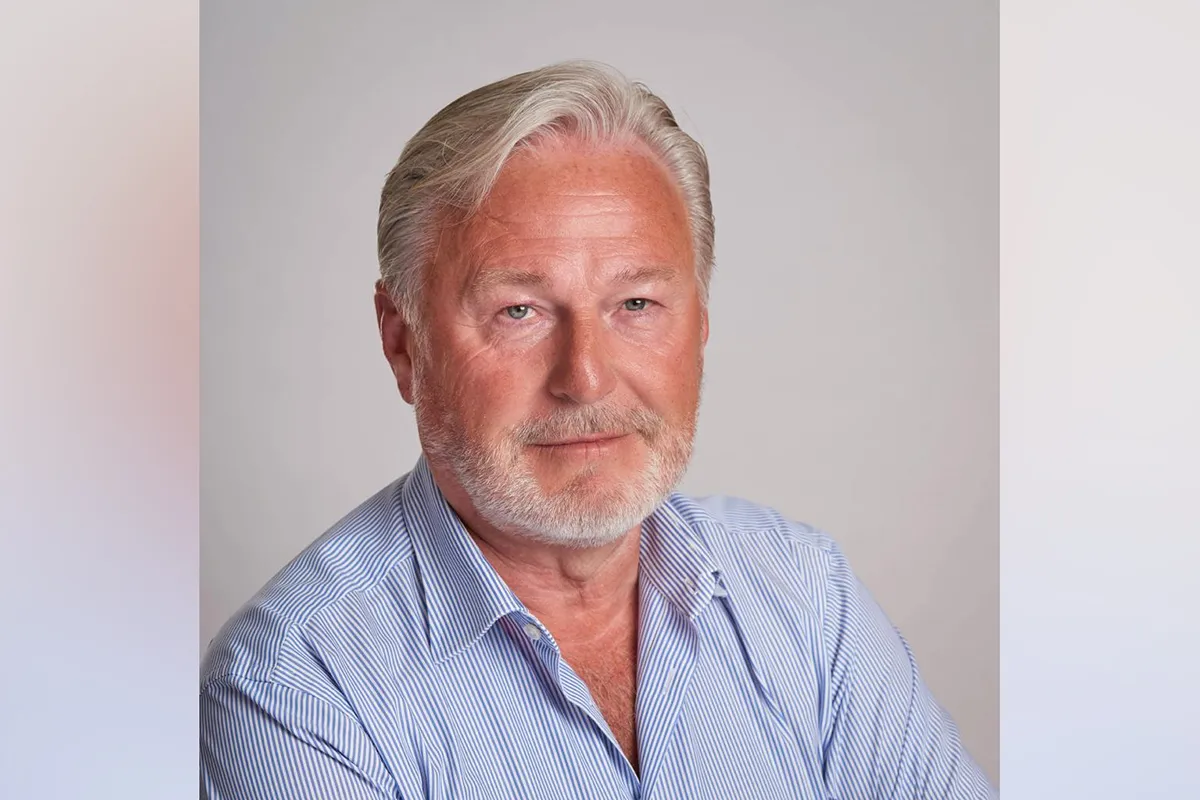
For years, companies active in the defence industry were tainted by a stigma. But that now seems to be changing, as the United States questions its NATO alliance with Europe. This is driving a growing realisation that Europe, and therefore Belgium too, must strengthen its own defence capabilities. “We have a huge amount of ground to make up, and that’s no easy task. For years, we were ignored, even pushed into the shadows,” says Freddy Versluys, CEO of OIP. In his view, strict regulations have stifled the industry. “For decades, we have also seen no form of support whatsoever. It’s hardly surprising, then, that the defence industry in Flanders has all but disappeared.”
From taboo to booming business
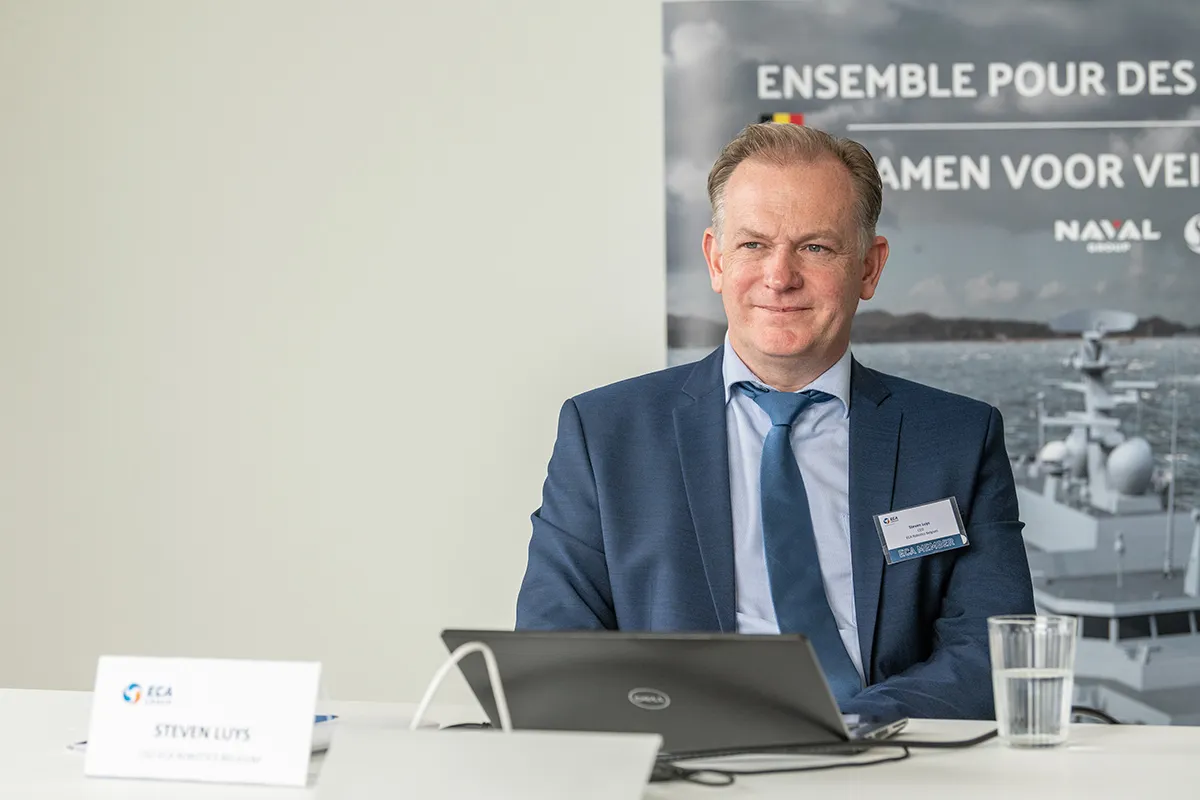
Versluys is not the only one who thinks so. Steven Luys of Exail Robotics has also seen the sector silenced for years, largely for pacifist reasons. “Until 2016, investing in defence was simply ‘not done’,” he says. However, attitudes gradually began to change after the attacks in Brussels. “And since the war in Ukraine, we can even speak of a genuine shift in mindset. For the first time, the sense of insecurity has become so strong that people realise defence is not a choice, but a bitter necessity. What’s more, many of our employees are convinced that their work helps make the world safer.”
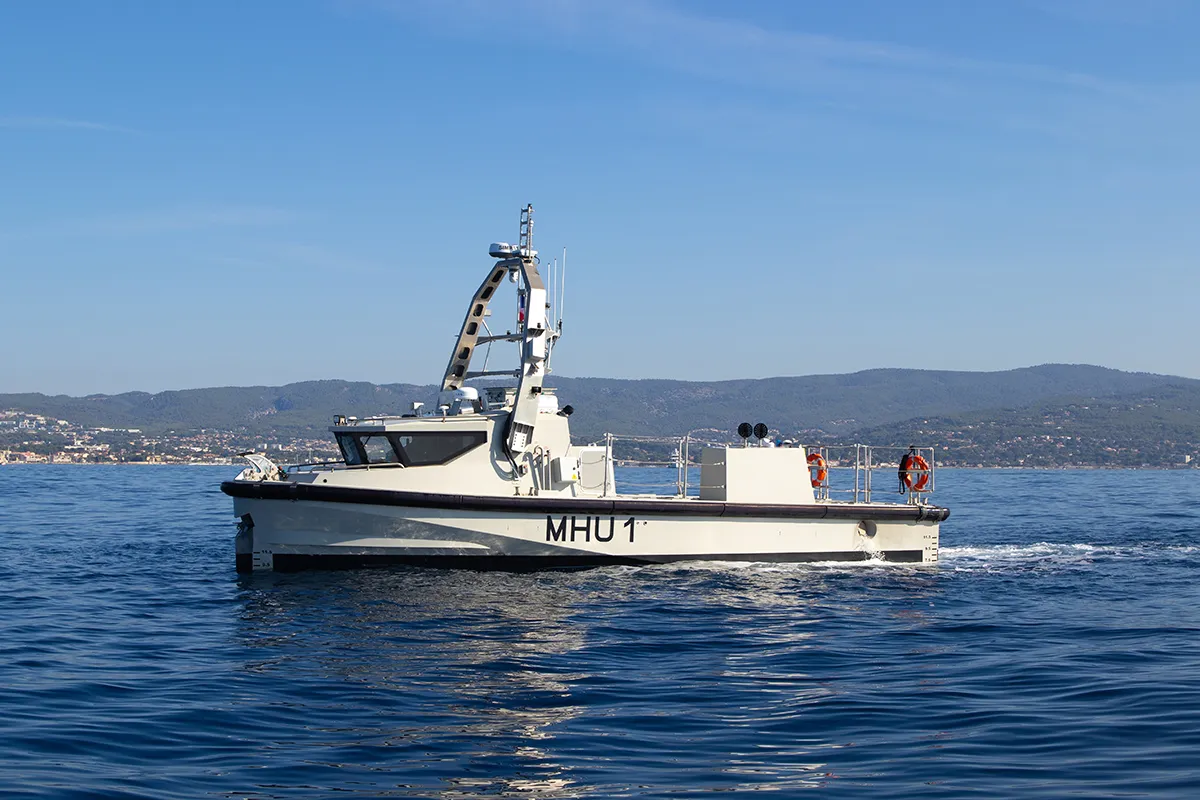
The question is whether Belgium can still play a meaningful role on the world stage today, or whether it will remain a marginal player. “We have built up strong expertise in certain fields,” says Steven Luys. His company, Exail Robotics, which specialises in developing underwater drones for mine countermeasures, is a good example.
“And the war in Ukraine has only increased demand for our products. We recently secured a contract with NATO because we are one of the few companies in the world able to produce drones on a large scale at short notice.”
A two-front battle
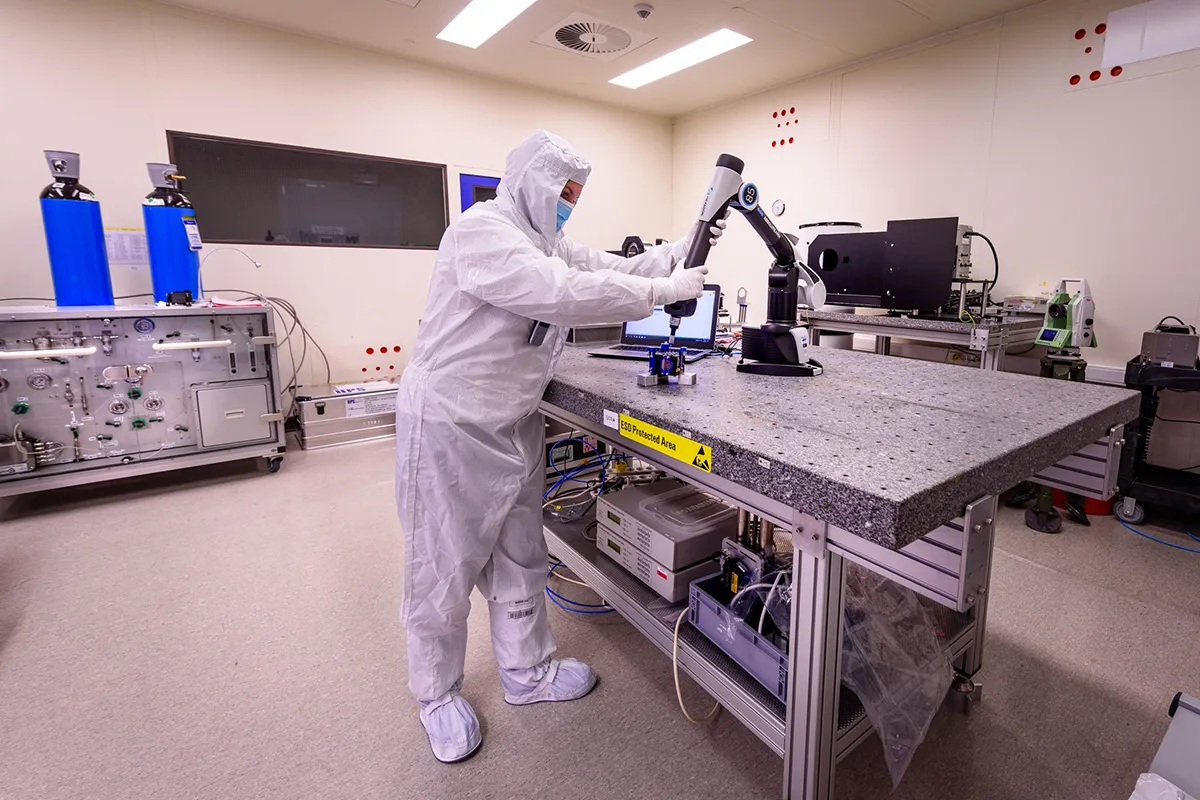
OIP’s order book is also well filled for the coming years. The company now mainly needs people to keep up with rising demand. “And that’s exactly where the problem lies. That’s why we’ve been actively recruiting abroad for years,” Freddy continues. While OIP is doing everything it can to attract people, Exail Robotics is inundated with job applicants. “That’s because we work very closely with a number of local universities of applied sciences. Our biggest challenge today is not so much finding talent as ensuring that the technology we develop finds its way to market.”
That is often where things go wrong, because of the strict regulatory framework within which Flemish defence companies have to operate. “The legislation here is stricter than in other European countries, making it extremely difficult for companies to compete worldwide,” says Steven Luys. This affects not only the sector, but the wider economy too. “Defence is about much more than tanks and weapons. It is a high-tech industry that drives innovation, creates jobs and attracts foreign investment. If Flanders does not further tap into that potential, we will miss out not only on military opportunities, but also on economic ones.”
Question about this story? Ask your question
Keep following this
Get an email when a new story is published. No account needed.
- SubjectGeneral







