




Flanders aims to drive innovation in, on and by the sea
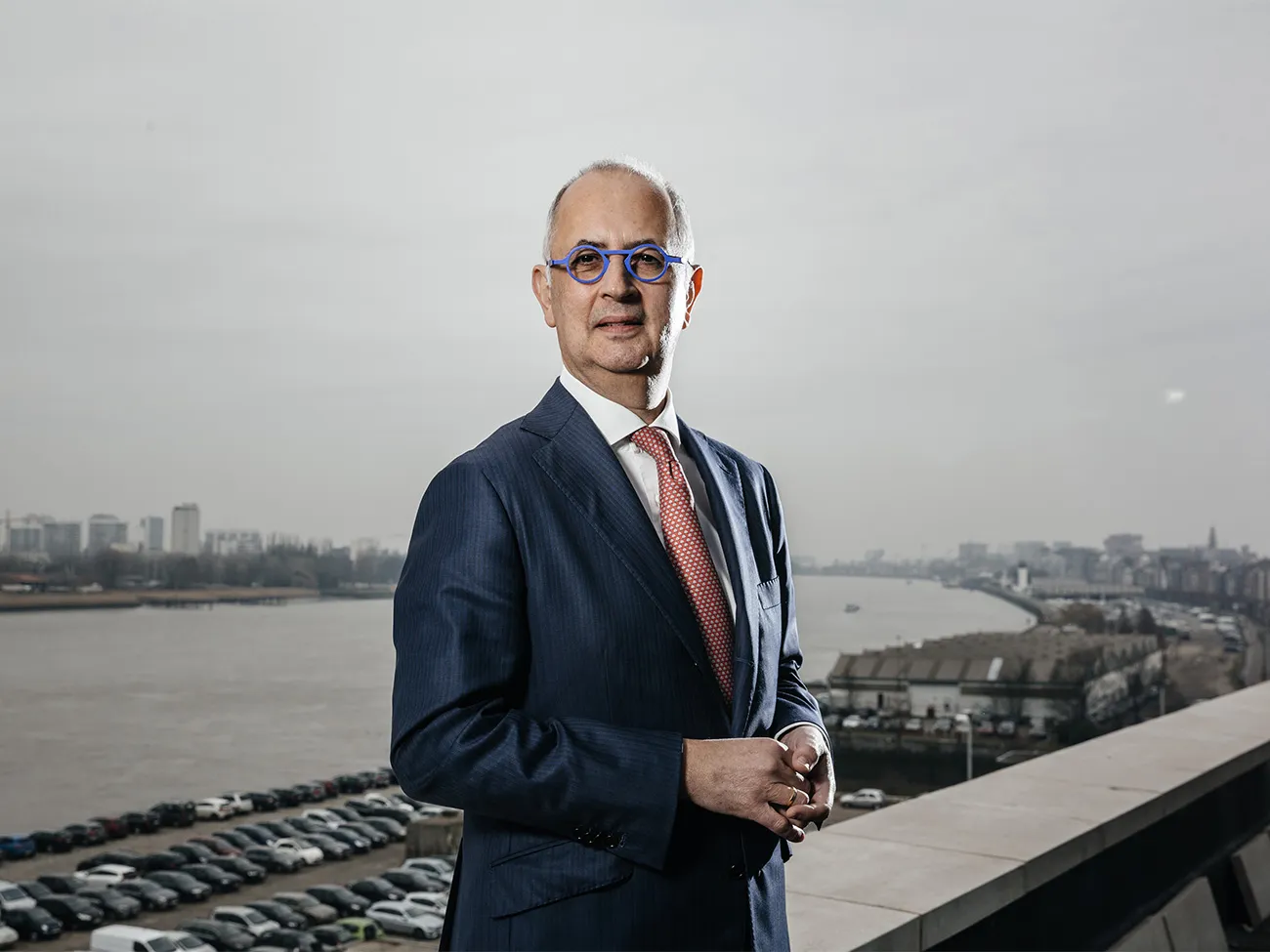
“The blue economy is the key to a sustainable future”
Nature and the economy are inextricably linked. This is reflected in the impact of climate change on our economic activities, as well as in the growing role played by oceans and seas today. These bodies of water are a natural resource whose scientific and economic potential has yet to be fully realised. Under the banner of the ‘blue economy’, opportunities in energy generation, aquaculture and mariculture, employment and other forms of economic value are being explored and developed.
Europe aims to become the first climate-neutral continent. A sustainable blue economy will be key to achieving this goal. The blue economy encompasses all economic activities connected with or created by oceans, seas and coasts. All this must be done without disrupting or depleting the health of aquatic ecosystems.
Thanks to the blue economy, we are discovering more and more applications and solutions hidden on and beneath the sea’s surface. It is also a sector that can meet rising demand for sustainably produced energy and locally sourced products, while creating many jobs. De Blauwe Cluster, the network organisation that brings together knowledge institutions and government agencies around blue economy initiatives, has been facilitating innovation projects in Flanders since 2018.
An inexhaustible source of innovation
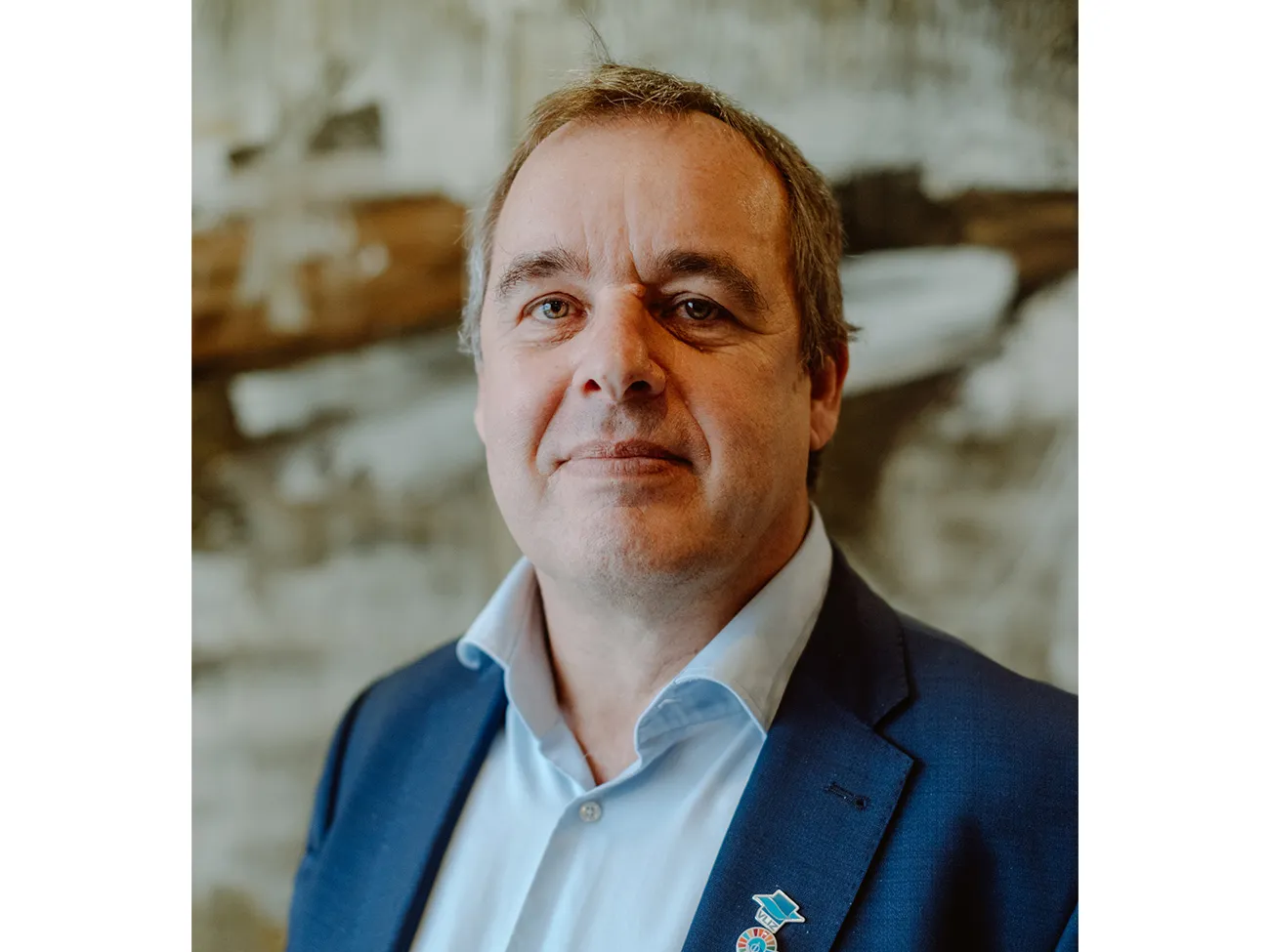
CEO Marc Nuytemans: “In the short term, we have already succeeded in raising the profile of the blue economy and have successfully turned scientific knowledge into large-scale pilot projects. For example, after six years of research and development facilitated by De Blauwe Cluster, Colruyt Group has taken the first steps towards establishing Belgium’s first commercial offshore aquaculture site, a mussel farm called Zeeboerderij Westdiep. The application to establish the site was approved in early December, and Colruyt hopes to have the first products in stores by 2023. Research is also continuing into growing oysters and seaweed there.”
Another promising pilot project is Shore Supported Navigation (SSN), which enables the start-up SeaFar to operate ships semi-autonomously on our waterways. “A growing economy on our waterways calls for efficient transport. And, particularly given the growing crew shortage, automated navigation offers the opportunity to increase the competitiveness of waterborne transport. It is also preparation for the development of a new generation of greener ships.”
Alongside these projects, De Blauwe Cluster is also targeting innovations that can be applied internationally. “Projects such as Soil-Twin and Supersized 4.0, for example, are particularly valuable to the offshore industry, as their results can be used to optimise the design and maintenance of offshore wind farms and estimate their remaining service life. There is interest in this research from the United States and Asia, among others. This puts us back on the map as a major international player,” Marc Nuytemans continues.
A new campus for marine research
Thanks to these developments, Belgium has meanwhile built an excellent reputation around the world. “We also owe that to the many knowledge institutions active in this field,” says Jan Mees, managing director of the Flanders Marine Institute. “Together with ILVO, we have been doing pioneering work for years on marine and coastal research and the sustainable exploitation of the North Sea.”
Both institutions have recently moved into a brand-new building in Ostend. “The InnovOcean Campus is set to become a world-class oceanographic centre, with the largest marine science library in the Low Countries. Everything here revolves around scientific research, building knowledge about the sea and strengthening Flanders as a marine knowledge region. We want to do this by creating synergies across all disciplines, so that we can keep the sea as an ally,” says Jan Mees.
Port Oostende, among others, sees strong growth potential in the blue economy and has made it a strategic priority. The port is targeting developments in offshore energy, aquaculture and research activities at Ostend Science Park. A sustainable business cluster is being developed there in collaboration with UGent and POM West-Vlaanderen.
Question about this story? Ask your question
Keep following this
Get an email when a new story is published. No account needed.
- ThemeBusiness growth and entrepreneurship in Flanders
- SubjectGeneral







