




Five entrepreneurs and experts discuss the war for talent
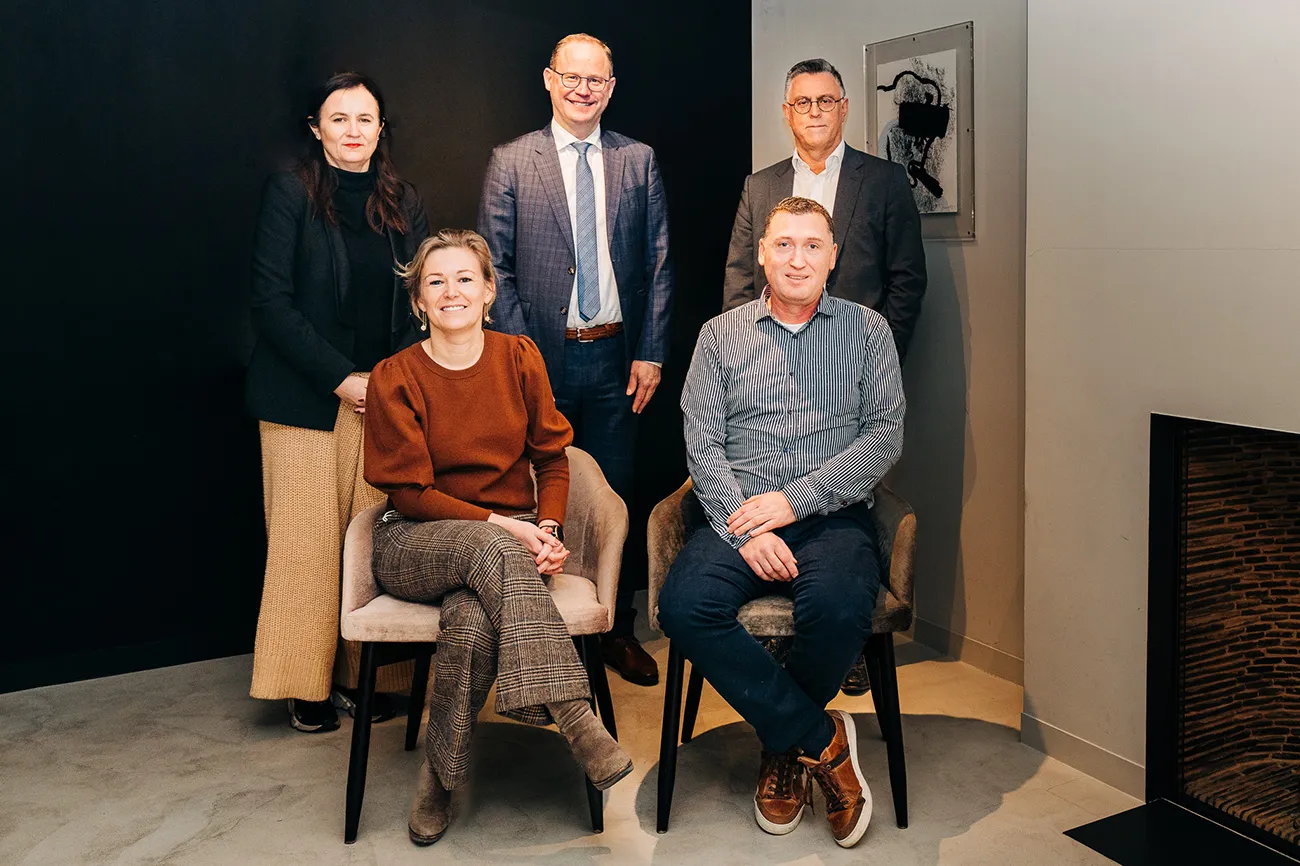
One of the biggest concerns facing entrepreneurs today is the war for talent: how can an organisation fill its vacancies, and how can it retain its talent? There is no simple or straightforward answer. Business Vlaanderen brought an experienced panel together to discuss how they approach recruitment and HR today: “Continuous recruitment and training applicants on the job is the best thing you can do today.”
“We have to become increasingly flexible to attract people”
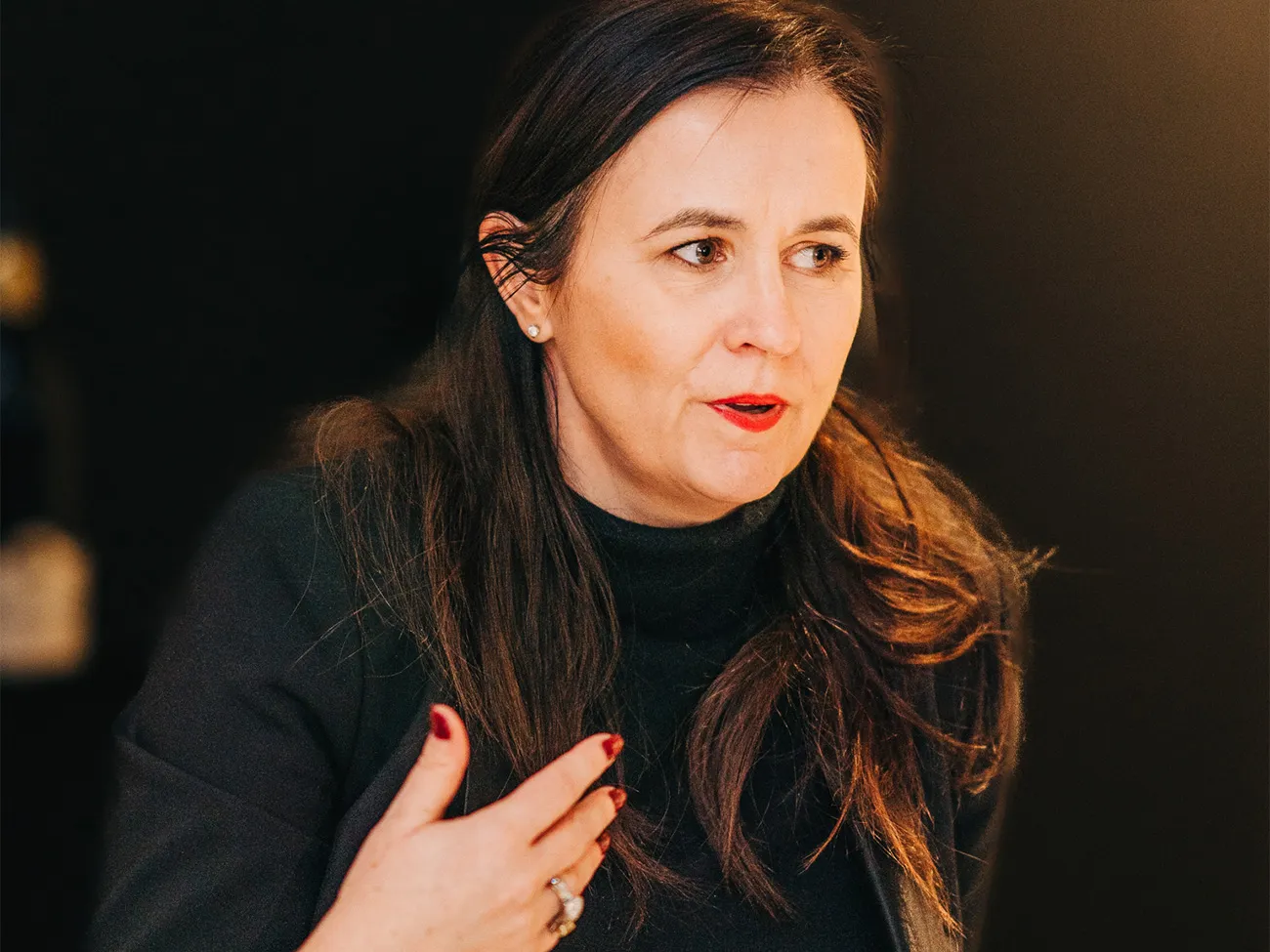
Labour shortages are being keenly felt across all sectors. The list of shortage occupations continues to grow. For Soenen Hendrik, based in Izegem and a builder of high-tech production lines for aluminium and PVC windows and doors, this is nothing new. “We were already struggling to find turners and millers for our workshop 20 years ago,” says CEO Evelien Soenen. “To address the problem, we opened a production facility in Slovakia. It has been a story of ups and downs. Finding the right managers was not easy. But without that facility, the company would not exist today.”
Purpose and impact
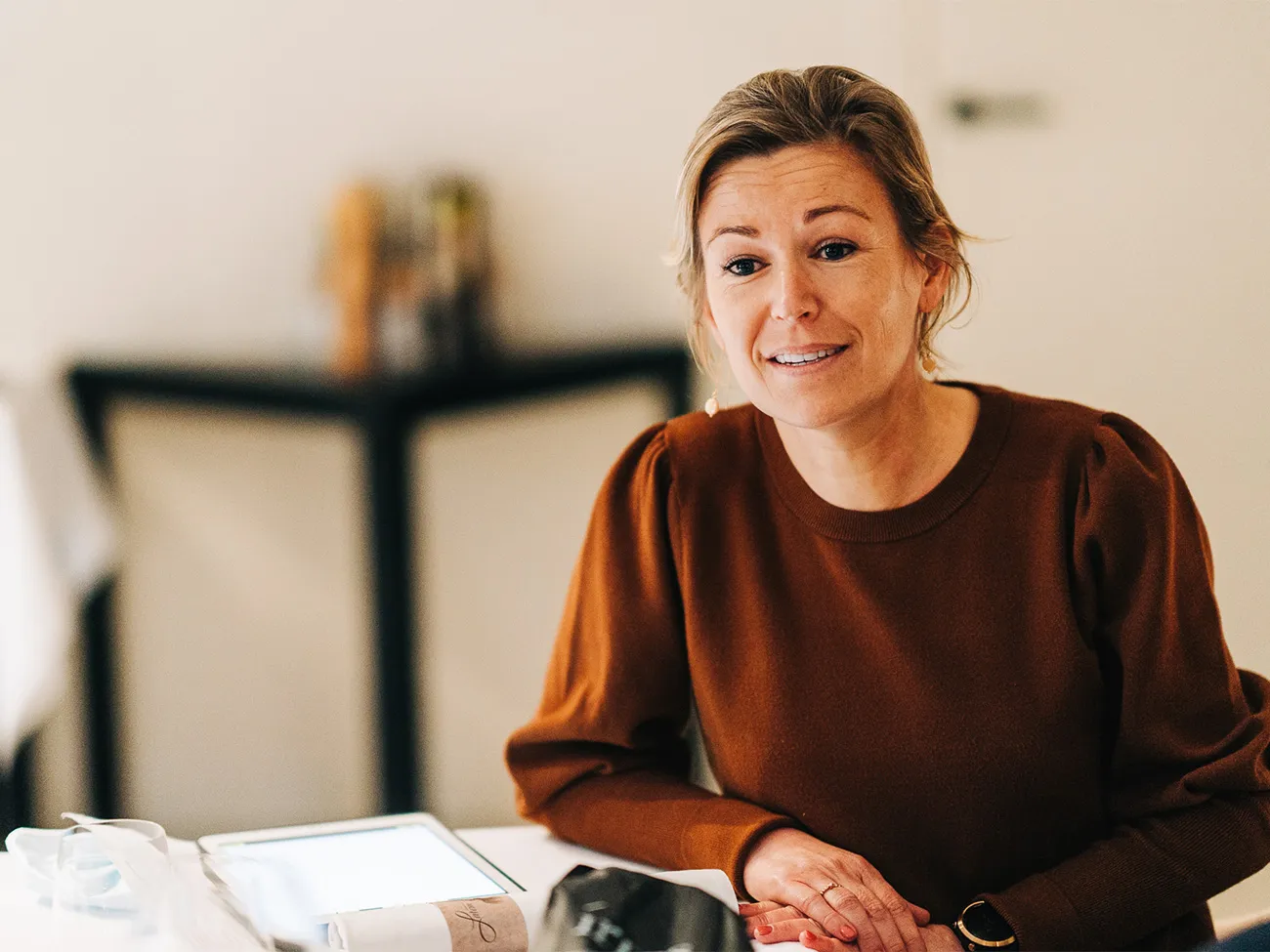
Global Water Engineering, which develops facilities for wastewater treatment and green energy, is headquartered in Bruges but operates worldwide, with sites in Europe, Asia and America. “Our international focus means we have a wider pool to draw from in any case,” says CEO Uli Ombregt. “But although environmental technology is an attractive sector, we are also seeing a battle for engineers. They have plenty of job opportunities to choose from. We are not joining the bidding war over pay, but we do offer projects with a meaningful purpose. That appeals to applicants too.”
Christophe Mouton, CEO of Ghent hospital AZ Maria Middelares, agrees: “When I started working as an engineer in a hospital 20 years ago, I was an exception. Today, it is easier for us to find engineers because we offer an interesting working environment as a hospital. On the one hand, people can make a social impact; on the other, we are investing heavily in data science and other technologies. Although pay is higher in the private sector, we still attract plenty of strong candidates.”
That is also in line with VDAB’s experience. “Candidates are becoming more selective. Of course they look at the job content and salary, but they also pay close attention to a company’s values and how they can make an impact,” says Freddy Van Malderen, provincial director of labour market management for East Flanders. “Cultural and values fit is becoming increasingly important.”
Recruiting all the time
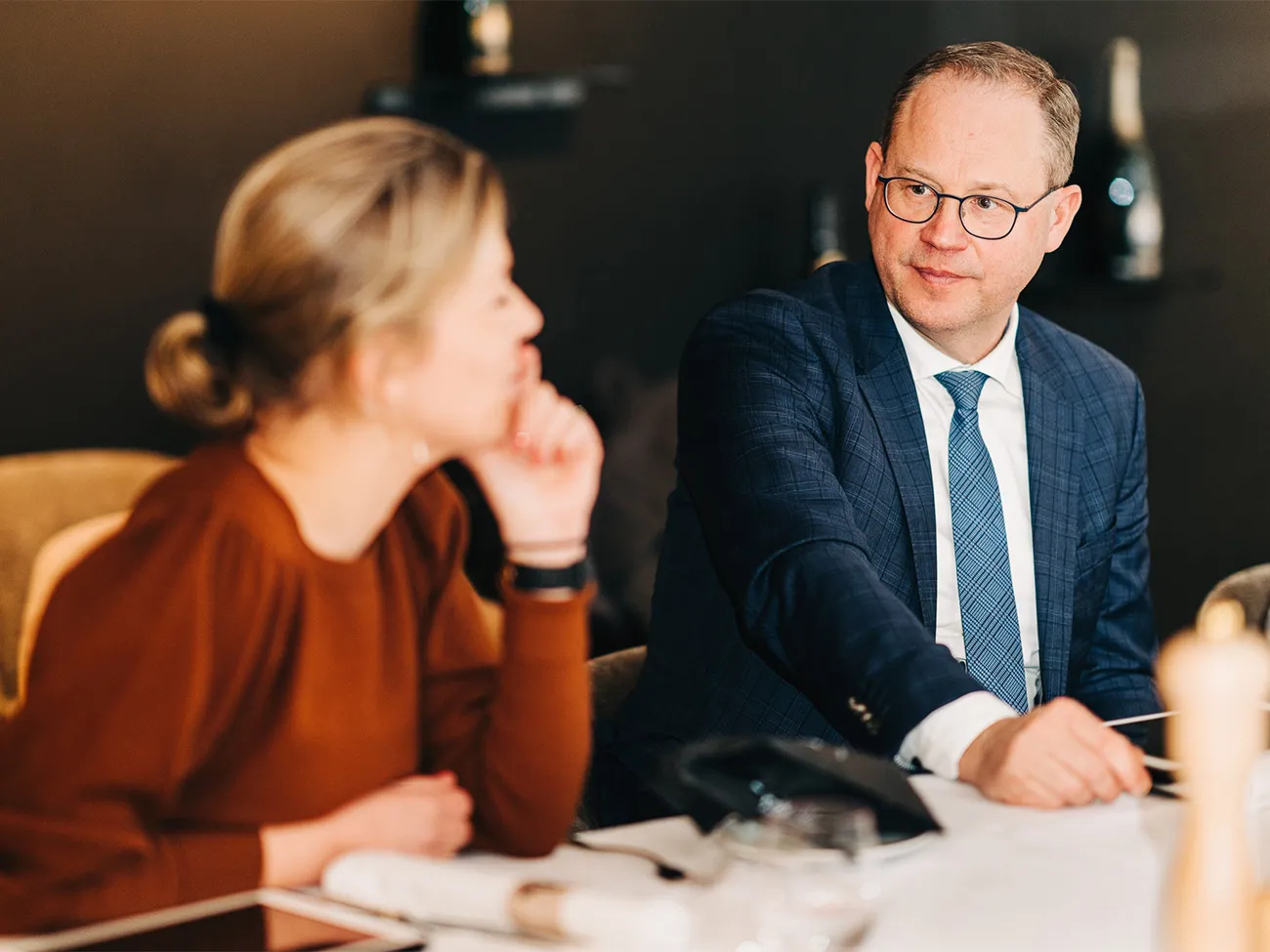
Hannelore Raes, co-CEO of Agristo, a producer of frozen potato products with sites in East and West Flanders and the Netherlands, is well aware of this. “We have more than 1,000 employees and are still expanding rapidly. Even so, we try to preserve our family feel and stay close to our people.”
This year, Agristo is building an additional production line in Wielsbeke, for which it will recruit 100 new employees. “We run continuous production on a five-shift system, so we are always recruiting. Operators are not the only people who are hard to find. We are also finding it far from straightforward to fill management roles in a shift system,” says Raes.
Hendrik Soenen also keeps the door open at all times. It now has 200 employees across its sites in Izegem, Slovakia and Ukraine, where it opened a factory several years ago. “Our expansion abroad helps address the shortage of production workers, but we are still looking for mechanics, technicians, programmers and maintenance staff in Belgium. I therefore keep vacancies open at all times to find new talent. We always train good people in-house,” says Evelien Soenen.
“We are always open to talent, but for some roles we have no choice but to use a headhunter,” adds Uli Ombregt. “We like to give young people opportunities, with in-house training, career prospects abroad and plenty of flexibility. But I always stress that we are looking for a long-term commitment. Assignments in New Zealand or Hawaii may sound exotic, but once you start a family, they become much less straightforward.”
Technological solutions
At AZ Maria Middelares, which has almost 2,000 employees, many vacancies are open for nurses, as well as for finance, technical and IT professionals. Christophe Mouton: “For nursing staff, we are aiming to work closely with schools so that people can gain experience and then be offered a job. For now, we are just managing to fill the vacancies without having to recruit nurses from abroad. The most critical area is probably cleaning, where up to 10 vacancies remain unfilled. We are therefore organising training programmes with VDAB. We already use cleaning robots for some tasks, but cleaning in a hospital still requires precision manual work and is important for social contact with patients.”
Technology as a solution to a tight labour market is also on Agristo’s agenda. The food company has an increasingly diverse range of nationalities on its shop floor: people from northern France, Poland, Romania, Bulgaria and elsewhere. “We have to adapt and become more flexible. For example, speaking Dutch is no longer a requirement when you are hired,” explains Hannelore Raes. “English or French is often the lingua franca within a shift team. But we will have to go further still. We are currently looking at technologies that can bridge the language barrier, so multilingual teams can understand one another and work safely.”
Tight labour market conditions are also working in favour of machine builder Soenen Hendrik, which is making the most of technological innovation. “Many of our customers are investing in new machines that enable them to automate, produce more efficiently and do more with the same number of people. This helps them offset the shortage of available workers,” says Evelien Soenen.

The worst is yet to come
The labour market is tight, and it will be some time before the situation turns around. “At VDAB, we feel it has become almost impossible to find a direct match between a vacancy and a suitable jobseeker at short notice,” says Freddy Van Malderen. “We also face a demographic challenge: for every 100 people retiring, there are only 80 new workers available. If the number of vacancies then rises, the pressure will only intensify.”
A second issue is the shortage of STEM graduates. “17% of young people graduate in a STEM subject, while the number of vacancies available is many times higher. Education and businesses will have to move closer together, for example through more widespread dual learning. More workplace training, combined with activating people who are currently neither working nor looking for work, will be essential to ease labour market pressures somewhat in the coming years,” concludes Van Malderen.
Question about this story? Ask your question
Keep following this
Get an email when a new story is published. No account needed.
- ThemeAttracting and retaining people
- SubjectGeneral







